

Main Facts
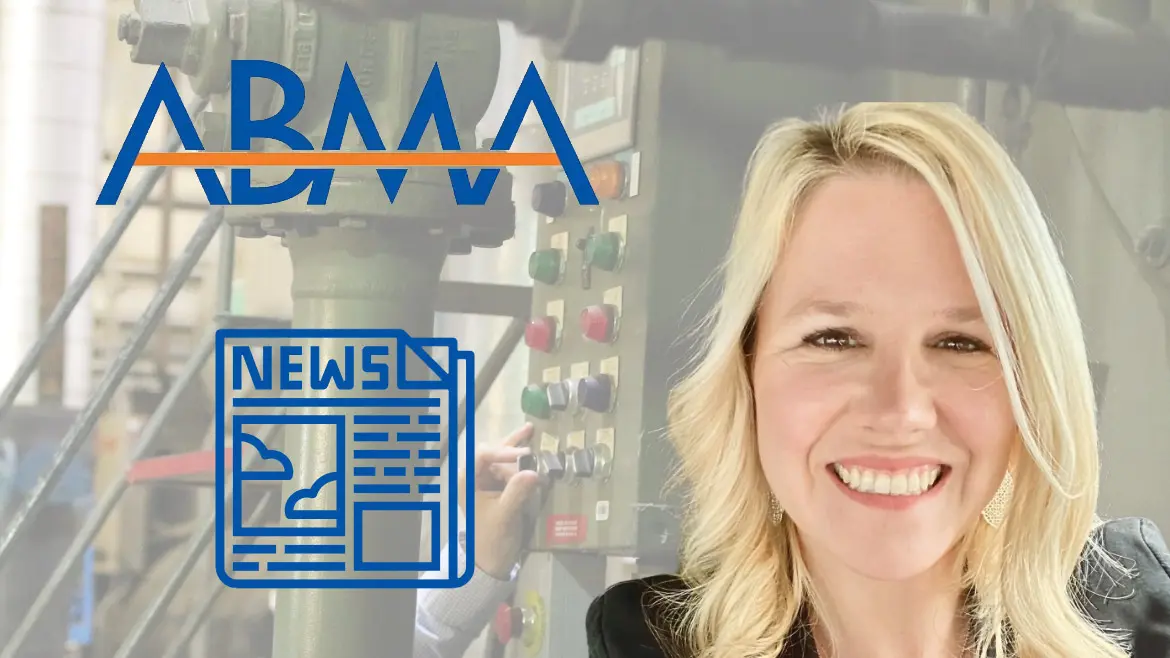
The American Boiler Manufacturers Association (ABMA), widely recognized as one of the oldest and most enduring industrial trade groups in the United States, has officially named Shaunica Jayson as its interim president and chief executive officer. The announcement follows the conclusion of Scott Lynch’s notable 12-year tenure at the helm of the organization. Jayson, who has spent more than nine years embedded within the ABMA operational framework, assumes her new leadership duties immediately with the unanimous backing of the association’s Board of Directors and Executive Committee.
As the ABMA prepares for a seamless transition of power, the organization’s primary focus remains unchanged: delivering exceptional value to its membership base and fostering the continuous advancement of the commercial and industrial boiler industry. While Jayson steps in to provide immediate stability and institutional continuity, the ABMA Executive Committee has already begun formulating a comprehensive, multi-step search process to identify and appoint a permanent president and CEO. This future-focused search will carefully weigh the evolving demands of the modern industrial landscape against the core needs of ABMA’s diverse membership, ensuring that the association remains resilient, agile, and fiercely competitive in an ever-shifting economic environment.
Chronology
To understand the current state of leadership at the American Boiler Manufacturers Association, it is essential to trace the historical timeline of the organization, the milestones of the outgoing administration, and the immediate sequence of events that led to Shaunica Jayson’s appointment.
1888–2012: Laying the Industrial Foundation
Founded in 1888, the ABMA holds the prestigious distinction of being the oldest continuous trade association in the United States. For well over a century, the organization has served as the collective voice of boiler manufacturers, suppliers, and allied service providers. Throughout the industrial revolutions of the 20th century, the association adapted to shifting safety regulations, technological breakthroughs, and environmental standards, cementing its role as a critical pillar of American manufacturing.
2012–2024: The Scott Lynch Era
In 2012, Scott Lynch took over the presidency of the ABMA. Over the course of his 12-year tenure, Lynch guided the association through significant technological transformations and periods of economic volatility. Under his leadership, the ABMA expanded its network, strengthened its relationships with key regulatory bodies, and significantly improved its member services. By the time his tenure concluded in 2024, Lynch had left behind a modernized association characterized by robust industry partnerships and a strong financial foundation. The Board of Directors formally acknowledged these contributions, publicly thanking Lynch for his dedicated service and wishing him success in his future endeavors.
Late 2024–Present: The Transition and Jayson’s Elevation
With Lynch’s departure, the ABMA Board of Directors moved swiftly to avoid any operational disruption. Drawing on her extensive nine-plus-year tenure within the organization, Shaunica Jayson was identified as the ideal candidate to steady the ship during the interim period. Her appointment was formally ratified by the Board and Executive Committee, ensuring that daily operations, member communications, and ongoing strategic initiatives would proceed without missing a beat. Coinciding with the approach of Labor Day, Jayson issued her inaugural address to the membership, setting a collaborative tone and emphasizing the vital, behind-the-scenes role that the boiler industry plays in powering modern civilization. Meanwhile, the Executive Committee initiated plans for a nationwide search for a permanent successor, establishing a timeline that prioritizes thoroughness, stakeholder engagement, and strategic alignment with industry trends.
Supporting Data
The transition at the ABMA occurs against the backdrop of a complex, highly regulated, and indispensable industrial sector. To fully appreciate the scale of the association’s mission, one must examine the metrics, operational environments, and economic sectors that rely daily on the expertise of ABMA members.
136 Years of Continuous Operations
Having celebrated its 136th anniversary, the ABMA represents a lineage that spans nearly the entirety of the modern industrial age. This longevity provides the association with a unique historical perspective, allowing its leadership to navigate current supply chain disruptions and regulatory shifts with deep institutional memory.
A Decade of Leadership Continuity
Scott Lynch’s 12-year tenure represents a period of rare stability in trade association management. In an era where non-profit and trade organization leadership can experience frequent turnover, a decade-plus commitment allows for the successful execution of long-term strategic plans, multi-year advocacy campaigns, and deeply entrenched industry partnerships.
Over Nine Years of Internal Experience
In Shaunica Jayson, the ABMA has opted for continuity over outside experimentation. By selecting an interim leader with more than nine years of direct organizational experience, the Board has minimized the steep learning curve typically associated with executive transitions. Jayson’s deep familiarity with ABMA’s internal bylaws, financial structures, committee operations, and member profiles ensures that the association’s administrative machinery will continue to run efficiently.
Critical Infrastructure Verticals Supported
The economic footprint of the ABMA membership is vast, touching nearly every critical infrastructure sector in North America. During her inaugural address, Jayson specifically highlighted the diverse operational environments supported by ABMA members:
- Healthcare Facilities: Hospitals and medical centers rely on continuous, high-pressure steam systems for sterilization, climate control, and humidification, making uninterrupted boiler operation a matter of patient safety.
- Educational Institutions: K-12 schools and sprawling university campuses depend on industrial boilers for space heating, domestic hot water, and research facility operations.
- Heavy Manufacturing: Heavy industrial plants—including chemical processing facilities, automotive plants, and pulp and paper mills—require massive thermal energy inputs to drive production processes.
- Power Generation: Utility-scale and localized power generation facilities rely on sophisticated boiler systems to produce the steam necessary to drive turbine generators, contributing significantly to the national energy grid.
Official Responses
The leadership transition has elicited thoughtful commentary from both incoming and established figures within the ABMA governance structure, emphasizing a collective commitment to institutional stability, member-centric values, and forward-looking growth.
Nancy Simoneau, Chair of the ABMA Board of Directors
Addressing the membership on behalf of the governing body, Board Chair Nancy Simoneau offered a balanced perspective that honored the association’s past while embracing the opportunities presented by change.
"Leadership transitions are part of the life of every organization. While change can bring uncertainty, it also reminds us of the strength of what has been built and of our ability to move forward together," Simoneau stated.
Underscoring the Board’s unwavering commitment to the association’s core mission, Simoneau stressed that member services will remain the absolute priority throughout the transition period.
"ABMA exists first and foremost to serve its members, and our strength comes from their expertise, commitment, and generosity," she continued. "We approach this next chapter with gratitude for the past, confidence in our team, and optimism for the future as we continue advancing our Association and our industry."
Shaunica Jayson, Interim President and CEO
Stepping into the top executive role, Jayson combined personal humility with a clear operational mandate. In her first official communication to the membership, she expressed profound respect for the institution she now leads.
"It is a genuine honor to serve this organization, and I am approaching this responsibility with a great deal of humility and a clear readiness to get to work," Jayson remarked.
Leveraging the timing of the Labor Day holiday, Jayson drew a direct line between the daily toil of ABMA members and the broader functioning of society, characterizing industrial boiler professionals as the unseen architects of modern life.
"The work you do behind the scenes is essential," Jayson told the membership. "The equipment you design, manufacture, and maintain are the silent engines that make the world run and operate. From hospitals and schools to heavy manufacturing and power generation, your daily labor is what keeps modern life moving forward."
Looking toward the operational future of the association, Jayson signaled an openness to self-evaluation and structural enhancement, ensuring that the ABMA remains a high-value proposition for modern manufacturers.
"As we look to the future, we are taking a fresh look at how we operate and are actively working on ways to strengthen our association so we can deliver even better value and support to you," she promised. "There is important work ahead, and I am committed to working tirelessly on your behalf to ensure we are always moving in the right direction."
Implications
The appointment of Shaunica Jayson as interim president and CEO, coupled with the departure of Scott Lynch, carries significant implications for the American Boiler Manufacturers Association, its members, and the broader industrial manufacturing sector.
Operational Continuity and Risk Mitigation
One of the most immediate positive implications of choosing an internal candidate with nearly a decade of institutional experience is the mitigation of operational risk. Trade associations often experience strategic drift or administrative friction during leadership handovers. By placing Jayson at the helm, the ABMA Executive Committee has effectively insulated its day-to-day operations from disruption. Committee meetings, regulatory advocacy efforts, technical standardizations, and member support services will continue uninterrupted, providing a steady hand during a period of broader economic uncertainty.
Re-Evaluating Value Delivery and Modernization
Jayson’s stated intention to "take a fresh look at how we operate" suggests that the interim period will not merely be a holding pattern. Instead, it offers the ABMA a unique window of opportunity to audit its internal processes, digital infrastructure, and member engagement strategies. In an era defined by rapid technological advancements—such as the integration of IoT (Internet of Things) sensors in boiler monitoring, strict decarbonization mandates, and shifting energy policies—trade associations must constantly adapt to remain relevant. Jayson’s internal perspective allows her to identify operational bottlenecks and implement efficiencies that can immediately enhance the value proposition for member companies.
The Search for Permanent Leadership
The formation of a presidential search committee by the ABMA Executive Committee introduces a period of strategic introspection. The forthcoming search process will require the Board to carefully articulate the future trajectory of the boiler manufacturing industry. As the manufacturing sector grapples with labor shortages, supply chain resilience, and the global push toward sustainable energy practices, the next permanent CEO will need to possess a specialized blend of advocacy acumen, technical literacy, and visionary leadership. The criteria established during this search will ultimately shape the strategic identity of the ABMA for the next decade and beyond.
Strengthening Industry Solidarity
Finally, Jayson’s deliberate acknowledgment of the workforce during her inaugural address underscores the importance of human capital in an increasingly automated and industrialized world. By framing boiler manufacturers, engineers, and maintenance professionals as the "silent engines" of society, she reinforced a sense of collective identity and professional pride among members. In industries where burnout and talent recruitment present persistent challenges, such messaging helps foster community solidarity, reinforcing the vital social contract that binds the American Boiler Manufacturers Association together as it marches toward its sesquicentennial anniversary and beyond.
