

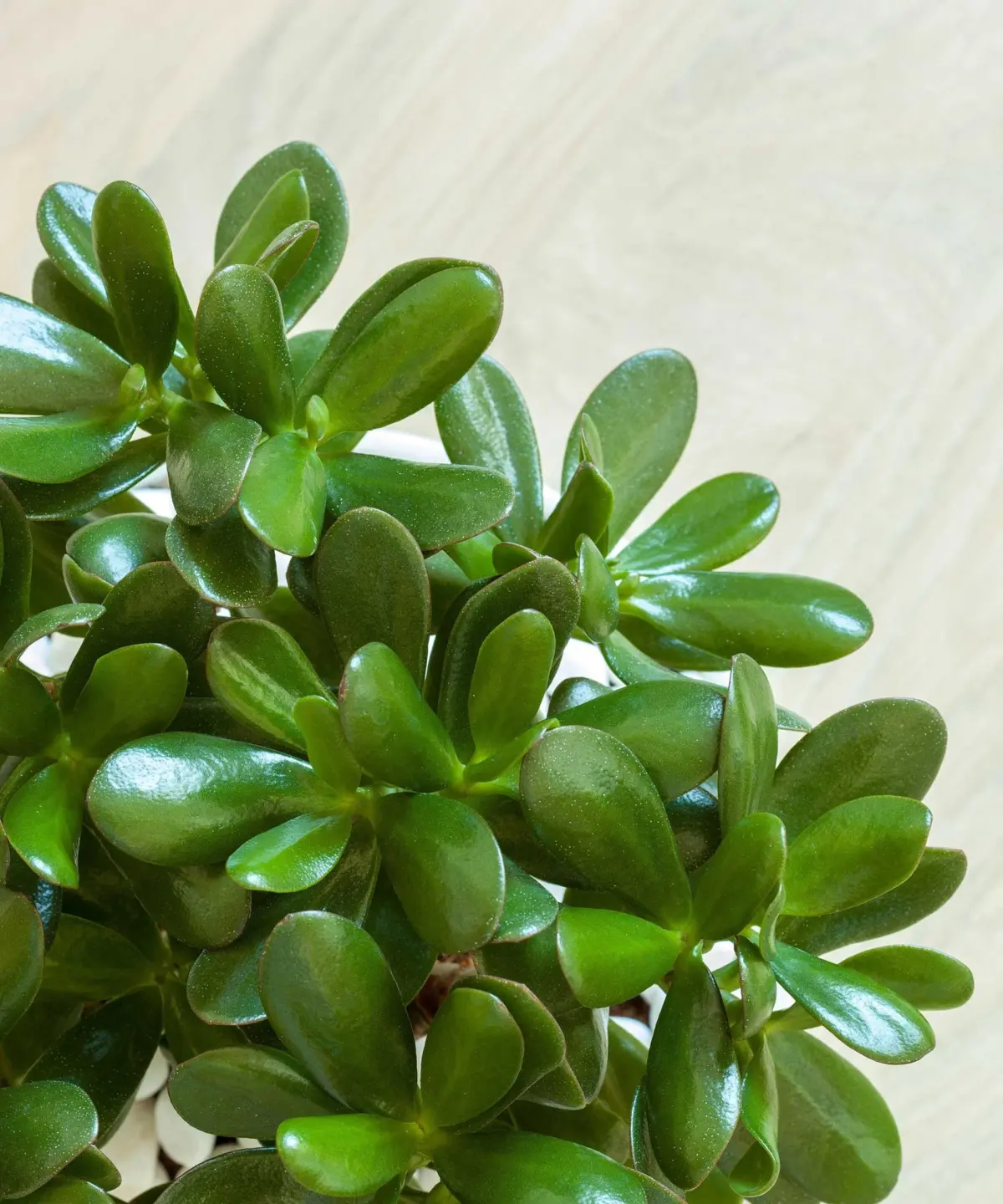
As summer gracefully yields to the crisp air of autumn, the indoor garden undergoes a profound seasonal shift. While many houseplants enjoyed a vigorous period of growth fueled by long, sun-drenched days, September acts as a vital bridge toward winter dormancy. For succulent enthusiasts, this transitional month requires a careful recalibration of routine care—most notably for the beloved jade plant (Crassula ovata).
Though renowned for being resilient, low-maintenance indoor companions, jade plants are uniquely sensitive to the shifting environmental parameters of early autumn. Failing to adapt your care regimen as daylight hours wane and indoor temperatures fluctuate can unintentionally stress the plant, leaving it vulnerable to root rot, pest infestations, and structural decline just as the harshest months of the year approach.
To help your jade plant recover from a tiring summer of active growth and transition smoothly into the cooler season, horticulture experts recommend executing a precise five-step maintenance checklist this September.
1. Relocate Your Jade Plant Somewhere Brighter
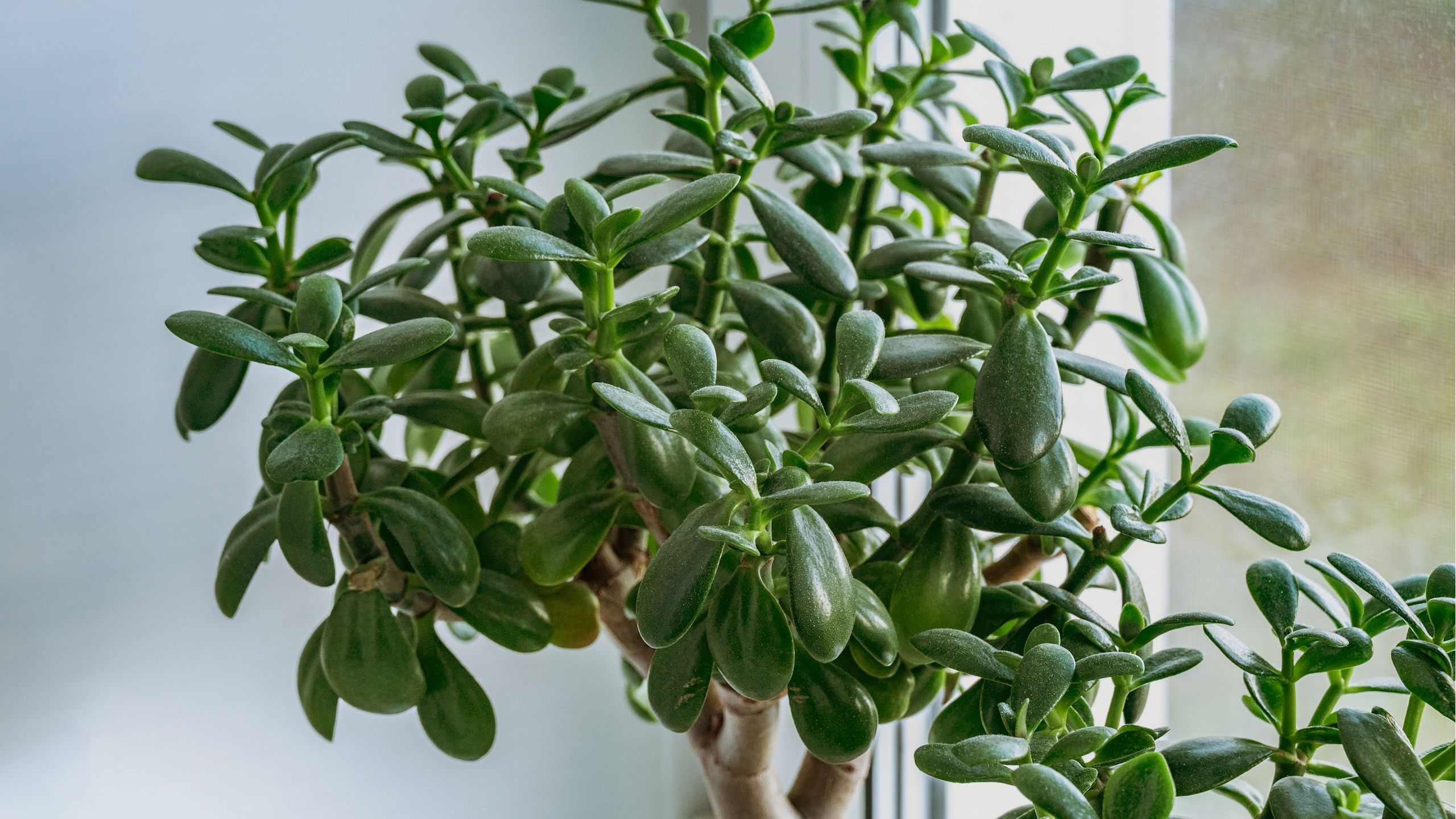
One of the most common pitfalls indoor gardeners face during autumn is leaving their jade plants in their established summer positions. While a south-facing windowsill might have offered ideal—or even scorching—sunlight during July and August, the reduction in daylight hours during September dramatically changes the equation.
During the summer peak, intense, direct rays can occasionally cause jade plant leaves to develop a reddish blush. However, as autumn arrives, the angle of the sun shifts, and overall daylight duration plummets. Jade plants require roughly four to six hours of bright, indirect-to-direct light daily to thrive. Leaving them further back in a room or relying on a dim windowsill during fall can quickly lead to etiolation—a process where the plant stretches out, resulting in weak, leggy stems and an unappealing, sparse silhouette.
Corrective Pruning for Leggy Growth
If your jade plant has already begun to stretch toward the light, September is an ideal time to intervene. Using clean, sharp micro-tip pruning snips, cut back the leggy stems just above a leaf node. This encourages the plant to branch out, resulting in a bushier, more robust structure. The pruned stems can even be saved for propagation.
2. Scale Back Your Watering Schedule
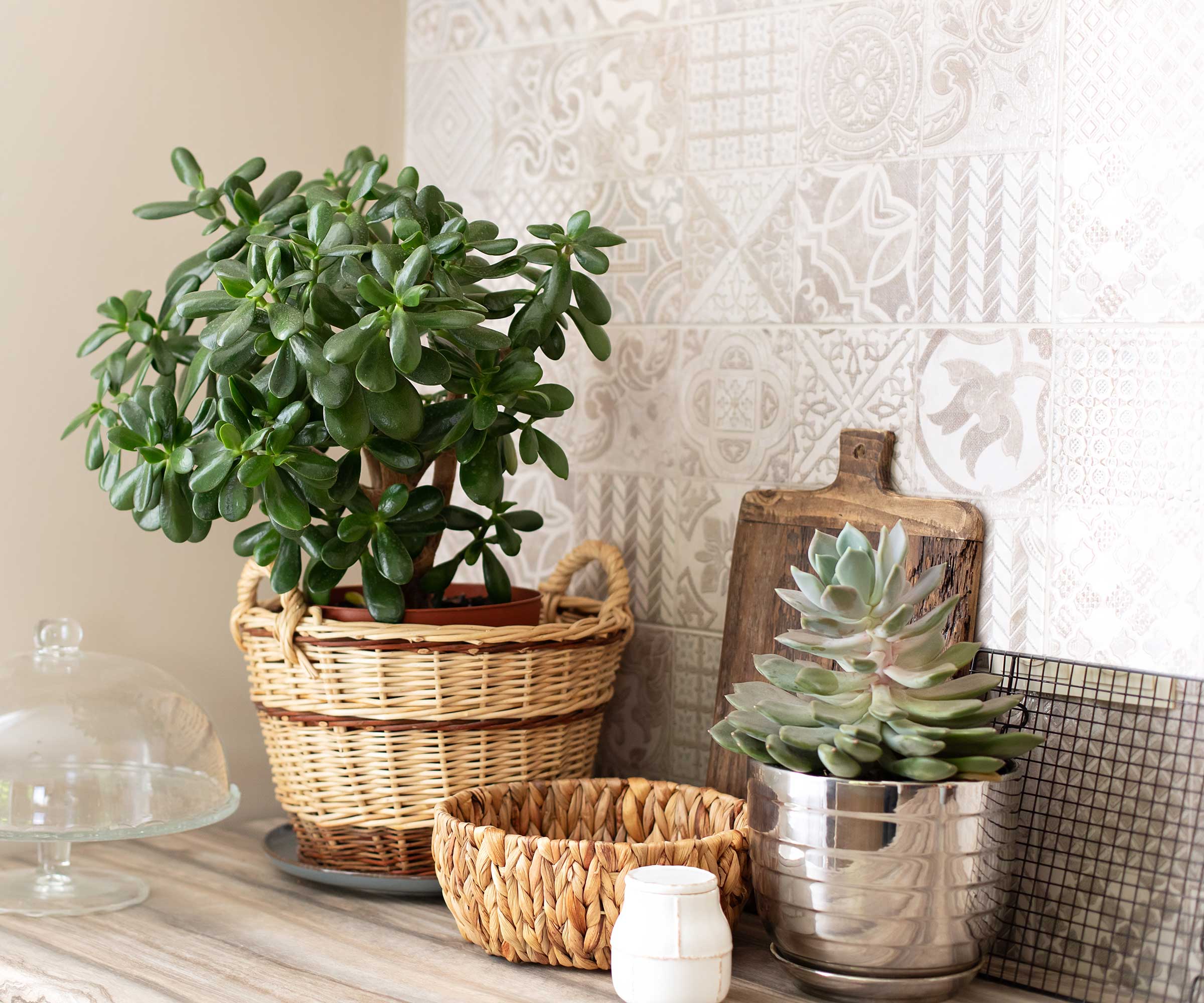
Watering routines that kept your jade plant plump and hydrated through the blistering heat of mid-summer can prove fatal in September. Because jade plants are succulents, they store moisture within their thick, fleshy leaves and stems.
As outdoor temperatures drop and indoor heating systems remain dormant, ambient humidity and evaporation rates shift. Soil retains moisture significantly longer in September than it does in July. If you maintain your summer watering frequency, the soil will remain damp for extended periods, suffocating the root system and paving the way for fatal root rot.
Smart Watering Practices for Autumn
To prevent overwatering, always allow the potting mix to dry out completely between watering sessions. Gardeners are encouraged to use a soil moisture meter to accurately gauge sub-surface dryness rather than relying solely on the appearance of the topsoil. Furthermore, adopting the "bottom watering" method—placing the nursery pot in a basin of water and allowing the roots to drink upward—ensures thorough hydration without oversaturating the soil surface.
3. Inspect and Protect Against Autumn Pests
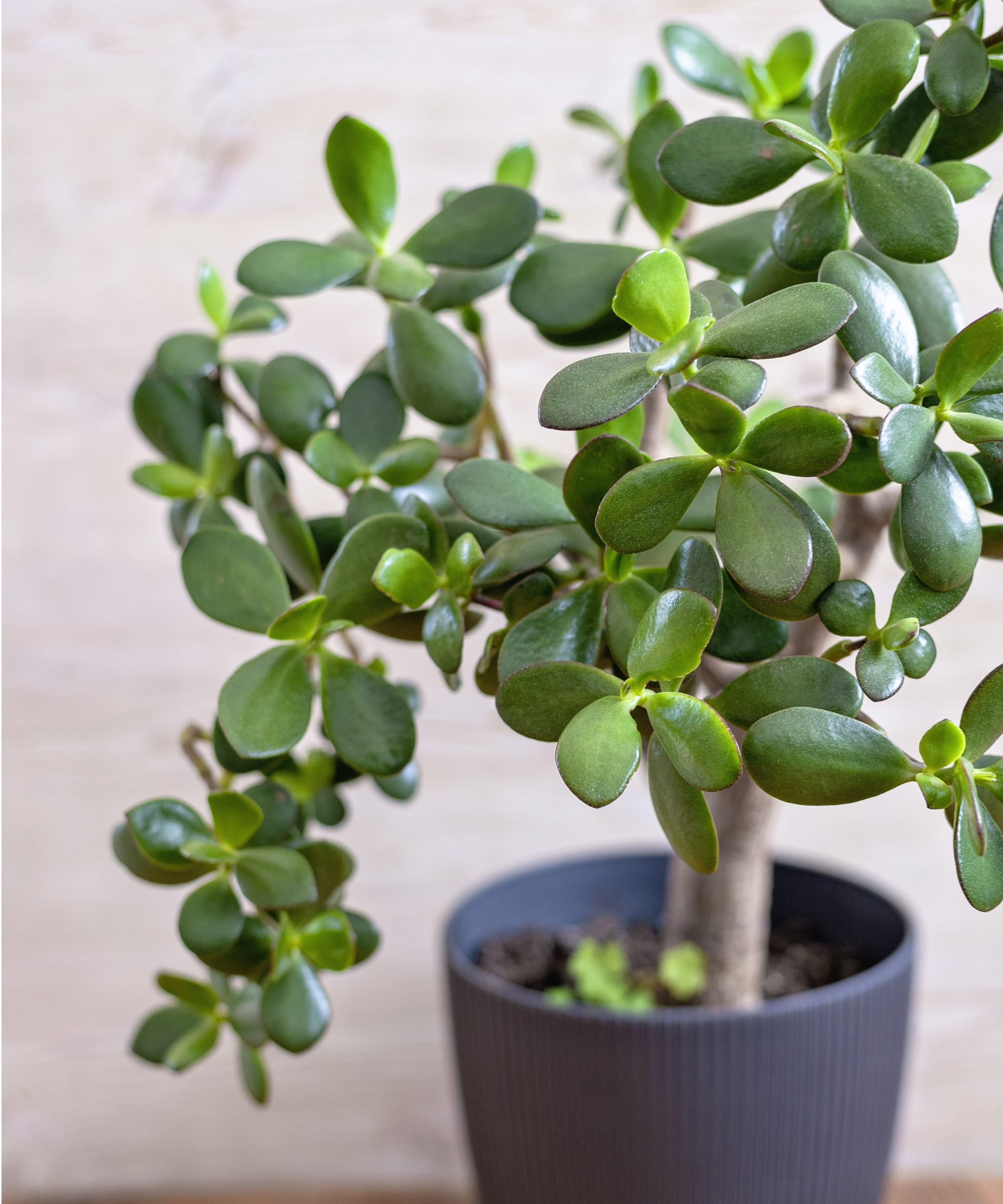
The transition indoors—or the subtle shift in indoor microclimates caused by closed windows and changing ventilation—often triggers a rise in houseplant pests. After a dry summer, September is a prime window to thoroughly inspect your jade plant for uninvited guests.
Mealybugs, scale insects, and spider mites thrive in warm, dry environments and can multiply rapidly if left unchecked. These sap-sucking insects target tender new growth and leaf axils, draining the plant’s vitality.
Natural Pest Management
To safeguard your collection:
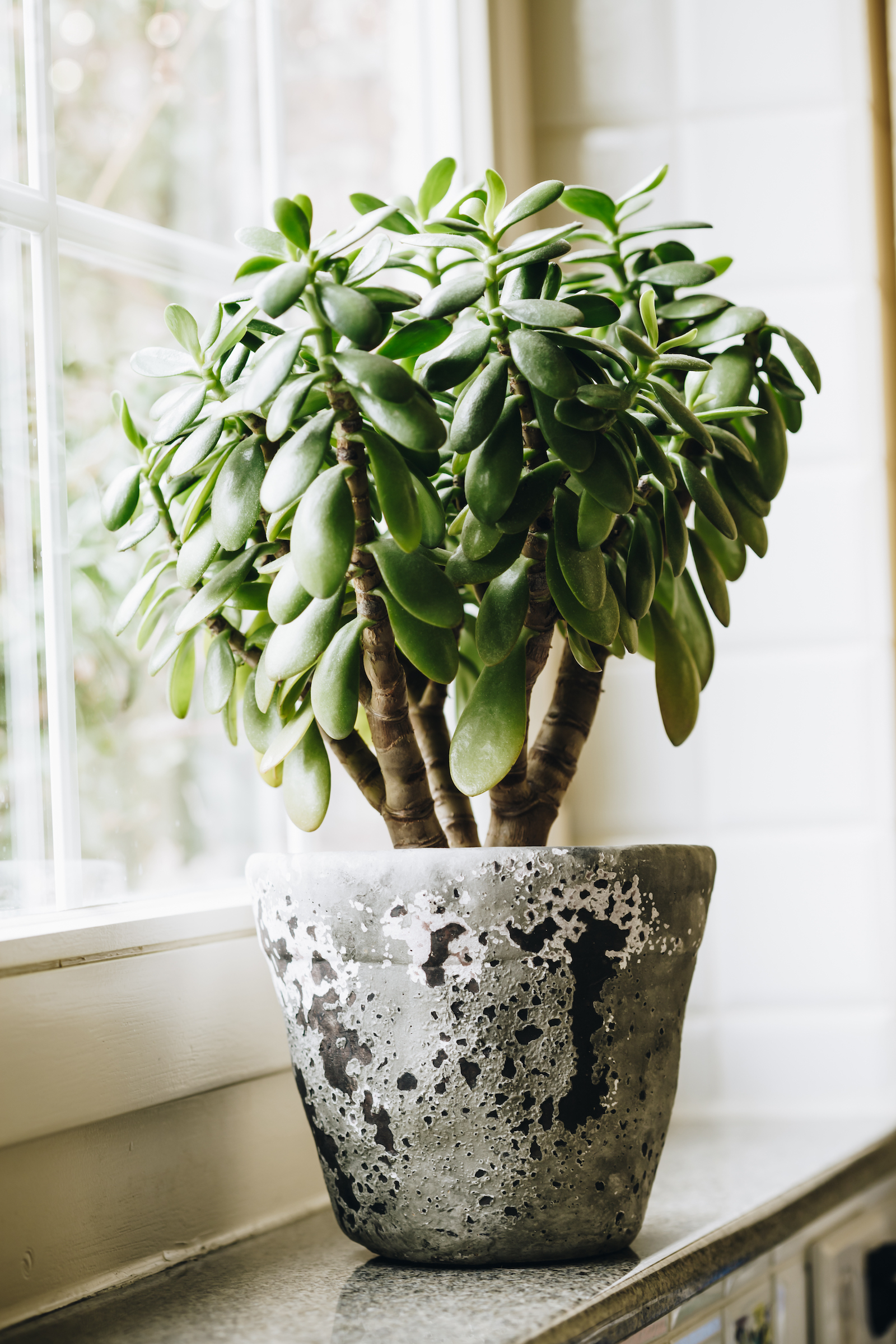
- Inspect the undersides of leaves and leaf joints regularly.
- Wipe down foliage using specialized microfiber dusting gloves to remove dust and deter pests.
- Apply organic neem oil as a preventative measure, which disrupts the life cycles of common pests and makes the foliage unpalatable to insects.
4. Halt All Fertilizing Until Spring
During spring and summer, jade plants experience an active growth phase that benefits greatly from supplemental feeding with essential plant nutrients. However, as September arrives and the plant prepares for its winter rest, fertilizing must come to a complete halt.
Applying fertilizer in autumn sends conflicting signals to the plant. Instead of hardening off for dormancy, the nutrients will stimulate a flush of tender, new growth. These weak, soft shoots are exceptionally poorly equipped to handle the cooler, darker conditions of winter and will likely wither, draining the plant’s stored energy reserves. Furthermore, because roots absorb nutrients at a much slower rate in autumn, lingering chemical fertilizers can burn the root system and oversaturate the soil, leading to leaf drop and structural decline. Save your specialized succulent and cactus fertilizers for early spring, when natural growth resumes.
5. Propagate Your Jade Plant While the Weather Holds
September offers a final sweet spot for plant propagation. The lingering warmth combined with moderate daylight hours creates a biological window that strongly encourages root development before winter dormancy fully sets in.
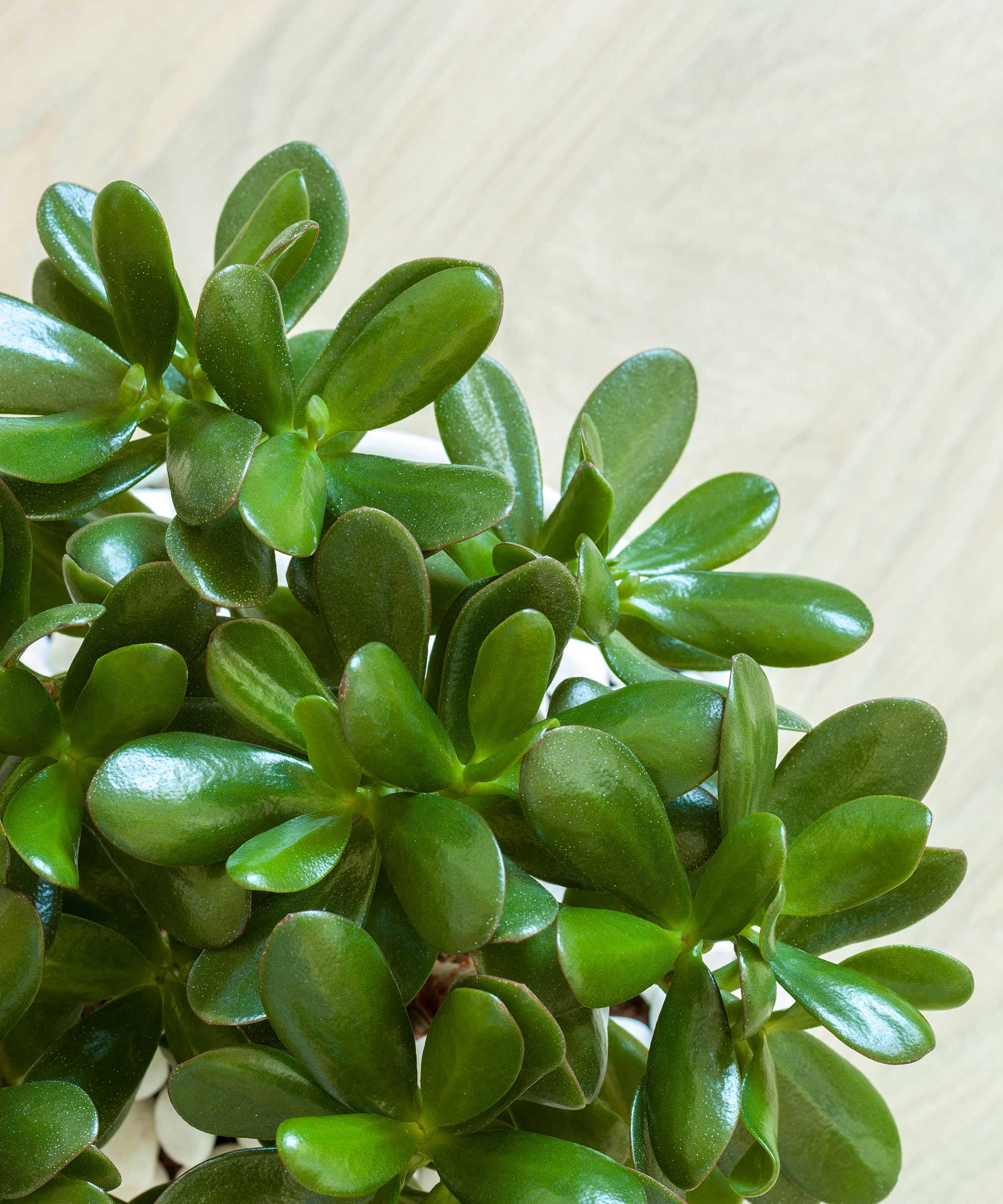
Step-by-Step Autumn Propagation
- Select a Cutting: Use clean pruning snips to take a 3-to-4-inch stem cutting from a healthy parent plant. Always make your cut just below a leaf node, as this is where embryonic root cells are concentrated.
- Allow to Callus: Place the cutting in a warm, dry spot out of direct sunlight for a few days until the cut end forms a protective callus. This prevents rot when the stem is introduced to soil.
- Plant and Root: Dip the callused end into rooting hormone powder to accelerate root growth, then plant it in a well-draining succulent potting mix. Keep the cutting on a warm, bright windowsill and water sparingly until a strong root system establishes.
Troubleshooting and Seasonal Maintenance
As you navigate the autumn transition, monitor your jade plant closely for stress signals. If you notice your jade plant dropping leaves in the coming weeks, it is frequently a symptom of watering irregularities—either severe drought or the early stages of root rot. Additionally, if your plant has outgrown its current vessel, early autumn remains an acceptable, albeit secondary, window to repot your jade plant before winter sets in.
By adjusting your care routine to mirror nature’s seasonal cues, you will ensure your jade plant not only survives the colder months ahead but emerges next spring stronger, healthier, and ready to thrive.
