

Introduction
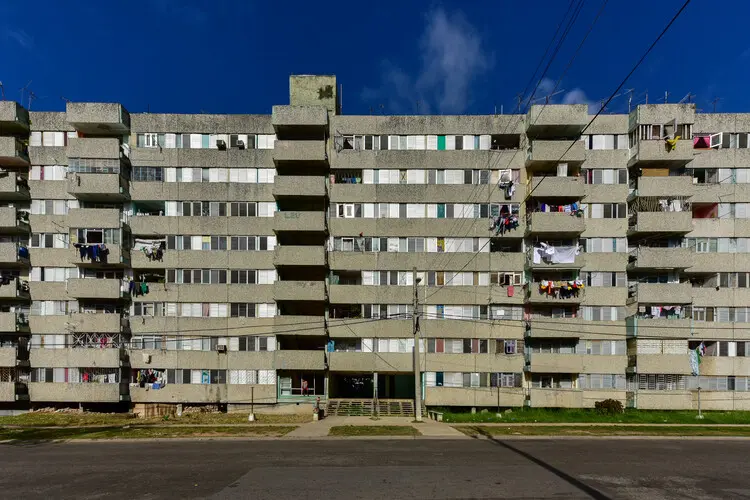
In the architectural and urban history of the 20th century, few experiments match the scale, ambition, and social radicalism of Cuba’s Microbrigadas (microbrigades) housing program. Launched in the 1970s to combat an acute nationwide housing shortage, the initiative fundamentally reimagined how cities could be built. Instead of relying exclusively on traditional, professional construction conglomerates, the Cuban government mobilized ordinary office workers, factory operators, teachers, and mechanics, dispatching them directly to construction sites.
Supported by state-backed technical guidance, these citizen-builders erected entire neighborhoods, most notably the sprawling eastern Havana district of Alamar. The legacy of the microbrigades is a landscape defined by concrete, repetition, and a uniquely collective ethos—one that continues to shape the physical fabric of Cuba’s capital and provoke intense debate among urban planners, sociologists, and architects worldwide.
Main Facts
The Microbrigadas program was an emergency measure born out of severe socioeconomic and demographic pressures. By the early 1970s, Cuba was grappling with a multi-faceted housing crisis driven by rapid population growth, significant rural-to-urban migration toward Havana, and the progressive deterioration of existing colonial and pre-revolutionary housing stock.
The core mechanics of the program relied on a novel social contract:
- The Labor Swap: Workplaces across Cuba formed "microbrigades" by temporarily reassigning employees from their daily tasks (administrative, industrial, or educational) to full-time construction crews.
- The Backfill System: To prevent economic stagnation in the sectors losing workers, the remaining colleagues at the factories and offices absorbed the workload of the absent staff, effectively maintaining production levels through internal reorganization—a process known as esfuerzo colectivo (collective effort).
- Professional Oversight: While the labor force was amateur, the structural integrity of the projects was safeguarded by the state. Small teams of professional architects, structural engineers, and master builders were assigned to each site to train the workforce, enforce safety standards, and direct the overall urban planning.
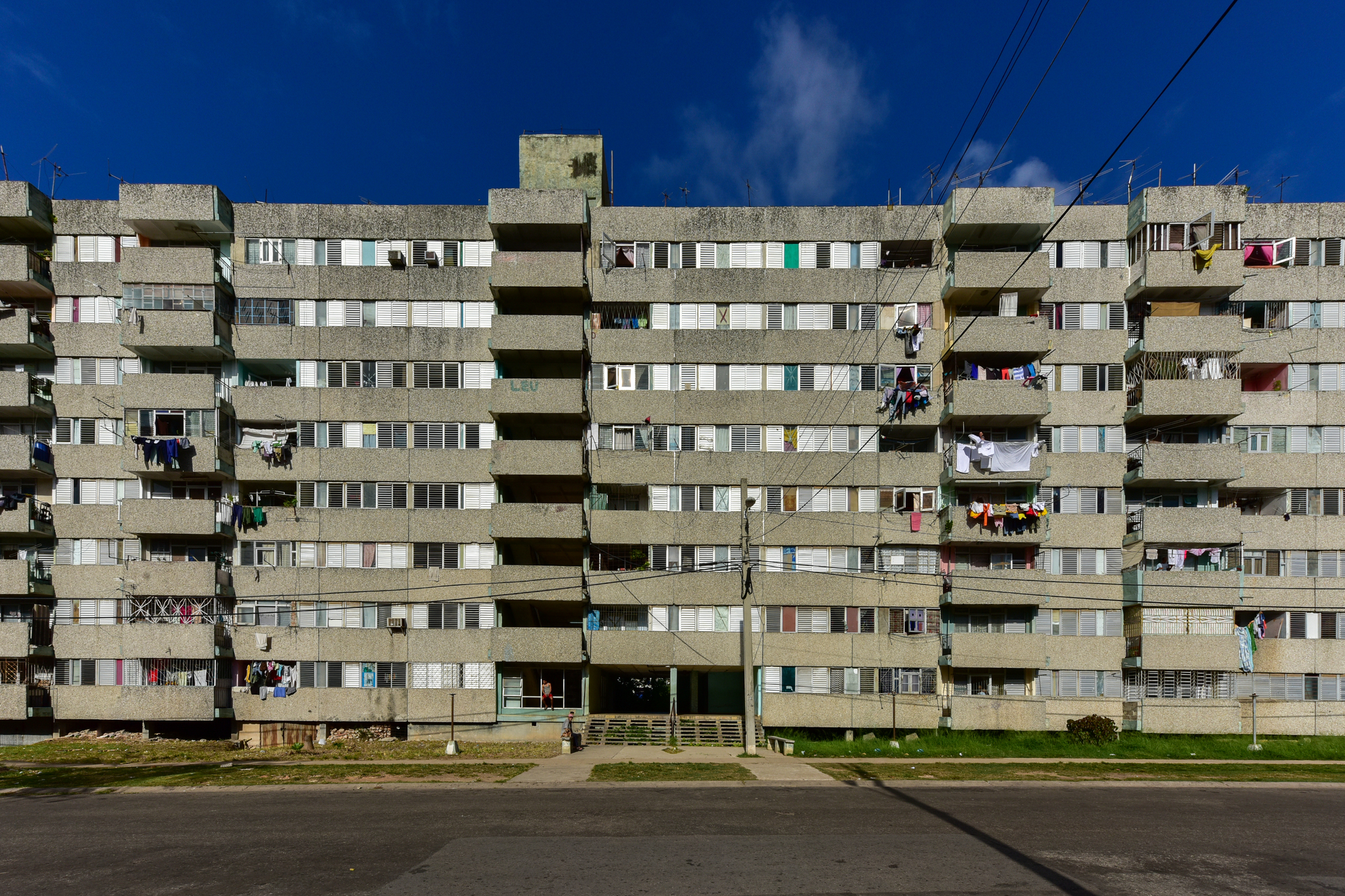
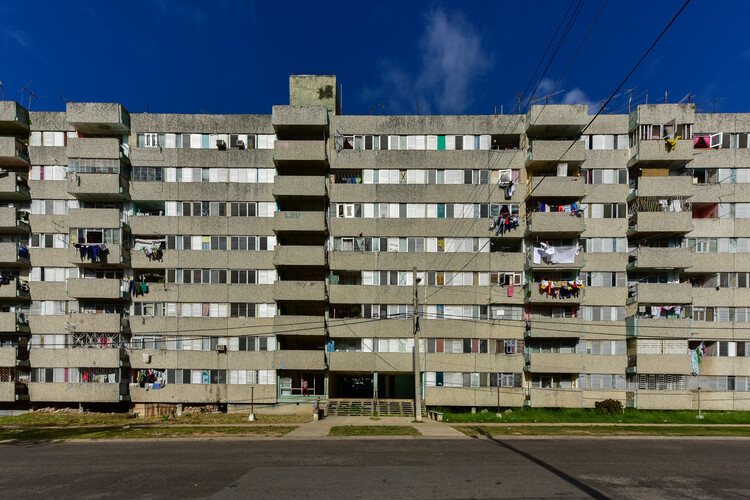
- Prefabrication and Standardization: Influenced heavily by Soviet-bloc planning models, the program heavily utilized precast concrete panels and modular construction systems to maximize speed and efficiency, transforming open fields into dense residential neighborhoods in remarkably short timeframes.
Chronology of the Program
The evolution of the Microbrigadas program occurred in distinct historical phases, reflecting Cuba’s changing economic fortunes and political landscapes.
1. Pre-1970s: The Roots of the Crisis
Following the 1959 revolution, the Cuban government initially focused on agrarian reform, rural housing, and reducing urban rents. However, by the late 1960s, Havana’s population density reached critical thresholds. Existing housing stock was severely overburdened, and traditional construction methods proved entirely inadequate for the scale of the demand.

2. 1971–1974: Inception and the Rise of Alamar
The microbrigade system was officially institutionalized in 1971 under the guidance of political leadership and urban planners who sought a grassroots solution to the housing deficit. The program’s greatest test—and its most enduring monument—was the creation of Alamar, a satellite city located east of Havana’s historic center. Designed to house tens of thousands of workers, Alamar quickly transformed from a coastal agricultural area into a vast laboratory of precast concrete apartment blocks, schools, parks, and basic infrastructure.
3. The 1980s: Stagnation and the "Microbrigadas Sociales"
By the early 1980s, the initial momentum of the program slowed due to bureaucratic fatigue, resource allocation challenges, and economic pressures. However, in the late 1980s, the program experienced a resurgence rebranded as Microbrigadas Sociales (Social Microbrigades). This iteration expanded the scope of construction beyond housing to include critical social infrastructure, such as day-care centers, polyclinics, schools, and hospitals, addressing the functional needs of the previously built residential zones.
4. 1990s–Present: The Special Period and Lasting Legacy
The collapse of the Soviet Union in 1991 plunged Cuba into the severe economic depression known as the Periodo Especial (Special Period). Access to heavy machinery, fuel, and imported precast concrete panels plummeted, effectively halting large-scale microbrigade construction. Despite the cessation of active mass-building phases, the neighborhoods built by the microbrigades—most notably Alamar—survived, evolving organically over decades as residents modified, maintained, and adapted their concrete homes to meet contemporary needs.
Supporting Data and Urban Metrics
Evaluating the microbrigades requires looking at both quantitative output and sociological impact:
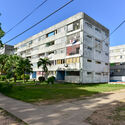
- Scale of Production: During its peak years in the 1970s and 1980s, microbrigades were responsible for constructing tens of thousands of housing units annually, representing a significant percentage of all new urban housing in Cuba during that era.
- Spatial Distribution: Alamar alone grew to accommodate over 100,000 residents at its peak, functioning almost as an independent city with its own internal transit networks, commercial zones, and educational facilities.
- Labor Demographics: Millions of hours of non-professional labor were logged by citizens who had never previously held a trowel or tied rebar, demonstrating an unprecedented level of civic mobilization.
- Material Efficiency: Relying on standardized Soviet-inspired panel-block systems (such as the Girón and Sandino prefabrication technologies adapted to the Cuban context), sites could assemble structural shells at speeds unattainable by traditional masonry methods.
Official Responses and Sociological Perspectives
The Microbrigadas program has long been a subject of intense debate among urban theorists, state officials, and the inhabitants themselves.
The State Perspective
From the perspective of Cuban officialdom, the microbrigades were viewed as a triumph of socialist solidarity and direct democracy. The program was designed not only to solve a material crisis of shelter but also to bridge the psychological and social divide between manual labor and intellectual or administrative work. By stepping into the mud of a construction site, bureaucrats and professionals were intended to gain a renewed appreciation for physical labor, while working-class families secured modern, state-subsidized apartments that they helped build with their own hands.
Architectural and Critical Reception
Architectural critics and urban sociologists offer a more nuanced view. On one hand, the program is praised for its radical egalitarianism and its practical success in providing roofs over hundreds of thousands of heads without relying on speculative real estate markets.
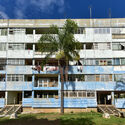
On the other hand, the aesthetic and urbanistic legacy has faced sharp critiques. The heavy reliance on rapid prefabrication led to visual monotony, concrete fatigue, and a lack of architectural diversity. Furthermore, because these new districts were frequently planted on the distant peripheries of Havana (such as Alamar), residents faced long, grueling daily commutes into the urban core, creating suburban-style commuter bottlenecks within a socialist framework. Over the decades, many of these standardized blocks have suffered from deferred maintenance due to economic constraints, highlighting the long-term challenges of sustaining prefabricated mass housing without robust industrial supply chains.

Implications for the Future of Urbanism
As contemporary cities worldwide grapple with unprecedented housing affordability crises, climate displacement, and the failures of purely market-driven real estate development, the legacy of Cuba’s Microbrigadas offers profound lessons.
The program demonstrates that large-scale community mobilization can successfully address fundamental human needs when backed by structured technical support and a collective vision. At the same time, it serves as a cautionary tale regarding the limits of standardization, the importance of long-term material maintenance, and the necessity of integrating peripheral housing developments with urban economic cores.

Decades after the first concrete panels were hoisted into place in Alamar, the microbrigades remain a towering, complex monument to an era when a society attempted to build its physical future through the literal, collective sweat of its own people.
