

As the vibrant canopy of summer slowly gives way to the crisp, amber tones of autumn, homeowners face a familiar seasonal dilemma. While the thinning foliage brings welcome light into the home, it also strips away the natural screens that kept backyards private during the warmer months. Suddenly, yards that felt like secluded retreats become exposed to neighboring properties, creating an unwelcome "fishbowl" effect just as homeowners want to enjoy a quiet afternoon read or an evening cookout.
For those who value an open, airy aesthetic, traditional privacy fences are often out of the question. Solid wood or vinyl fences can feel claustrophobic, boxing in a yard and disrupting the natural flow of a landscape. Fortunately, landscape architects and garden designers emphasize that fencing is not the only solution. By implementing smart, nature-forward design choices—ranging from strategic evergreen layering to versatile architectural structures—homeowners can successfully reclaim their outdoor sanctuaries without sacrificing openness.
Main Facts: The Autumn Privacy Dilemma and Natural Solutions
The transition from summer to fall exposes a critical flaw in many residential landscaping plans: an over-reliance on deciduous trees and shrubs. Because deciduous plants drop their leaves as temperatures drop, yards lose their primary defense against prying eyes precisely when people spend crisp autumn days outdoors.
To combat this seasonal exposure without building solid perimeter walls, landscape professionals recommend a multi-tiered approach:
- Strategic Evergreen Integration: Utilizing year-round foliage to maintain unbroken visual barriers.
- Architectural Elements: Installing trellises, pergolas, and decorative screens for immediate privacy.
- Layered Planting Design: Combining tall trees, medium shrubs, and foreground flower beds to obstruct sightlines at every elevation.
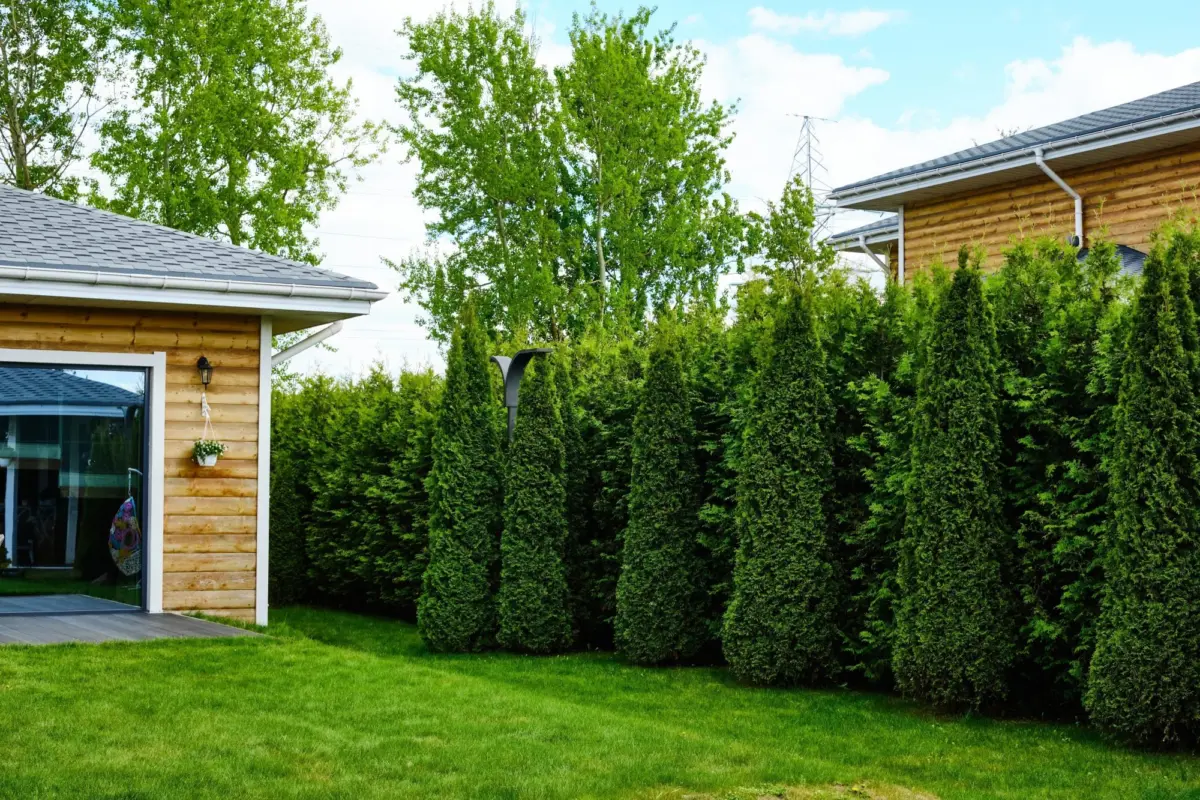
"The best way to create privacy from a design standpoint is to select evergreen trees strategically for their height and to create a layered privacy barrier," notes Ward Dilmore, founder and head landscape designer at Petrus Landscaping in San Francisco, California. By moving away from rigid, one-size-fits-all fencing and embracing dynamic living and architectural elements, homeowners can craft an outdoor space that is both secluded and inviting.
Chronology: From Summer Overexposure to Winter-Ready Landscapes
Understanding how to secure yard privacy requires looking at the seasonal lifecycle of a garden and timing interventions correctly.
Late Summer: The Warning Signs
As late August approaches, savvy gardeners notice where the canopy begins to thin. This is the optimal planning window. Observing sightlines from upper-story windows or neighboring properties helps identify vulnerable zones before the leaves completely fall.
Early to Mid-Autumn: The Planting Window
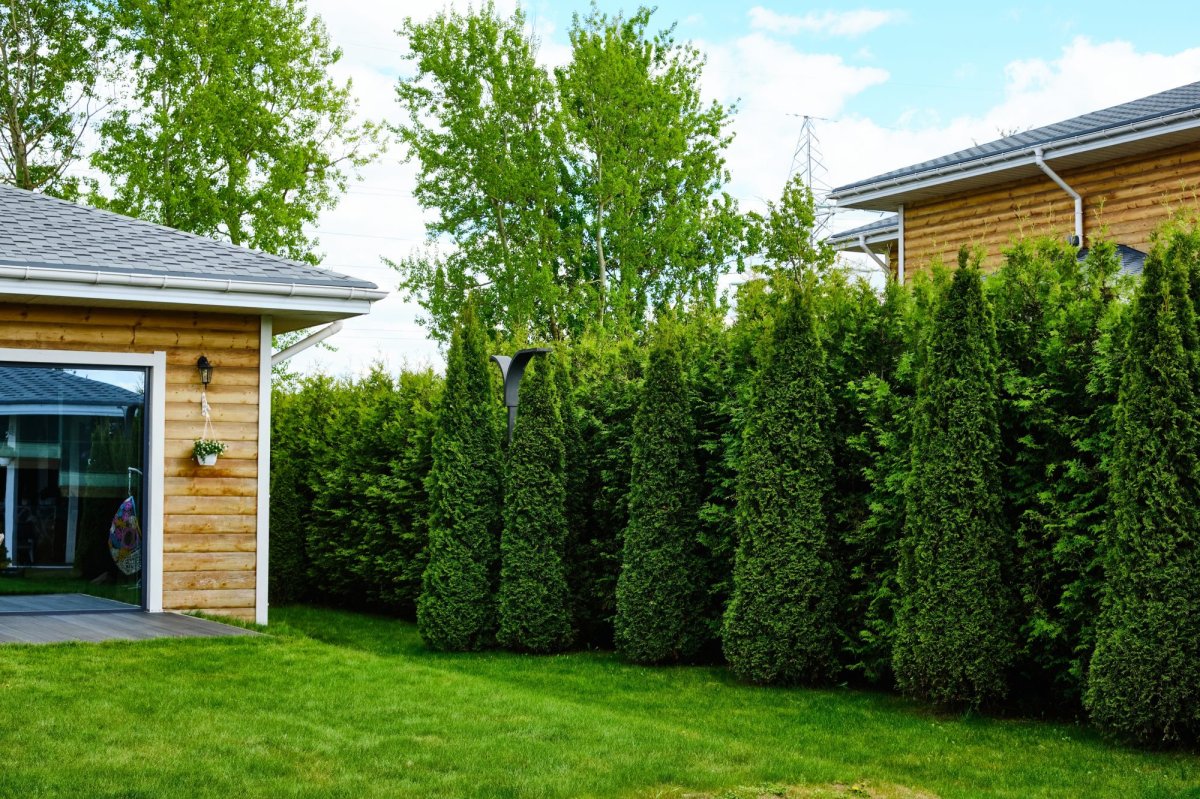
Autumn is widely considered the best time of year to plant trees and shrubs. Soil temperatures remain warm, encouraging root growth before the ground freezes, while cooler air temperatures reduce transplant shock. Implementing Dilmore’s advice during this period—planting large evergreen trees followed by mid-level shrubs—ensures the plants establish a strong foundation ahead of winter.
Late Autumn to Winter: Structural Integration and Immediate Fixes
If waiting for trees to grow is not an option, late autumn is the ideal time to erect architectural solutions. Installing pergolas, standalone trellises, or metal privacy screens provides immediate relief from exposed views. Climbers and evergreen vines planted at the base of these structures will take root and weave through the framework by the following spring.
Supporting Data and Professional Insights: Choosing the Right Flora and Structures
Designing a natural privacy screen is both a science and an art. Industry experts emphasize that plant selection must be tailored to regional climates and specific yard dimensions.
1. Selecting Evergreen Trees and Plants
To prevent the dreaded winter fishbowl effect, evergreen varieties are non-negotiable. Mirela Bajic, senior garden designer at House Designer in London, England, highlights several resilient options: "Varieties like juniper, holly, boxwood, cypress, and laurel arborvitae are great choices."
Geographic context matters significantly when sourcing plants:
- East Coast: Homeowners frequently rely on dense conifers such as spruces, pines, and firs to block multi-story sightlines.
- Western United States: Designers lean toward oaks, redwoods, English laurels, and pittosporum to maintain lush, green boundaries.
2. The Power of Layered Landscaping
A common mistake in DIY privacy design is planting a single straight line of identical trees, which can look stark and unnatural. Ward Dilmore advocates for a dynamic, multi-tiered approach.
"For a layering effect, it’s best to start with your large privacy trees," Dilmore recommends. These can be arranged in staggered single or double rows depending on available square footage. "Then select a large shrub to plant in front of your evergreen trees, which will provide privacy at eye level." Finally, low-growing perennial garden beds can be layered at the very front, softening the transition from lawn to boundary.
3. Trellises, Pergolas, and Architectural Screens
When immediate results are required, living plants must be paired with or temporarily replaced by structures.
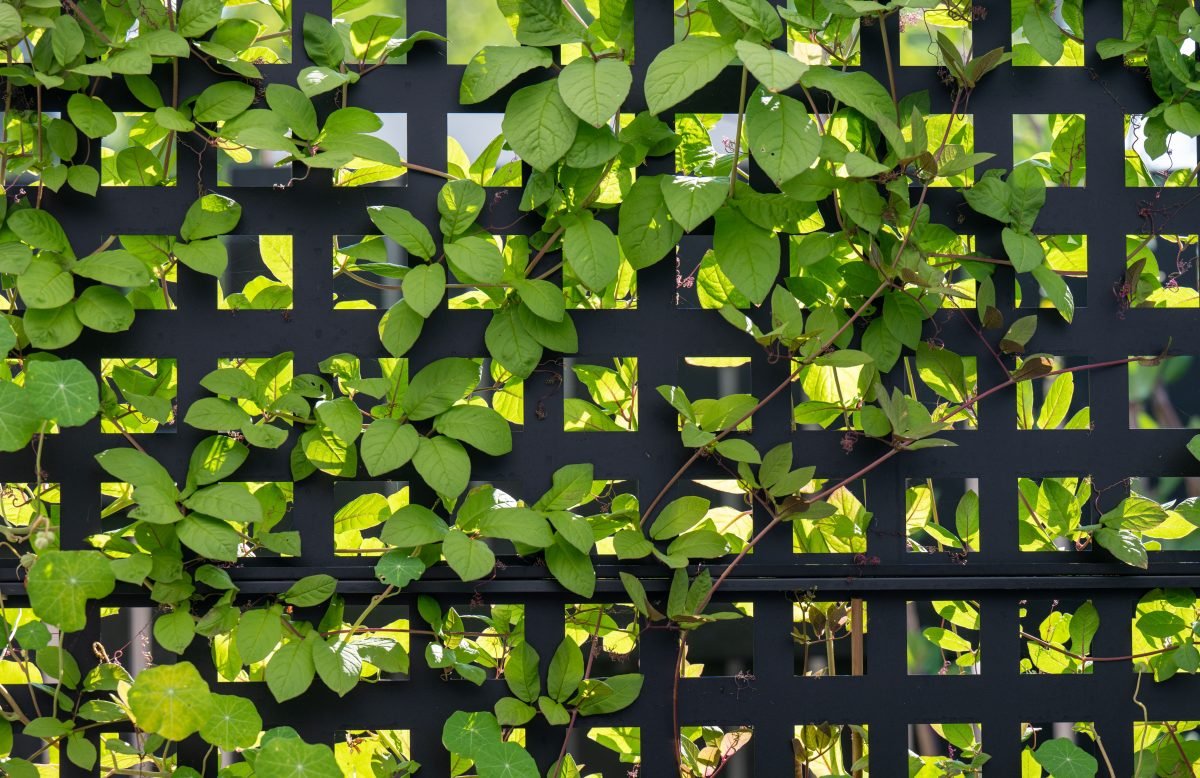
- Trellises: Featuring wooden frames with grids made of wire mesh, bamboo, or interwoven slats, trellises block direct sightlines while letting sunlight and breezes filter through. They can stand independently or anchor to existing walls.
- Pergolas: Open-air structures consisting of posts, beams, and rafters. For optimal privacy, homeowners can opt for models featuring integrated side slats or drape them with outdoor curtains and climbing vines.
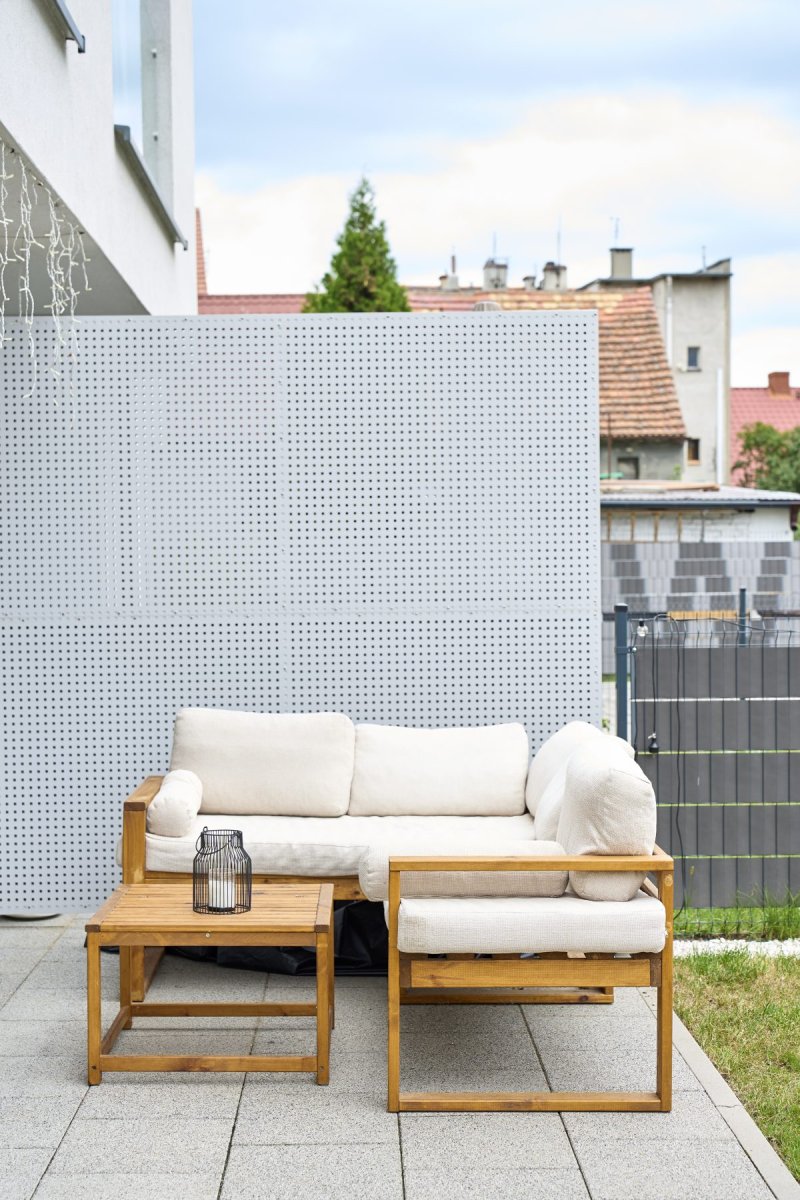
- Standalone Screens: Crafted from wood, metal, or upcycled materials, modern privacy screens offer incredible versatility. Many models feature built-in planters (creating a "living wall") or sit on casters, allowing homeowners to reconfigure their private zones on demand.
Official Responses and Environmental Implications
Beyond the immediate comfort of keeping neighbors out of sight, embracing natural and architectural backyard privacy methods yields profound environmental and psychological benefits.
Urban and suburban landscape boards increasingly encourage green infrastructure over solid wooden fencing. Dense evergreen barriers act as natural windbreaks, reducing home heating costs during chilly autumn and winter months by buffering cold drafts against exterior walls. Furthermore, integrating evergreen trees and flowering vines provides crucial late-season habitats and shelter for local pollinators, birds, and beneficial insects as natural woodlands recede for the winter.
Psychologically, studies in environmental psychology consistently demonstrate that natural barriers—such as living hedges and vine-covered trellises—lower cortisol levels and enhance feelings of relaxation more effectively than rigid, industrial boundaries. By filtering views rather than completely blocking them off with harsh walls, homeowners maintain a connection to the greater outdoor environment, fostering a sense of peace and expansive tranquility.
Implications: Transforming Your Outdoor Living Experience
The shift toward natural, layered backyard privacy redefines how outdoor spaces are utilized during the cooler months of the year. Instead of retreating indoors the moment summer fades, homeowners who invest in evergreen plantings and architectural screens find themselves equipped to enjoy their yards year-round.
Ultimately, solving the autumn foliage privacy challenge is about balance. By thoughtfully combining the slow, enduring grace of evergreen trees with the immediate functionality of trellises and privacy screens, homeowners can protect their personal space without sacrificing the open, breathable charm that makes a backyard feel like a true sanctuary.
