


WASHINGTON — For generations, commercial agriculture has relied on a foundational rule of thumb: soil is never meant to lie bare. While industrial farmers have long practiced planting non-commodity vegetation between growing cycles to prevent nutrient leaching, home gardeners are increasingly adopting these same regenerative techniques.
Often referred to as "green manure" or living mulch, cover crops are emerging as an essential strategy for backyard growers, urban farmers, and suburban homesteaders looking to restore depleted earth. By planting specific seeds in the late summer or fall, gardeners can shield their plots from wind and water erosion, suppress persistent weeds, and supercharge their soil with organic matter just in time for the spring planting season.
The Core Mechanics: Main Facts About Cover Crops
Cover crops are plants specifically cultivated to enhance soil health and structure, rather than to yield a harvestable food crop or provide ornamental landscaping. According to agronomic and horticultural experts, leaving garden soil exposed to the elements over the winter months leads to a phenomenon known as nutrient leaching, where vital minerals like nitrogen and phosphorus are washed away by rain and snowmelt. Furthermore, bare soil is structurally vulnerable to compaction from heavy rainfall and wind erosion.
The primary function of a cover crop is to intercept these destructive forces. By blanketing the garden bed with active root systems, these plants anchor the earth in place. When spring arrives, the cover crops are typically cut down and tilled—or allowed to decompose naturally in no-till systems—directly into the topsoil. This process, known as green manure, introduces vital biomass, improves water retention, and reintroduces essential nutrients back into the ecosystem naturally.
Unlike traditional ground covers, which are selected for aesthetics or permanent weed control in decorative landscapes, cover crops are seasonal workhorses. They generally fall into three distinct botanical categories:
- Legumes: Plants like clovers and vetches that form symbiotic relationships with soil bacteria to pull nitrogen straight from the air and fix it into the soil.
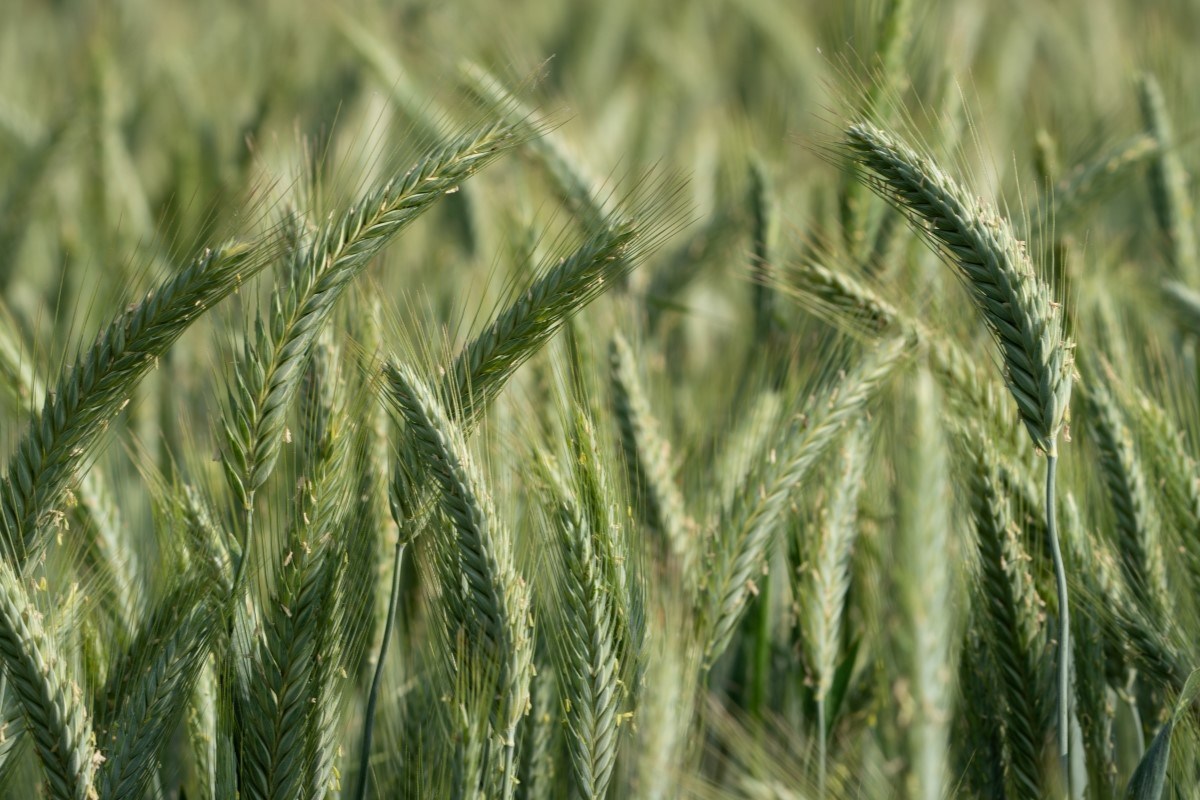
- Grains: Annual grasses like winter rye and oats featuring massive root networks that excel at capturing residual nutrients and stopping erosion.
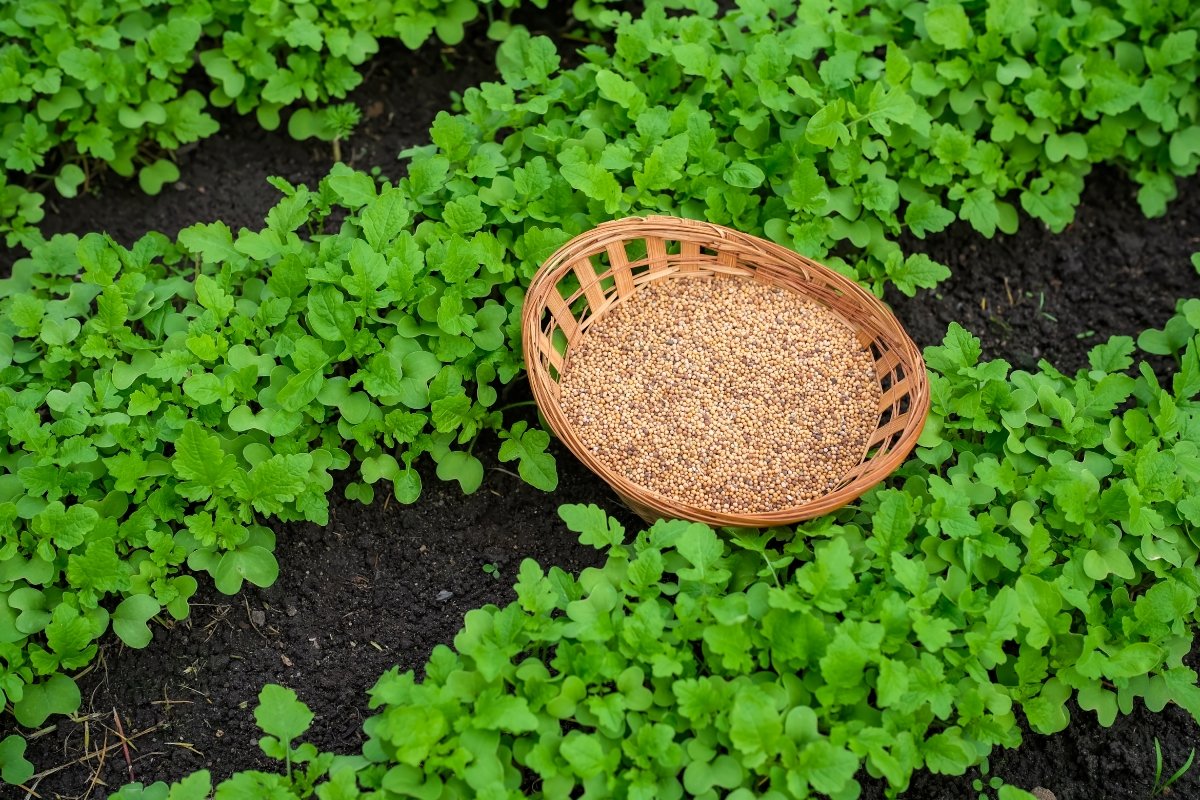
- Broadleaves: Fast-growing plants like radishes and buckwheat that use deep taproots to break up compacted subsoils and scavenge for locked nutrients.
A Seasonal Timeline: The Chronology of Cover Cropping
Implementing a cover crop system requires strategic timing to ensure the plants establish themselves before the onset of extreme weather, yet do not set viable seeds that could turn the cover crop into an unwanted garden weed.
1. Late Summer to Early Fall (The Prime Sowing Window)
For the vast majority of North American growing zones, late summer through mid-November serves as the ideal window for planting winter cover crops. As soon as traditional warm-season vegetables—such as tomatoes, peppers, and squash—finish producing and are cleared from the garden, the soil becomes available. Gardeners gently rake the surface to create a suitable seedbed and broadcast seeds before the first hard autumn frost.
2. Winter Dormancy and Protection
During the coldest months of the year, hardy cover crops like winter rye, hairy vetch, and daikon radishes enter a state of slow growth or dormancy, acting as a living blanket. Their roots hold the soil matrix together, preventing freeze-thaw cycles from destroying soil aggregates and stopping winter winds from blowing away precious topsoil.
3. Early Spring Termination and Decomposition
As temperatures begin to climb in the early spring, cover crops experience a surge of rapid vegetative growth. Gardeners must carefully monitor this period. The golden rule of cover crop management is termination: the plants must be cut, mowed, or chopped before they produce mature flower heads and seeds. Once terminated, the plant matter is lightly tilled into the soil or left on the surface as a protective mulch layer, breaking down over a period of 2 to 4 weeks to release a rich cocktail of organic nutrients just as spring seedlings are ready to be planted.
Supporting Data: The 8 Best Cover Crops for Home Gardens
Selecting the right cover crop depends heavily on your region’s climate, soil composition, and specific nutritional deficiencies—which can be easily identified using a basic at-home soil test kit. Horticultural trials highlight eight standout choices for home garden applications:
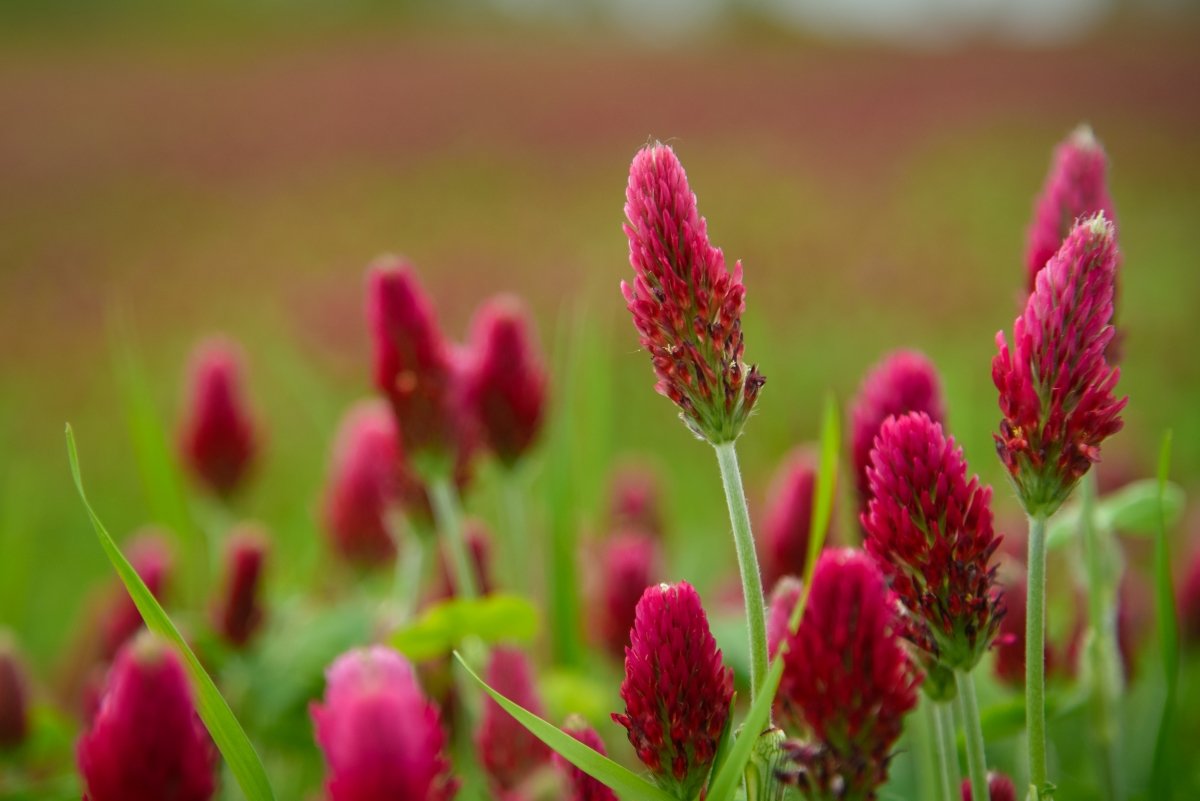
1. Crimson Clover (Trifolium incarnatum)
- Classification: Legume
- Best For: Injecting high amounts of nitrogen into spring garden beds while producing striking red flowers that draw in beneficial pollinators like bees and ladybugs.
- When to Plant: Late summer through mid-November for winter coverage, or early spring for targeted weed control.
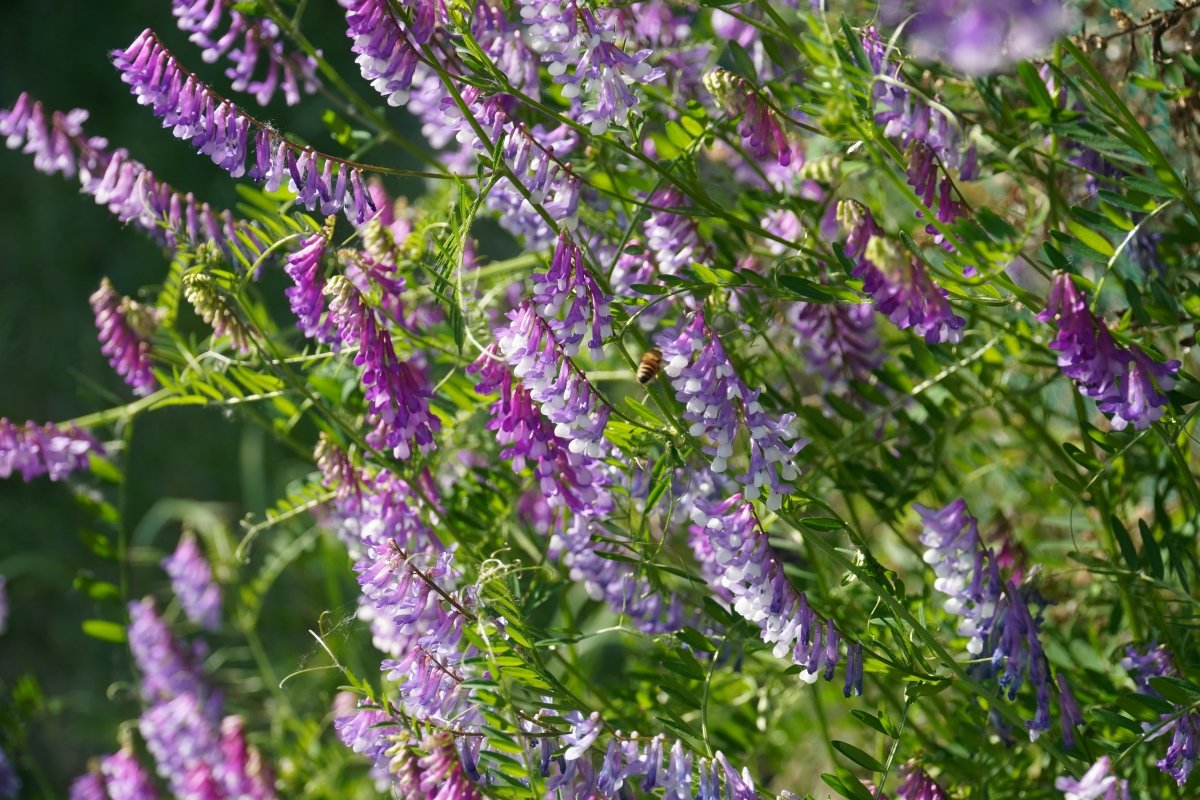
2. Hairy Vetch (Vicia villosa)
- Classification: Legume
- Best For: Extreme cold-hardiness (thriving down to USDA Zone 4) and producing sprawling 5-foot vines that aggressively smother weeds and anchor vulnerable soil.
- When to Plant: Midsummer to early fall for winter protection. (Note: Cut back promptly before seed set to prevent invasiveness).
3. Winter Rye (Secale cereale)
- Classification: Grain / Grass
- Best For: Windy coastal regions and sandy or clay-heavy soils lacking structural integrity. Its expansive root network is unmatched at halting wind and water erosion.
- When to Plant: Late summer or fall (typically mid-October to mid-November).
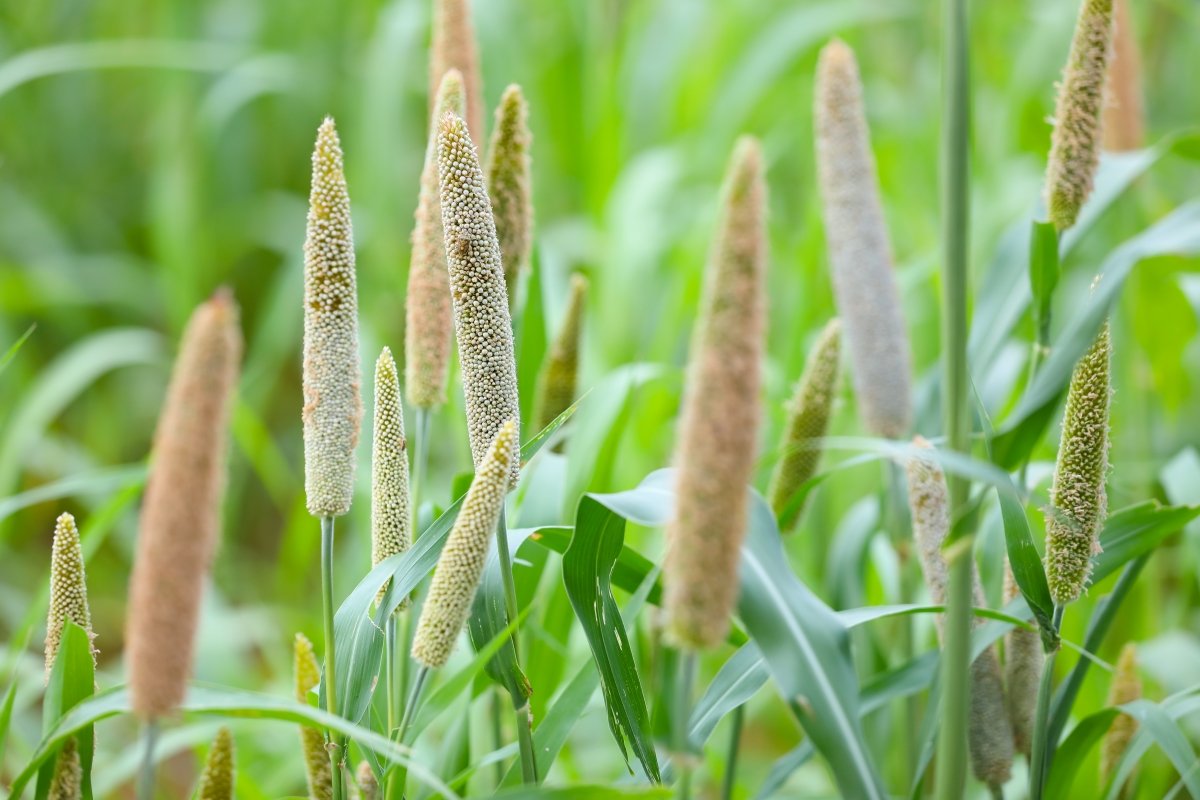
4. Pearl Millet (Pennisetum glaucum)
- Classification: Grain / Grass
- Best For: Scorching summer conditions where traditional garden vegetables struggle. It fights soil compaction and thrives in low-water environments.
- When to Plant: May through early August, once soil temperatures have thoroughly warmed.
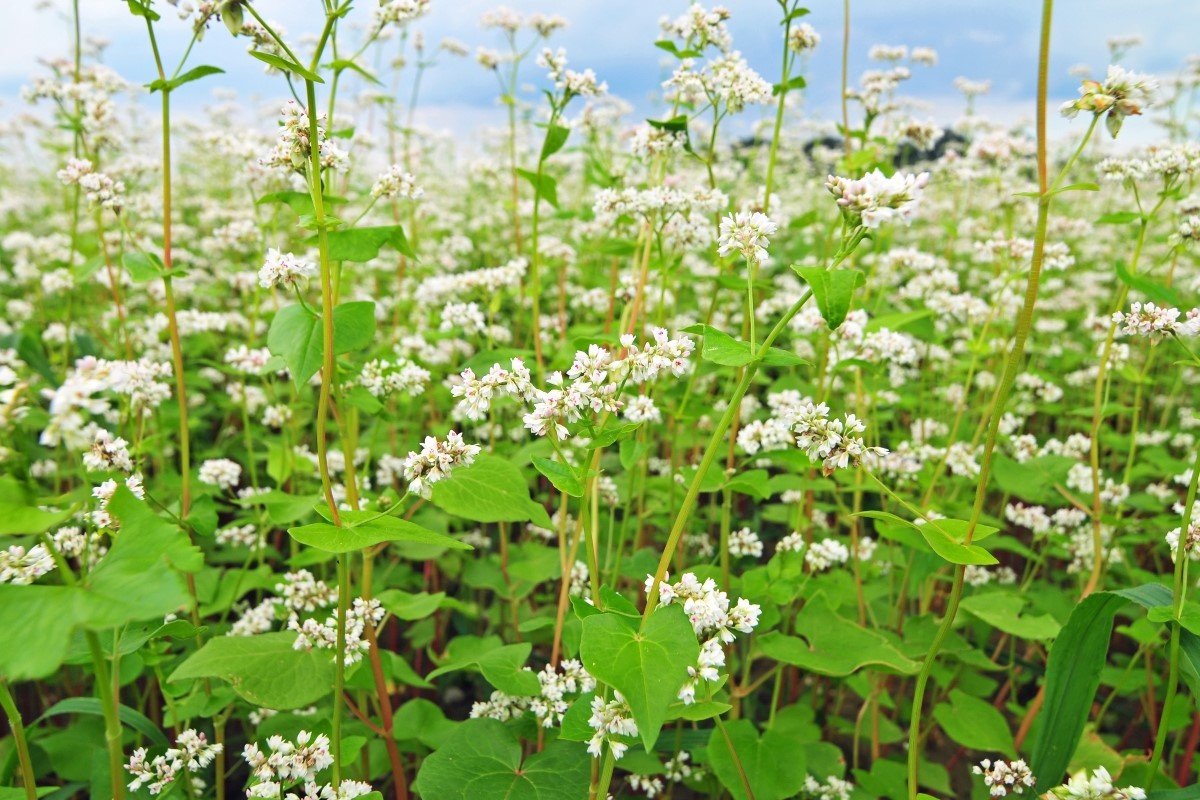
5. Buckwheat (Fagopyrum esculentum)
- Classification: Broadleaf
- Best For: Unlocking bound phosphorus in the soil to stimulate root growth in subsequent crops. It matures rapidly in just 70 to 90 days.
- When to Plant: Spring (once soil hits 55°F) or midsummer in milder climates.
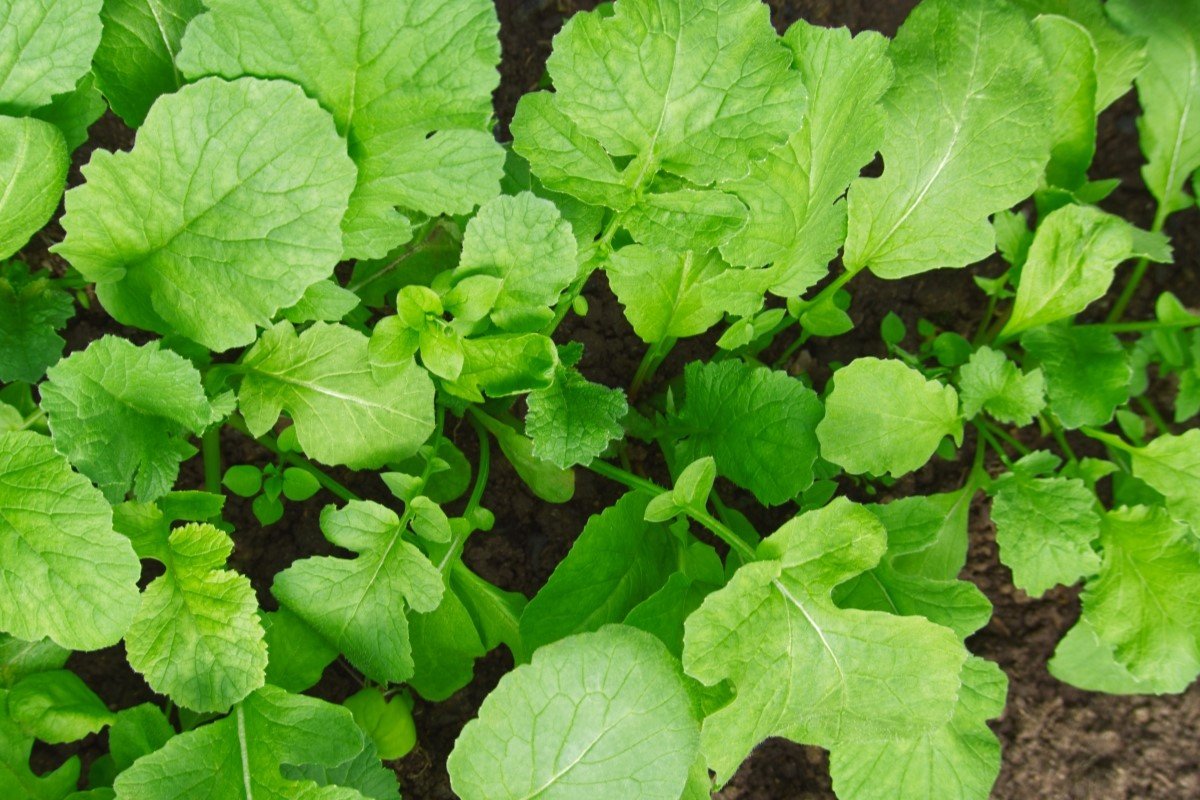
6. Daikon Radish (Raphanus sativus Longipinnatus)
- Classification: Broadleaf / Brassica
- Best For: De-compacting dense or clay-heavy soils. The plant features a massive, thick taproot that drills deep into the earth, decaying over winter to leave natural aeration channels.
- When to Plant: Late summer or early fall, roughly 4 to 10 weeks before the first expected freeze.
7. No-Till Seed Mixes (e.g., Mountain Valley Seed Co. No-Till Mix)
- Classification: Multi-species Blend
- Best For: Beginners managing raised beds or container gardens who want immediate biodiversity without the guesswork of blending individual species.
- When to Plant: Late September for winter, or early spring as soils warm.
8. Peas and Oats Mix (e.g., Johnny’s Organic Blend)
- Classification: Legume and Grain Blend
- Best For: Low-maintenance organic gardening. The structural oats provide a natural trellis for the nitrogen-fixing peas, requiring minimal human intervention.
- When to Plant: Late summer to early fall for winter beds, or early spring for a warm-season rotation.
Expert Recommendations and Official Horticultural Perspectives
Agricultural extension offices and university-backed horticultural programs universally endorse the adoption of cover crops, shifting the narrative from chemical soil amendments to biological stewardship.
According to guidelines published by the Sustainable Agriculture Research and Education (SARE) program, urban and suburban gardeners who integrate green manures routinely report a notable reduction in synthetic fertilizer purchases. "When you feed the soil biology through diverse root exudates and green manures, the soil chemistry naturally balances out," notes Dr. Elizabeth Vance, an agronomist specializing in urban soil health. "Synthetic fertilizers provide a temporary spike in plant growth, but cover crops actually rebuild the physical and biological architecture of the earth."
Furthermore, environmental protection agencies frequently point to cover crops as a vital tool in mitigating residential runoff. By keeping root systems active year-round, home gardeners reduce the amount of excess nitrates and phosphorus washing into local municipal watersheds and storm drains.
Implications for the Modern Home Gardener
The mainstreaming of cover crops among backyard hobbyists signifies a broader cultural shift toward sustainable, regenerative horticulture. As commercial seed companies package professional-grade cover crop blends into manageable, consumer-friendly quantities, the barrier to entry has plummeted.
The implications for the everyday gardener are profound:
- Economic Savings: By naturally capturing nitrogen and recycling soil nutrients, gardeners can drastically cut back on expensive commercial fertilizers and chemical soil conditioners.
- Pest and Weed Management: Utilizing dense living mulches reduces the viability of weed seeds, cutting down on arduous hand-weeding come spring.
- Climate Resilience: Gardens enriched with organic biomass and diverse root structures hold moisture far more efficiently during summer droughts, protecting plant investments against increasingly erratic weather patterns.
Ultimately, shifting from a passive "empty plot" mindset to an active, year-round soil management philosophy transforms the backyard garden into a thriving, self-sustaining ecosystem.
