

By ACHR NEWS Special Report
For more than seventy years, the mechanical contracting and sheet metal fabrication sectors have undergone profound transformations. From the early days of manual layout and hand-riveted ductwork to today’s era of high-speed digital automation, precision pinspotters, and automated coil lines, the HVAC industry demands relentless efficiency. Navigating this evolution requires not just adapting to change, but actively anticipating the everyday operational challenges faced by shop fabricators and field installers.
Since its inception in 1952, Duro Dyne has established itself as an indispensable pillar of the sheet metal industry. Operating under the enduring banner of being "The Greatest Name in Sheet Metal Necessities," the company has spent decades engineering solutions designed to streamline workflows, optimize labor resources, and elevate installation reliability. By combining generational manufacturing experience with a collaborative approach to product development, Duro Dyne continues to shape how modern heating, ventilation, and air conditioning systems are built from the ground up.
Main Facts: The Core Pillars of Duro Dyne’s Industry Presence
At its foundation, Duro Dyne’s longevity is anchored in a diverse, specialized portfolio of products explicitly tailored to the needs of HVAC duct fabricators. The company’s core offerings span several critical categories essential to modern mechanical contracting:
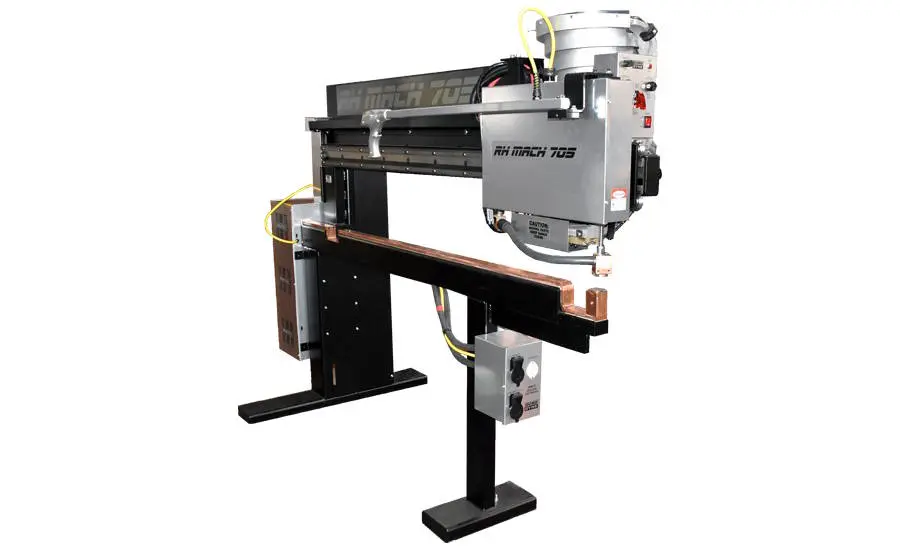
- Insulation Fastening Solutions: From advanced pinspotters—such as the Duro Dyne RH Mach705—to a comprehensive array of pins, welds, and fasteners, the company provides tools that ensure internal duct insulation is securely anchored to withstand high-velocity airflow without degrading over time.
- Flexible Duct Connections: Pioneering the materials and hardware necessary to isolate vibration and noise between equipment and duct runs, Duro Dyne’s flexible connections prevent mechanical harmonics from traveling through building structures.
- The Dyn-O-Mate System: A premier line of heavy-duty flange systems, corners, and cleat components designed to streamline transverse joint assembly, ensuring structural integrity and airtight performance across large-scale commercial duct systems.
- The Dyna-Tite Cable Suspension System: An innovative alternative to traditional threaded rod hanging methods, Dyna-Tite products offer rapid, tool-free vertical adjustments that dramatically reduce installation times for suspended ductwork and equipment.
- Labor-Saving Engineering: Central to the brand’s identity is the creation of field- and shop-tested solutions that reduce the hours required for complex assembly tasks, allowing contractors to complete projects safely, on schedule, and within tight budgetary constraints.
Chronology: A History of Evolution and Adaptability
To understand how Duro Dyne became synonymous with sheet metal essentials, it is necessary to trace the historical timeline of the company alongside the broader modernization of the HVAC trade.
The Post-War Boom and Foundation (1950s)
Founded in 1952 during the post-World War II commercial construction boom, Duro Dyne entered a market experiencing an unprecedented demand for centralized climate control systems. Early commercial buildings required vast networks of sheet metal ductwork to condition massive interior spaces. Recognizing that fabricators spent excessive time dealing with inefficient fastening methods and rigid connections, the company set out to invent products that simplified baseline assembly steps.
Industrial Expansion and Product Diversification (1960s–1980s)
As building codes evolved and energy efficiency became a central design criterion, duct insulation transitioned from an optional upgrade to a mandatory standard. During this period, Duro Dyne expanded its manufacturing capabilities, introducing specialized pinspotting technology and reliable insulation fasteners that allowed shop mechanics to apply liner rapidly and uniformly. Simultaneously, the company refined its flexible duct connector fabrics to withstand varying chemical exposures, temperatures, and static pressures.
The Rise of Engineered Systems and Standardization (1990s–2000s)
Entering the digital and pre-fabrication era, sheet metal shops began shifting toward automated plasma tables, coil lines, and standardized transverse joint systems. Duro Dyne responded by developing engineered product ecosystems like the Dyn-O-Mate flange system. These proprietary lines removed the guesswork from high-pressure duct fabrication, ensuring that joints met stringent leakage classifications under modern SMACNA (Sheet Metal and Air Conditioning Contractors’ National Association) standards.
Modern Automation and Advanced Fastening (2010s–Present)
Today, contemporary sheet metal shops face a persistent skilled labor shortage paired with escalating project expectations. In response, Duro Dyne continues to refine automated equipment lines, such as the high-performance RH Mach705 pinspotter, alongside labor-multiplying suspension systems like Dyna-Tite. By focusing heavily on ergonomics, speed, and safety, the company bridges the gap between traditional craftsmanship and modern automated production.
Supporting Data: The Economics of Efficiency in Sheet Metal Fabrication
To contextualize the impact of Duro Dyne’s product lines, industry data highlights the critical relationship between labor efficiency and mechanical contractor profitability. According to recent trade analyses within the HVAC manufacturing and contracting sectors, labor accounts for roughly 40% to 50% of the total cost of a commercial duct installation project.

- Labor Optimization: By utilizing rapid-fastening technologies—such as advanced pinspotting systems and the Dyna-Tite cable hanging system—contractors report labor time reductions of up to 50% for specific hanging and insulation tasks compared to legacy methods (e.g., traditional threaded rod assembly or manual pin welding).
- Material Waste Reduction: Precision-engineered hardware, including the Dyn-O-Mate transverse joint system, minimizes scrap rates by ensuring exact fits on the shop floor, thereby reducing the need for costly field modifications or rework.
- Energy Efficiency and Leakage Control: Modern high-pressure duct systems demand low leakage classes to meet strict energy codes (such as ASHRAE Standard 90.1). High-integrity fasteners and joint connectors ensure that conditioned air reaches its intended destination without premature loss, contributing directly to lower building energy consumption over the lifecycle of the HVAC system.
Official Responses and Philosophy: Listening to the Trade
The driving force behind Duro Dyne’s longevity is not merely technological capability, but a deeply ingrained corporate philosophy rooted in customer partnership. Company leadership frequently emphasizes that product development does not happen in an isolated laboratory; rather, it is guided by the daily realities of sheet metal workers, shop foremen, and field mechanics.
"For more than seven decades, Duro Dyne has helped shape the HVAC industry through a powerful combination of experience, ingenuity, and commitment to solving real-world challenges for mechanical contractors and duct fabricators," company representatives note. "Innovation at Duro Dyne is about listening to the professionals who use our products every day and finding smarter ways to get the job done, on time and under budget."
This collaborative feedback loop ensures that every tool, fastener, and connection system addresses genuine pain points in the field. Whether addressing ergonomic strain on the shop floor or simplifying overhead installations in cramped commercial ceiling plenums, the company’s product line reflects an ongoing dedication to the craft.
"Our history gives us experience. Our customers give us direction. And innovation keeps us moving forward."
Implications: The Future of Duct Fabrication and Mechanical Contracting
As the mechanical construction industry looks toward the future, several macro trends are reshaping the landscape for duct fabricators and sheet metal contractors. Understanding these implications highlights why foundational partners like Duro Dyne remain vital to the trade’s sustained success.
1. Navigating the Skilled Labor Shortage
The construction and mechanical trades continue to experience a generational demographic shift, with veteran mechanics retiring faster than new apprentices enter the workforce. Consequently, contractors must do more with fewer hands. Labor-multiplying innovations—such as tool-free suspension hardware and automated fastening systems—allow smaller crews to maintain high output without sacrificing quality or safety. By reducing the physical strain and time commitment required for repetitive assembly tasks, these solutions help shops attract and retain new talent who can achieve proficiency more rapidly.
2. Stricter Energy and Environmental Regulations
Building energy codes are becoming progressively rigorous across North America and global markets. Airtightness, thermal efficiency, and minimal acoustic transmission are no longer premium features; they are regulatory mandates. The performance of a commercial HVAC system relies heavily on the integrity of its joints, seals, and insulation fasteners. Duro Dyne’s ongoing commitment to manufacturing certified, high-performance components ensures that contractors can consistently meet or exceed SMACNA and ASHRAE standards without incurring project delays.
3. The Integration of Shop Automation and Field Agility
While digital design tools (such as advanced BIM and CAD-Coordination software) have revolutionized how ductwork is planned, the physical assembly process still requires robust, dependable hardware. The future belongs to fabricators who can seamlessly translate digital models into shop-floor production and rapid field installation. By continuing to refine its comprehensive ecosystem of fasteners, hangers, and specialty accessories, Duro Dyne ensures that mechanical contractors are fully equipped to meet the demands of modern, fast-track construction projects.
Conclusion
For over seventy years, Duro Dyne has earned its reputation not just as a manufacturer of parts and hardware, but as an essential partner to the sheet metal trade. By honoring its historical roots while continuously embracing forward-thinking ingenuity, the company remains true to its defining moniker: DURO DYNE — The Greatest Name in Sheet Metal Necessities. As the HVAC industry continues to evolve in response to technological advancements and labor dynamics, Duro Dyne stands poised to guide the trade into the next generation of efficient, high-performance mechanical construction.
