

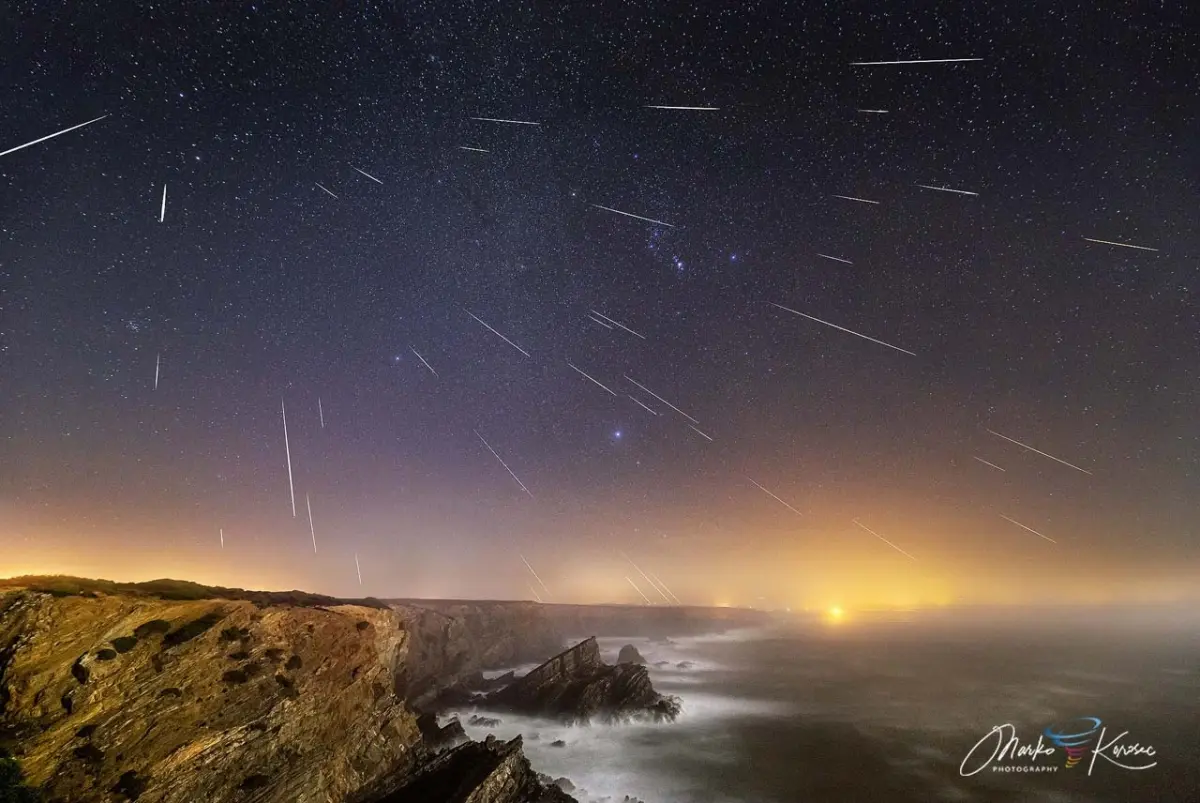
GLOBAL ASTRONOMY DESK — As the calendar turns toward the height of the Northern Hemisphere’s summer, stargazers, professional astronomers, and astrophotographers are preparing for what promises to be one of the most visually stunning and scientifically unique astronomical convergences in decades.
The annual Perseid meteor shower—widely regarded as the most popular and reliable celestial event of the summer—will reach its magnificent peak on the night of August 12 into the early hours of August 13, 2026. Under ideal night skies, observers can expect to witness up to 100 shooting stars per hour. However, what sets the 2026 display apart is an extraordinary cosmic coincidence: the meteor shower’s peak directly coincides with a rare total solar eclipse cutting across Greenland, Iceland, and Spain on August 12, creating a double feature of monumental proportions for skywatchers across the globe.

Coupled with a completely moonless night thanks to a perfectly timed New Moon phase, the 2026 Perseids offer a masterclass in optimal viewing conditions, turning what is normally a brilliant summer show into an absolute masterpiece of the night sky.
Main Facts: The Anatomy of the Perseids
To understand the magnitude of the upcoming event, it is essential to examine the mechanics behind the Perseid meteor shower. The shower is born from the remnants of Comet 109P/Swift-Tuttle, a periodic comet with a 133-year orbit that leaves a vast trail of cosmic debris in its wake.
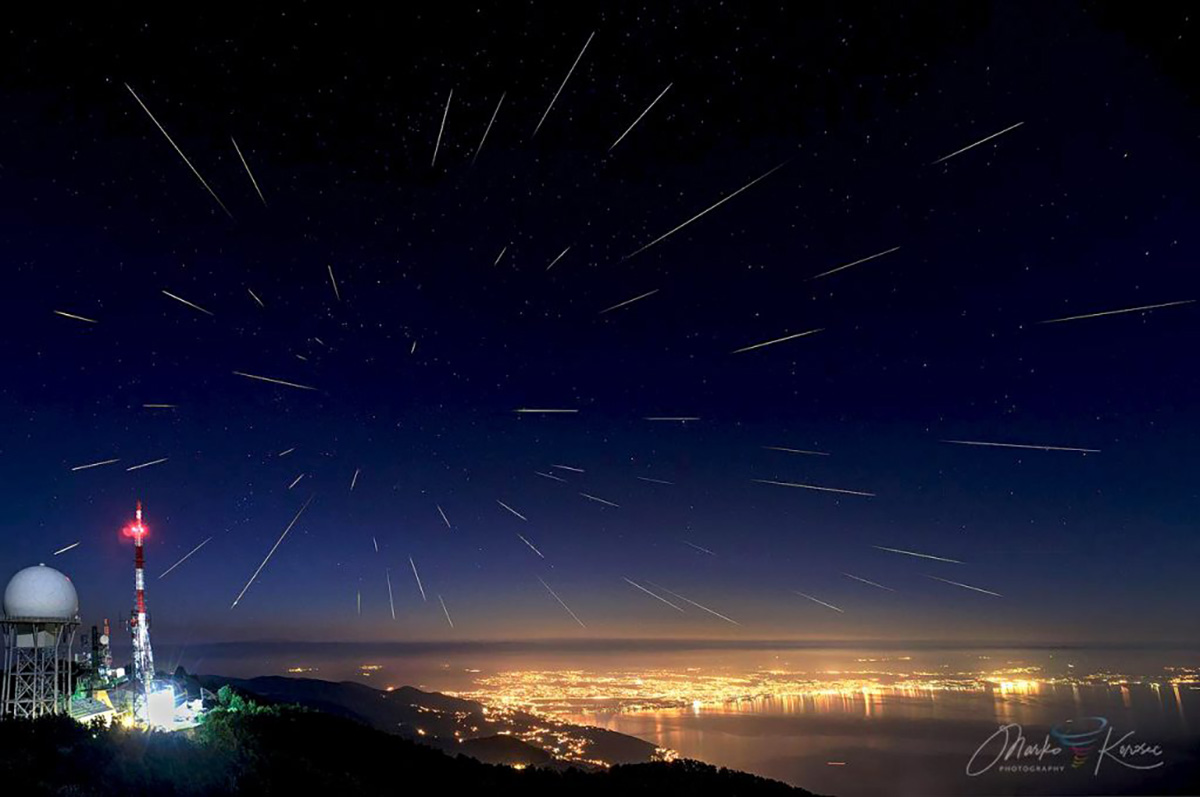
As Earth traverses this dusty stream annually in mid-July through late August, microscopic fragments—mostly no larger than a grain of sand or a small pebble, known as meteoroids—slam into our upper atmosphere. Traveling at a staggering velocity of approximately 59 kilometers per second (about 132,000 miles per hour), these tiny particles compress and superheat the air in front of them. The extreme heat vaporizes the meteoroid at altitudes of roughly 100 kilometers (62 miles)—right at the boundary of space—creating the brilliant streaks of light we recognize as shooting stars.
The Significance of the "Radiant"
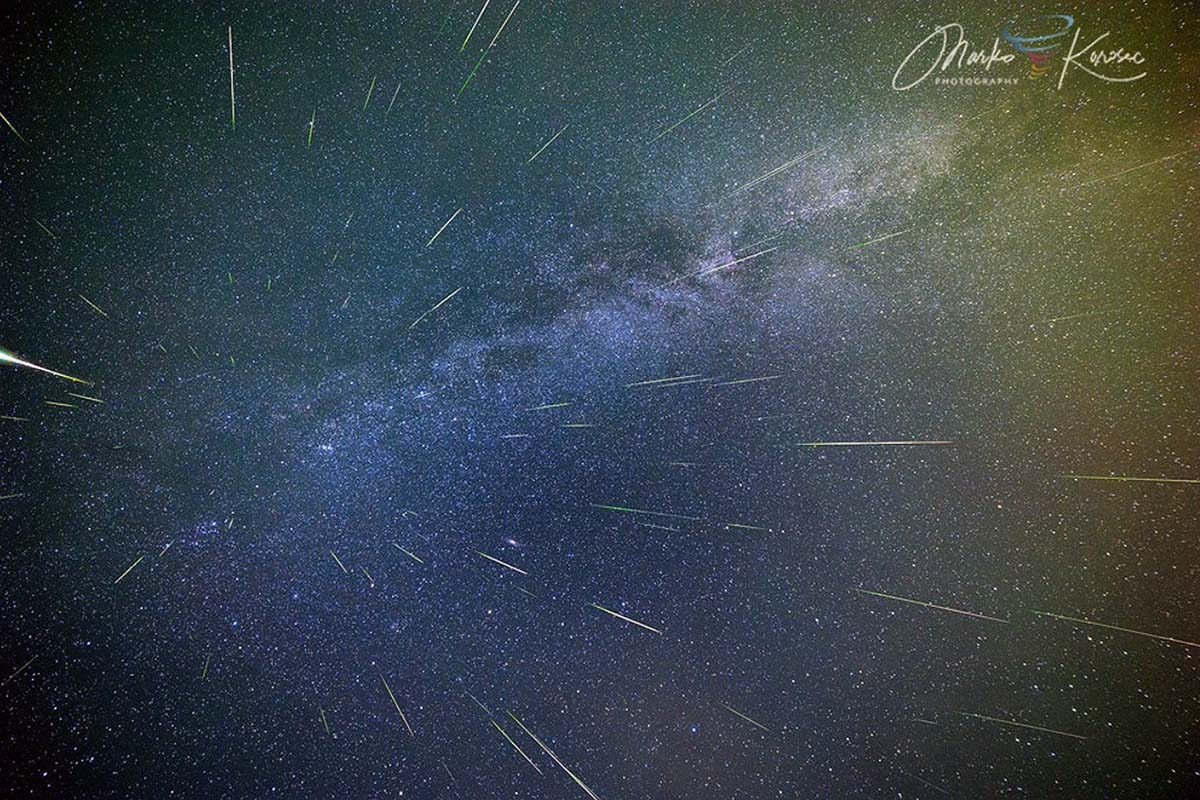
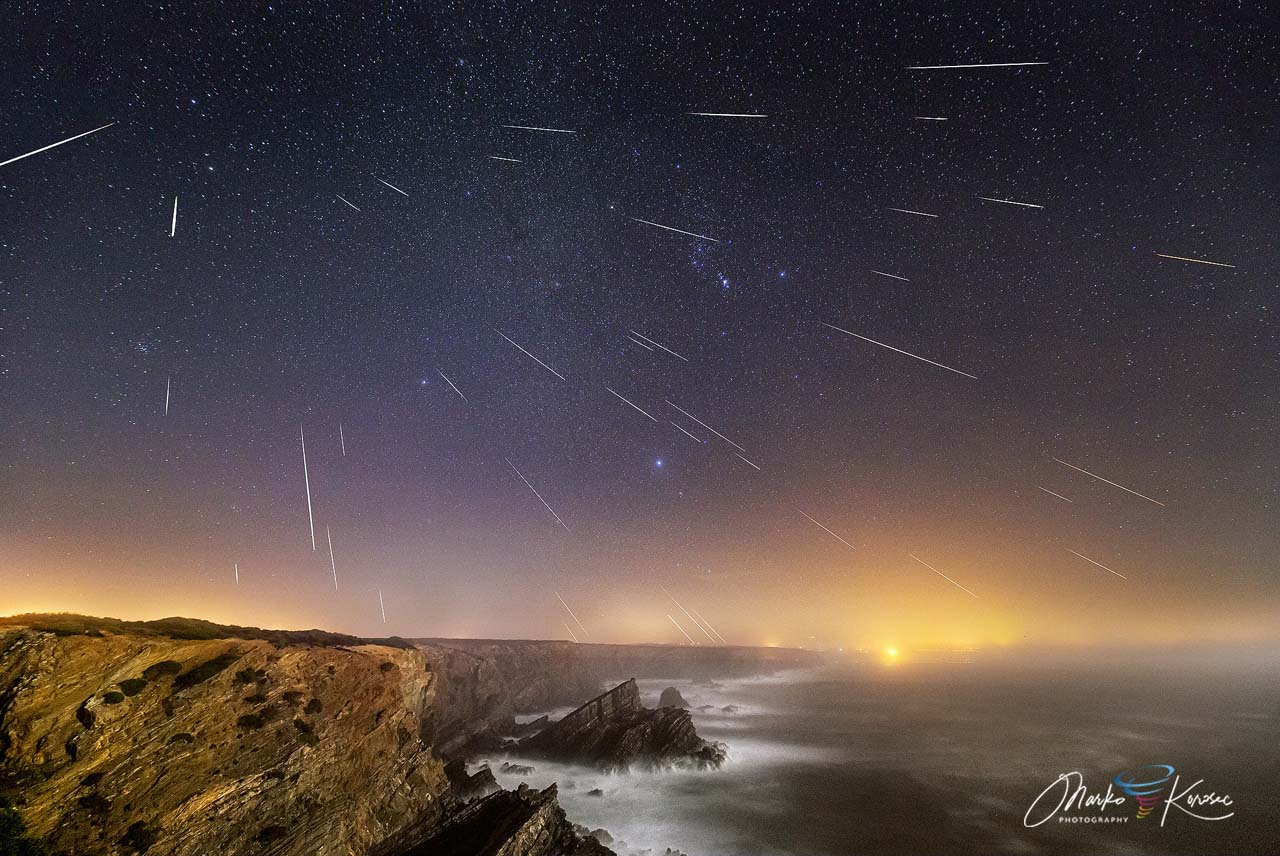
To the naked eye, meteors appear to streak outward from a single point in the night sky. For the Perseids, this radiant point is located within the northern constellation of Perseus, near the famous Double Cluster. As Perseus climbs higher into the northeastern sky throughout the night, the frequency of visible meteors increases correspondingly.
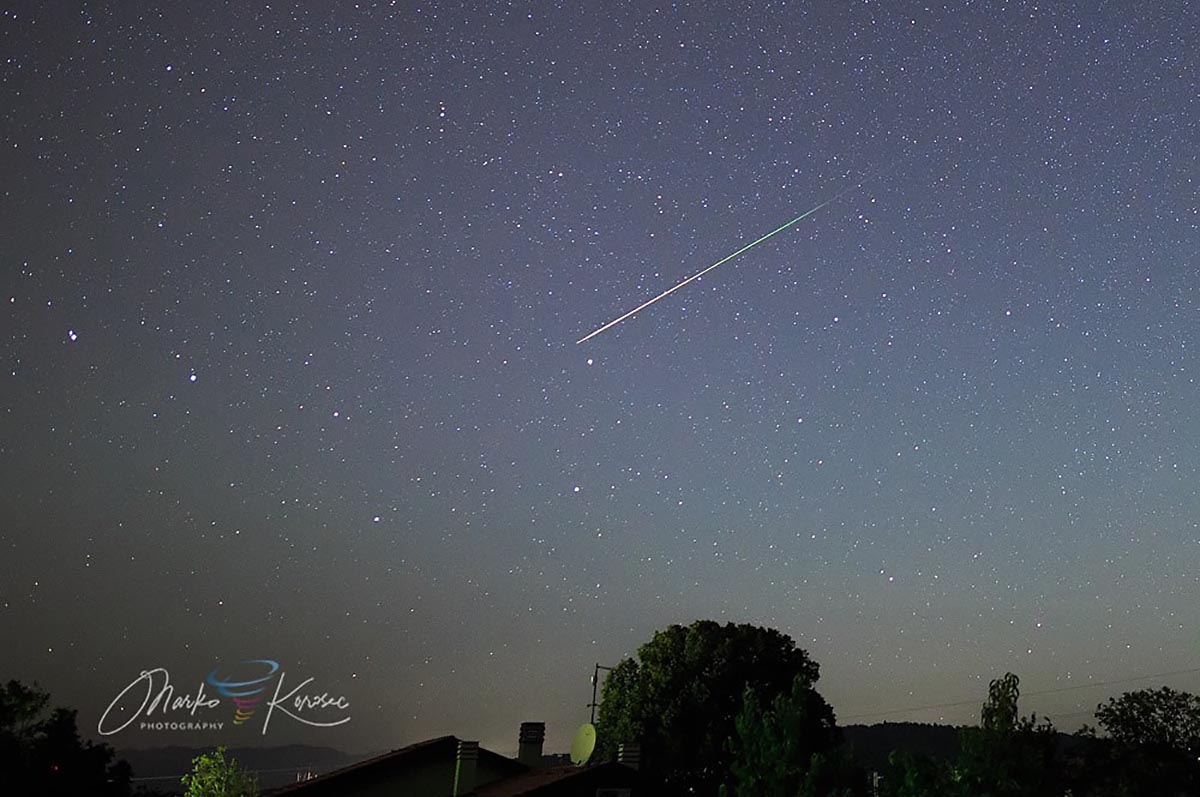
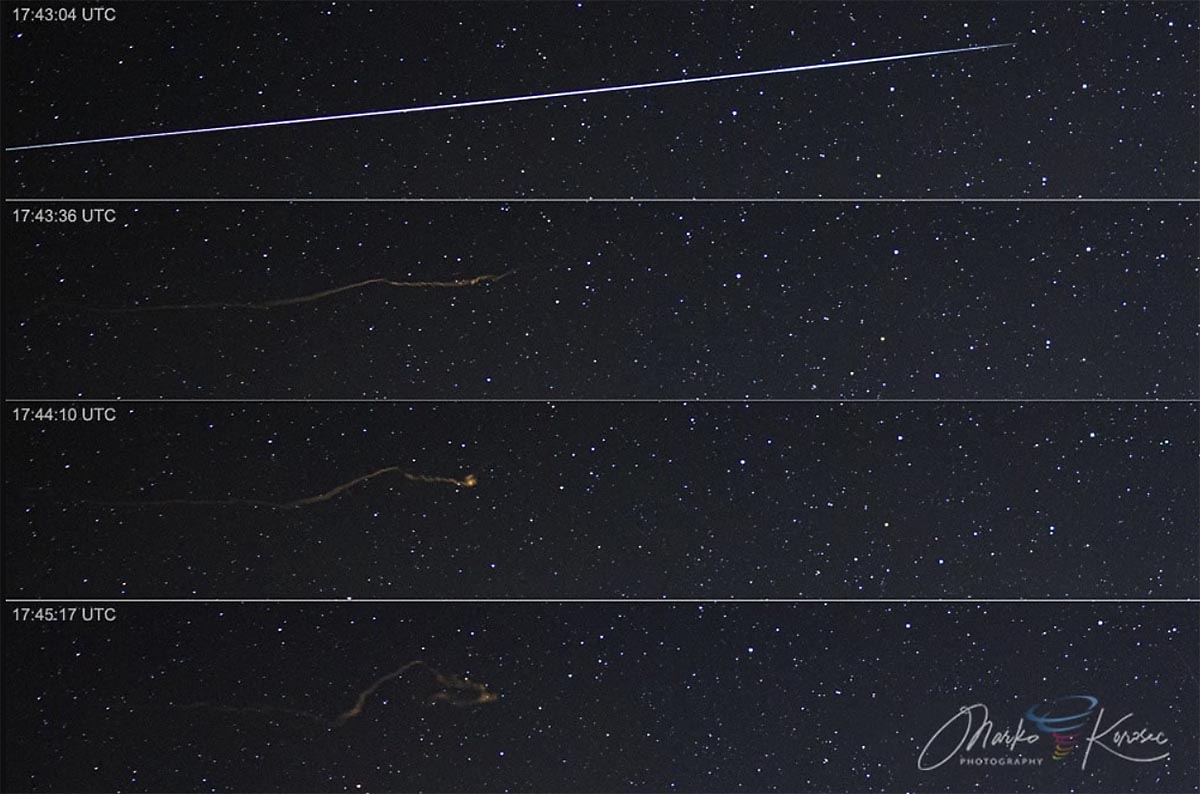
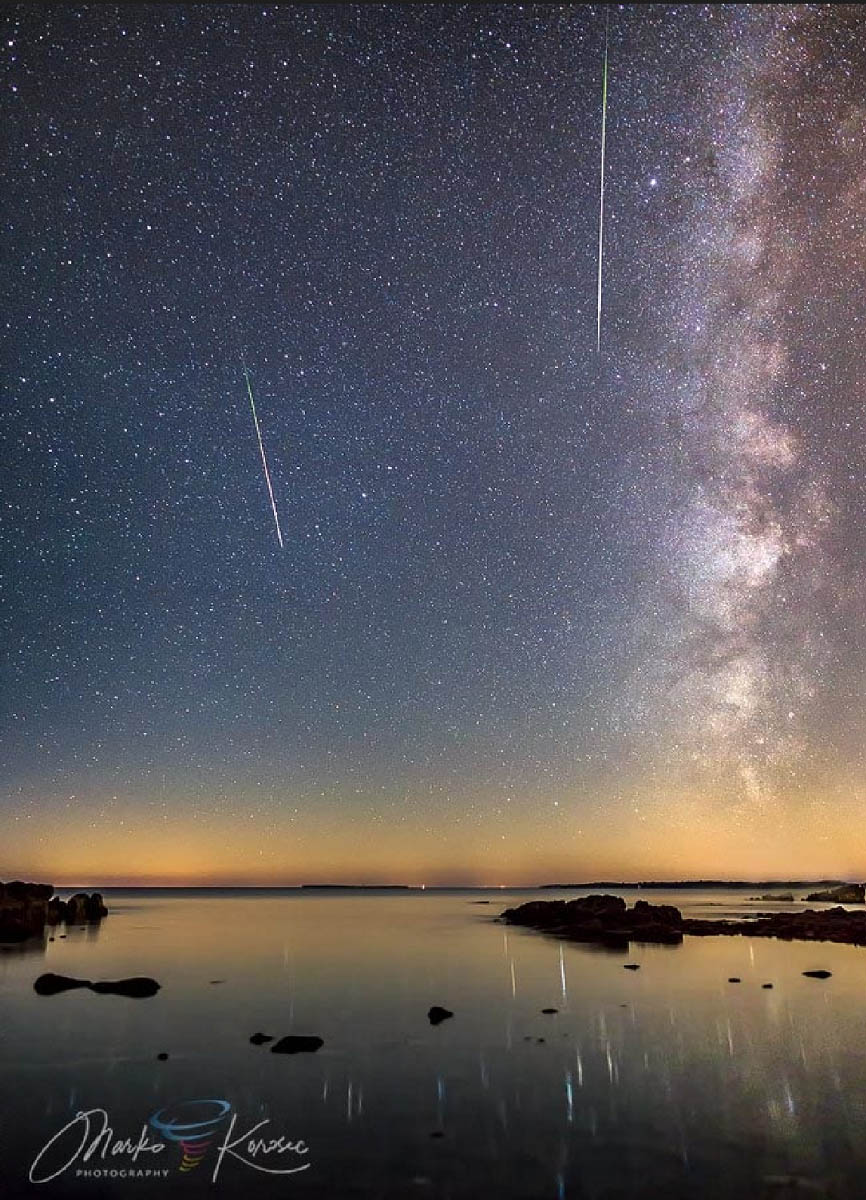
While the average Perseid meteor is generated by a millimeter-sized dust speck, the shower is exceptionally rich in fireballs—exceptionally bright meteors that can outshine planets like Venus. These larger fragments often leave behind persistent, glowing dust trails that can linger in the upper atmosphere for tens of seconds, slowly twisted and contorted by high-altitude stratospheric winds.
Chronology: The Timeline of the 2026 Display
The build-up to the Perseid peak is a gradual crescendo that rewards patient observers across multiple weeks, culminating in a furious wave of activity during mid-August.
- Mid-July to Early August (The Ramp-Up): Earth enters the outer edges of the Swift-Tuttle debris stream. While hourly rates are low initially, sharp-eyed observers away from city lights can spot early Perseids beginning to trickle in from the northeast late in the evening.
- August 11–12 (Pre-Peak Intensification): Activity ramps up significantly, with hourly rates climbing into the dozens. The radiant is visible all night, rising higher toward dawn.
- August 12 (The Double Feature Day): During daytime hours on August 12, a rare total solar eclipse plunges parts of Greenland, Iceland, and Spain into twilight. As day transitions to dusk, the stage is set for the main astronomical event.
- Night of August 12 into August 13 (The Grand Maximum): The zenithal hourly rate (ZHR) peaks between 90 and 120 meteors per hour. The official peak is calculated to occur around August 13 at 2:00 UTC. This timing heavily favors Europe, where the radiant is high and skies are pitch black, though North America and other continents will enjoy exceptional viewing throughout their respective night hours.
- Post-Midnight to Dawn, August 13: The absolute best viewing window. As the constellation Perseus climbs toward the zenith, the frequency of fireballs and faint meteors reaches its daily maximum, uninterrupted by moonlight.
Supporting Data and Viewing Conditions
The success of any meteor shower observation depends heavily on two unpredictable factors: lunar interference and weather. In 2026, astronomy enthusiasts have hit the celestial lottery on the first count.
The New Moon Advantage
Last year, bright lunar phases washed out fainter meteors, significantly reducing the visible count for casual observers. In stark contrast, the 2026 peak arrives precisely during the New Moon phase. This guarantees a completely dark sky with zero moonlight interference from dusk until dawn. According to astronomical models, the absence of the moon will effectively double or triple the number of faint meteors visible to suburban observers compared to moonlit years.
Understanding ZHR (Zenithal Hourly Rate)
Astronomers measure meteor shower activity using the Zenithal Hourly Rate (ZHR). The ZHR indicates the number of meteors a single observer would see in one hour under pristine skies (where stars up to magnitude 6.5 are visible) if the radiant were positioned directly overhead at the zenith.
While the actual number seen from a suburban backyard is typically lower due to atmospheric haze and light pollution, the 2026 Perseids are projected to maintain a robust ZHR of 90 to 120 throughout the peak nights.
Practical Implications: How to Observe and Photograph the Event
Maximizing your Perseid experience requires proper preparation, geographic positioning, and a solid understanding of astrophotography techniques.
Where and How to Watch
- Escape Light Pollution: While bright fireballs can cut through suburban skies, heading to rural areas, state parks, or elevated mountain lookouts will dramatically increase your meteor count by revealing fainter, distant streaks.
- Give Your Eyes Time to Adjust: Turn off cell phones and white flashlights. It takes the human eye roughly 20 to 30 minutes to achieve full dark adaptation. If you must use a light, use a dim red-filtered beam.
- No Equipment Required: Telescopes and binoculars are actually counterproductive for meteor watching because they severely narrow your field of view. The Perseids are best enjoyed with the naked eye, lying back on a reclining lawn chair or sleeping bag.
Astrophotography: Capturing a Fireball
For photography enthusiasts, capturing a Perseid meteor is an exercise in patience and precision.
- Equipment Needed: A DSLR or mirrorless camera, a wide-angle lens with a fast aperture (f/2.8 or lower), a sturdy tripod, and an intervalometer or built-in shutter timer.
- Camera Settings: Set your camera to manual mode, focus precisely on a bright star using live-view zoom, open your lens aperture wide, and set ISO between 1600 and 6400 depending on ambient light pollution.
- The Technique: Instead of trying to time a single shot when a meteor flashes, set your camera to take continuous exposures of 15 to 25 seconds each. By capturing hundreds of frames over the course of two or three hours, you greatly increase your chances of snagging a brilliant fireball blazing past the Milky Way.
Implications and Weather Outlook
While the astronomical setup for August 2026 is nearly flawless, meteorologists and astronomy clubs urge caution regarding local weather patterns.
The primary hurdle during the peak summer months is localized convective activity. Daytime heating frequently triggers afternoon thunderstorms, and residual cloud cover or lingering moisture can occasionally obscure nighttime skies. However, climatologists note that regional weather patterns are dynamic; observers are advised to monitor local severe weather forecasts and satellite loops closely in the days leading up to August 12.
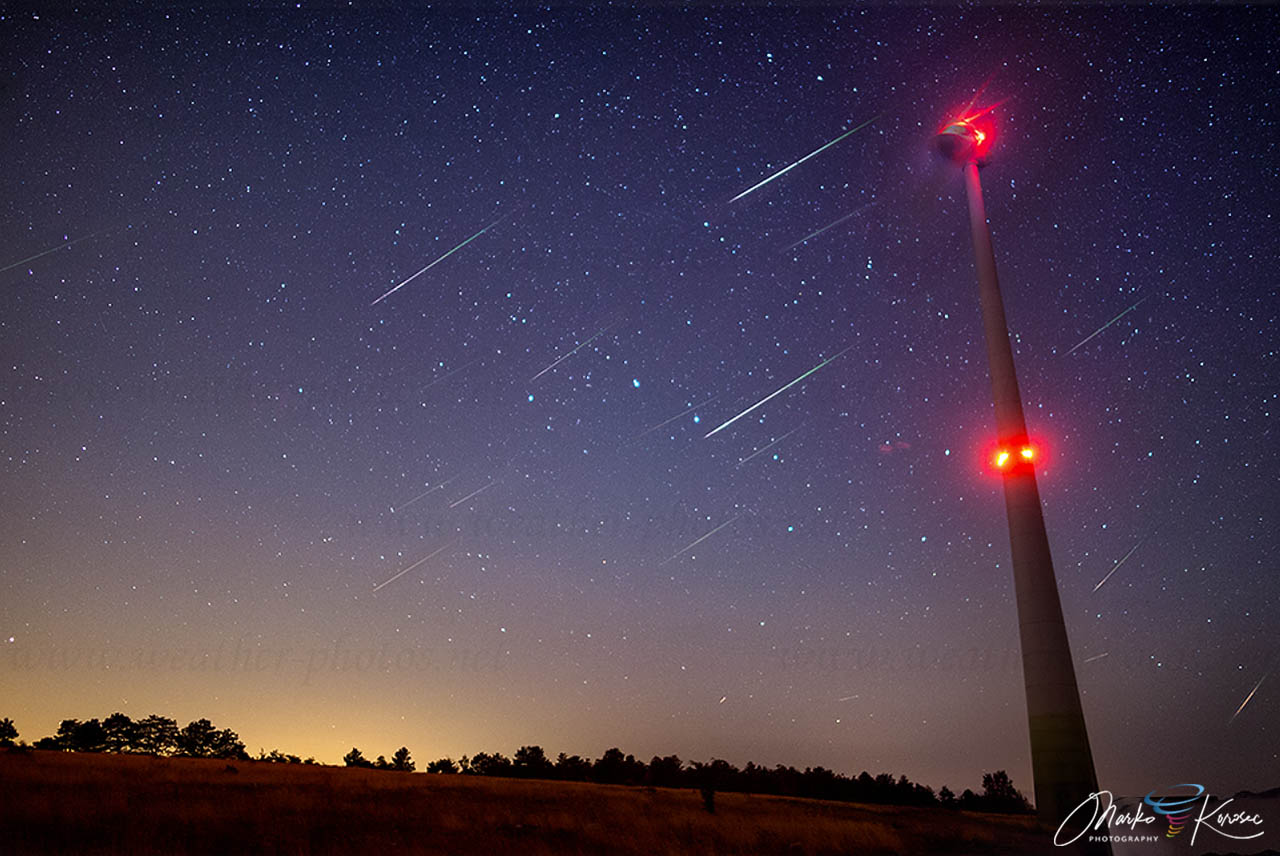
As the date approaches, amateur astronomers are encouraged to share their experiences and imagery. Global communities—such as specialized weather and astrophotography networks—are preparing dedicated reporting channels to document what is shaping up to be a legendary summer night.
Whether you are a seasoned astrophotographer hunting for an exploding fireball or a casual observer stepping out onto your porch to witness a shooting star, the 2026 Perseid meteor shower offers an unforgettable reminder of the dynamic, magnificent universe we inhabit. Find a dark sky, look up toward Perseus, and enjoy the show.
