Published: September 9, 2026 Author: Sebastian Obando Source: Construction Dive / Sound Transit Infrastructure Reports
Main Facts
The timeline for completing the highly anticipated West Seattle Link Extension has officially slipped by three years, moving its projected revenue service date from 2032 to 2035. According to transit authorities, this delay is the direct result of comprehensive cost-saving measures and an extended, carefully managed construction schedule designed to tackle some of the most complex engineering feats along the alignment.
The adjustment is emblematic of broader financial headwinds facing the Sound Transit board. The agency is currently grappling with a staggering $34.5 billion funding gap across its massive ST3 capital program over the next two decades. Despite the timeline extension and the difficult choices required to shave billions off the budget, Sound Transit maintains that its overarching project delivery and contracting strategy remains intact. Upcoming procurement packages are moving forward as planned, even as project footprints shrink and engineering timelines stretch to accommodate budgetary realities.
Chronology of Events and Schedule Adjustments
The path to the 2035 completion date has been marked by escalating financial realizations and rigorous internal reviews:
September 2024: A critical cost estimate revealed that the West Seattle Link Extension was no longer financially viable under Sound Transit’s existing long-range finance plan. This triggered an intensive, months-long agency-wide search for capital savings and value engineering opportunities.
Late 2024 to Mid-2025: Planners and engineers scrutinized every facet of the alignment, ultimately identifying more than $2 billion in potential cost cuts. These measures included controversial scope reductions, most notably the complete elimination of the proposed Avalon Station.
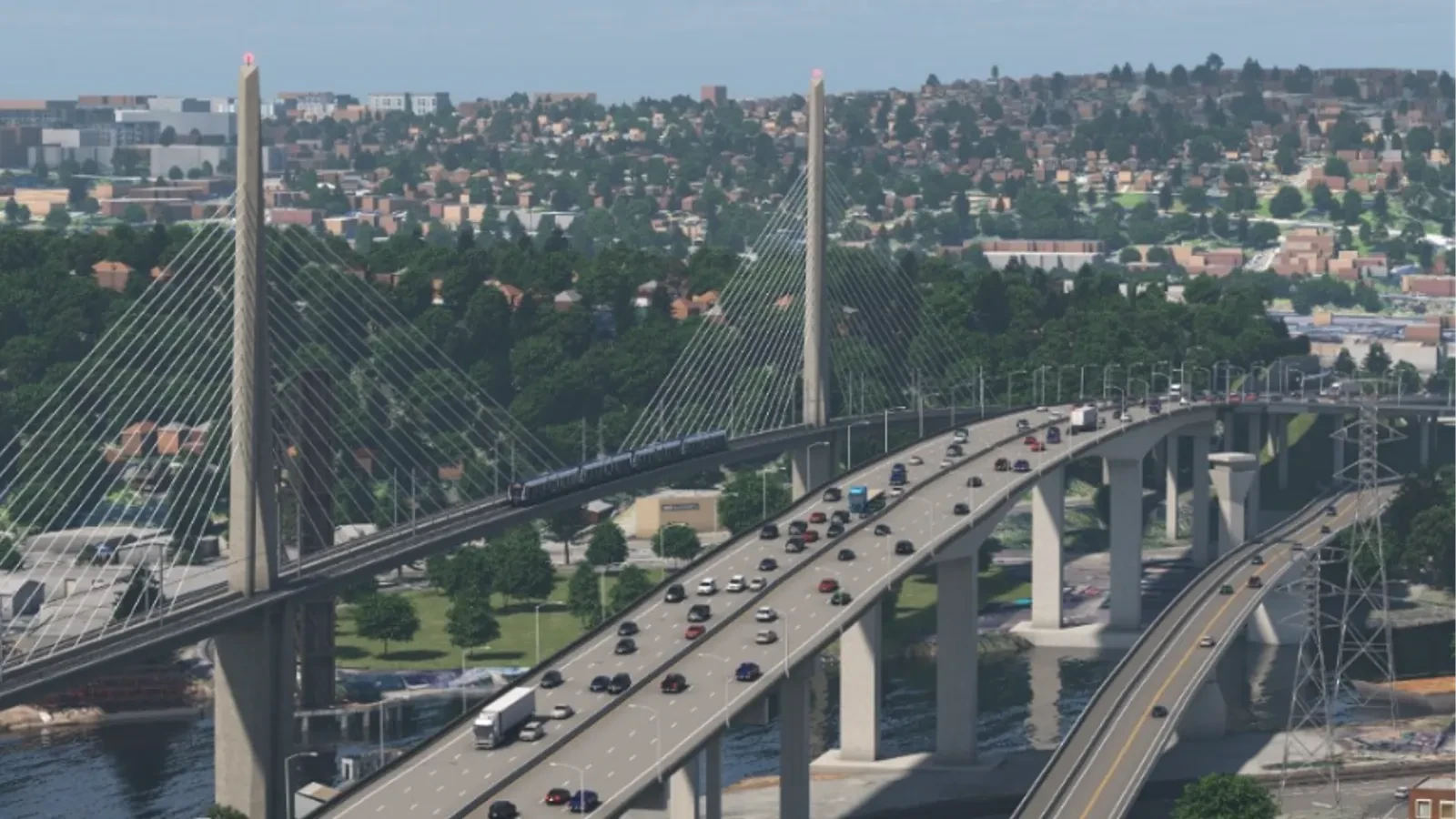
June 2026: Moving ahead with the revised delivery framework, Sound Transit officially advertised the heavy civil procurement package for the Duwamish River Crossing and Guideways (designated as the W200 contract opportunity).
August 2026: The agency advanced its procurement schedule by advertising the upcoming SODO Station contract, signaling to the heavy construction market that despite financial restructuring, major packages were ready for competition.
September 9, 2026: Sound Transit formally announced the shift in the anticipated revenue service date to 2035, citing the extensive time required to vet cost-saving measures and account for complex structural engineering schedules.
October 2026 (Upcoming): Two additional major procurement packages are slated to hit the market: one dedicated to complex trackwork and electrical systems, and another for the Alaska Junction Station.
Late 2027 to Early 2028: The agency plans to roll out design-bid-build procurements for the remaining elements of the project, specifically targeting the West Seattle tunnels and the Delridge Station.
Supporting Financial Data and Project Scope
The financial pressures driving the West Seattle delay are part of a much larger narrative of soaring infrastructure costs across the Pacific Northwest and the United States construction sector at large.
According to data compiled by the Seattle Times and official Sound Transit financial disclosures:
Total ST3 Program Costs: The total price tag for the comprehensive ST3 expansion initiative—which encompasses both the West Seattle and Everett Link extensions—has ballooned to an estimated $185 billion in recent years.
The Funding Deficit: Over the next 20 years, the agency faces a structural funding gap of approximately $34.5 billion, forcing difficult triage decisions among board members, local municipalities, and community stakeholders.
Immediate Savings: The months of value-engineering initiated after the September 2024 wake-up call successfully unlocked over $2 billion in immediate savings. However, realizing these savings meant sacrificing key local amenities, such as the elimination of the Avalon Station, which alters commuter access patterns in West Seattle.
Procurement Vehicles: The project utilizes a blend of modern delivery methods. The Duwamish River Crossing and Guideways package leverages a General Contractor/Construction Manager (GCCM) heavy civil approach, while upcoming packages will test market appetite through traditional design-bid-build structures for subterranean and station elements.
Official Responses and Agency Statements
In an official statement addressing the schedule revision, Sound Transit representatives pointed directly to the meticulous balancing act required to keep the project moving forward without compromising structural integrity or fiscal compliance.
"The primary factor that caused a shift in the anticipated revenue service date from 2032 to 2035 was the time taken to analyze cost savings opportunities," Sound Transit explained in its briefing.
Agency leaders have emphasized that while the three-year push is disappointing to commuters eager for rapid transit expansion, it is a necessary tactical pause. By taking the time to thoroughly re-evaluate design assumptions, negotiate contract terms, and scale back non-essential station footprints, the agency aims to prevent mid-construction budget shortfalls that could prove even more disruptive.
Furthermore, project managers have stressed that the adjustments to the timeline do not signal a fractured delivery process. By keeping the core packaging strategy intact, Sound Transit hopes to maintain contractor confidence as major bid packages roll out through late 2026 and into 2028.
Implications for the Region, Contractors, and Commuters
The postponement of the West Seattle Link Extension carries profound implications for multiple stakeholders across the Seattle metropolitan area:
1. Impact on Commuters and Urban Mobility
For residents of West Seattle, a 2035 completion date means enduring three additional years of worsening highway congestion and reliance on bus-bridge bottlenecks before gaining fast, reliable rail connectivity to downtown Seattle and beyond. The removal of the Avalon Station also means that a segment of the local population will have to travel further to access the light rail network, sparking ongoing debates over equitable transit-oriented development and neighborhood connectivity.
2. Opportunities and Challenges for the Construction Industry
Civil contractors, engineering firms, and trade unions face a nuanced landscape. On one hand, the steady rollout of high-profile procurement packages—such as the Duwamish River Crossing, SODO Station, upcoming trackwork, and the Alaska Junction Station—provides a robust pipeline of heavy civil and systems work in the Pacific Northwest. On the other hand, the intense focus on cost containment means margins will be heavily scrutinized, and contractors must be prepared to innovate under strict value-engineering mandates.
3. A Stress Test for Mega-Project Governance
The situation at Sound Transit serves as a case study for transit agencies nationwide grappling with post-pandemic inflation, supply chain volatility, and soaring material costs. The $34.5 billion funding gap and the resulting ballooning of the ST3 program to $185 billion force difficult questions about how mega-projects are scoped, financed, and promised to voters. How Sound Transit manages the West Seattle and Everett extensions over the next decade will likely set a precedent for how American cities fund and deliver transformative mass transit in an era of fiscal constraint.