

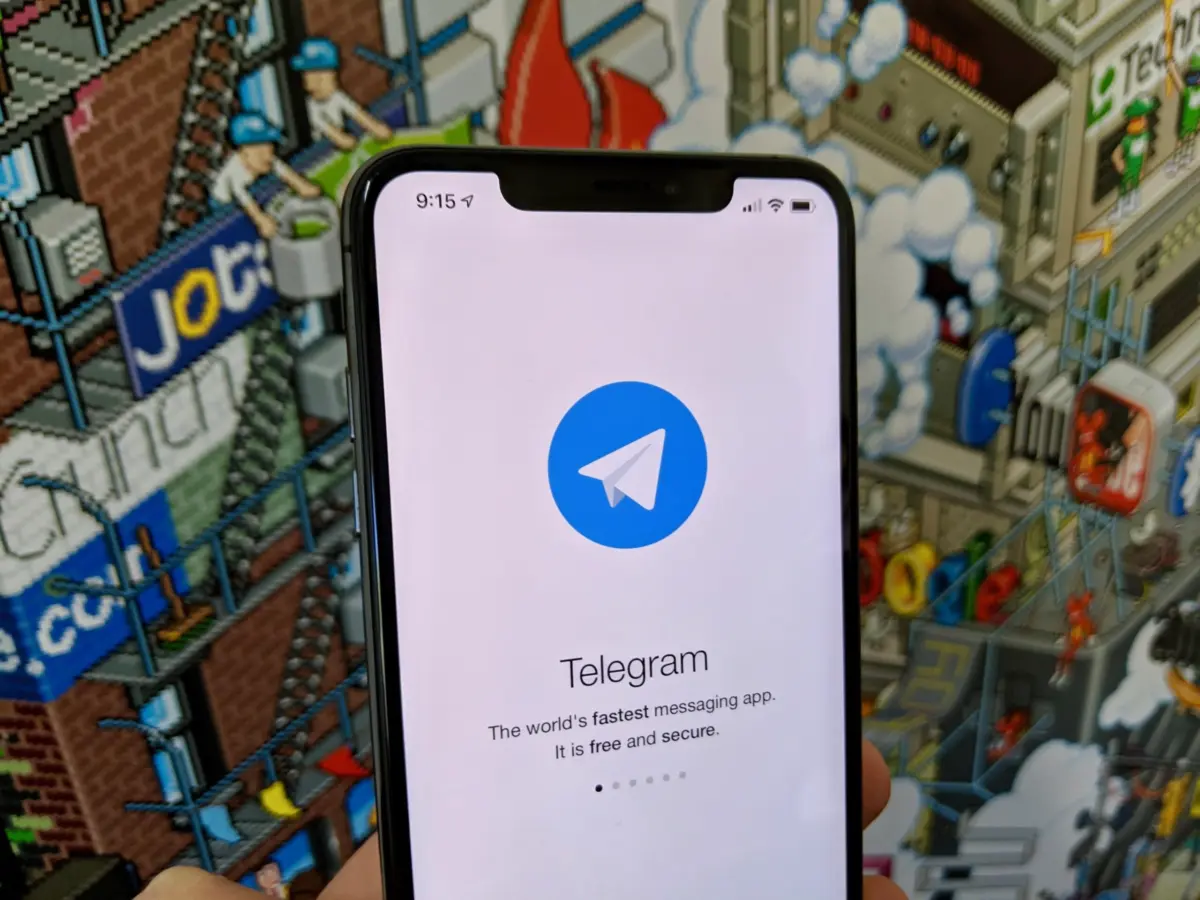
SAN FRANCISCO / DUBAI — Popular encrypted messaging giant Telegram found itself at the epicenter of a high-stakes tech controversy this week after Apple abruptly removed the application from its iOS App Store. The removal, prompted by the alleged dissemination of illicit material within a public group chat, lasted only a few hours. However, the incident has ignited a fierce debate concerning platform governance, the automated weaponization of content reporting systems, and the fragile relationship between trillion-dollar gatekeepers and massive communication networks.
With a user base exceeding one billion globally, Telegram’s sudden ban—and swift restoration—has underscored the precarious nature of app distribution ecosystems. While Apple maintains that its actions were a necessary enforcement of zero-tolerance policies regarding child safety, Telegram CEO Pavel Durov has characterized the episode as an unprecedented overreaction engineered by bad actors attempting to extort group administrators.
The standoff has also reignited broader conversations regarding the legal and ethical burdens placed on digital platforms, coming amid an already turbulent period of regulatory scrutiny for Telegram across multiple international jurisdictions.
Main Facts
The core of the incident revolves around a brief blackout of Telegram on Apple’s iOS App Store, which began on a Monday morning and was resolved before the close of the business day.
- The Trigger: According to both Apple and Telegram leadership, the application was pulled following reports that a user had shared illicit content within a public Telegram group chat.
- The Response Window: The iOS version of the application disappeared from the App Store without prior notice to the developer. It was reinstated merely hours later after Telegram management identified the offending user, purged the illicit content, and banned the account in question.
- Scope of the Disruption: The removal was strictly limited to the iOS App Store. The Mac App Store version of Telegram remained fully accessible, and users who had already downloaded the application to their iPhones or iPads experienced no service interruptions or forced deletions.
- The Extortion Allegation: Telegram CEO Pavel Durov asserted that the incident was not an organic discovery of platform negligence, but rather a targeted sabotage attempt. According to Durov, an extortionist manipulated an existing message within a public forum using AI-generated or modified illegal content to trigger automated or manual moderation flags after group administrators refused to yield to ransom demands.
- Precedent: This marks the second time Apple has temporarily suspended Telegram from its marketplace. A strikingly similar incident occurred in 2018, when Apple removed Telegram and its experimental client, Telegram X, over "inappropriate content" before reinstating them hours later once additional safeguards were verified.
Chronology of Events
To fully understand how a single edited message in a vast digital ecosystem could result in the temporary disappearance of an application used by over a billion people, industry analysts have mapped out the timeline of the disruption:
- The Extortion Attempt (Pre-Incident): According to statements released by Pavel Durov, bad actors targeted a public Telegram group chat, attempting to extract a ransom from the group’s human administrators. Upon facing refusal, the extortionists allegedly leveraged Telegram’s message-editing capabilities to alter a previously innocuous post.
- The Introduction of Illicit Material: The edited message was allegedly injected with "AI-modified illegal content"—specifically, material violating strict international and corporate prohibitions against child sexual abuse material (CSAM).
- The Report and Moderation Review: The malicious actors or associated parties reported the updated content to Apple’s App Store review team, framing the presence of the material as a systemic moderation failure on the part of Telegram.
- Apple’s Enforcement Action: Acting on its strict safety guidelines, Apple’s review board determined that the content violated fundamental terms of service. Without issuing a preliminary warning to Telegram’s development team, Apple removed the iOS version of Telegram from the App Store.
- Swift Remediation by Telegram: Upon discovering the removal and diagnosing the source of the flag, Telegram’s engineering and moderation teams acted rapidly. They located the specific group chat, removed the illicit media, and permanently banned the user responsible for the edit.
- Reinstatement: Following confirmation that the offending user and content had been purged, Apple restored Telegram to the iOS App Store, ending a blackout that lasted only a few hours.
Official Responses and Stakeholder Positions
The incident has drawn distinct, contrasting viewpoints from the primary parties involved, reflecting the complex dynamics of modern app store governance.
Apple’s Perspective
Apple defended its rapid removal of the application, emphasizing its unwavering stance on child safety and the protection of minors. In an official statement communicated via email to technology publication CNET, a company spokesperson stated:
"We briefly removed Telegram from the App Store after our review found content that violates our strict guidelines prohibiting child sexual abuse material. The app was subsequently restored after the developer promptly removed the content and banned the user who posted it."
Apple has thus far declined to address or clarify why the Mac App Store version of Telegram remained active and available for download during the period that the mobile version was suppressed.
Telegram’s Response and Durov’s Warning
Telegram leadership voiced severe frustration over the lack of communication from Apple prior to the application’s removal. In a widely circulated post on his official Telegram channel, Pavel Durov argued that Apple had been successfully manipulated by extortionists into an uncalibrated overreaction:
"If an app used by more than a billion people can be removed from the App Store without prior warning, any app can be," Durov wrote, cautioning other developers about the inherent vulnerabilities of relying on closed app distribution ecosystems.
Telegram’s official corporate account on X (formerly Twitter) adopted a sharper, more satirical tone. In a series of posts, the company referenced Mark Twain with the quip, "Reports of my demise are greatly exaggerated," accompanied by an apple emoji. In a follow-up post directed at the tech giant’s official handle, Telegram questioned whether Apple would apply the same abrupt standard uniformly across all applications in the future.
Implications for the Tech Industry
The brief removal of Telegram is far more than an isolated operational glitch; it serves as a case study highlighting several profound vulnerabilities in the architecture of modern digital platforms.
1. The Weaponization of Content Moderation
The incident exposes a dangerous exploit within digital reporting workflows. Because major app stores face immense regulatory and public pressure to act instantaneously upon receiving reports of illegal content—particularly CSAM—bad actors can weaponize these reporting mechanisms. By deliberately planting illicit material and orchestrating a compliance flag, malicious parties can effectively take multi-billion-dollar applications hostage to exact revenge or financial extortion from group administrators.
2. The Power Dynamics of App Store Monopolies
Durov’s commentary touches on a raw nerve within the software development community: the immense, unchecked power wielded by platform gatekeepers like Apple and Google. The ability to pull an application utilized by over one billion people globally without prior notice or dialogue demonstrates a concentration of power that critics of app store monopolies have long decried. For enterprise businesses, independent developers, and massive communication platforms alike, the threat of sudden, unannounced de-platforming remains an existential sword of Damocles.
3. Telegram’s Global Regulatory Landscape
This episode arrives as Telegram faces heightened scrutiny from governments worldwide over its decentralized architecture, encryption standards, and historical resistance to content moderation mandates.
- Australia: Telegram has been locked in an ongoing dispute with Australian safety regulators. The platform was recently fined AU$1 million (approximately $700,000 USD) for failing to adequately respond to official information requests regarding terrorism and child safety, with the government actively pursuing further penalties.
- Russia: Russian authorities have long targeted Durov and Telegram, formally accusing the platform of facilitating terrorism and failing to comply with local data-sharing laws.
- France: In 2024, Durov was arrested in France as part of a broad judicial investigation into Telegram’s alleged complicity in allowing criminal activities—including drug trafficking, fraud, and the distribution of illicit material—to proliferate unchecked on the platform.
Conclusion
While Telegram has successfully returned to the iOS App Store and normal operations have resumed for its billion-plus users, the ripples of this event will likely be felt across the software industry for some time. It serves as a stark reminder of the challenges platforms face when balancing rigorous safety protocols against malicious manipulation, while simultaneously fueling the ongoing global debate over the unchecked authority of app store gatekeepers.
