

Main Facts
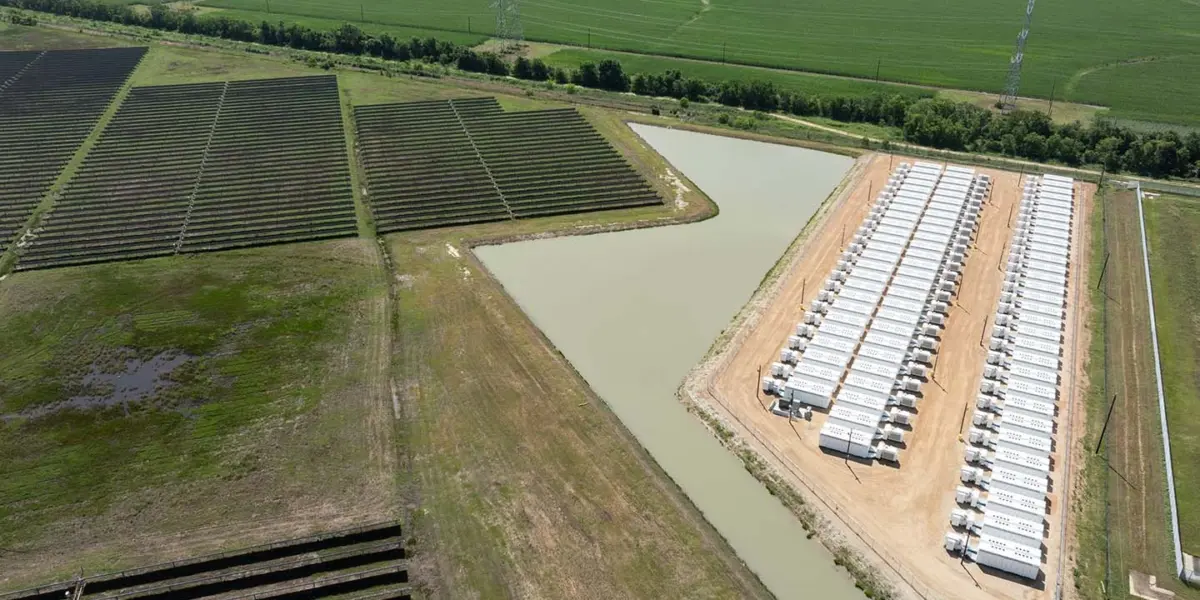
The Texas energy landscape has achieved another major milestone in grid modernization and renewable energy integration. Renewable energy giant Ørsted has officially brought its Old 300 battery energy storage system (BESS) online, utilizing cutting-edge Tesla Megapacks to support the Electric Reliability Council of Texas (ERCOT) grid.
Located in Needville, Texas, southwest of Houston, the newly operational facility boasts a robust capacity of 250 megawatts (MW) and 500 megawatt-hours (MWh). At peak performance, the BESS is engineered to deliver 250 MW of electricity continuously for two hours. This influx of flexible power serves as a critical buffer for a regional grid frequently tested by soaring summer temperatures, unprecedented industrial and residential demand growth, and extreme weather events.
The massive battery deployment was manufactured at Tesla’s state-of-the-art Megafactory in Lathrop, California—widely recognized as the largest industrial-scale utility BESS manufacturing facility in the United States. Each individual Tesla Megapack arrives pre-integrated with battery modules, advanced inverters, thermal management systems, and proprietary controls into a single, cohesive unit. This plug-and-play architecture significantly minimizes on-site assembly complexity and construction timelines. Standard contemporary configurations of the two-hour Megapack yield roughly 1.9 MW of power capacity and 3.85 MWh of energy storage per unit.

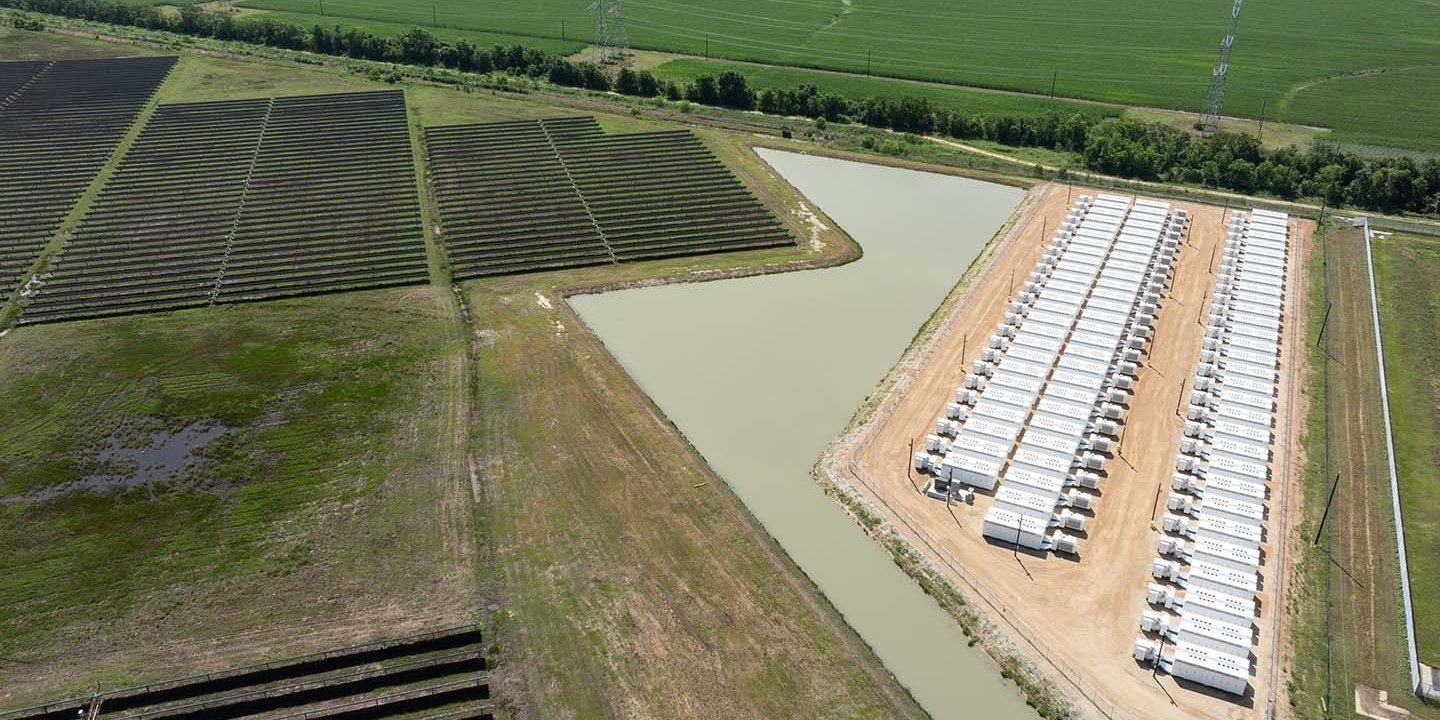
Strategically positioned adjacent to Ørsted’s existing 430 MW Old 300 Solar farm, the battery facility operates independently from the solar generation site. While the proximity allows for potential operational synergies, the BESS is not tethered exclusively to the adjacent solar array. Instead, it maintains the flexibility to draw excess energy from and discharge power back into the broader ERCOT market based on wholesale market dynamics and grid reliability requirements.
Chronology of the Project
The journey toward the commercial operation of the Old 300 storage project reflects the rapid acceleration of utility-scale energy storage development across the United States, particularly within deregulated electricity markets like Texas.
- 2024: Ørsted successfully brings its Old 300 Solar farm online. The massive solar installation immediately begins generating clean electricity capable of powering approximately 80,000 homes and businesses across the Lone Star State, establishing a strong local footprint for the renewable developer.
- Late 2024 to 2025: Planning, site preparation, and infrastructure buildout for the adjacent Old 300 Storage facility get underway in Needville, Texas. Supply chain coordination ensures a steady influx of Tesla Megapacks shipped directly from the Lathrop Megafactory in California.
- Mid-2026: Installation and electrical integration reach completion. Comprehensive commissioning tests are conducted to verify compliance with ERCOT interconnection standards, ensuring seamless synchronization with the wider transmission grid.
- August 2026: Ørsted officially announces the commercial operation date (COD) of the Old 300 Storage project. The 250 MW / 500 MWh battery system officially begins commercial dispatch, providing immediate frequency regulation, voltage support, and peak-shaving capabilities to the ERCOT grid.
Supporting Data and Technical Specifications
The integration of utility-scale storage like the Old 300 project highlights the changing arithmetic of modern power systems. Below is a detailed breakdown of the metrics driving the project:
System Capacities & Performance Metrics
- Power Output: 250 Megawatts (MW)
- Energy Storage Capacity: 500 Megawatt-hours (MWh)
- Discharge Duration: 2 hours at full rated output
- Individual Megapack Spec (Typical): ~1.9 MW power / ~3.85 MWh energy storage per unit
- Adjacent Solar Capacity: 430 MW (Old 300 Solar, operational since 2024)
- Homes Powered by Solar Component: ~80,000 Texas households and commercial entities
Portfolio and Market Reach
- Ørsted’s US Onshore Portfolio: Expands to approximately 6 gigawatts (GW) of operational renewable energy assets.
- Tesla’s Global Stationary Storage Footprint: Exceeds 58 gigawatt-hours (GWh) of industrial storage systems deployed across more than 65 countries worldwide.
- Local Economic Impact: The combined solar and storage initiatives are projected to inject an estimated $110 million in cumulative property tax revenue into local school districts, county infrastructure, and emergency response services in Fort Bend County.
Official Responses and Industry Perspectives
The successful commissioning of the Old 300 storage project drew praise from leadership across both companies, underscoring the vital symbiotic relationship between massive renewable generation assets and advanced battery infrastructure.
Melissa Peterson, President of Ørsted Americas Onshore, emphasized the critical function that energy storage serves in maintaining system reliability amidst shifting environmental and market conditions.
"Battery energy storage has played a large role in providing much-needed power to ERCOT in times of tight supply and demand margins," Peterson stated, highlighting how utility-scale batteries have transformed from speculative pilot projects into foundational pillars of modern grid management.

Energy market analysts have similarly pointed out that independent storage facilities like Old 300 provide crucial arbitrage opportunities. By capturing cheap or negative-priced electricity during periods of high renewable generation—such as sunny afternoons when solar output peaks—and discharging it during evening demand spikes, these systems protect consumers from price volatility while stabilizing the broader network.
Tesla representatives continue to champion the standardized, modular design of the Megapack as a catalyst for rapid deployment. By streamlining manufacturing inside the Lathrop Megafactory, Tesla has positioned itself as a dominant equipment supplier for utilities racing to meet aggressive decarbonization and reliability targets.
Implications for the Texas Grid and Beyond
The activation of the Old 300 BESS carries profound implications for the ERCOT market and the wider energy transition.

Mitigating ERCOT’s Volatility
Texas operates an energy-only market, meaning power generators are compensated strictly for the electricity they produce rather than for maintaining generation capacity. This market design creates extreme price volatility during periods of tight supply and demand. When heatwaves drive up air conditioning usage or unexpected cold snaps freeze fossil fuel infrastructure, electricity prices can skyrocket to the legal cap.
Battery systems like Old 300 act as an immediate pressure valve. By injecting 250 MW of power into the grid within milliseconds of a frequency drop or supply deficit, these batteries help prevent rolling blackouts and stabilize wholesale electricity prices.
Ancillary Services and Grid Stability
Beyond simple energy shifting, the facility provides vital ancillary services. Modern power grids require constant balancing of frequency (maintained at 60 Hz in North America) and voltage. Traditional thermal power plants historically provided this inertia, but as coal and gas plants retire, fast-responding battery storage is stepping in to fill the void. Tesla Megapacks excel at responding instantaneously to frequency deviations, offering a level of precision that mechanical turbines simply cannot match.

Economic Windfalls for Local Communities
Beyond grid reliability, the project demonstrates how renewable energy infrastructure can materially benefit rural and suburban host communities. The projected $110 million in property tax revenues generated by the combined Old 300 solar and storage developments will provide a lasting financial foundation for local schools, road maintenance, and emergency services in the Needville area without placing a heavy tax burden on local residents.
Expanding the Storage Wave
As Ørsted expands its US onshore portfolio to 6 GW and Tesla scales its global deployments past 58 GWh, projects like Old 300 serve as a blueprint for future energy hubs. The trend of pairing or co-locating large-scale batteries with existing solar and wind farms is accelerating across North America. As battery costs continue to decline and manufacturing capacity ramps up domestically, installations of this magnitude will become increasingly common, paving the way for a more resilient, flexible, and decarbonized electrical grid.
