

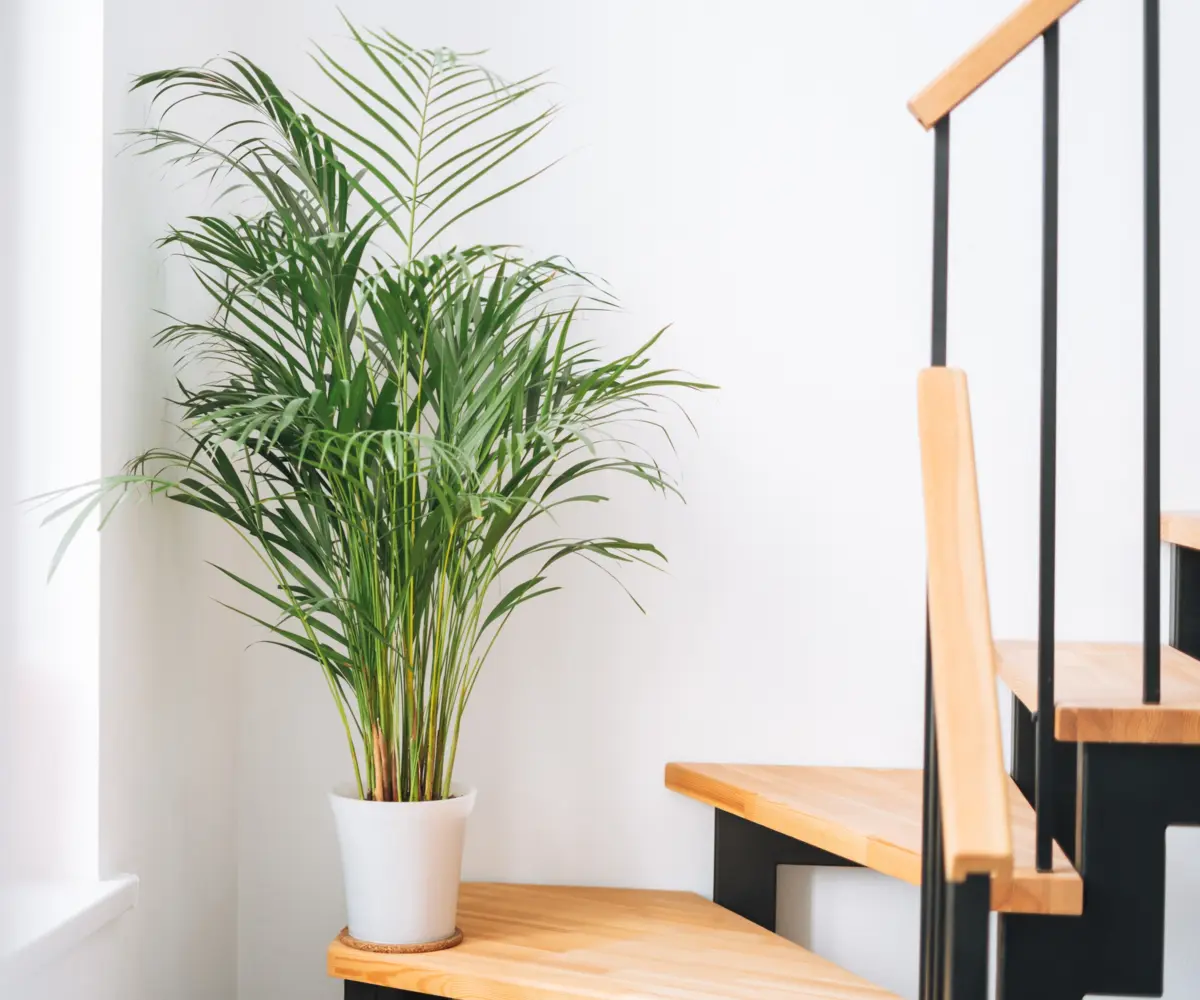
Few botanical additions to an indoor space carry the immediate, transformative impact of the areca palm (Areca catechu). Often celebrated by interior designers, home stylists, and plant horticulturists alike, this graceful, arching plant has experienced a massive resurgence in popularity. As homeowners continually seek innovative ways to marry aesthetic beauty with functional wellness benefits—particularly during the sweltering heat of the summer months—the areca palm stands out as the ultimate multi-tasking houseplant.
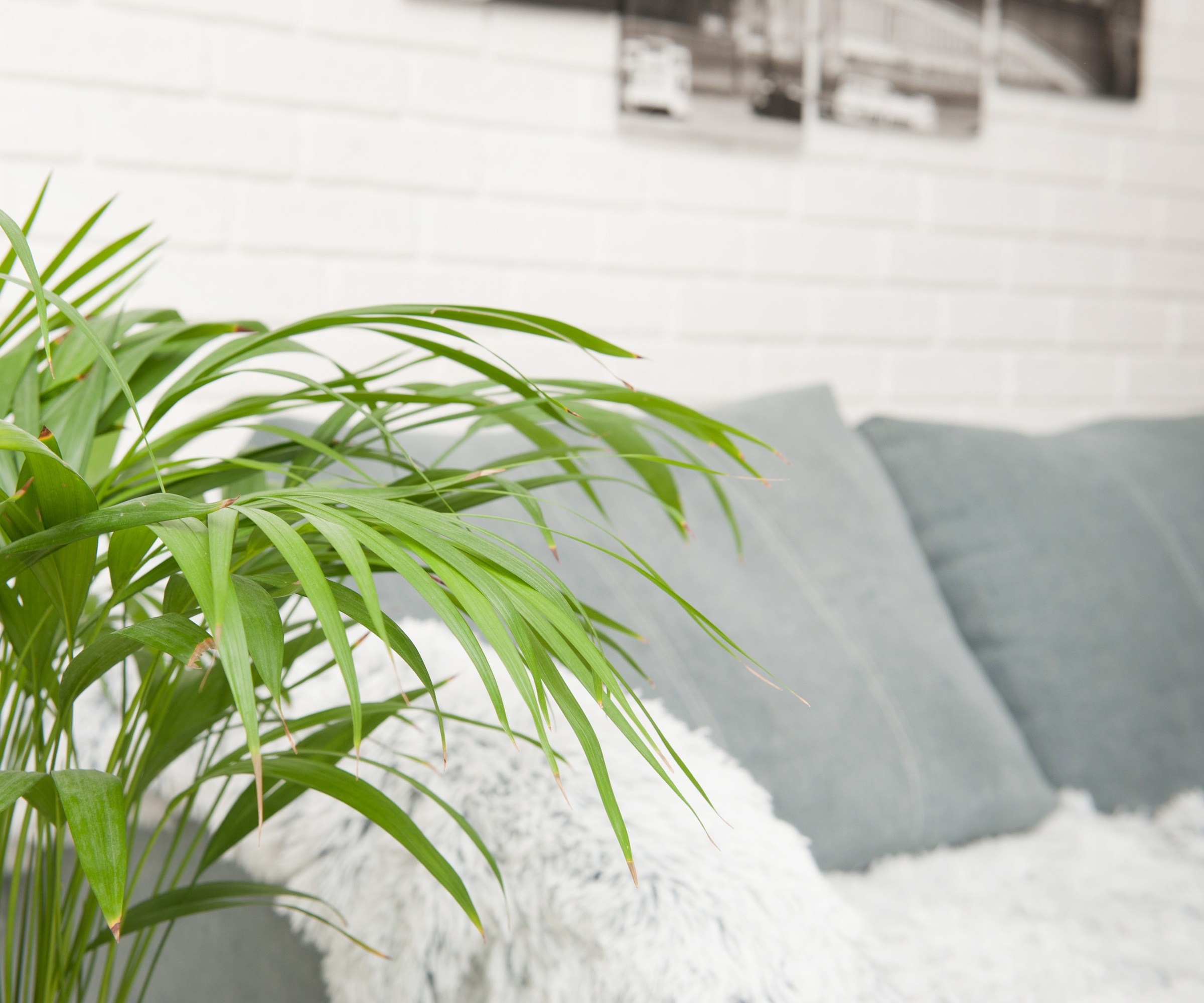
More refined than many of its stiff, highly architectural indoor palm counterparts, the areca palm exudes a delicate, feathery elegance. Beyond its visual charm, it is celebrated for its natural air-purifying capabilities and its unique knack for rebalancing indoor humidity, making it a vital asset for modern living spaces.
Main Facts: What Makes the Areca Palm Unique?
Often referred to as the butterfly palm due to the way its fronds spread outward like butterfly wings, the areca palm is native to the lush, tropical rainforests of Singapore, Malaysia, and Papua New Guinea. This heritage dictates its core environmental preferences: it thrives in warmth, high light conditions, and significant humidity.
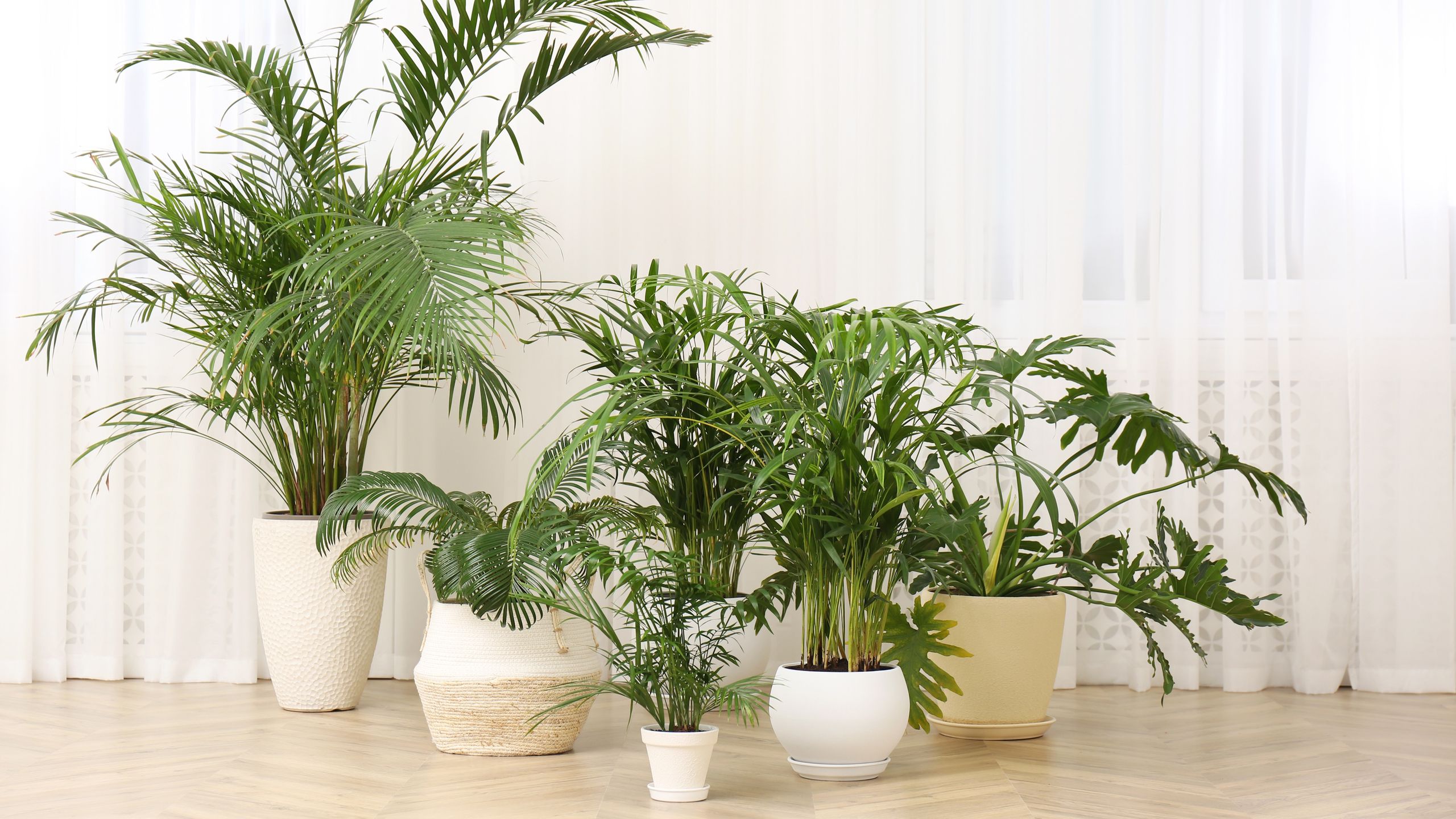
Unlike other popular indoor palms—such as the Kentia, Lady, or Majesty palms—the areca palm features a softer, fuller silhouette. This fullness is largely due to how the plants are commercially cultivated: they are typically grown with multiple individual plants potted closely together within a single container, rather than emerging from a single, isolated trunk.
Key Characteristics:
- Botanical Name: Areca catechu (commonly known as the Areca Palm or Butterfly Palm).
- Visual Profile: Soft, arching, feathery fronds breaking down into slender, delicate leaflets that help break up rigid architectural lines in home decor.
- Functional Benefits: Natural air purification and moisture regulation via botanical transpiration.
- Ideal Placement: Bright, sun-lit rooms, near south- or west-facing windows, and spaces utilizing air conditioning units.
Chronology: The Evolution of Indoor Palm Styling
The journey of the areca palm into Western interior design spans centuries, evolving from a rare Victorian greenhouse novelty to a ubiquitous staple of modern biophilic design.
- The Victorian Era (Late 19th Century): Palms first surged into mainstream interior decoration during the Victorian period, where large parlor palms symbolized exotic luxury, wealth, and a fascination with global exploration.
- Mid-20th Century Modernism: As architectural styles shifted toward clean lines and minimalist aesthetics in the mid-1900s, tropical plants were adopted to soften stark spaces, cementing the areca palm as a mid-century design favorite.
- The Modern Biophilic Boom (2010s–Present): With the rise of wellness-focused architecture and biophilic design—the practice of connecting humans more closely to nature within built environments—the areca palm re-emerged. Today, digitally native plant retailers like The Sill and large-scale agricultural operations like Costa Farms have democratized access to the plant, making it a cornerstone of contemporary urban indoor gardening.
Supporting Data: Climate Control, Transpiration, and Air Quality
Beyond its decorative merits, the areca palm serves a practical environmental purpose inside tightly sealed modern homes. Plant experts emphasize that the species functions as a natural climate-control and air-purification assistant.
1. Natural Humidification via Transpiration
During hot summer months, many households rely heavily on air conditioning units. While AC units effectively drop ambient temperatures, they systematically strip moisture out of the air, frequently leading to dry skin, irritated airways, and static electricity.
Areca palms counteract this through transpiration. Justin Hancock, a horticulturist with Costa Farms with over 25 years of industry experience, explains the mechanics:
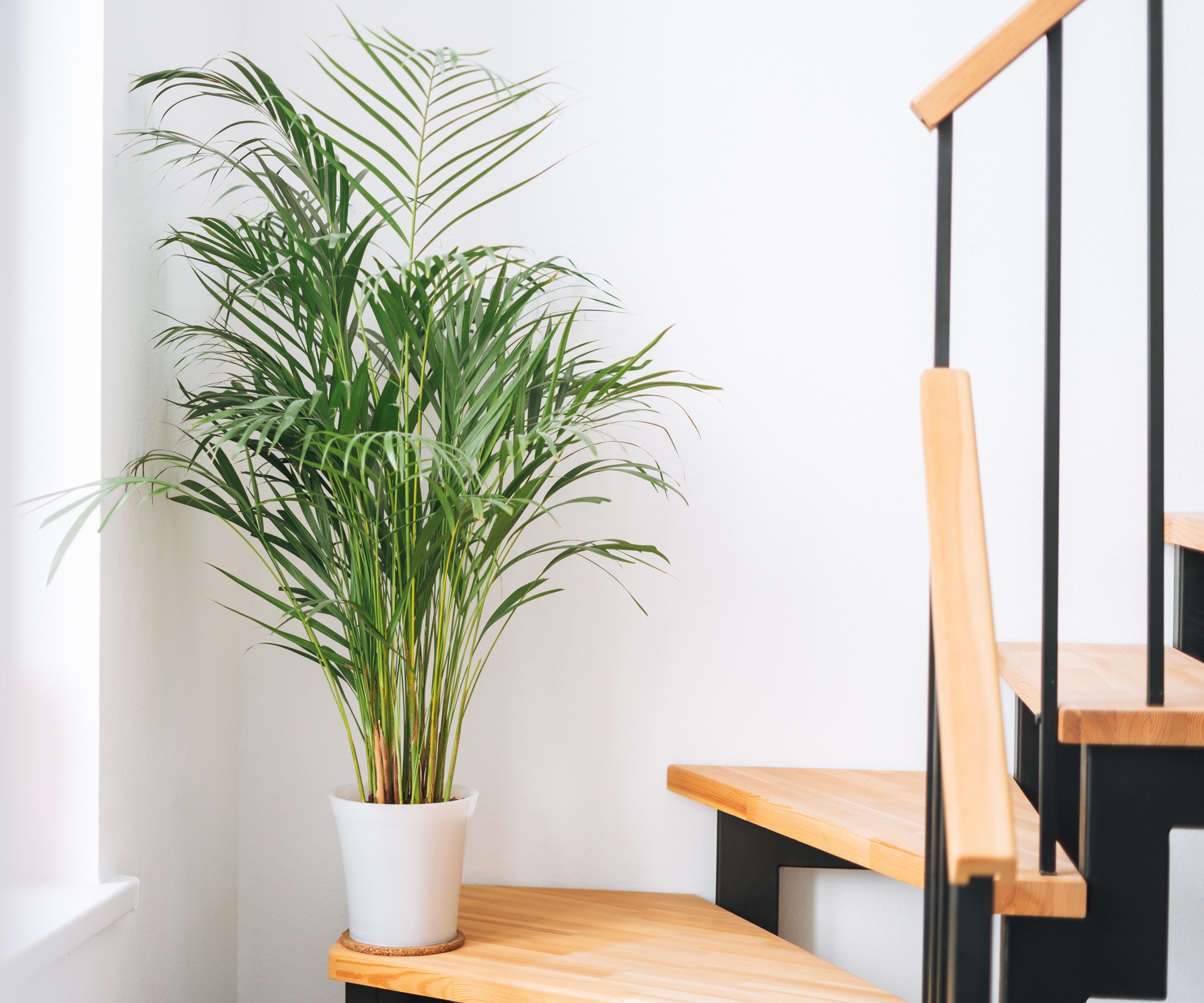
"Like all houseplants, areca palms absorb moisture from the potting mix via their roots and then release much of that moisture—along with fresh oxygen—into the air via their fronds. This is especially helpful for rooms that have an air conditioner running a lot, as the palm replenishes humidity stripped out by the cooling unit."
Because areca palms possess dense canopies of fronds and slender leaflets, their surface area is exceptionally large. Houseplant expert Lisa Eldred Steinkopf notes that this heavy foliage load allows the plant to add significantly more humidity to a localized space compared to smaller, less leafy houseplants.
2. Solar Radiation Mitigation
Placed strategically in front of bright windows during the summer, an areca palm can intercept intense solar radiation before it enters and superheats a room, offering a living green shield that filters natural light while providing organic privacy.
Official Insights: Perspectives from Top Plant Experts
To understand how to successfully incorporate and maintain an areca palm, leading voices in horticulture share their professional guidance.
-
Paris Lalicata (Head of Plant Education and Community at The Sill):
"I think the areca palm is the ultimate summer statement plant because it easily brings tropical vibes indoors with its feathery, arching fronds. It also purifies the air, giving your home that fresh outdoor air feeling even when you’re stuck inside on a sunny day! The secret is in those beautiful soft fronds that arch out gracefully. They help to break up hard lines in your space and fill empty areas with airy foliage."
-
Justin Hancock (Horticulturist, Costa Farms):
"Since the palm has so many fronds and leaflets, it may be adding more humidity than a smaller, less leafy plant… Areca palm isn’t a fan of low-light areas, so it’s probably not going to be happy in a windowless bathroom or the far side of a living room, den, or bedroom. In summer, your areca palm can do double-duty in front of a bright window by absorbing solar radiation coming in, rather than having it heat up your room."
-
Lisa Eldred Steinkopf (The Houseplant Guru):
"Don’t let your palm dry out and keep the humidity up around the plant. Add more plants around the palm or place it on a pebble tray to help. A humidifier would also help."
Implications: Interior Design, Styling, and Care Requirements
Integrating an areca palm into a residential space requires balancing its biological needs with deliberate aesthetic choices.
Styling Your Space with Areca Palms
Interior designers prize the areca palm for its adaptability across color palettes and architectural styles. Paris Lalicata notes that the vibrant green foliage pairs exceptionally well with various design schemes:

- Tropical Pops: Pair the palm with vibrant turquoise or teal accents to make the green foliage truly stand out.
- Earthy Warmth: Combine the plant with burnt oranges, ochres, and warm yellows to cultivate a cozy, grounded atmosphere.
- Textural Contrast: Justin Hancock recommends pairing areca palms with coarser-leafed houseplants, such as Monstera deliciosa, Bird of Paradise (Strelitzia nicolai), or Fiddle Leaf Figs (Ficus lyrata). The contrast between the fine leaflets of the palm and the broad, dramatic leaves of tropical cousins creates a layered, wild, biophilic display.
When it comes to containers, elevating the plant enhances its drama. Options like The Sill’s Large Pallas Floor Planter (paired with a bamboo stand) or Anthropologie’s Slatted Acacia Diamond Planter offer elevated heights that accentuate the arching canopy.
Essential Care Guidelines
To keep an areca palm thriving, owners must replicate its tropical origins:
- Light Requirements: Areca palms demand bright, indirect-to-direct light. Placing them far away from windows or in dark corners will cause them to decline. In darker rooms, supplementing with an LED grow light is essential.
- Moisture Management: The potting medium should never be allowed to dry out completely, nor should the roots sit in stagnant water. Utilizing a probe moisture meter can take the guesswork out of watering schedules.
- Humidity Control: Because these plants detest dry, cold air, keeping room temperatures above 65°F is critical. Using humidity saucers filled with pebbles and water, grouping multiple houseplants together, or running a nearby humidifier will ensure the tips of the fronds do not turn brown and crispy.
Conclusion
The areca palm remains an unrivaled choice for anyone looking to bridge the gap between interior elegance and wellness-driven home design. By acting as a living air purifier, a natural humidifier, and a striking structural statement piece, this graceful tropical plant proves that functionality and beauty can effortlessly coexist under one roof. Whether styled as a solo floor specimen in a sunlit corner or grouped within an indoor jungle, the areca palm promises to revitalize any living space into a serene, leafy retreat.
