

WASHINGTON — Hot glue guns are celebrated as the unsung heroes of the modern DIY movement. Capable of creating nearly instantaneous bonds across an extraordinary variety of materials, these inexpensive, electrically heated tools empower millions of hobbyists, home decorators, and professional artisans to bring imaginative visions to life every single day.
Yet, any dedicated crafter will readily confess to the frustrating flip side of this utility: the dreaded glue mishap. Whether it is an errant droplet that splatters onto a polished dining table, a runaway string that winds its way deep into the plush fibers of a living room carpet, or a clumsy spill that hardens irrevocably into a favorite cotton shirt, hot glue can quickly transform a relaxing creative project into an exasperating household emergency.
While the adhesive properties that make hot glue so effective during a project are precisely what make it a nightmare to clean up afterward, the battle is far from lost. According to home maintenance experts and professional cleaners, you do not need expensive commercial solvents or specialized industrial gear to reverse a sticky catastrophe. Instead, the most effective remedies rely on common household items—specifically, the principles of extreme thermal manipulation and everyday chemical breakdown.
Main Facts: The Science Behind Hot Glue and Its Removal
To successfully remove hot glue without damaging your belongings, it helps to understand what the material actually is. Most consumer hot glue sticks are composed of thermoplastic polymers—primarily ethylene-vinyl acetate (EVA)—along with tackifiers and wax additives. These compounds are solid at room temperature, melt into a viscous liquid when heated within a glue gun, and rapidly resolidify as they cool down and transfer their thermal energy to the surrounding environment.
Because these polymers are designed to grip microscopic crevices and wrap securely around individual fibers when molten, simply pulling or scraping at dried glue often leads to disaster, particularly on fabrics and carpets. Tearing at the adhesive can shred delicate textiles or drive the resin deeper into a pile.
Fortunately, the very chemical bonds that make hot glue so stubborn can also be manipulated:
- Thermal Shock (Freezing): Exposing EVA polymers to extreme cold causes them to lose their flexibility, turning brittle and losing their grip on smooth surfaces.
- Re-melting: Applying controlled heat can soften the adhesive just enough to transfer it away from a delicate substrate, such as a carpet, onto a sacrificial barrier cloth.
- Chemical Degradation: Solvents like isopropyl (rubbing) alcohol interfere with the polymer matrix, effectively weakening the bond between the glue and hard surfaces without requiring destructive scraping.
Chronology: A Step-by-Step Evolution of the Cleanup Process
Over the years, home-improvement authorities and textile conservators have refined the most efficient workflows for addressing adhesive spills. The following chronological protocols detail how to handle mishaps across three distinct environments: fabrics, hard surfaces, and carpets.
Phase 1: Eradicating Hot Glue from Fabric and Apparel
When a hot glue droplet hits a garment, panic often ensues. However, attempting to wipe or pick at the hot adhesive will only smear it further. Follow this time-tested sequence instead:
- Let It Cure Completely: Never attempt to touch or wipe wet hot glue on fabric. Allow the adhesive to cool and harden entirely. Touching it while warm will only press the molten polymer deeper into the weave.
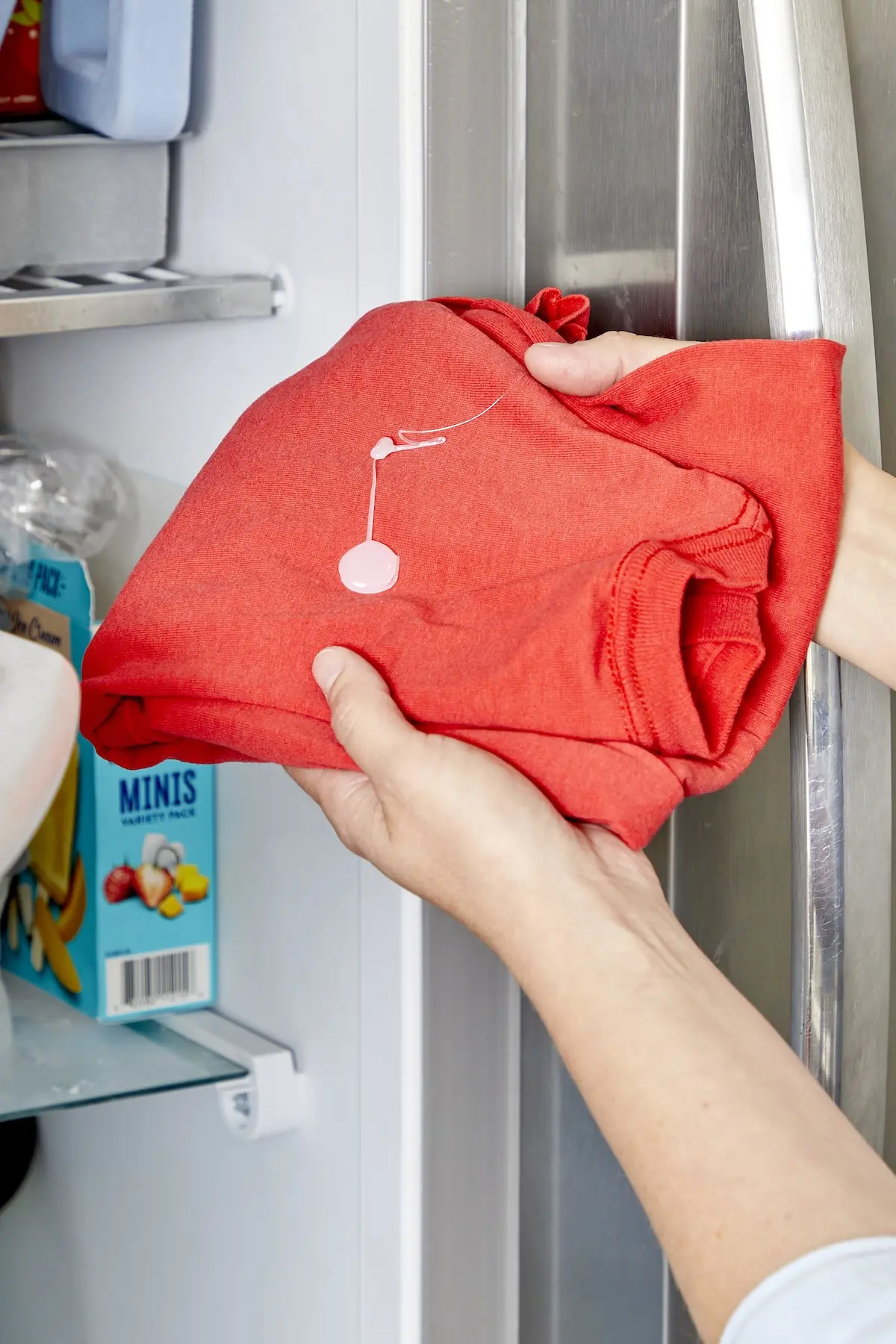
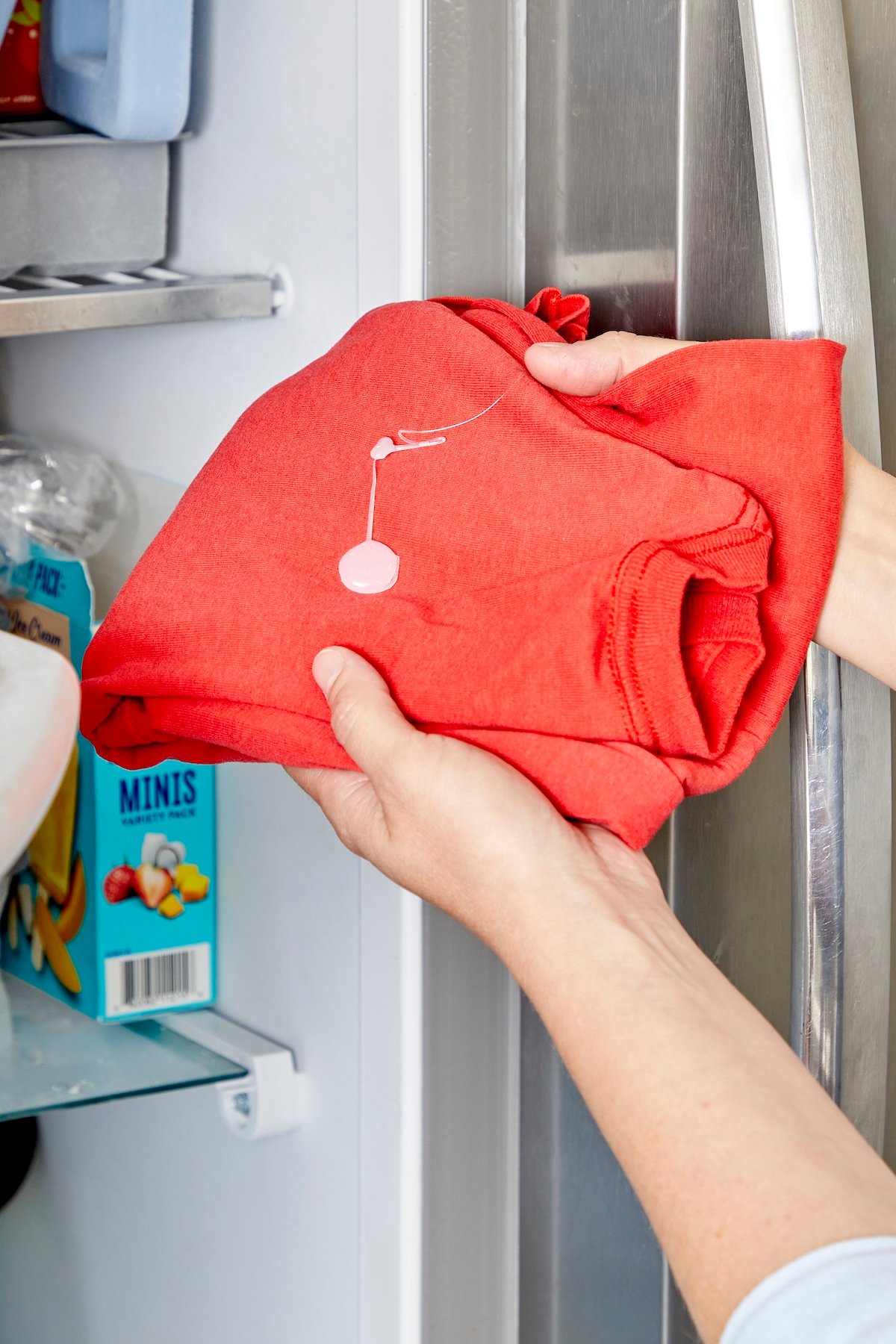
- The Freezer Method (30 Minutes): Place the sticky clothing item directly into the kitchen freezer for approximately 30 minutes. If the garment is too large, pack a portable cooler with ice or cold packs and lay the stained section directly against the chilled surface. The extreme cold causes the thermoplastic to become brittle.
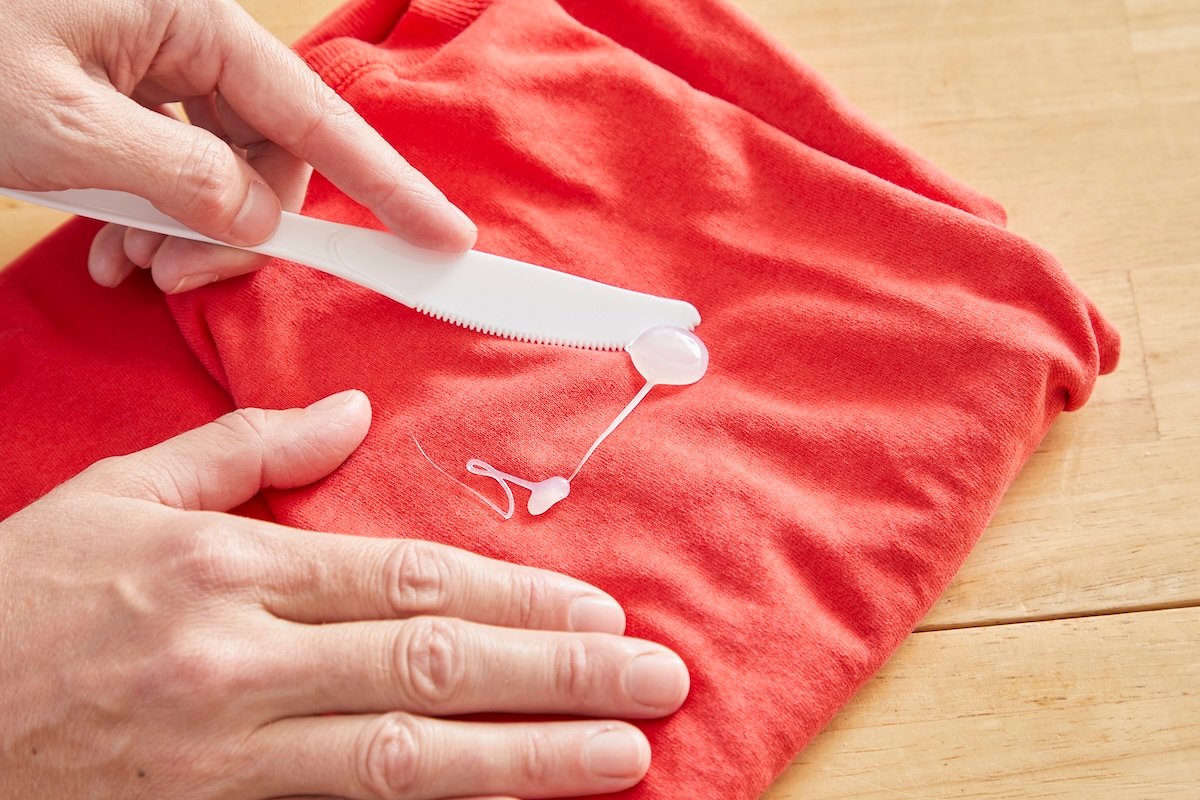
- Mechanical Removal: Remove the item from the cold environment and immediately lay it on a firm, flat work surface. Flex the fabric gently around the edges of the hardened glue to help it fracture. Carefully pick at the edges using your fingernails or nudge the deposit away using a dull butter knife or spoon. Exercise extreme caution if working with delicate textiles like lace, chiffon, or sheer curtains.
- Residue Treatment and Laundering: Once the bulk of the solid glue is gone, examine the fabric for residual stickiness. Pretreat any remaining tacky spots by rubbing standard liquid laundry detergent directly into the fibers. Allow it to sit for 10 to 15 minutes before running the garment through a normal wash cycle. Crucial Warning: Never machine-dry the garment on high heat until you are 100% certain every trace of the glue and residue has been completely eliminated; residual heat can permanently bake the polymer into the textile fibers.
Phase 2: Eliminating Adhesive from Hard Surfaces
Countertops, hardwood tables, tile, and glass frequently bear the brunt of craft-room overflows. Rather than breaking out metal scrapers that can gouge fine wood finishes, utilize chemistry.
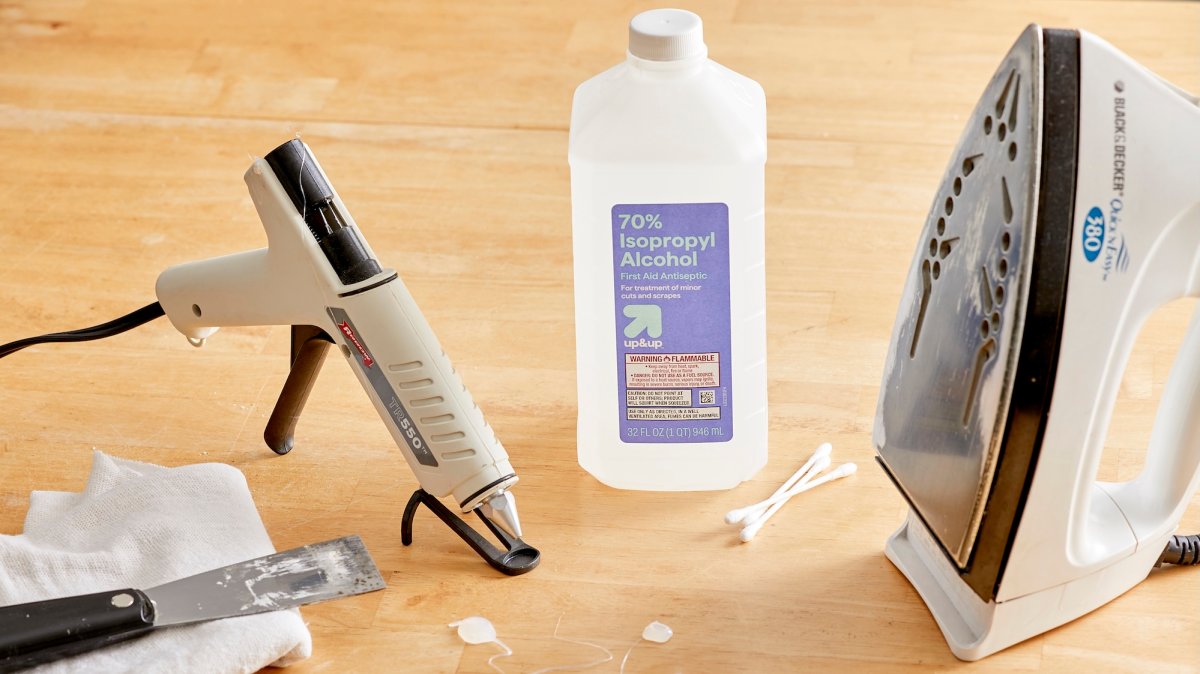
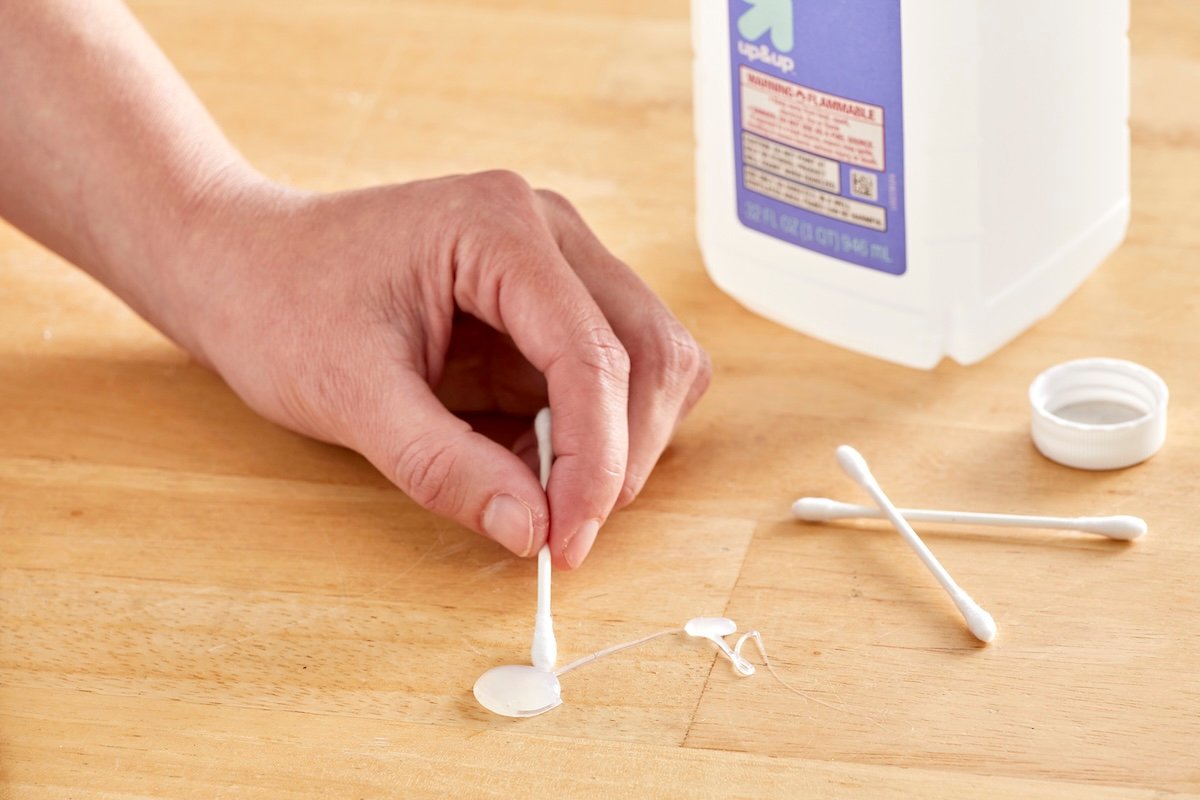
- Apply Isopropyl Alcohol: Reach for standard rubbing alcohol (70% concentration works well, though 90% or higher acts faster). Dip a cotton swab, Q-tip, or a small paintbrush into the alcohol and saturate the perimeter of the glue spot. Paint inward from the edges so the liquid penetrates the boundary where the glue meets the hard surface.
- Allow Penetration Time: Give the alcohol a few moments to work its way beneath the adhesive. Isopropyl alcohol acts as a debonding agent, weakening the adhesive grip without harming most sealed surfaces.
- Gently Peel and Lift: Try to slide a fingernail or a plastic or wooden scraper underneath the edge of the glue. If it resists, dab a bit more alcohol onto the spot and wait another minute. Once the bond releases, gently roll or lift the glue away.
- Final Wipe-Down: Clean the area with a damp cloth to remove any remaining alcohol or sticky film, then dry the surface thoroughly before returning it to active service.
Phase 3: Rescuing Carpets and Rugs
Carpets present a unique challenge because the pile fibers mimic the threads of a fabric, but the backing is rigid and cannot be put into a freezer.
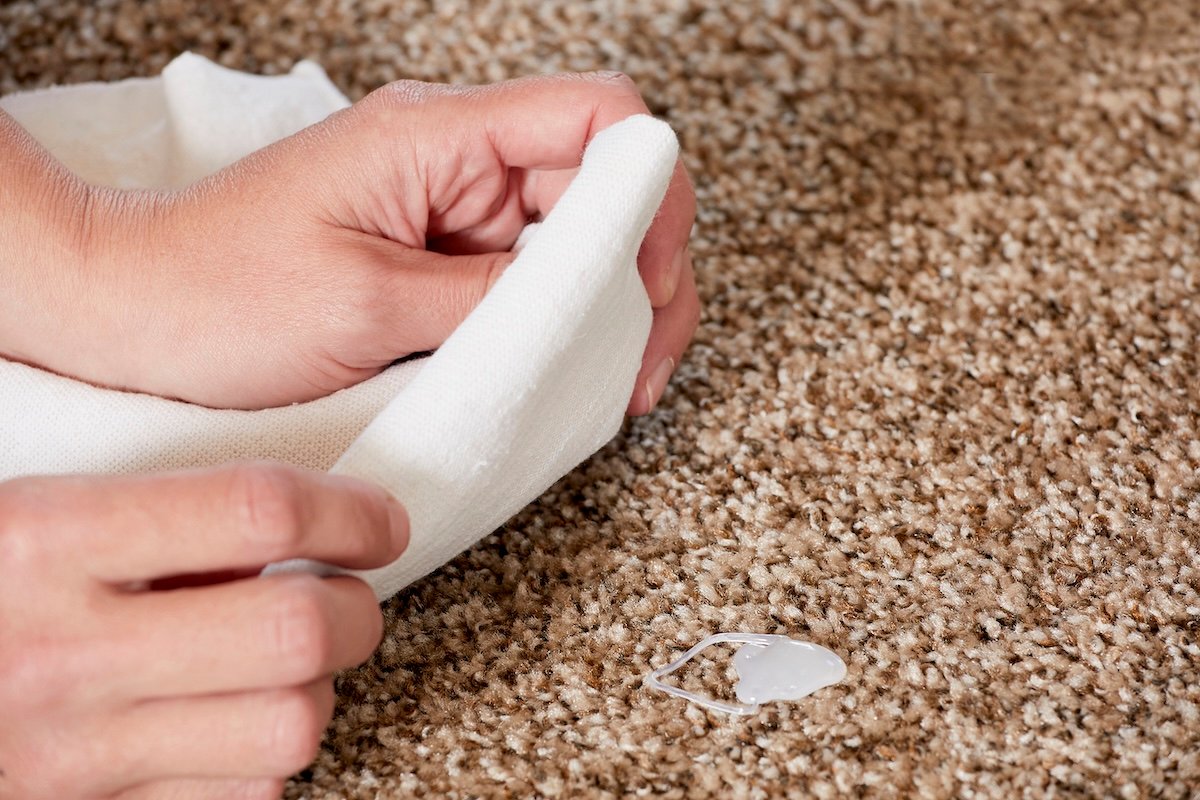
- Cover with a Sacrificial Cloth: Ensure the spilled glue on the carpet is completely dry. Lay a clean, durable, heat-resistant white cotton rag or cloth directly over the hardened glue spot. Avoid colored fabrics that might bleed dye onto your carpet under heat.
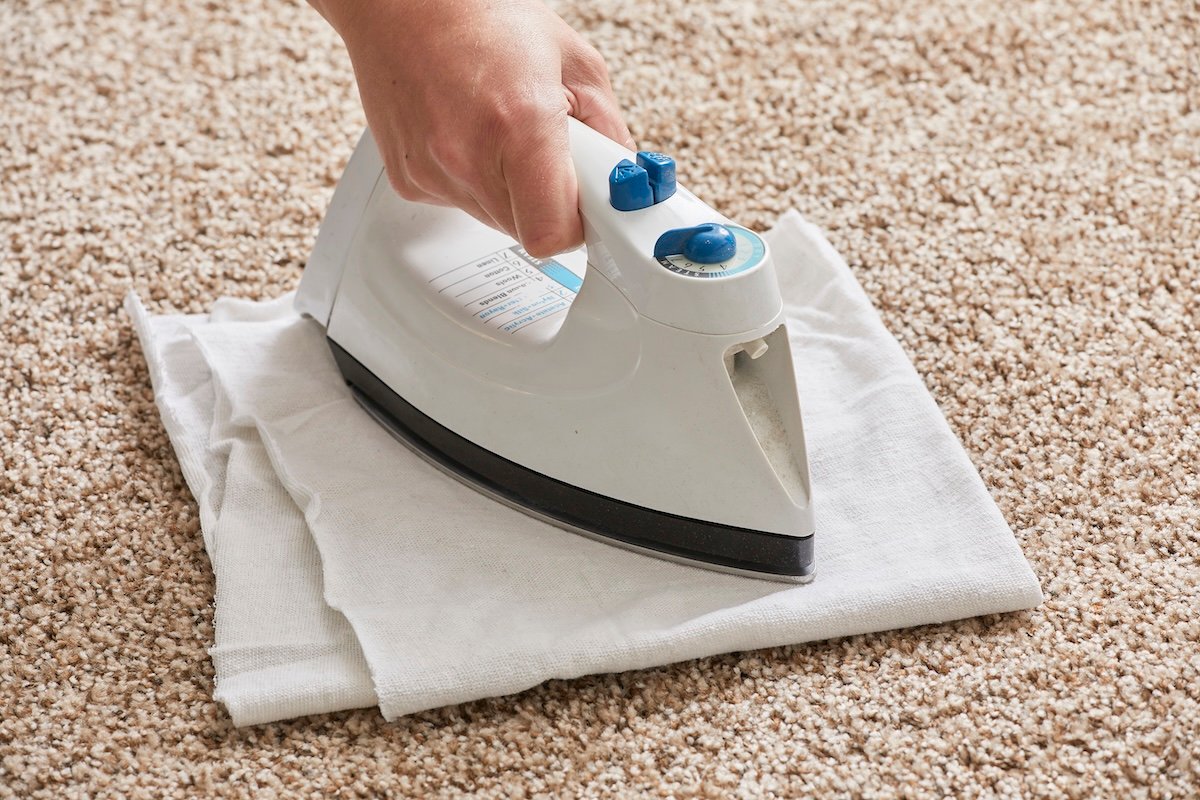
- Apply Controlled Heat: Heat a standard household clothing iron to a medium-high setting. Place the hot iron directly on top of the cloth covering the glue. Do not slide or iron back and forth in a sweeping motion, as this will only spread the melted adhesive across a wider area of carpet. Simply press straight down to transfer heat through the cloth into the glue.
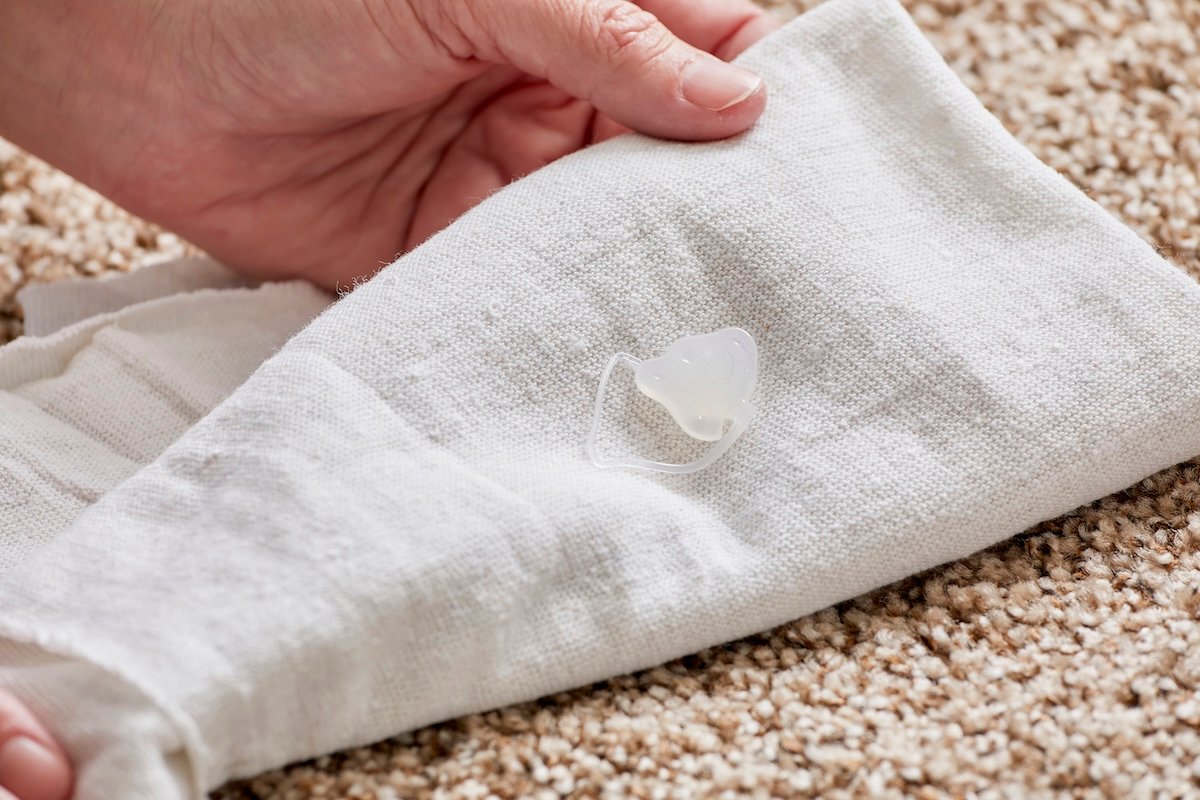
- Transfer the Adhesive: As the heat penetrates, the hot glue will soften and re-adhere itself upward into the cotton rag rather than remaining trapped in the carpet fibers.
- Repeat and Inspect: Lift the cloth to check progress. Move to a clean section of the rag and repeat the pressing process until all traces of the glue have abandoned the carpet and bonded to the cloth. Finally, use a targeted carpet spot cleaner or a dab of rubbing alcohol to lift any minor leftover residue, taking care to spot-test an inconspicuous area of the rug first.
Supporting Data: Understanding Adhesive Vulnerabilities
While crafting trends continue to grow exponentially—with the global hot melt adhesives market expanding steadily year over year—household mishaps remain an inevitable byproduct of DIY culture. Consumer surveys and home-care data consistently highlight a few foundational truths regarding adhesive removal:
- Success Rates by Method: Thermal shock (freezing) boasts a success rate of over 85% for removing solid chunks of glue from smooth surfaces and dense synthetic fabrics.
- Chemical Efficacy: Isopropyl alcohol reduces the shear strength of EVA-based hot glues by more than 70% within two minutes of application, making it the gold standard for hard-surface cleanup.
- The Cost of Impatience: Statistics from professional residential cleaners indicate that more than 60% of permanent carpet and clothing damage caused by hot glue results from premature attempts to wipe or scrape the adhesive while it is still in its semi-molten state.
Official Responses and Expert Insights
Home maintenance authorities and interior preservation specialists emphasize that prevention and patience remain the ultimate safeguards against permanent crafting damage.
"The single biggest mistake people make is panicking," notes home-care specialist and DIY commentator Marcus Vance. "When someone sees a glob of hot glue land on a wool rug or an expensive silk blouse, their instinct is to swipe at it immediately with a wet paper towel. That is almost always the worst possible reaction. Letting the physics of the material work for you—whether through freezing or controlled chemical breakdown—turns a potential disaster into a minor, five-minute chore."
Furthermore, safety advocates remind crafters to exercise caution when combining heat sources, such as clothing irons, with synthetic carpets. Overheating synthetic fibers can cause permanent melting and discoloration that mimics burn damage, making temperature regulation during the carpet-cleaning phase critical.
Implications: Protecting Your Home While Unleashing Creativity
As do-it-yourself culture and home crafting remain popular pastimes, understanding how to manage accidental adhesive spills is an essential life skill. The implications of knowing these straightforward removal techniques extend far beyond saving a single T-shirt or a kitchen table.
By mastering the simple science of thermal shock and solvent debonding, crafters can approach their projects with greater confidence and significantly less anxiety. There is no longer any need to fear the occasional stray drop of glue from the nozzle. Armed with a freezer, a bottle of rubbing alcohol, a household iron, and a bit of patience, any homeowner can easily reverse the damage, protect their home furnishings, and keep their focus squarely where it belongs: on the joy of creation.
