

Introduction
In the commercial roofing and construction sectors, field ingenuity has long been celebrated as a survival trait. For decades, contractors working under tight deadlines, unpredictable weather, and demanding physical conditions have relied on resourcefulness to keep projects moving. However, as the industry celebrates milestones of longevity—including companies marking 70 years of service to the roofing trade—industry veterans and safety experts are issuing a critical warning: some traditional field repairs pose severe, life-threatening risks.
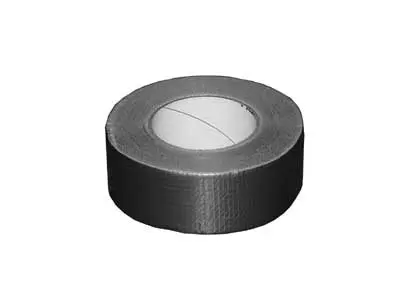
Among these makeshift solutions, none is more ubiquitous, or more dangerous, than duct tape. While highly effective for securing non-hazardous gear, the use of duct tape as a universal repair mechanism for pressurized gas lines and electrical components has emerged as one of the roofing industry’s most persistent safety hazards.
Main Facts: The Anatomy of a Hazardous Quick-Fix
The fundamental danger of duct tape on a modern jobsite lies in its ability to provide a false sense of security. When a minor equipment failure occurs, workers often default to a quick patch to avoid downtime. However, safety professionals draw a sharp distinction between cosmetic repairs and those involving critical energy pathways.
+-------------------------------------------------------------------------+
|                      THE DUCT TAPE SAFETY SPECTRUM                      |
+------------------------------------+------------------------------------+
|       ACCEPTABLE FIELD USES        |      HAZARDOUS/FORBIDDEN USES      |
+------------------------------------+------------------------------------+
| * Securing a broken knee pad strap | * Patching leaking propane hoses   |
| * Patching a hole in a work glove  | * Wrapping cut extension cords     |
| * Bundling non-electrical items    | * Repairing high-wattage tool cords|
+------------------------------------+------------------------------------+
The Physical Hazards of Masking Propane and Electrical Faults
- Liquid Petroleum (LP) Gas Hoses: When a propane hose connected to an LP torch develops a leak, the danger of fire or explosion is immediate. While a worker might smell the odorant (ethyl mercaptan) added to propane or spot the physical damage of a tear, wrapping the hose in duct tape does not seal the pressurized gas. Instead, it merely diffuses the leak or masks the tear, allowing gas to accumulate beneath the tape until it finds an escape path, often resulting in a sudden flash fire when ignited by the torch.
- Electrical Extension Cords: Unlike gas, electrical current is completely silent, odorless, and invisible. When an extension cord’s outer jacket is cut, exposing the inner insulated wires or the bare copper conductors, wrapping it in duct tape is a highly dangerous practice. Duct tape is not rated for electrical insulation; it lacks the dielectric strength required to contain voltage. A taped cord remains a live shock and electrocution hazard, particularly on wet roofing decks where water can easily penetrate the adhesive backing of the tape.
Impact on Sensitive Electronic Equipment
Beyond the immediate threat of electrocution and fire, compromised power cords pose a direct threat to high-value roofing equipment. Modern commercial roofing heavily relies on precise thermoplastic welding, utilizing advanced hot-air welders such as those manufactured by Leister.
These electronic tools require a stable, unvaried wattage to maintain the consistent temperatures necessary for welding TPO (Thermoplastic Polyolefin) and PVC membranes. When an extension cord has internal physical damage—even if taped over—the resistance of the wire changes. This resistance causes voltage drops and wattage fluctuations. These variances can permanently damage the sensitive internal electronic control boards and heating elements of the welders, turning a cheap "tape fix" into a multi-thousand-dollar equipment replacement bill.
Chronology: Seven Decades of Roofing Innovation and Safety Evolution
To understand how the "duct tape fix" became so deeply embedded in roofing culture, it is necessary to examine how safety standards and technology have evolved over the last 70 years.
[1950s - 1960s] --------------------------------------------------------+
  | Era of manual labor, asphalt kettles, and rudimentary safety.       |
  | Improvisation is standard practice; formal regulations are scarce.  |
                                                                        |
[1970s] ----------------------------------------------------------------+
  | Congress passes the OSH Act of 1970.                                |
  | Strict guidelines for electrical safety on jobsites are introduced.  |
                                                                        |
[1980s - 1990s] --------------------------------------------------------+
  | Single-ply membranes (TPO/PVC) emerge, requiring electrical welders.|
  | Jobsites transition from open flames to high-wattage electric tools.|
                                                                        |
[Modern Era (2000s - Present)] -----------------------------------------+
  | Advanced digital tools dominate. Strict safety cultures clash with  |
  | legacy "quick-fix" habits on the roof deck.                         |
1950s–1960s: The Era of Manual Labor and Improvisation
Seventy years ago, the commercial roofing landscape was dominated by built-up roofing (BUR) systems, hot asphalt, and coal tar pitch. Equipment was largely mechanical, and electrical tools on the roof deck were rare. Jobsite safety was largely left to the discretion of the foreman. In this environment, field improvisation was not only accepted but expected; if a tool broke, the crew fixed it with whatever materials were on hand to avoid halting the asphalt kettle.
1970s: The Birth of Modern Regulation
The passage of the Occupational Safety and Health Act (OSH Act) of 1970 marked a turning point. For the first time, federal standards mandated specific safety protocols for construction sites. Electrical safety became a focal point, as regulators recognized the high rate of electrocutions associated with early portable power tools and poorly maintained temporary wiring.
1980s–1990s: The Shift to Thermoplastics and High-Wattage Equipment
The introduction and rapid adoption of single-ply roofing membranes (TPO and PVC) shifted the energy demands on the roof. Instead of relying solely on open-flame torches and asphalt kettles, contractors increasingly deployed high-wattage electrical equipment, including automatic hot-air welding machines. This technological shift significantly increased the number of extension cords running across roof decks, elevating the risk of electrical hazards.
Modern Era: High-Tech Tooling vs. Legacy Habits
Today, commercial roofing utilizes sophisticated, digitally controlled welding systems. Despite these technological advancements, the legacy habit of using duct tape for quick equipment patches persists. This clash between modern, sensitive electronic tooling and mid-century "quick-fix" habits remains a primary focus for safety directors trying to eliminate jobsite hazards.
Supporting Data: Quantifying the Risk of Jobsite Electrical Hazards
Data compiled by safety organizations underscores the severe risks associated with compromised electrical cords and makeshift repairs in the construction sector.
Electrocution Statistics in Construction
Electrocution consistently ranks as one of the Occupational Safety and Health Administration’s (OSHA) "Fatal Four" leading causes of death in the construction industry. According to data from the Bureau of Labor Statistics (BLS):
- Electrocutions account for approximately 7% to 8% of all construction fatalities annually.
- A significant portion of these incidents involve contact with damaged extension cords, temporary wiring, or tools that lack proper grounding.
- On roofing jobsites, the hazard is compounded by environmental factors; wet roof decks, standing water, and metal flashings significantly increase the conductivity of the work environment.
The Cost-Benefit Analysis of Replacement vs. Failure
A financial analysis of jobsite equipment maintenance reveals that patching damaged components is a highly inefficient economic strategy.
| Asset / Scenario | Cost of Proper Action (Repair/Replace) | Cost of Failure (Property Damage/Fines/Injury) |
|---|---|---|
| Heavy-Duty Extension Cord | $50 – $150 (Replacement) | $5,000+ (Damage to connected Leister Welder) |
| LP Gas Hose | $40 – $80 (Replacement) | $15,000+ (OSHA Citation) to $1M+ (Fire/Injury Liability) |
| Field Inspection & Tagout | 10 minutes of labor ($10) | $12,000+ (Initial OSHA Serious Violation fine) |
Official Responses: Regulatory Standards and Safety Protocols
Regulatory bodies and safety manufacturing experts maintain a zero-tolerance policy regarding damaged electrical cords and pressurized lines on construction sites.
OSHA Regulations on Jobsite Extension Cords
OSHA has established strict standards governing the use of temporary electrical connections on jobsites. Key regulations under 29 CFR 1926.403 and 1926.405 include:
- Mandatory Visual Inspections: Each extension cord and plug must be visually inspected by a competent person before use on any shift. Any cord found to be worn, frayed, or damaged must be immediately removed from service.
- Three-Pronged Grounding: All extension cords must have a continuous ground path, utilizing a three-pronged plug, unless the connected tool is explicitly rated and labeled as double-insulated.
- Prohibition of Flat-Wire Cords: Flat-wire cords are strictly prohibited on construction sites. Only round, double-insulated, heavy-duty cords (such as type S, SO, ST, or STO) are permitted due to their superior resistance to physical wear and environmental exposure.
- No Splices or Tape Repairs: OSHA standards prohibit the splicing of extension cords unless the repair recreates the original structural and insulating integrity of the cord (typically requiring vulcanized or molded shrink-tubing repairs performed by a qualified electrician). Simple wraps of duct tape or standard electrical tape over cut insulation do not meet this standard.
                 OSHA-COMPLIANT INSPECTION WORKFLOW

                    +--------------------------+
                    |  Inspect cord before     |
                    |  the start of the shift  |
                    +-------------+------------+
                                  |
                   Is there any cut, fray, or
                   missing grounding prong?
                    /
                 YES              NO
                  /
  +--------------v-----------+   +--v-----------------------+
  | * Remove cord from site  |   | Cord is safe for use.    |
  | * Tag "Do Not Use"       |   | Connect to GFCI-protected|
  | * Send to professional   |   | outlet and proceed.      |
  |   repair or discard      |   +--------------------------+
  +--------------------------+
Implications: The High Cost of Compromise
The decision to use duct tape as a quick fix on a roofing jobsite carries profound operational, legal, and safety implications.
Operational and Equipment Longevity
When contractors bypass proper repair protocols, they risk damaging their most expensive assets. High-end hot-air welders are engineered to operate within very narrow electrical tolerances. When powered by compromised, taped cords that experience voltage drops, these machines suffer from chronic overheating and electrical strain, leading to premature component failure and costly project delays.
Legal and Financial Liability
Allowing the use of taped cords or damaged gas lines exposes roofing contractors to severe civil and criminal liabilities. In the event of an inspection, OSHA can classify taped cords as "willful" or "repeat" violations, which carry significantly higher financial penalties. If a worker is injured or killed due to a known, taped hazard, the company faces catastrophic personal injury lawsuits, workers’ compensation claims, and potential criminal negligence charges.
Professional Solutions and Best Practices
To mitigate these risks, commercial roofing contractors should implement the following protocols:
- Implement a Strict Tagout Program: Any cord or hose showing signs of wear, cuts, or degradation must be immediately cut at the plug (to prevent accidental reuse), tagged, and sent to a certified repair facility.
- Utilize Authorized Repair Services: Rather than attempting field repairs, contractors should leverage specialized repair services. Industry providers, such as Roofmaster, maintain dedicated repair experts at their facilities to professionally inspect, repair, and recertify tools, hoses, and electrical components.
- Use the Right Tool for the Right Job: Duct tape has legitimate, temporary uses, such as minor weatherproofing or securing a temporary tarp. However, for actual roofing repairs or temporary sealants, contractors should use engineered commercial products—such as U-Seal Band—which are specifically designed to provide durable, weather-tight seals.
Ultimately, the cost of replacing a damaged hose or extension cord is negligible compared to the thousands of dollars in equipment damage, regulatory fines, and the invaluable cost of human life. Eliminating the "duct tape quick-fix" mentality is a vital step toward modernizing jobsite safety in the roofing industry.
