

By Global Tech Desk
Published: July 2026
Main Facts: The Anatomy of a PR Disaster
In an era defined by corporate tone-deafness, Sony has managed to author a masterclass in alienating its core consumer base. Over the past week, the entertainment and technology giant has flooded PlayStation user inboxes with its comprehensive, unvarnished Terms of Service (ToS)—complete with a stark, legally binding reminder that digital video games are strictly "licensed" rather than "sold."
Ordinarily, sending out updated End User License Agreements (EULAs), Codes of Conduct, and Privacy Policies is routine corporate compliance. However, timing is everything. Sony’s digital reminder landed precisely as the gaming community reached a boiling point over the company’s structural pivot away from physical media.
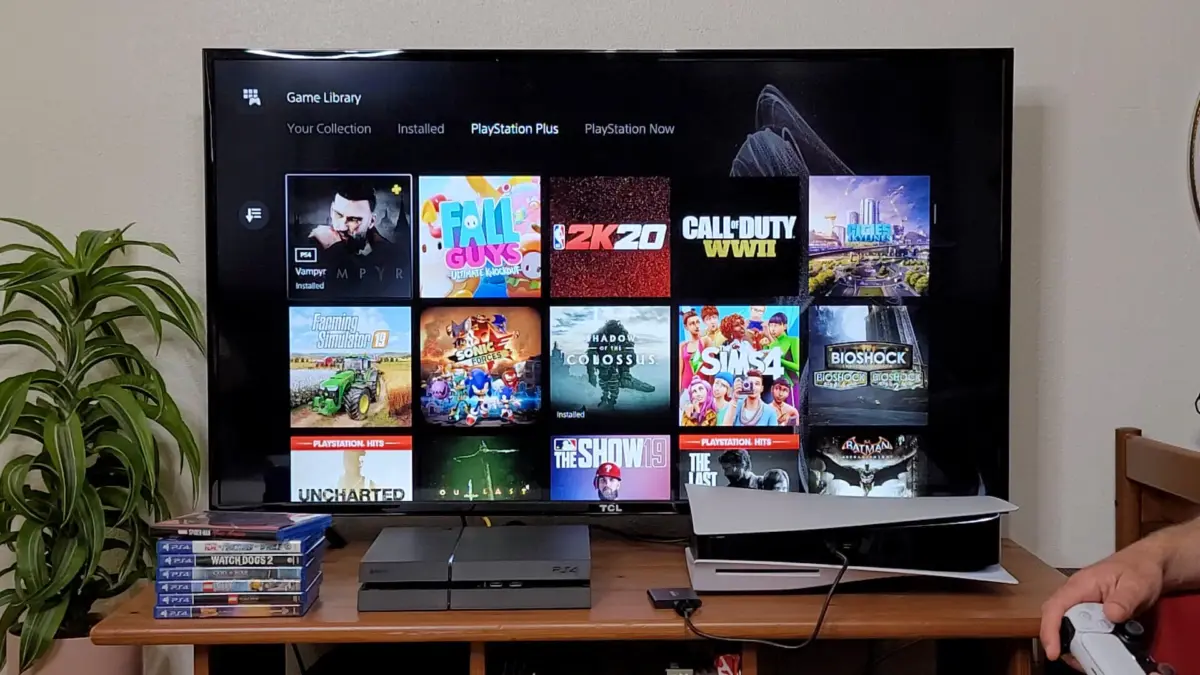
The cascading grievances began when Sony confirmed that the upcoming PlayStation 6 will entirely omit a physical disc drive, followed quickly by an official announcement that the company will cease the production of physical game discs altogether by January 2028. Compounding the outrage, this seismic policy shift arrived just days after Sony stripped several digitally purchased StudioCanal films directly from user accounts without warning or compensation.
The intersection of these events has transformed a standard legal notification into what industry analysts are calling an aggressive psychological flex—reminding players that in the modern digital ecosystem, consumers own nothing, while multi-billion-dollar conglomerates control everything.
Chronology of a Crisis: How We Got Here
To understand the scale of the current backlash, one must look at the rapid sequence of events that pushed consumers from passive acceptance to active revolt:
- Mid-June 2026: Users discover that previously purchased digital content—specifically StudioCanal movies—has vanished from their PlayStation accounts due to expired streaming and distribution licenses. The incident ignites renewed debates over the fragility of digital libraries.
- Late June 2026: Sony announces its hardware roadmap for the next decade, confirming that the PlayStation 6 will debut as a strictly all-digital console.
- June 26, 2026: In a follow-up press release, Sony drops the hammer: physical game disc manufacturing will wind down permanently, with a hard stop scheduled for January 2028.
- Early July 2026: Sony deploys mass email campaigns to its global user base containing updated Terms of Service. Buried within the boilerplate legal text is the explicit clarification that digital game purchases convey only a revocable license, not personal property rights.
- July 12–19, 2026: High-profile tech journalists, including Tom Warren of The Verge, broadcast the jarring email on social media. Public outrage coalesces into an organized consumer movement, sparking calls for a global PlayStation boycott.
Supporting Data and Industry Context: The War on Ownership
Sony’s aggressive posture is not an isolated anomaly; it is the bleeding edge of a broader, systemic industry shift away from tangible property rights and toward access-based leasing models. Across the technology sector, consumer agency is being systematically dismantled in favor of recurring revenue streams and airtight digital rights management (DRM).
1. The Gaming Sector: The Phasing Out of the Disc
For decades, physical game discs offered consumers fundamental rights enshrined in the "First Sale Doctrine"—the legal principle that once you buy a physical item, you have the right to keep it, lend it to a friend, resell it on the secondhand market, or pass it down as an heirloom.
By eliminating the disc drive and halting physical production, Sony—alongside competitors eyeing similar moves—effectively eliminates the secondhand market. Gamers are forced into closed-ecosystem digital storefronts where prices are dictated by a single vendor, sales are controlled by corporate algorithms, and access can be revoked at any moment.
2. The Peripherals Trap: HP and "Smart" Hardware
This war on ownership extends far beyond entertainment software. Consider the recent controversy surrounding HP printers. HP engineered its hardware to detect and lock out users attempting to utilize third-party ink cartridges. Consumers pay hundreds of dollars for a physical printer, believing they own it outright, only to find the device rendered inoperable unless they subscribe to official, high-margin consumable supplies.

3. Computing and Subscriptions: Apple’s Hardware Leasing
Apple recently adjusted MacBook pricing upward while introducing leasing initiatives that effectively rent laptops to consumers who can no longer afford outright purchases. Under these schemes, failing to maintain lease payments allows the corporation to remotely lock down the device, transforming a personal computer into a temporary subscription service.
4. Streaming and Digital Media Decay
In the realms of music and film, the subscription model has reigned supreme for over a decade. Consumers have largely traded physical collections of CDs and DVDs for cloud access. Yet, this convenience comes with hidden costs. Entire musical discographies—such as the sudden disappearance of rock band Coheed and Cambria’s catalog from YouTube Music during licensing disputes—vanish mid-stream without consumer consent.
Official Responses and Industry Silences
As the grassroots movement gained momentum, consumer advocacy groups and gaming forums erupted with criticism. A coordinated PlayStation Boycott launched over the weekend, with millions of players pledging to abstain from logging into the PlayStation Network, purchasing new digital titles, or engaging with Sony hardware for a full week.
Despite the mounting pressure, Sony’s corporate leadership has maintained a calculated silence regarding the specific backlash. Representatives have fallen back on standard corporate messaging, emphasizing that modernized terms of service are necessary to comply with evolving international digital trade regulations, data protection laws, and anti-piracy frameworks.
Industry analysts note that tech conglomerates are bracing for temporary public relations storms whenever they transition consumers to new paradigms. History suggests that while online backlash can be fierce, convenience often wins out in the long run—though the complete eradication of physical media represents an unprecedented crossing of the Rubicon.
Implications: What Does the Future Hold for Consumers?
The standoff between Sony and its consumer base carries profound implications for the future of digital commerce, consumer rights, and the generational divide in tech consumption.
The Death of the "First Sale Doctrine"
As software, movies, music, and hardware increasingly transition to lease-only models, the traditional legal concept of ownership is effectively dying. Consumers are paying premium prices—often equal to or exceeding the historic costs of physical goods—for the privilege of temporary access. If a server shuts down, a licensing deal expires, or a user violates an arbitrarily updated Code of Conduct, decades of digital investment can evaporate overnight.
Generational Nostalgia and Alienation
For Millennials and older generations who grew up stacking physical CD racks, building bookshelves of video game cases, and trading cartridges on the playground, the current digital landscape feels increasingly hollow. There is a deep, psychological toll to realizing that the cultural artifacts we hold dear do not belong to us.
The Path Forward: Resistance or Resignation?
The ongoing PlayStation boycott represents a critical litmus test. Can organized consumer pushback force multi-billion-dollar corporations to reconsider anti-consumer policies, or is the shift toward total digital feudalism irreversible?
If Sony successfully weathers the storm and phases out physical discs by 2028, it will establish a dangerous precedent for the entire technology sector. Competitors will undoubtedly follow suit, cementing a future where consumers own nothing, lease everything, and dance entirely to the tune of corporate terms of service. For now, the gaming community is drawing a line in the sand—proving that while corporations may control the servers, they cannot completely extinguish the human desire to truly own what we buy.
