

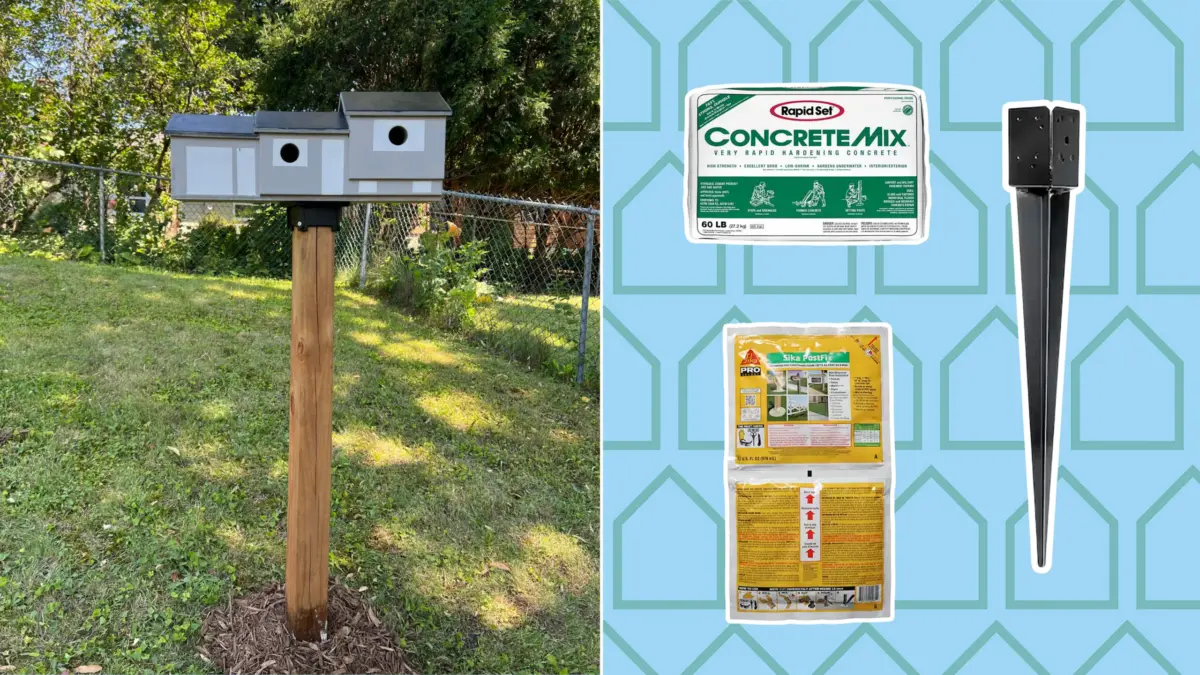
When it comes to home improvement and backyard landscaping, few projects test a DIYer’s patience and physical endurance quite like setting fence or utility posts. Whether you are framing a vegetable garden to keep out local wildlife, installing a privacy fence, hanging a swinging gate, or mounting a decorative birdhouse, the longevity of your structure relies entirely on how securely its foundation is anchored into the earth.
Traditionally, the go-to method for anchoring wood posts has involved deep excavation and heavy bags of wet concrete. However, as modern building materials evolve, homeowners now have alternative pathways that promise to save time, bypass heavy lifting, or allow for temporary placement.
To help everyday DIYers navigate these choices, we examine three distinct post-setting techniques based on real-world application: traditional concrete, steel drive-in spikes, and expanding post-setting foam. Below is an exhaustive breakdown of how these methods work, their distinct advantages and drawbacks, and which option is best suited for your next backyard project.
Main Facts: The Evolution of Post-Setting Technology
Setting a post correctly requires withstanding environmental forces such as heavy winds, shifting soils, and extreme frost-heave cycles. The choice of anchoring technique dictates a project’s labor intensity, cost, and ultimate lifespan.
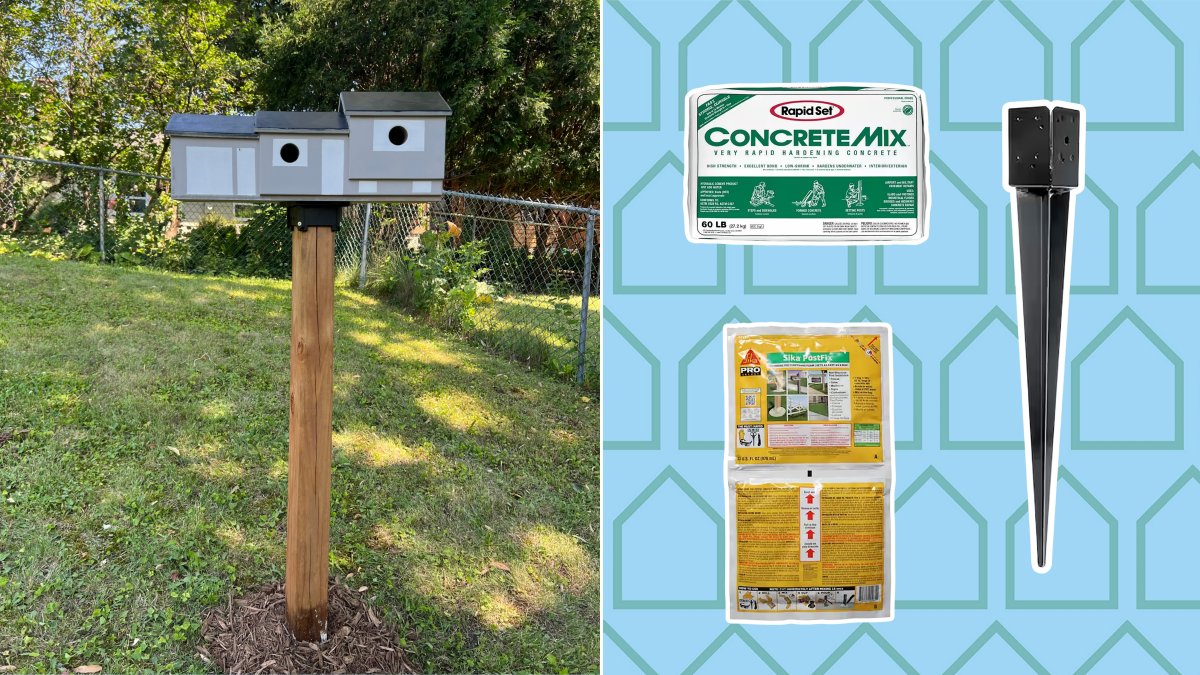
- Traditional Concrete: The historical gold standard for structural integrity. It requires digging a hole below the local frost line and filling it with a concrete mix (often weighing 50 to 60 pounds per bag). It provides unmatched sturdiness but is notoriously labor-intensive and messy.
- Steel Spikes (No-Dig Bases): Engineered metal brackets—such as the Simpson Strong-Tie E-Z Spike—that eliminate digging entirely. A heavy steel stake is driven directly into the ground using a sledgehammer or driving tool, and a 4×4 lumber post is bolted into the elevated socket. While efficient for temporary structures, they are vulnerable to frost heave in colder climates.
- Expanding Foam: A lightweight, two-part polyurethane liquid mixture (such as Sika PostFix) that is mixed directly inside its bag and poured into a post hole. Within minutes, the chemical reaction causes the foam to expand, completely filling the void and locking the post in place. It is ideal for non-structural, light-duty applications like mailboxes or birdhouses, but completely unsuitable for high-load structures like decks or full privacy fences.
Chronology of a DIY Backyard Overhaul
To understand how these methods compare in practice, we trace the timeline of a homeowner’s multi-phase backyard renovation project, moving from heavy structural work to lightweight additions.
Phase 1: The Heavy-Duty Cedar Fence
The journey began with the construction of a large cedar fence surrounding a backyard vegetable garden. Because the region experiences severe winters with deep frost-heave cycles, taking shortcuts was not an option.
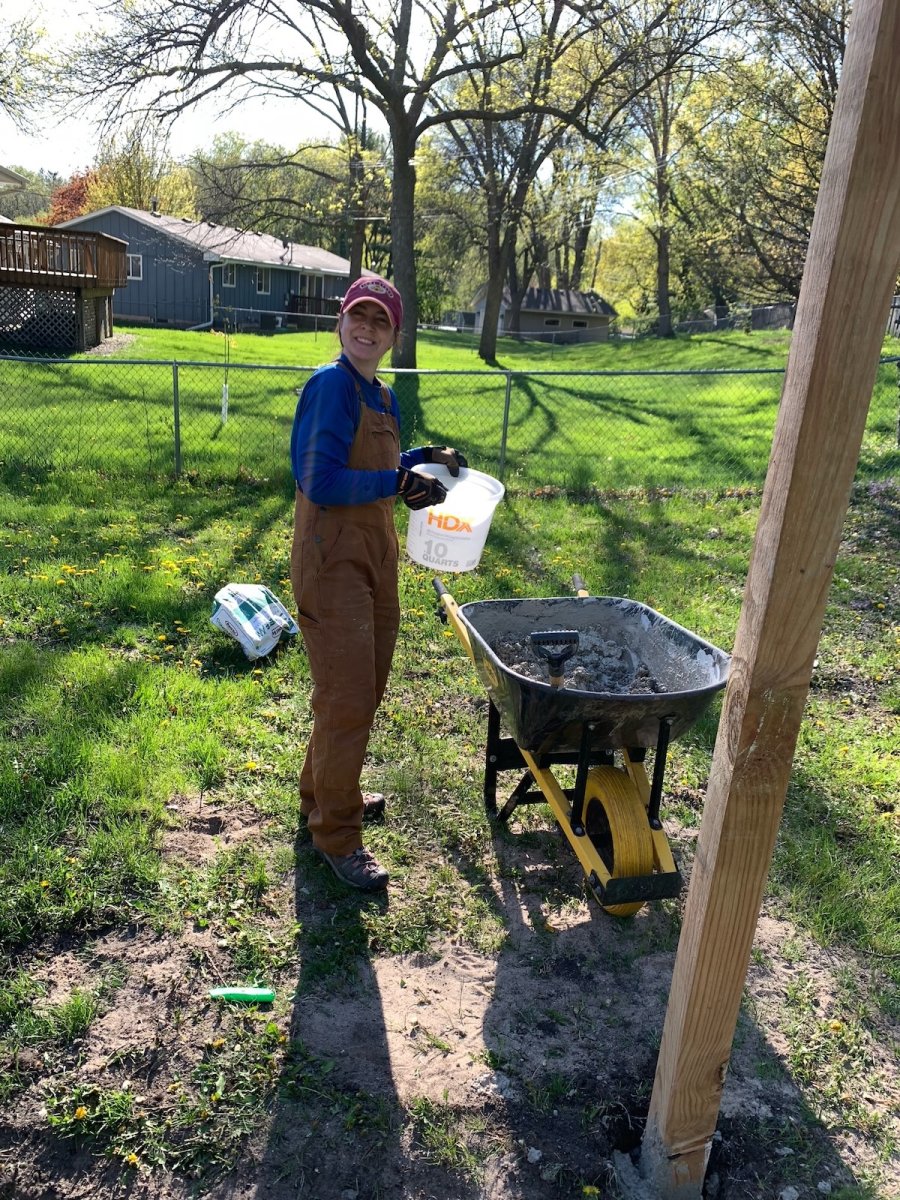
- The Labor: The process began with backbreaking manual excavation, digging post holes deeper than the local frost line.
- The Anchorage: Hauling multiple 60-pound bags of concrete mix, mixing them in a wheelbarrow, and pouring them around 4×4 cedar posts tested the limits of physical endurance.
- The Result: Although exhausting, the resulting perimeter fence is exceptionally sturdy, proving that the traditional method remains undefeated for permanent, high-stress boundaries.
Phase 2: The Temporary Garden Gate
Spurred by the exhaustion of the concrete phase, the homeowner sought an alternative when planning a secondary access gate for an expanding garden plot.
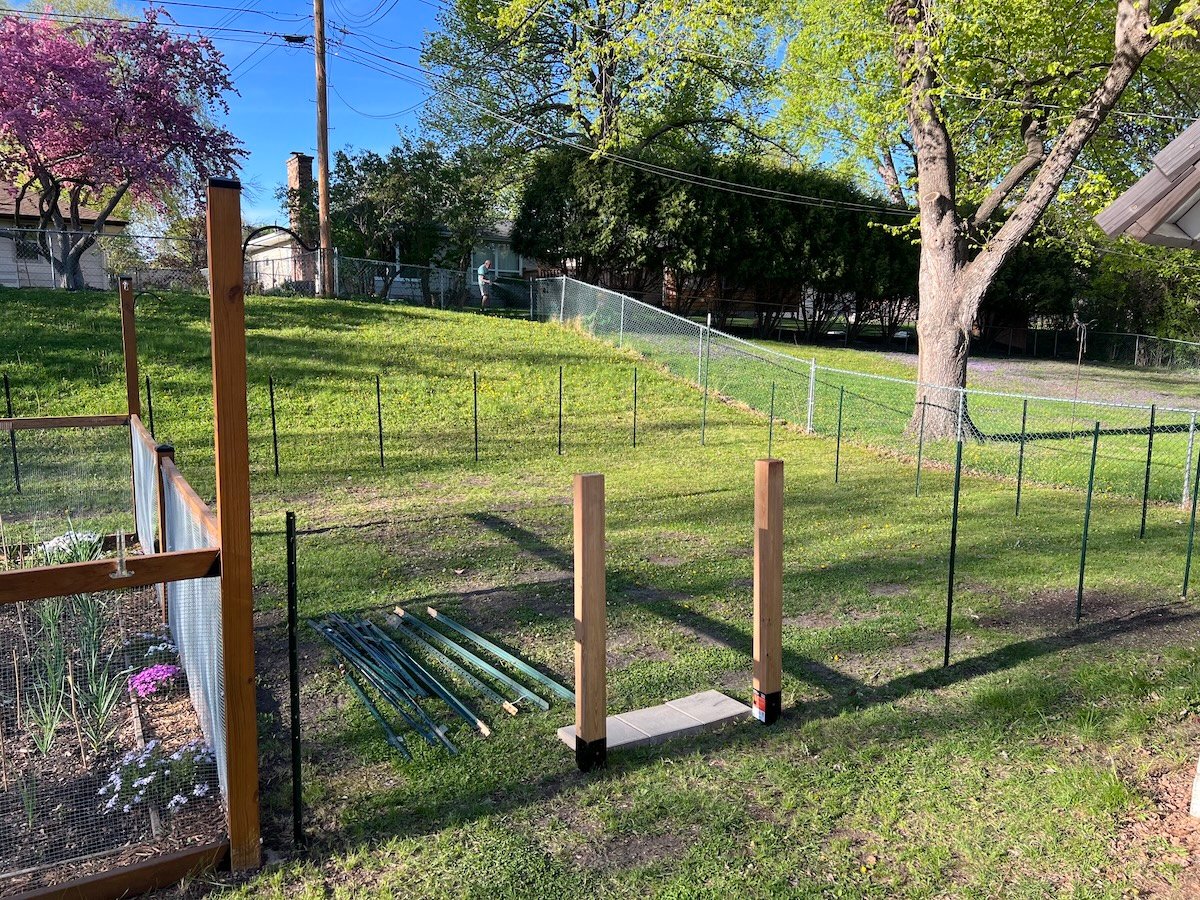
- The Installation: Instead of digging, they opted for steel ground spikes. The brackets were hammered directly into the earth.
- The Twist: While avoiding concrete mixing saved time, driving massive steel spikes deep into stubborn turf proved to be an unexpected physical workout in its own right.
- The Outcome: The gate was successfully mounted with minimal mess, leaving open the possibility of relocating the gate posts in future landscaping redesigns.
Phase 3: The Handcrafted Birdhouse
When a family member gifted a heavy, handcrafted wooden birdhouse, a new mounting post was required. Rather than hauling concrete or wrestling with a sledgehammer, the project served as an ideal test lab for expanding polyurethane foam.
- The Process: A hole was dug, the post was plumbed and braced, and a 2-pound bag of expanding foam was activated and poured into the cavity.
- The Outcome: The foam expanded rapidly, curing in minutes to create a rigid, weather-resistant foundation without a single drop of water or heavy bag of aggregate.
Supporting Data: Comparing the Three Methods
To help you decide which material fits your budget, timeline, and structural requirements, consider the following comparative breakdown of labor, cost, and structural viability.
| Feature / Metric | Concrete Mix | Steel Spikes | Expanding Foam |
|---|---|---|---|
| Primary Use Case | Structural fences, decks, heavy gates | Temporary fences, small gates, signs | Mailboxes, birdhouses, non-structural posts |
| Digging Required? | Yes (Deep, below frost line) | No (Driven into existing grade) | Yes (Standard post hole depth) |
| Weight of Materials | High (50–60 lbs per bag) | Low to Medium (Metal bracket weight) | Very Low (approx. 2 lbs per pouch) |
| Cure/Set Time | 24 to 48 hours to full strength | Immediate upon installation | 15 to 30 minutes |
| Frost Heave Resistance | Excellent (if poured below frost line) | Poor to Moderate (vulnerable to shifting) | Good (flexible enough to absorb minor movement) |
| Mess Factor | High (dust, wet mix, water usage) | Low (minimal site disturbance) | Low (contained mixing bag) |
Expert Insights and Practical Recommendations
While manufacturers and home improvement retailers market alternative products as universal replacements for concrete, home improvement veterans emphasize the importance of matching the material to the job.
- When to Choose Concrete: If you are building anything that will experience lateral wind loads, human pressure, or weight stress—such as a privacy fence, a deck frame, or a heavy-duty swing set—concrete is non-negotiable. It provides the ballast and mass required to keep structures upright for decades.
- When to Choose Steel Spikes: Spikes excel in sandy or loose soils where digging is difficult, or when a homeowner anticipates changing their yard layout within a few years. However, users should be prepared for the physical impact of driving the steel anchor straight down without bending it.
- When to Choose Expanding Foam: Foam is a revolutionary choice for minor lawn fixtures. It is lightweight, saves trips to the hardware store, and hardens faster than traditional mixes. However, structural engineers strictly warn against using expanding foam for load-bearing posts, as it lacks the compressive strength required to support dynamic weight.
Implications for Future Backyard Projects
The availability of alternative post-setting methods fundamentally changes how modern DIYers approach backyard projects. No longer is every minor installation bound to the grueling routine of mixing concrete in a wheelbarrow.
By strategically selecting materials based on structural necessity rather than habit, homeowners can save precious time, protect their backs from unnecessary strain, and complete projects with cleaner job sites. Whether you choose the unyielding strength of concrete, the modular flexibility of steel spikes, or the rapid convenience of expanding foam, understanding the unique trade-offs ensures that your next backyard endeavor will stand the test of time.
