Introduction: The Pendulum Swing of Interior Design
Interior design trends have always operated on a rhythmic, cyclical pendulum. The hyper-minimalist, stark white, and chrome-dominated aesthetic of the 2010s eventually gave way to a cultural appetite for bolder, busier, and more colorful living spaces as homeowners sought comfort in maximalism during the early 2020s.
However, this shift toward eclectic patterns and vibrant palettes does not mean pared-back schemes are destined for obsolescence. Looking ahead, modern minimalism is undergoing a profound transformation. Rather than discarding the minimalist framework wholesale, contemporary design is leaning into a warmer, more layered iteration of the style. This next-generation minimalism pairs distinct personal identity with soft neutral color schemes and simple, intentional silhouettes. It proves definitively that minimalism does not have to feel sterile, cold, or boring.
To understand how this aesthetic evolution manifests in real-world spaces, editors have examined five distinct celebrity homes that master the art of modern minimalism. Whether you are looking to update a neutral home or building a new living space entirely from minimalist principles, these high-profile properties offer a masterclass in balance, texture, and architectural integrity.
1. Kim Kardashian’s Hidden Hills Compound: The Modern Monastery
When discussing contemporary minimalism, it is impossible to ignore Kim Kardashian’s famously sparse Los Angeles residence. Long before warm minimalism became a widespread trend, Kardashian leaned entirely into an aesthetic of profound reduction.
To bring her vision of a "minimalist monastery" to life, Kardashian collaborated extensively with renowned Belgian art dealer and designer Axel Vervoordt. The resulting estate is an exercise in sublime restraint. From the ultra-spartan living room to the completely unadorned, all-white entryways, the guiding philosophy of the home is clear: let the building’s architecture speak more loudly than any piece of furniture ever could.
While critics occasionally note that the aesthetic leans toward the austere rather than the cozy, the sheer uniqueness of Kardashian’s home elevates it to a form of avant-garde art. It reframes minimalism not as a simple lack of design choices, but as a deliberate and powerful aesthetic statement in its own right.
Recreate Kim’s Look at Home
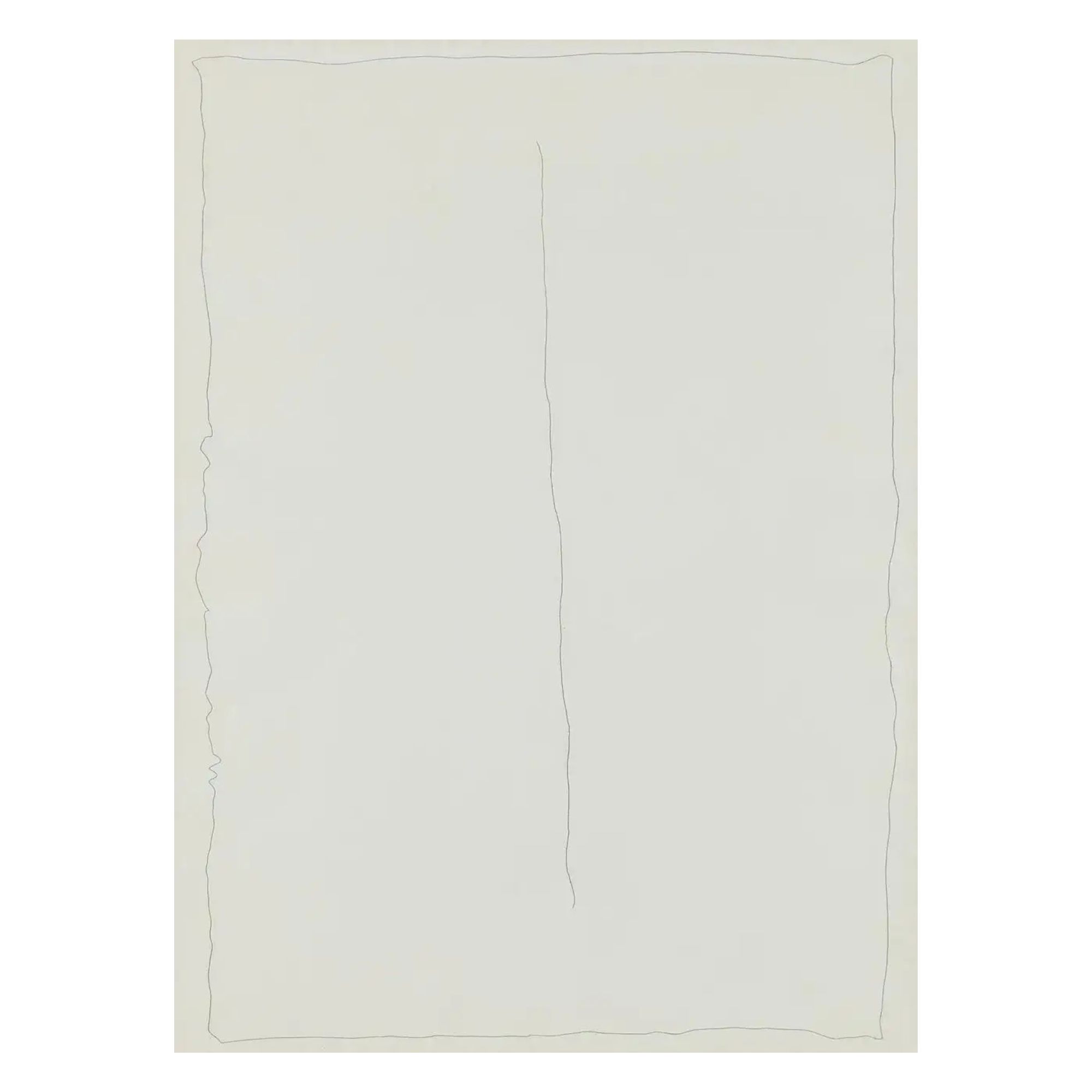
Authentic Artistry: Kim Kardashian famously incorporates pieces like Lucio Fontana’s abstract prints into her living space. For a true luxury feel, collectors can source verified works from platforms like 1stDibs, where neutral-toned aquatint engravings mirror her monochromatic palette.
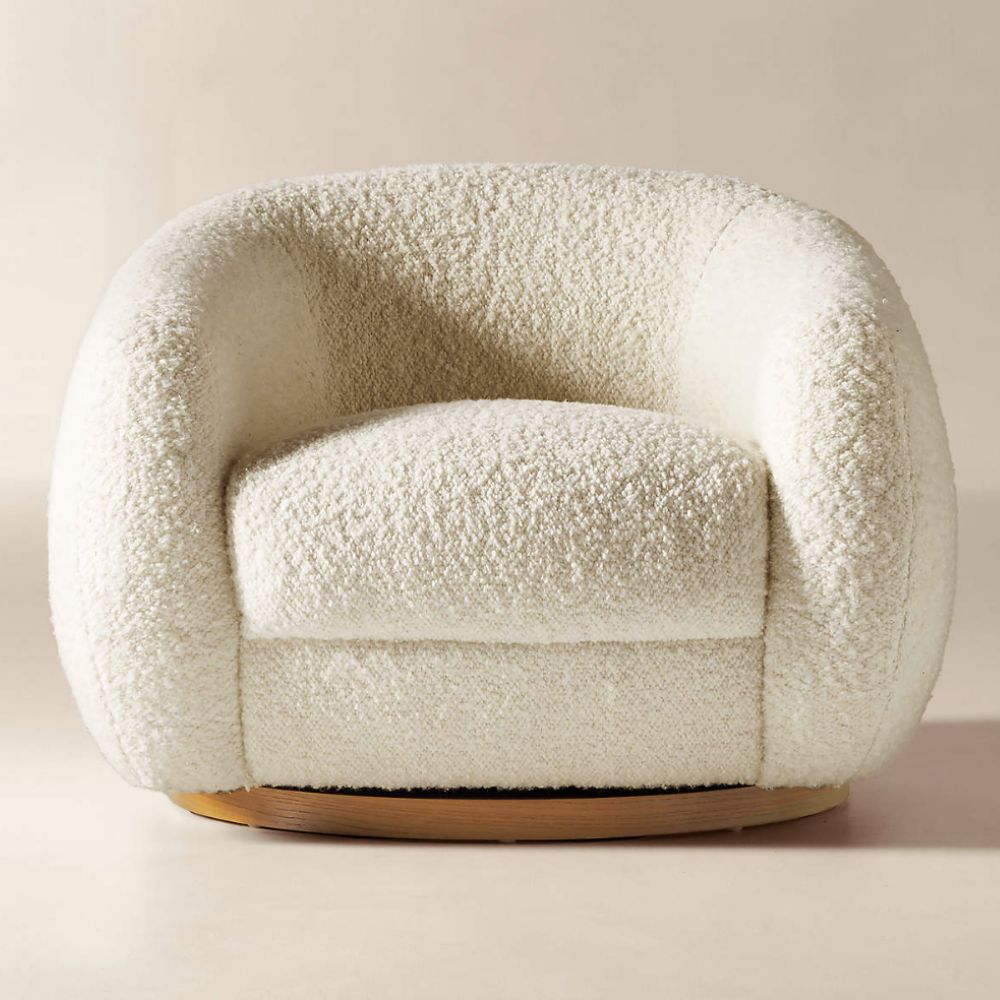
Textural Seating: Introduce a high-end, mid-century-inspired accent chair upholstered in warm white bouclé. A wide swivel base and nubby texture add tactile dimension without disrupting a neutral color scheme.
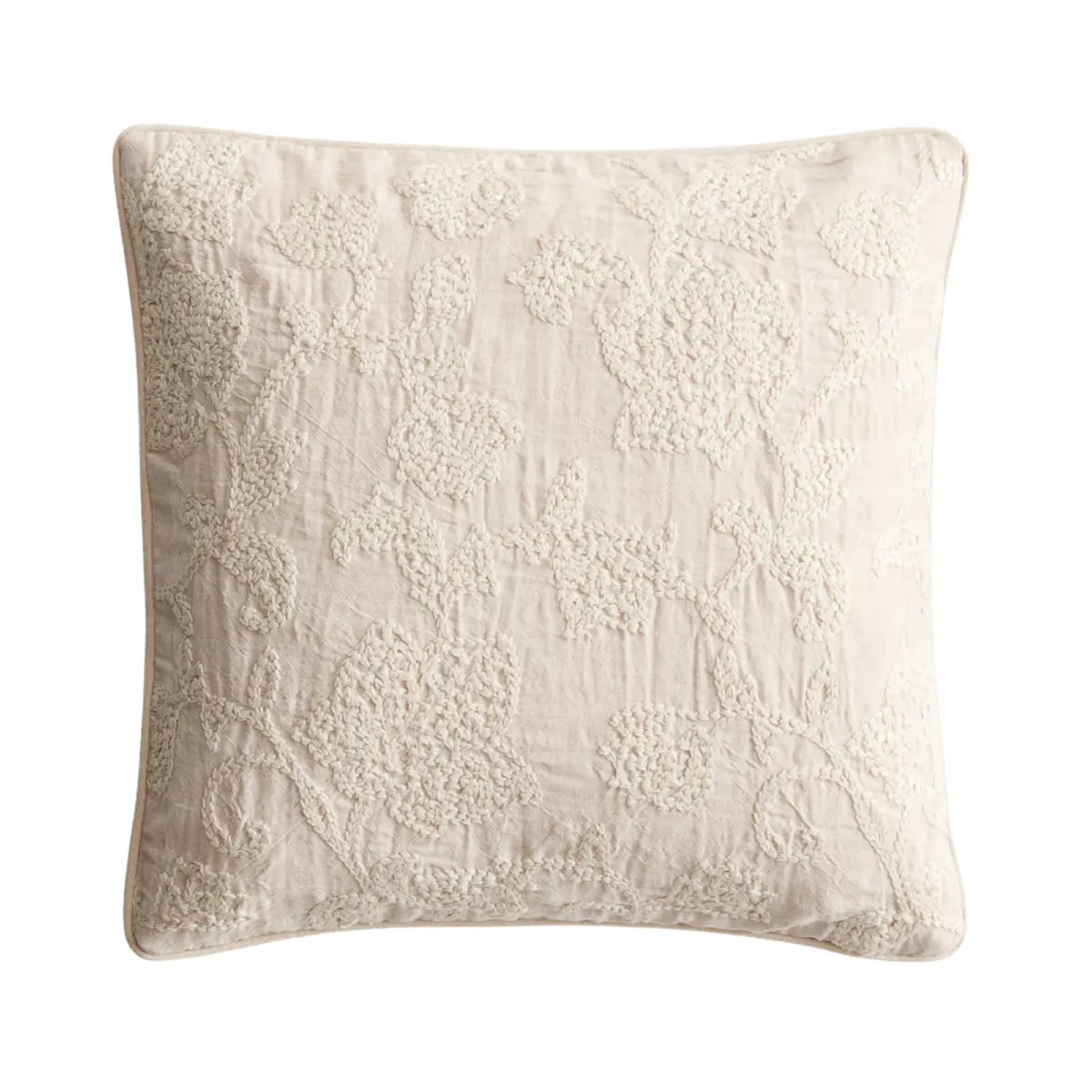
Subtle Linens: Layering doesn’t require color. An embroidered cotton-and-linen cushion cover with a delicate, understated pattern introduces softness while keeping the overarching look clean and versatile.
2. Amanda Seyfried’s New York City Apartment: Elevated Farmhouse Chic
In stark contrast to the monastery-like austerity of Southern California, actress Amanda Seyfried takes a warmer, more grounded approach to minimalist living within her New York City apartment.
Collaborating with the Brooklyn-based design studio General Assembly, Seyfried sought to create an environment that felt both elevated and deeply calming. The apartment relies on a foundation of crisp whites and natural, light-toned wood, resulting in spaces that feel bright, inviting, and intensely serene. Among the standout rooms is Seyfried’s minimalist kitchen, which proves that clean lines and open sightlines can coexist harmoniously with a cozy, lived-in farmhouse vibe.
True masterclasses in design always incorporate an element of cultural and historical fusion. Nicola and Brooklyn Peltz Beckham took a page straight out of the mid-century modern handbook when designing their expansive Beverly Hills estate.
Rather than committing to a single design era, the couple blended historical minimalist principles with organic mid-century motifs. Hallmarks of this approach appear throughout the property—from sculptural curved sofas that soften rigid architectural lines to an all-white kitchen featuring sleek, vertical cabinetry. The result is a home that honors natural materials and structural integrity while remaining entirely contemporary.
Recreate Brooklyn and Nicola’s Look at Home
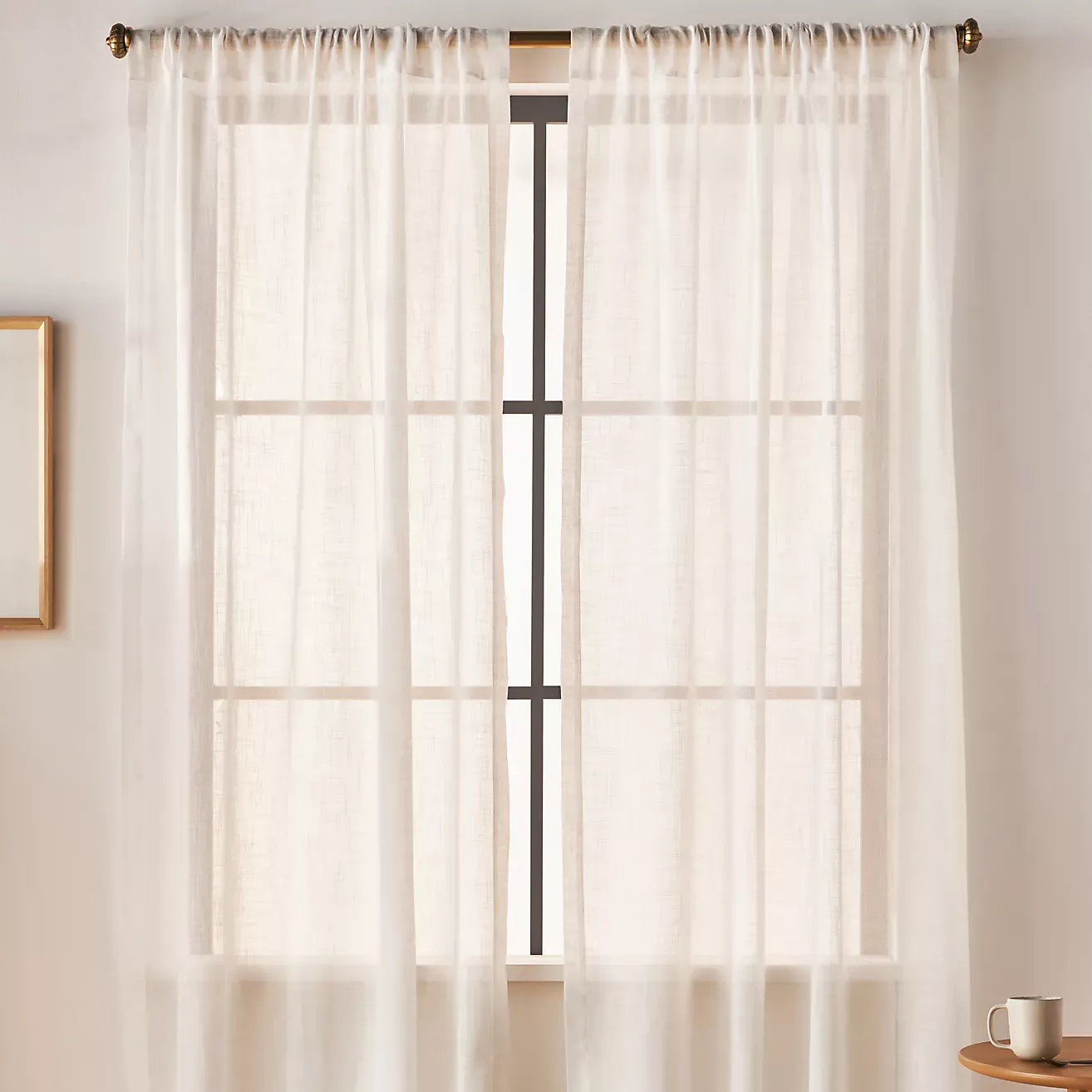
Filtered Sunlight: Sheer woven curtains serve as the ultimate foundational element for any home aiming to make natural light a permanent architectural fixture.
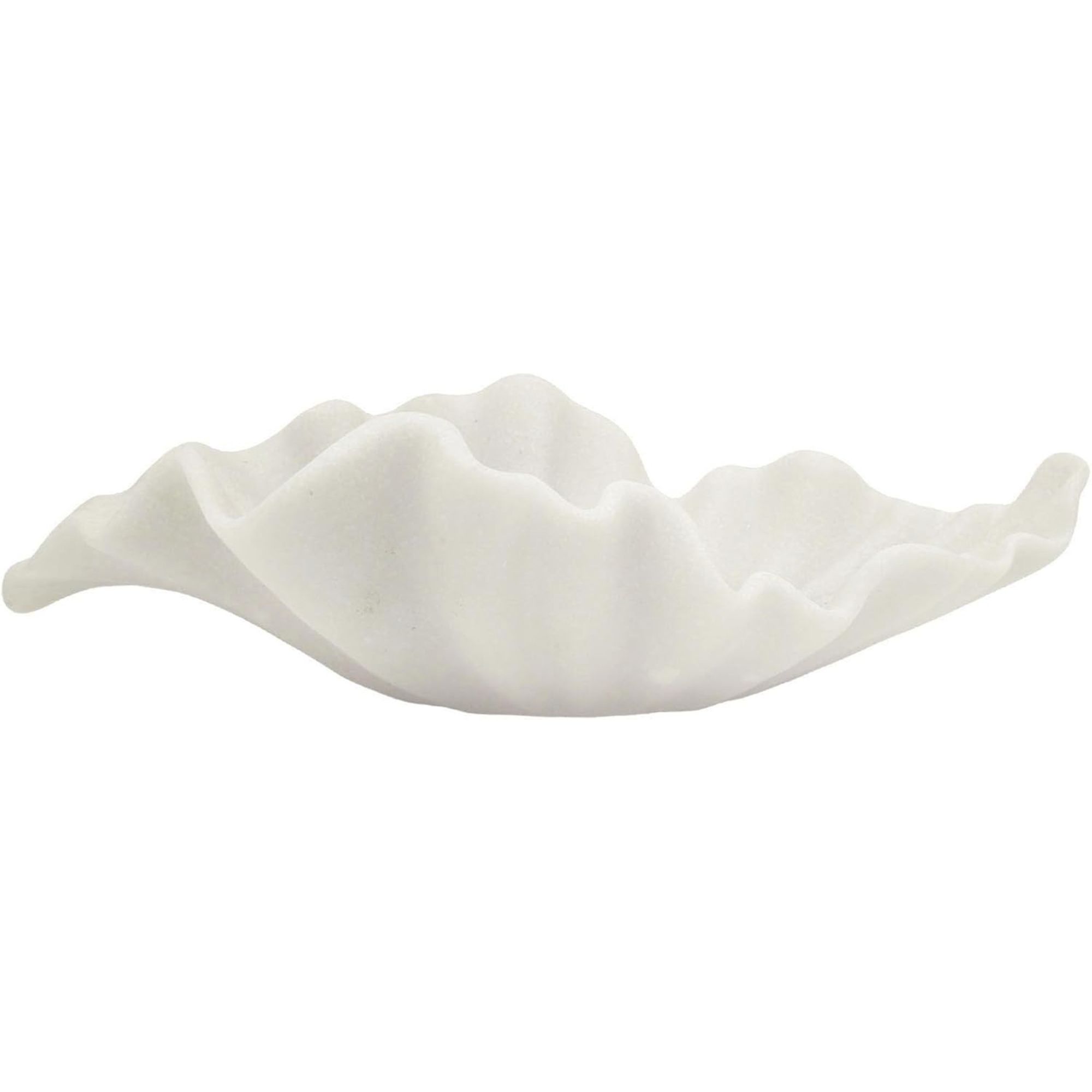
Organic Shapes: Sculptural decor elements, such as an undulating white ceramic decorative bowl, introduce organic movement and visual interest without adding unwanted visual clutter.
Warm Textures: A hand-loomed wool rug featuring a softly distressed pattern brings warmth and dimension to a minimalist living room, grounding the space without making it feel overly busy.
4. Anne Hathaway’s Manhattan Penthouse: An Urban Respite
Residing in one of the busiest, most densely populated metropolitan areas in the world requires an intentional counter-environment. For actress Anne Hathaway, home on Manhattan’s Upper West Side was designed to be the ultimate urban sanctuary.
Partnering with the boutique New York design studio Gramercy Design, Hathaway aimed to preserve the historic integrity of the building’s classic Georgian architecture while injecting a decidedly contemporary aesthetic. The partnership resulted in spaces that feel both ultra-modern and timelessly welcoming—best exemplified by the apartment’s luminous, sun-drenched kitchen. Although Hathaway has since parted ways with the property, the penthouse remains a powerful testament to the enduring appeal of minimalist design amidst shifting cultural tides.
5. Jennifer Garner’s Brentwood Farmhouse: The Intersection of Warmth and Structure
Jennifer Garner’s Brentwood kitchen has long served as a subject of fascination for interior design enthusiasts, celebrated everywhere from its statement extractor hood to its meticulously planned cabinetry.
Garner collaborated with architect Steve Giannetti and interior designer Brooke Giannetti to elevate her property into a masterwork of hybrid design. By expertly marrying traditional farmhouse elements with clean minimalist lines, the home achieves a rare balance: it is simultaneously intensely functional, deeply warm, and remarkably pared-back.
Chronology of Minimalist Design Trends
To fully grasp where interior design stands today, it is helpful to trace how minimalism has evolved over the past two decades:
Early to Mid-2010s: The rise of ultra-minimalism. Dominated by stark white walls, monochromatic color schemes, high-gloss finishes, industrial metals, and a cultural obsession with decluttering (popularized by figures like Marie Kondo).
Late 2010s to Early 2020s: The maximalist backlash. Homeowners reacted to years of sterile environments by embracing vibrant jewel tones, maximalist wallpaper, busy patterns, and eclectic, layered furniture arrangements.
Mid-2020s (Current Era): The emergence of "warm minimalism." Designers and celebrities alike are merging the clean silhouettes of minimalism with tactile, organic materials—such as boucle, warm woods, textured linens, and natural stone—creating spaces that prioritize emotional well-being over strict aesthetic rules.
Supporting Data and Market Insights
According to recent home renovation and real estate reports, consumer demand for multifunctional, serene spaces has risen by over 35% since 2022. Real estate analysts note that properties featuring high-end architectural minimalism—particularly those incorporating sustainable, natural materials—command higher resale values in major metropolitan markets like Los Angeles and New York. Furthermore, search data indicates a steady, enduring interest in terms like "warm neutral palette," "architectural lighting," and "organic modern furniture," proving that the appetite for pared-back living is stabilizing into a permanent lifestyle choice rather than a fleeting trend.
Official Responses and Expert Commentary
Interior design experts emphasize that the shift toward warm minimalism is rooted in a psychological need for sanctuary.
"Minimalism used to mean stripping a room of its soul until only the bare essentials remained," notes a leading architectural digest critic. "Today’s iteration does the exact opposite. It strips away the noise so that personality, texture, and light can take center stage. When you look at homes like those of Kim Kardashian or Anne Hathaway, you realize that minimalism is no longer about deprivation—it is about curation."
Design studios echoing this sentiment point out that clients are increasingly asking for spaces that require less physical maintenance while offering maximum emotional comfort. The integration of biophilic design—bringing natural light, plants, and organic textures into minimal settings—has become the gold standard for high-end residential architecture.
Implications for Future Homeowners
The enduring popularity of celebrity-backed minimalist homes carries several key implications for everyday interior design enthusiasts:
Quality Over Quantity: As trends move away from fast-furniture maximalism, homeowners are encouraged to invest in fewer, higher-quality pieces that stand the test of time.
Architecture as Art: Rather than relying on heavy decor to fill a room, future design will increasingly rely on architectural features—such as arched doorways, large windows, and custom millwork—to dictate the aesthetic of a home.
Personalized Neutrality: A neutral color palette is no longer viewed as a blank, unfinished canvas, but as a sophisticated backdrop designed to highlight personal history, unique art acquisitions, and natural materials.
Whether or not you choose to fully embrace minimalism in your own living space, these celebrity homes offer an enduring reminder: good design is not about following fleeting popular trends, but about creating spaces that foster peace, beauty, and authenticity.