

By Caroline Moratti
Interior Design & Decor Contributor
Main Facts: The Rise of the Architectural Headboard
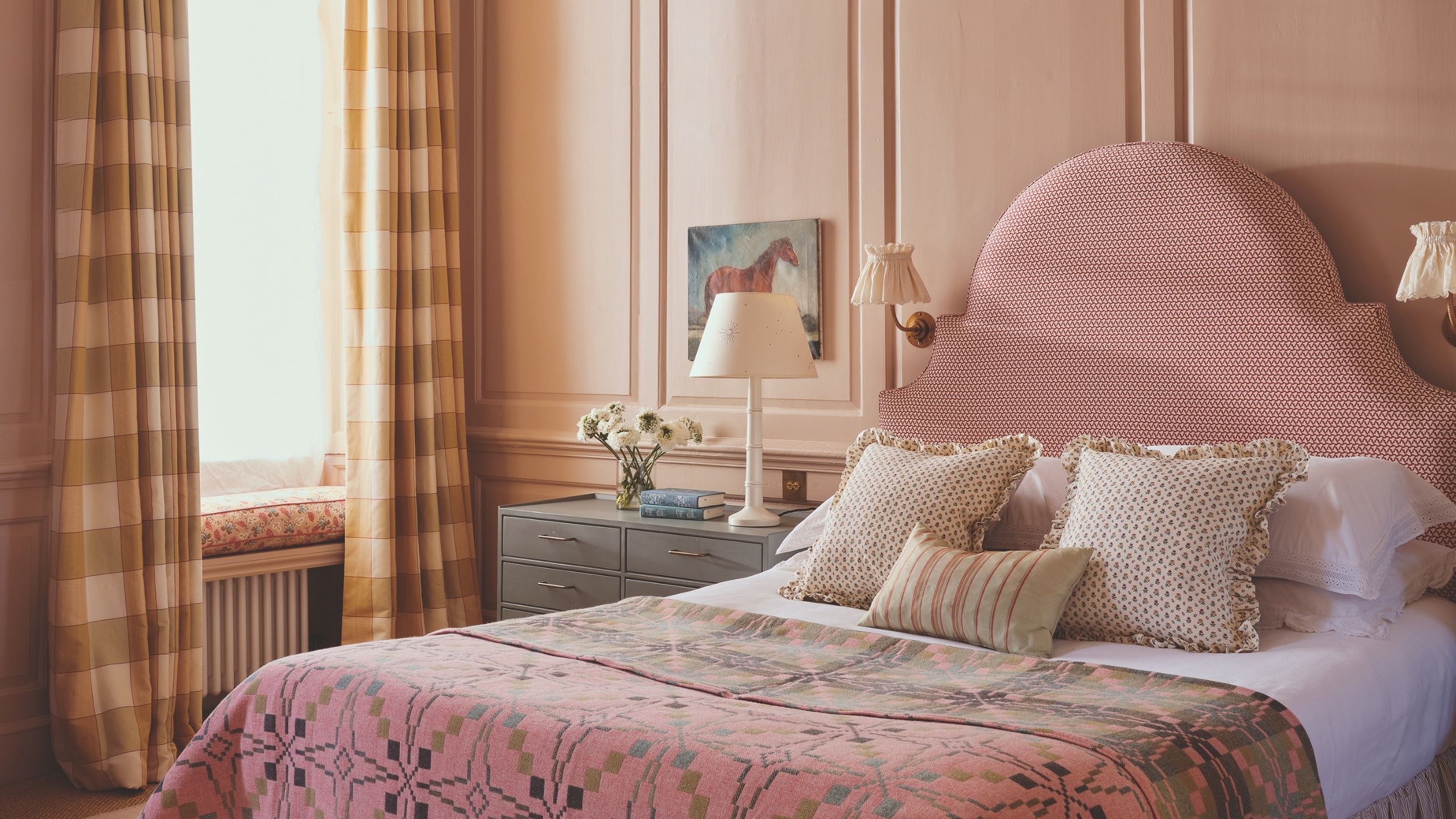
If your bedroom feels like it is missing a touch of magic, the solution might not require a costly, disruptive, or time-consuming overhaul. According to leading interior stylists and recent home decor trend reports, a statement headboard has officially claimed its title as the ultimate design shortcut. Acting as the natural visual anchor for the entire room, a well-chosen headboard effortlessly pulls together disparate elements—bridging the gap between wall color, ambient lighting, and layered linens in a single sweep.
Rather than replacing an entire bed frame or committing to major structural room renovations, homeowners are increasingly turning to standalone headboards to achieve an instant, boutique-hotel aesthetic with minimal fuss.
This interior shift arrives alongside seasonal weather changes. As temperatures drop and the days grow shorter, a distinct psychological shift occurs inside the home. There is a deep, innate desire for physical comfort, cocooning textures, and warmth. A soft, cushioned, or architecturally compelling backdrop instantly transforms a standard bed into a private sanctuary—a dedicated retreat optimized for slow weekend mornings, steaming cups of Sunday coffee, and hours lost in a good book.
Major home retailers have taken note of this craving for tactile luxury, rolling out dramatic new seasonal collections that move far beyond simple wooden or metal silhouettes. Today’s headboards prioritize deep colorways, sculptural presence, tactile richness, and grand scale, proving that the focal point of the bedroom is undergoing a major design renaissance.
Chronology: The Evolution of the Bedroom Focal Point
To understand why the statement headboard is having such a profound moment, it helps to examine how our relationship with the bedroom has evolved over the past decade.
- The Minimalist Era (Early to Mid-2010s): For years, interior design was dominated by ultra-minimalism. Low-profile platform beds, stark white walls, and exposed wooden or minimalist metal slats reigned supreme. The goal was to keep the bedroom looking as streamlined and unencumbered as possible, often at the expense of comfort and emotional warmth.
- The Shift Toward Softness (Late 2010s to 2020): As urban living spaces shrank and the pressures of modern life grew, the bedroom began its transition from a purely functional sleeping space into a holistic wellness zone. Upholstered headboards started gaining traction, offering basic padding and neutral linen or velvet fabrics.
- The Pandemic Pivot (2020–2022): Global lockdowns fundamentally changed how people viewed their domestic spaces. With homes doubling as offices, schools, and recreational zones, bedrooms needed to work harder as emotional sanctuaries. Interest in textured walls, rich bedding, and decorative architectural elements spiked dramatically.
- The Maximalist & Sculptural Renaissance (2023–Present): Moving away from cookie-cutter designs, contemporary interior trends embrace individuality, historic nods, and bold geometries. Headboards have transitioned from practical wall-protectors into major pieces of functional art. Brands are leaning heavily into oversized proportions, folding tapestries, sweeping curves, and old-world craftsmanship, setting the stage for the current wave of fall and winter decor drops.
Supporting Data & Market Analysis: What the Retailers Are Doing
The commercial momentum behind the statement headboard trend is backed by heavy-hitting releases from the industry’s top interior brands. Market analysis indicates that consumers are increasingly willing to invest in high-impact, single-item upgrades rather than complete furniture suites.
This season’s standout collections highlight three distinct aesthetic directions:
1. Organic Curves and Gentle Sophistication
Lulu and Georgia has leaned heavily into soft, sweeping silhouettes with pieces like the Clementine Headboard. Designed to soften the hard architectural lines common in modern construction, curved headboards introduce an effortless balance of polish and ease. Data from retail trend trackers shows that curved, cloud-like upholstered silhouettes have seen a dramatic rise in search volume, as consumers seek visual calm in their sleeping spaces.
2. Historic Textures and Old-World Revival
At Anthropologie, the revival of traditional textile arts is taking center stage. The introduction of statement pieces like the Gia Francois Tapestry Headboard demonstrates a growing appetite for historic charm, rich patterns, and folding, screen-like designs. This trend taps into the broader "maximalist comfort" and "heritage revival" movements, where items tell a story and introduce rich layers of visual history into contemporary homes.
3. Architectural Scale and Wall-Altering Presence
West Elm is pushing boundaries vertically and horizontally with oversized architectural statements like the Bodi Paneled Headboard. Rather than acting as a mere accessory attached to a bed frame, this design treats the entire wall as a feature. By scaling up proportions and utilizing rich paneling, these headboards mimic custom millwork, offering renters and homeowners alike the look of a custom-built architectural feature without the permanent commitment or expense.
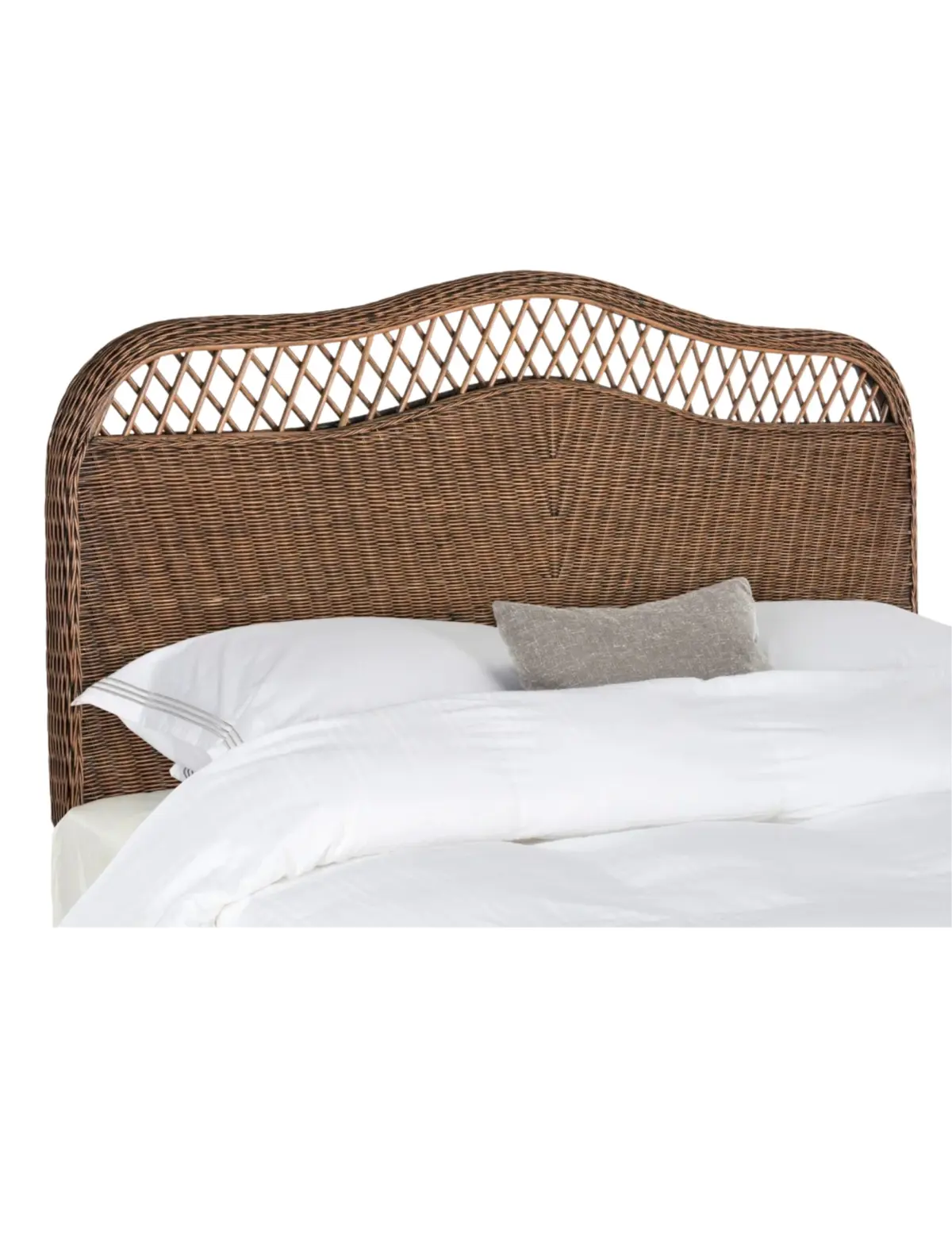
From crisp ticking stripes and romantic ruffled edges to rich, woven rattan and deep jewel-toned velvets, today’s market offers a headboard for every design typology.
Official Responses & Expert Insights: The Interior Designers Speak
Leading voices in the interior design community emphasize that upgrading a headboard is one of the smartest investments a homeowner can make in terms of cost-per-impact.
"The bedroom is the most personal room in the house, yet it is frequently the last space people invest real design energy into," notes a prominent Brooklyn-based interior architect. "When you walk into a bedroom, your eye naturally travels straight to the bed. If that focal point lacks character, the whole room feels flat. A statement headboard immediately grounds the space, creating a sense of permanence, intention, and luxury that flat paint alone cannot achieve."
Textile experts also point to the sensory benefits of swapping hard surfaces for soft materials ahead of the winter season.
"We are seeing a massive psychological craving for tactile environments," explains a leading home textiles stylist. "After years of sleek, cold surfaces and stark industrial aesthetics, people want to be enveloped. A cushioned, upholstered, or fabric-wrapped headboard absorbs sound, softens the lighting, and literally provides a physical cushion for reading or relaxing. It changes how you experience the room on a sensory level."
Furthermore, sustainable design advocates praise the headboard trend for its eco-friendly footprint. By refreshing a bedroom with a new headboard rather than discarding a structurally sound bed frame, consumers can drastically reduce furniture waste while achieving a complete room makeover.
Implications: How This Trend Shapes the Future of the Home
The resurgence of the statement headboard is symptomatic of a larger shift in how we approach interior design in the mid-2020s. As economic uncertainties and housing market shifts cause many people to stay put in their current homes rather than moving, the focus has pivoted toward micro-renovations and high-impact styling.
1. The Democratization of Custom Architecture
Historically, achieving an architectural bedroom feature—such as custom wood paneling, upholstered wall insets, or hand-carved wooden frames—required hiring specialized carpenters and spending thousands of dollars. Today, mass-market and boutique home brands are democratizing these high-end looks. Ready-to-ship statement headboards allow renters and budget-conscious homeowners to achieve high-end architectural depth with simple assembly.
2. The Shift Toward Emotional Design
Functionality is no longer the sole metric by which home furnishings are judged. Emotional resonance—how a space makes you feel at the end of a long, stressful day—has taken priority. The cocooning effect of a plush or textured headboard directly supports mental well-being, signaling to the brain that the bedroom is a safe, sheltered zone away from the digital noise of the outside world.
3. Seasonal Micro-Styling
Much like switching out throw pillows or heavy woolen blankets for summer linens, the headboard is increasingly viewed as a seasonal canvas. With folding and modular designs entering the market, the possibility of changing a bedroom’s entire personality with the turn of a season is becoming a mainstream interior design practice.
Conclusion: Making Your Bed the Hero of the Space
Your bedroom should feel like a true sanctuary, and introducing a statement headboard remains one of the most efficient, rewarding pathways to achieving that goal. Whether you gravitate toward the architectural drama of oversized paneling, the historic romance of a tapestry fold, or the gentle, inviting curve of modern upholstery, the right piece will instantly elevate your space.
Pick a design that brings you genuine joy, layer it up with your favorite textiles, and let your bed take its rightful place as the undeniable hero of your home.
Want more design expertise delivered straight to your inbox? From inspiring decorating ideas and beautiful celebrity homes to practical gardening advice and exclusive shopping round-ups, sign up for the H&G newsletter to stay ahead of the latest interior trends.
