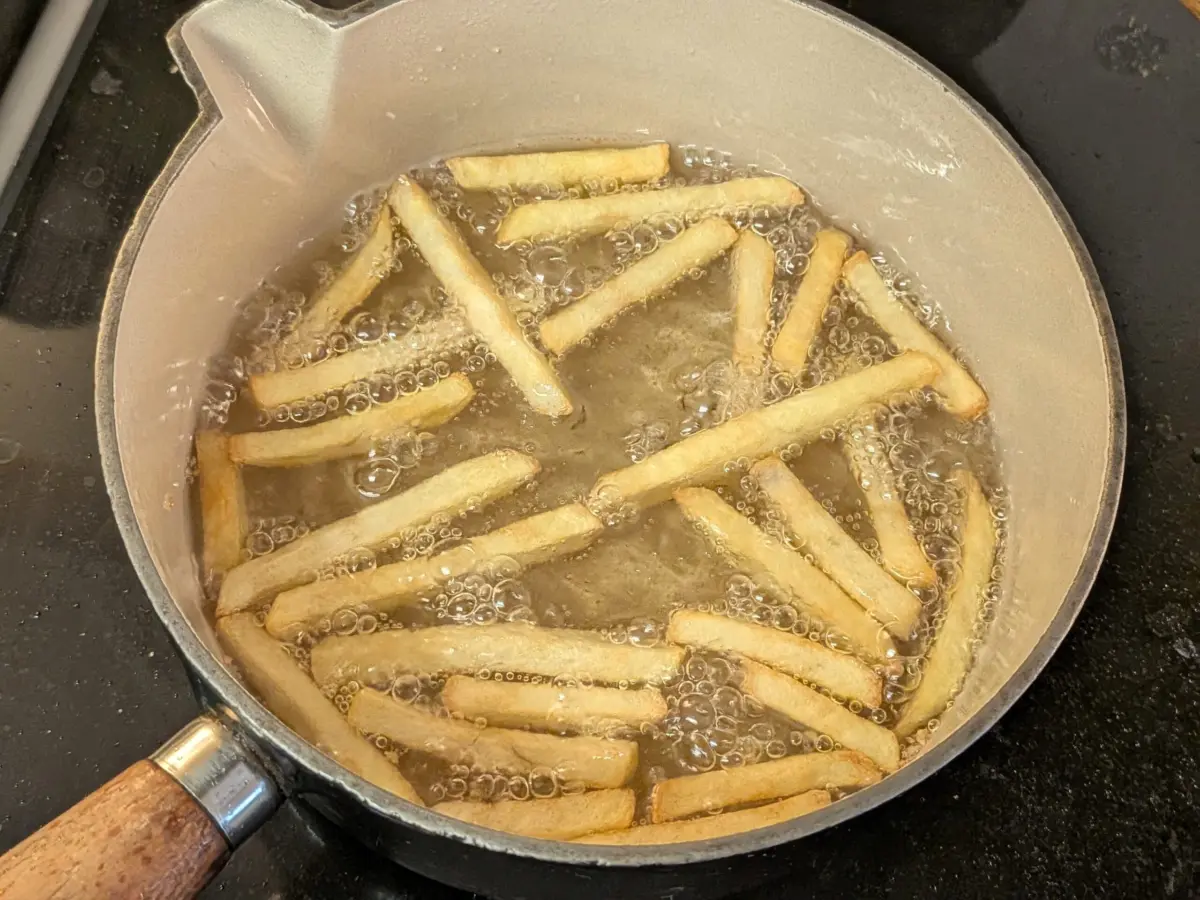
The golden, irresistible crunch of deep-fried food—from classic buttermilk drumsticks and savory French fries to delicate, pillowy donuts—holds a permanent place in the global culinary landscape. While home cooks often master the mechanics of frying, outfitting themselves with heavy-bottomed Dutch ovens, deep-fry thermometers, and stainless-steel skimmers, a persistent logistical hurdle remains: What should be done with the leftover oil once the meal is over?
For decades, standard household protocol has involved dumping used grease down the kitchen sink, pouring it into old soup cans, or funneling it into glass mayonnaise jars to languish under the sink until garbage day. However, environmental awareness, plumbing costs, and basic kitchen economics are shifting this narrative. According to culinary experts, the standard practice of treating frying oil as a single-use commodity is both wasteful and unnecessary.
By employing proper maintenance, precise temperature controls, and mindful storage techniques, home cooks can safely and successfully reuse frying oil multiple times, saving money while significantly lowering their culinary carbon footprint.
Main Facts: The Economics and Environmental Reality of Frying Oil
At its core, the reluctance to reuse oil at home often stems from a lack of education regarding culinary chemistry. Many home cooks assume that once oil has been exposed to high heat and food particles, it transforms into a degraded, unusable, and potentially toxic substance.
Melanie Underwood, a professional cookbook author, culinary instructor, and founder of the cooking school Nourish and Gather, challenges this assumption directly.
"Oil used for frying is not one-and-done," Underwood explains, "unless the oil has been overheated, or if you’re frying things that are particularly strong in flavor. With something like seafood, you want to be careful, but it’s perfectly reusable as long as it wasn’t smoking."
When high-smoke-point, neutral oils—such as canola, peanut, sunflower, or grapeseed oil—are heated within the ideal frying zone of 350°F to 400°F (177°C to 204°C), their molecular integrity remains largely intact. Disposing of this oil after a single batch of french fries or chicken cutlets is not only financially inefficient, but it also contributes unnecessarily to global manufacturing, packaging, and transportation demands.
"When you’re reusing any product, then you’re lowering the demand for things like production, packaging, and transport," Underwood notes. "I don’t think that we think about that big picture very much, but if we were all reusing it, it would reduce those demands on the environment."
Furthermore, as oil is repeatedly used for shallow or deep frying, a fraction of it is naturally absorbed by the food or evaporates, meaning that over two or three cooking cycles, a home cook may find that the remaining volume dwindles naturally to nothing, eliminating the disposal dilemma altogether.
Chronology of the Frying Lifecycle: From Prep to Storage
Maximizing the lifespan of cooking oil is not a passive endeavor; it requires a systematic approach applied before, during, and after the cooking process. Culinary professionals recommend breaking the lifecycle of frying oil down into four distinct chronological stages.
Phase 1: Selection and Pre-Heating
The path to reusable oil begins long before the burner is turned on. Choosing the right fat is paramount. Neutral oils with high smoke points are non-negotiable for multi-use longevity.
Canola Oil: Excellent neutral profile, high smoke point, economical.
Peanut Oil: Highly stable at high temperatures, subtle nutty flavor.
Sunflower/Safflower Oil: Clean taste, highly resistant to thermal breakdown.
Olive Oil: While feasible (and frequently utilized by adventurous home chefs), extra virgin olive oil has a lower smoke point and stronger flavor profile, making it less ideal for repeated, multi-purpose frying.
Temperature management is equally vital during this initial phase. Eyeballing the heat or testing the oil by tossing in random breadcrumbs is a recipe for disaster. Overheating causes the oil to smoke, breaking down its chemical bonds, releasing acrolein (a compound that causes harsh, acrid smoke and eye irritation), and rendering the oil permanently bitter and unusable. A reliable digital meat or deep-fry thermometer is mandatory to maintain the sweet spot between 350°F and 400°F.
Phase 2: Active Frying Management
As food fries, small particles of batter, breading, and crumbs inevitably detach and sink into the hot oil. If left unattended, these micro-particles will continue to cook, burn, and carbonize, accelerating the chemical degradation of the surrounding liquid fat.
Actionable Step: Use a fine-mesh skimmer or spider strainer regularly throughout the frying process to fish out loose debris. Keeping the oil as clean as possible while it is hot is the single most effective way to protect its flavor profile for future use.
Phase 3: Post-Cooking Cooling and Straining
Once cooking concludes, patience is required.
Cooling: Turn off the heat and allow the oil to return naturally to room temperature. Never attempt to accelerate this process by placing a hot pot of oil into a refrigerator or freezer, as thermal shock can warp cookware and create severe safety hazards.
Straining: Once safe to handle, pour the oil through a multi-layered filtration system. While a standard fine-mesh metal strainer is usually sufficient, home cooks can also line a funnel or colander with cheesecloth or a clean paper coffee filter to capture microscopic sediment. While some tiny particles may remain suspended, these will naturally settle to the bottom during storage.
Phase 4: Sealed Storage
The final step dictates how long the oil will remain viable. Transfer the strained oil into a clean, completely dry, sealable glass jar or stainless-steel container.
Moisture Control: Ensure the container is 100% dry; even a few drops of residual water can harbor bacteria or cause splattering the next time the oil is heated.
Environmental Control: Seal the container tightly and store it in a cool, dark, and temperature-stable environment—such as a pantry cupboard or, for extended storage, the refrigerator. Exposure to light and oxygen initiates rancidity, shortening the oil’s shelf life.
Supporting Data and Best Practices
To maintain optimal food safety and quality standards when managing reused cooking oil, experts recommend implementing a few strict organizational protocols:
The Labeling Rule: Because reused oil absorbs the flavor profiles and potential allergens of previously cooked foods, tracking its history is critical. Attach a piece of masking tape to the storage container, noting the date, the number of times used, and what was fried in it.
Flavor Cross-Contamination: Never mix savory and sweet applications. Oil used to fry garlic-heavy chicken schnitzel, battered fish, or spiced onion rings should never be repurposed to fry sweet doughnuts or funnel cakes.
Allergen Awareness: If cooking for guests or family members with food sensitivities, utilizing untracked, reused oil can pose a hidden health hazard. Documenting allergen exposure (such as shellfish, gluten, or soy-based batters) on the container label prevents accidental cross-contamination.
The Olfactory Test: When in doubt, trust your nose. Fresh cooking oil is largely odorless. If reused oil smells sour, metallic, stale, or distinctly reminiscent of its past culinary life, discard it. To train your palate, smell a fresh sample of the same oil type side-by-side with the stored oil to check for off-odors.
Generally speaking, neutrally flavored oils can be safely reused two to three times, and potentially more if they were only used for clean-frying items (like plain potatoes or tortilla chips), kept within the proper temperature range, and strained meticulously.
Official Responses and Expert Insights
The culinary community’s stance on oil reuse has evolved alongside modern food science. Professional kitchens have long operated under strict filtration systems, utilizing commercial oil-filtering machines and daily chemical test strips to maximize the lifespan of expensive cooking oils.
Culinary instructors like Melanie Underwood emphasize that home kitchens can easily adopt these professional philosophies on a micro-scale. By shifting away from the wasteful "one-and-done" mindset, home cooks not only respect the ingredients they work with but also align their domestic habits with broader ecological principles.
Furthermore, environmental scientists point out that waste oil management is a major municipal headache. When grease is improperly disposed of down residential sinks, it combines with wipes, fats, and calcium to form massive "fatbergs" that block municipal sewer lines. Even when contained in jars and thrown into the trash, heavy liquid waste adds unnecessary weight and impermeable fluid volume to landfills. Reusing oil until it is entirely consumed by the cooking process completely bypasses these environmental pain points.
Implications: The Future of Sustainable Home Cooking
The movement toward sustainable home economics goes far beyond buying local produce or reducing single-use plastics; it encompasses the radical reassessment of everyday kitchen waste.
By reclaiming and reusing frying oil, home cooks bridge the gap between frugal ancestral traditions and modern food science. The implications of this shift are twofold:
Economic Savings: High-quality cooking oils have steadily risen in price. Extending the life of a single bottle of peanut or canola oil across three or four separate frying sessions cuts household culinary overhead significantly.
Culinary Mastery: The discipline required to monitor oil temperatures, skim particulate matter, and properly filter and store fat ultimately elevates a home cook’s overall technical proficiency. Frying ceases to be a messy, intimidating, single-use chore and transforms into a controlled, methodical, and sustainable culinary art form.
Ultimately, the choice to save your frying oil is a small habit change with outsized impacts—protecting home plumbing, keeping municipal sewer systems clear, lowering household carbon footprints, and ensuring that every batch of crispy, golden comfort food is as smart as it is delicious.