

Main Facts: A Triumphant Return to the Roots of Punk
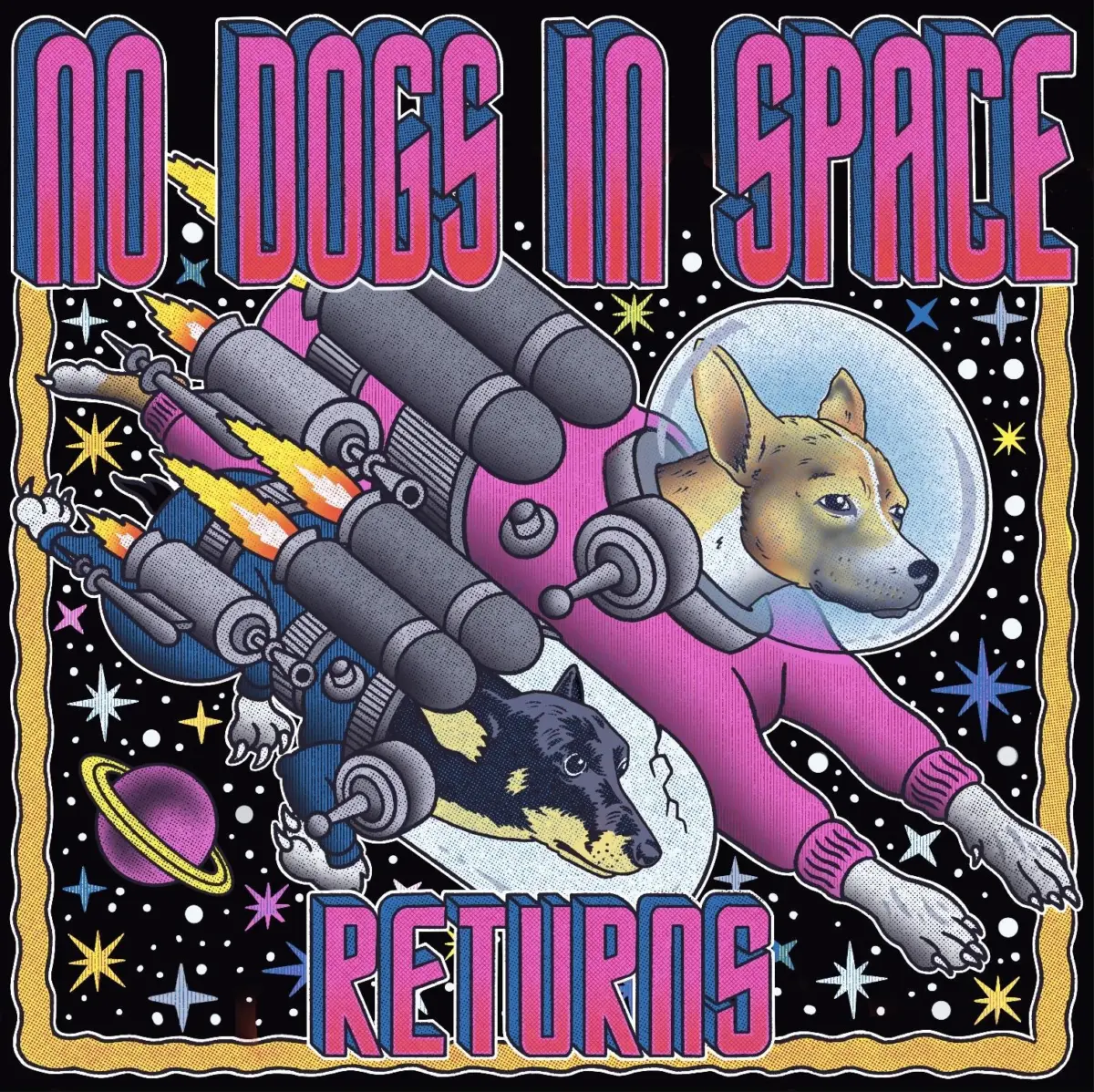
After an extended, two-year hiatus that left music history enthusiasts wondering about the fate of the show, the critically acclaimed podcast No Dogs in Space is officially back on the air. Hosts Carolina Hidalgo and Marcus Parks have returned with their fourth season, aptly titled Punk 2.0. The opening salvo of the new season dropped this week, featuring a deep-dive, multi-part series on the protopunk and glam rock trailblazers, the New York Dolls.
For fans of the series, the return is more than just a continuation of meticulous music journalism; it represents a homecoming. Having previously explored sweeping, complex music movements—ranging from the foundational architects of punk to dense experimental rock retrospectives requiring massive linguistic translations—Hidalgo and Parks made a conscious decision to return to the basics.
The rationale is simple yet profound: punk rock is where their collective passion and specialized expertise burn the brightest. As Parks noted when discussing the scope of potential subjects, while they briefly toyed with the idea of expanding into vastly different territories (such as a biographical series on classical composer Beethoven), they ultimately realized that their highest and best use is telling a punk story. Crucially, they aren’t attempting to tell the definitive history of punk rock, but rather a punk story, focusing on the human elements, the chaos, and the underground currents that shaped modern music.
Furthermore, the new season brings a major accessibility upgrade for the audience. Alongside traditional audio platforms like Apple Podcasts and Spotify, No Dogs in Space is expanding its reach by releasing full video episodes on YouTube for the very first time.
Chronology: Two Years of False Starts, Roadblocks, and Revelations
The road to Punk 2.0 was far from straightforward. The two-year gap between seasons wasn’t the result of a leisurely break, but rather a grueling period of behind-the-scenes hurdles, aborted projects, and extensive historical re-evaluations.
The DC Punk Detour and the Bad Brains Hurdle
Early in the development cycle, Hidalgo and Parks set their sights on covering the legendary Washington, D.C. punk scene. They invested over six months of intensive research into the project, intending to launch the narrative arc with an in-depth look at Bad Brains.
However, the research quickly hit a distressing ethical wall. As Hidalgo revealed, a closer examination of the band’s history and ideology revealed deep-seated homophobia. While the hosts are no strangers to navigating "problematic" figures in rock history—a genre built largely on the transgressions of flawed human beings—the intensity and nature of Bad Brains’ exclusionary rhetoric proved too formidable an obstacle to build a foundational narrative around.
The D.C. Scene Expansion and "Defeat"
Refusing to give up on the geographic region, the duo pivoted to covering the broader Washington, D.C. underground music ecosystem as a whole. According to Parks, the project quickly spiraled out of control. The scope expanded organically, drawing in vital foundational elements that predated or intersected with traditional punk, such as Chuck Brown and the rhythmic evolution of go-go music. At one point, the hosts even mused that Georgetown University’s historic underground radio station, WGTB, warranted an entirely standalone documentary series.
Ultimately, the sheer weight of the narrative architecture crushed the project under its own weight. "When you try to put all of them together, you can’t. You just can’t put all of these stories together," Parks explained. After eight exhausting months dedicated entirely to the D.C. project, the hosts were forced to admit defeat and scrap the overarching series.
Despite the setback, the extensive research did not go to waste. The deep dive into the roots of the region yielded a standalone, highly anticipated two-part series on guitar innovation pioneer Link Wray, which is slated to premiere later this year.
Having reset their creative compass, Hidalgo and Parks finally locked in on the New York Dolls, setting the stage for the launch of Punk 2.0.

Supporting Data: Rabbit Holes, Sidequests, and Archival Discoveries
What separates No Dogs in Space from standard music biography podcasts is the hosts’ unabashed willingness to embrace wild historical tangents and eccentric subplots. The New York Dolls series is no exception, immediately dragging listeners down fascinating cultural rabbit holes.
Carolina Hidalgo and Mott the Hoople
During the research phase for the New York Dolls, Hidalgo found herself utterly consumed by the story of Mott the Hoople. While mainstream cultural memory largely reduces the band to their David Bowie-penned anthem, "All the Young Dudes," their actual backstory is the stuff of rock-and-roll folklore.
Hidalgo highlighted the unlikely trajectory of frontman Ian Hunter, noting that he was literally working a blue-collar job digging ditches before receiving a life-altering phone call. A friend reached out, informing Hunter about a band that was desperately in need of a lead singer—with the blunt caveat that they weren’t very good at the time. Hunter showed up anyway, reshaping the trajectory of glam rock history. Hunter’s songwriting pedigree also extends to "Cleveland Rocks," a track later popularized by The Presidents of the United States of America as the iconic theme song for The Drew Carey Show.
Marcus Parks and Jackie Curtis
On the other side of the research desk, Parks became fixated on downtown New York royalty and avant-garde drag icon Jackie Curtis. Parks posits a compelling historical argument that the signature punk aesthetic and street fashion later credited to figures like Richard Hell likely originated with Curtis.
Parks shared a vivid, chaotic anecdote illustrating Curtis’s eccentric lifestyle: upon learning of a neighbor’s sudden passing, Curtis reportedly scaled the building’s exterior, inching across the windowsill "like Batman" to break into the deceased individual’s apartment and liberate her wardrobe before the coroner could arrive.
Official Responses: Embracing Neurodivergence as a Superpower
The underlying engine driving these exhaustive, obsessive deep-dives into music history has finally been brought into the light by the hosts themselves. In candid reflections on their creative process, Parks and Hidalgo attributed their meticulous nature to a fundamental aspect of their personal identities.
"We live our lives in like a state of obsession," Parks explained, describing the relentless drive required to unearth obscure B-sides, forgotten fanzines, and underground lore.
In a powerful professional revelation, Parks shared that both he and Hidalgo were recently diagnosed with autism. Rather than viewing this as an obstacle, the duo has come to understand neurodivergence as the foundational mechanism behind their creative output. "Obsession really is, it is kind of our superpower," Parks reflected. "And we were both recently diagnosed with autism and discovered that that’s just who we are. That’s the superpower that we get."
This unwavering, hyper-focused passion is precisely what translates into the high-fidelity storytelling that fans have come to revere, turning dense historical archives into gripping, narrative-driven audio documents.
Implications: The Evolution of Music Journalism in the Podcast Era
The return of No Dogs in Space carries significant implications for the landscape of independent music journalism and educational audio programming.
- The Humanizing of Historical Archives: By stepping away from sterile, textbook-style music history and leaning into the messy, flawed, and eccentric lives of underground artists, the podcast sets a new standard for cultural preservation. It proves that music history is not just a timeline of chord progressions, but a sociological study of human behavior.
- The Shift Toward Multimodal Distribution: By expanding Punk 2.0 onto YouTube as full video episodes alongside traditional audio feeds, the creators are acknowledging the shifting consumption habits of modern audiences. Gen Z and millennial media consumers increasingly expect deep-dive commentary to include visual components, archival photographs, and dynamic presentation formats.
- Destigmatizing Neurodivergence in Creative Fields: Parks and Hidalgo’s public openness regarding their autism diagnoses serves as a powerful testament to the value of neurodivergent perspectives in media production. By framing hyper-fixation and obsessive research not as eccentricities, but as professional superpowers, they are validating a lived experience shared by many creators in the enthusiast-media space.
As Punk 2.0 rolls out its episodes—from the glittering, decaying streets of 1970s New York with the Dolls to the forthcoming deep-dives into foundational rock innovators—listeners are once again invited to get lost in the brilliant, obsessive world of No Dogs in Space. Whether you are a lifelong crate-digger or a newcomer looking to understand where modern alternative culture was born, the new season is available now across all major podcasting platforms and YouTube.
