

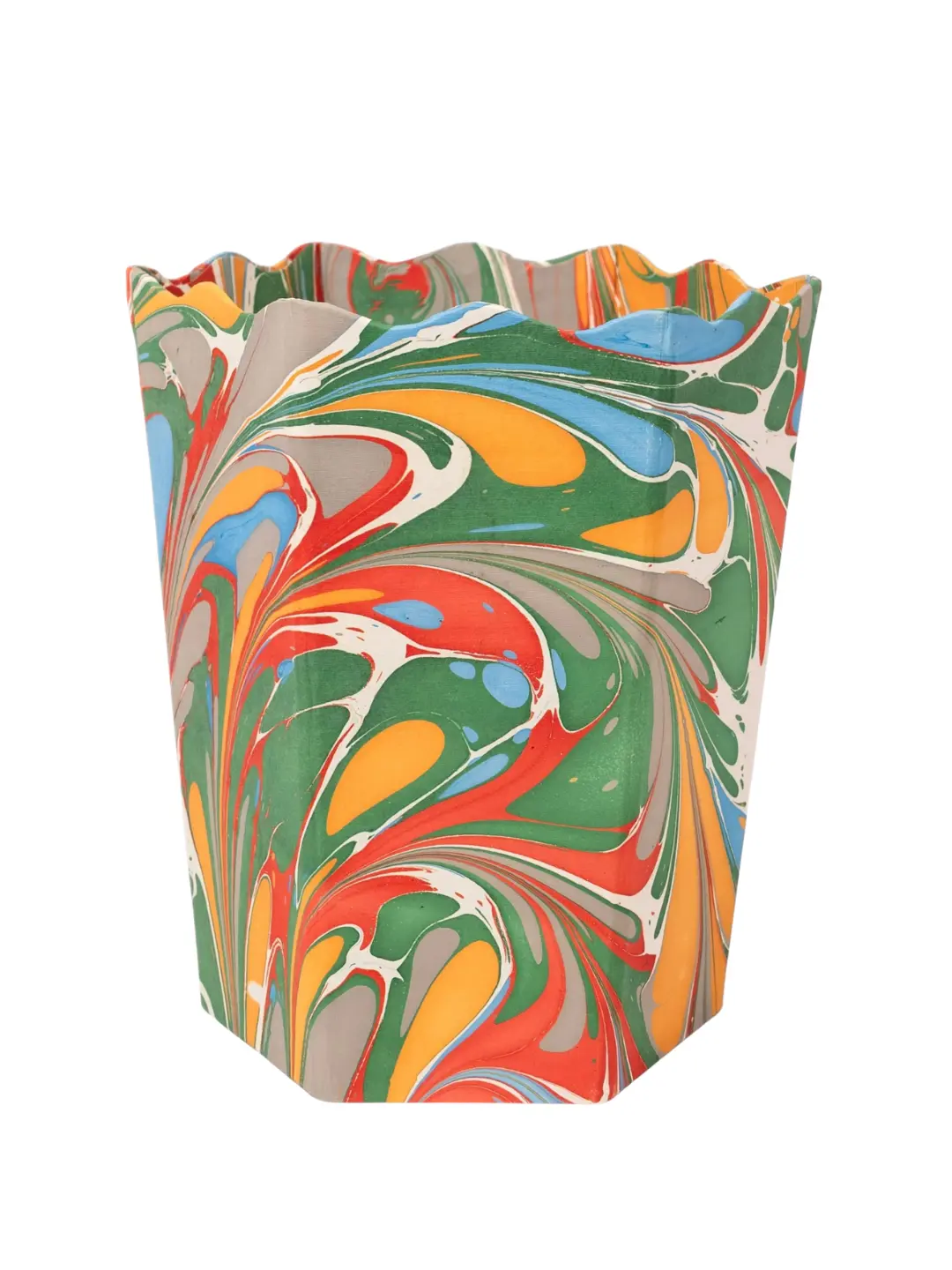
NEW YORK — For generations, the prevailing philosophy of home organization was defined by invisibility. Clutter was viewed as an enemy to be vanquished, and the ultimate goal of storage was to make belongings disappear into neutral, minimalist bins, beige baskets, and seamless, white-washed cabinetry. Storage was strictly functional—a necessary chore rather than an opportunity for self-expression.
However, a vibrant design counter-movement is sweeping through the interiors industry. As an evolution of the wildly popular "dopamine decor" trend that encouraged homeowners to embrace bold colors, tactile textures, and unapologetic joy, a new phenomenon has emerged: dopamine storage.
Championing the belief that organizational accessories should do more than just hide away household items, this design shift transforms everyday utility pieces into statement decor. Instead of forcing homes into monotonous minimalism, dopamine storage invites residents to inject color, shape, pattern, and personality into every corner of their living spaces.
Main Facts: The Anatomy of Dopamine Storage
At its core, dopamine storage is about merging utilitarian organization with high-impact visual delight. Rather than relying on storage boxes that fade quietly into the background, this trend champions lively alternatives designed to spark genuine happiness—the biochemical reaction from which the movement derives its name.
Key elements defining the dopamine storage trend include:
- High-Impact Color Palettes: Think vibrant primary colors, pastel pinks, rich jewel tones, and unexpected color-blocking that instantly energizes a room.
- Playful Patterns and Textures: Bold stripes, abstract geometries, tactile finishes, and sculptural forms replace flat, uninspired plastic bins.
- Exhibition Over Concealment: While traditional organization hides clutter completely, dopamine storage often utilizes translucent materials, open shelving, or striking standalone cabinets (such as pastel-hued metal lockers or glass-door consoles) that turn the act of storing into a curated display.
- Personality-Driven Design: The trend celebrates individual taste over rigid design rules, allowing homeowners to display items that reflect their unique histories and quirks.
Industry experts note that this design shift is more than just a fleeting fad; it represents a fundamental change in how people view their living environments in a post-pandemic world, where the home has increasingly become a sanctuary for mental well-being and emotional comfort.
Chronology: From Minimalist Fatigue to Joyful Interiors
To understand how dopamine storage took center stage in contemporary interior design, it is helpful to look back at how modern organizing trends have evolved over the last decade.
2014–2019: The Reign of Strict Minimalism
For much of the 2010s, the design world was dominated by ultra-minimalism, heavily popularized by Scandinavian design philosophies and lifestyle figures like Marie Kondo. The focus was heavily weighted toward "decluttering" and eliminating possessions that did not "spark joy." During this period, storage solutions were almost exclusively monochrome—charcoal grays, stark whites, and natural wood tones designed to blend seamlessly into the walls.
2020–2022: The Pandemic Pivot and Sanctuary Spaces
When global lockdowns forced millions to spend the vast majority of their time indoors, interior design shifted from show-home perfection to functional comfort. As people stared at the same four walls day after day, a fatigue set in regarding sterile, monochromatic spaces. Homeowners began craving warmth, color, and emotional resonance from their interiors.
2023–2024: The Birth of "Dopamine Decor"
As the world reopened, the "dopamine decor" movement exploded across social media platforms like TikTok and Instagram. Interior enthusiasts rejected muted palettes in favor of maximalism, gallery walls, nostalgic touches, and vibrant color palettes meant to stimulate psychological well-being.
2025 and Beyond: The Natural Evolution to Dopamine Storage
While dopamine decor successfully transformed walls, textiles, and large furniture, a design gap remained: the boring, beige storage containers holding everyday items. The birth of dopamine storage bridges this gap, ensuring that organizational vessels finally match the lively, joyful aesthetic of the rooms they inhabit.
Supporting Data and Market Impact: Why Joyful Organization Resonates
Market analysts and interior style editors have noted a significant surge in consumer demand for playful, design-forward homewares. Retail data indicates that shoppers are increasingly willing to invest in organizational items that serve a dual purpose as decorative centerpieces.
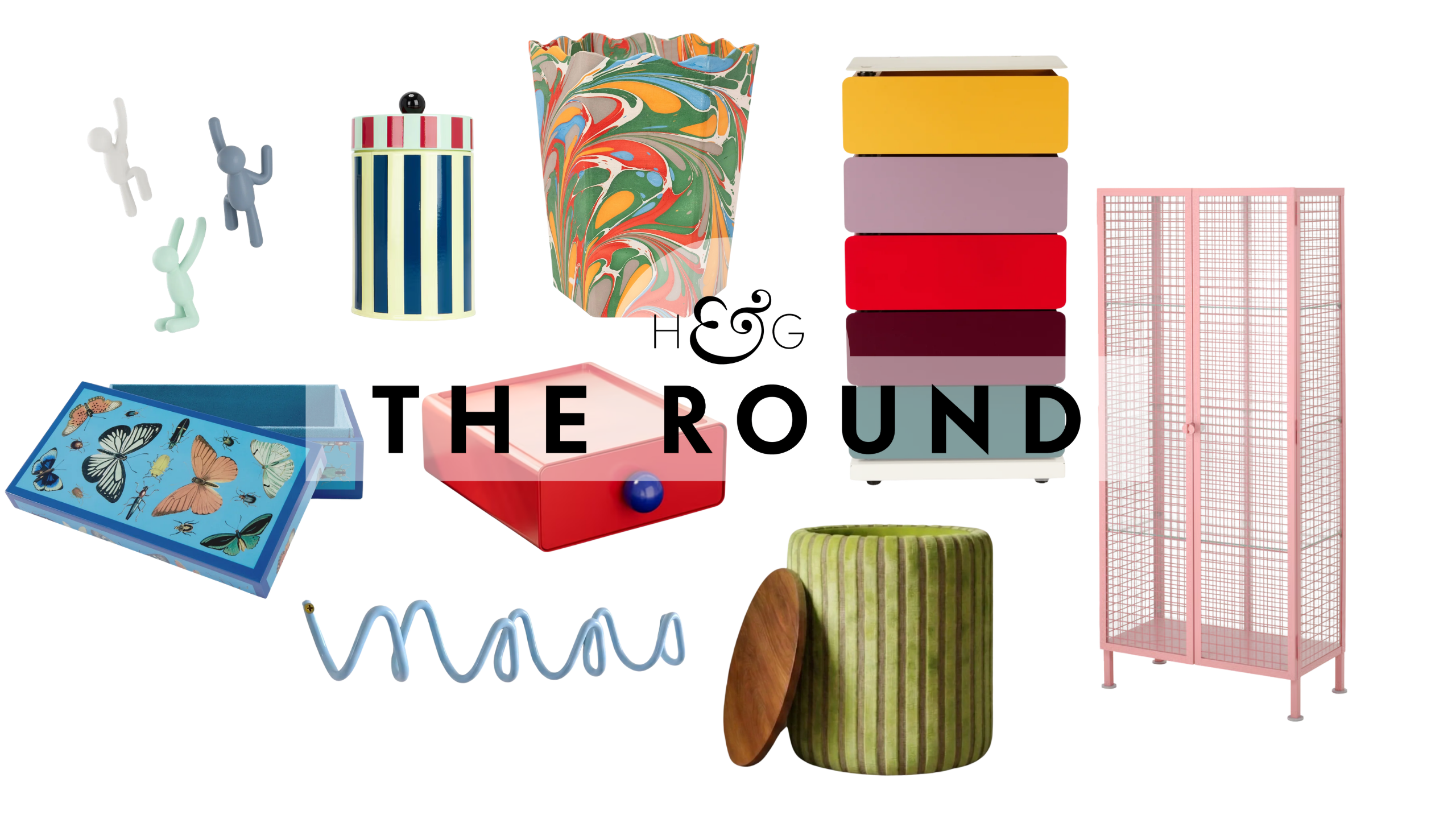
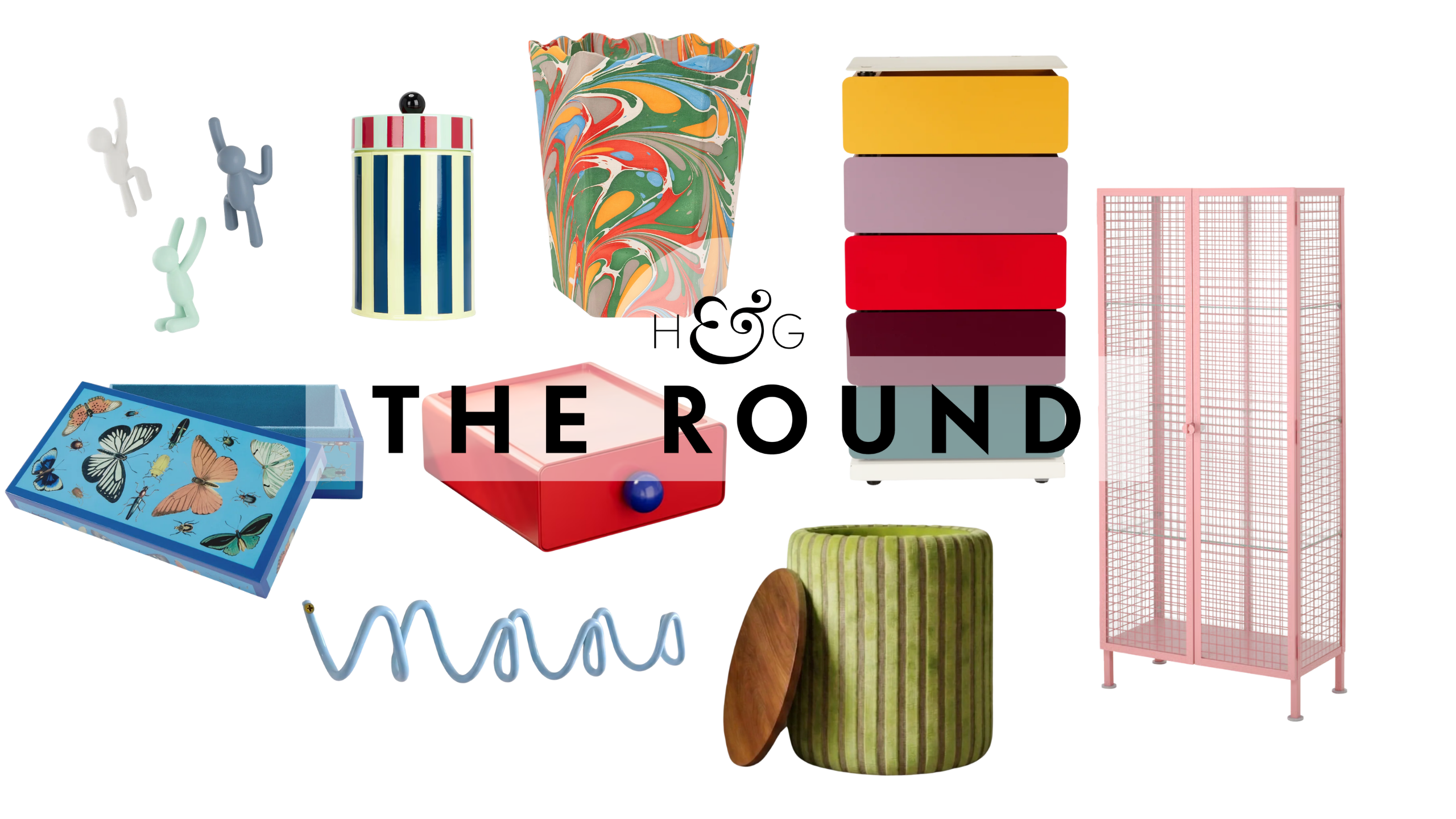
- The Vanity and Bathroom Upgrade: Small spaces are leading the charge. Consumers are moving away from plain acrylic makeup organizers in favor of high-design countertop accessories. For instance, striped ceramic canisters—such as those popularized by brands like Dusen Dusen—have become must-have organizational features for bathroom vanities, turning basic skincare storage into a bold pop of personality.
- Statement Living Room Furniture: Bulky, dark media consoles and standard bookshelves are losing ground to architectural storage solutions. Pieces like IKEA’s PS 2014 or PS glass-door cabinets in light pastel pinks and greens allow homeowners to corral living room clutter while simultaneously introducing vibrant architectural color into the room.
- The Rise of "Functional Art": According to home trend forecasters, search terms related to colorful storage bins, patterned laundry hampers, and sculptural catch-alls have seen double-digit year-over-year growth.
Consumer psychology explains this shift clearly. Environmental psychology studies have long shown that physical surroundings directly impact mood, stress levels, and cognitive function. Surrounding oneself with colors and shapes that elicit positive emotional responses can mitigate daily stress, turning mundane routines—like tidying up or getting ready in the morning—into micro-moments of joy.
Official Perspectives: Expert Insights on the Trend
Leading voices in the interior design and style sectors have enthusiastically embraced the dopamine storage movement, viewing it as a liberating departure from rigid design rules.
Devin Toolen, a New York-based Style Editor for Homes & Gardens, emphasizes that practicality and personal style do not have to be mutually exclusive.
"Good storage is all about function, as it should be. However, that doesn’t mean it needs to sacrifice form," Toolen explains. "Why shouldn’t your storage pieces add something more to your home than a place to organize items? They could be used to add color, shape, pattern, and interest. And that’s exactly what the dopamine storage trend is all about."
Interior psychologists and professional organizers echo this sentiment, noting that when storage solutions are visually appealing, people are actually more likely to maintain them. Traditional organization systems that rely on hidden bins can easily become out-of-sight, out-of-mind black holes of clutter. Conversely, beautiful, expressive storage encourages regular engagement and care.
"The dopamine storage trend is proof that you don’t have to sacrifice your personal style to make your home more organized," notes Toolen. "Instead of choosing storage that fades into the background, opt for lively alternatives that bring color, character, and excitement to your home."
Implications for the Future of Home Design
As the interior design landscape continues to shift toward personalization and emotional well-being, the implications of the dopamine storage trend extend far beyond home organization.
- A Shift in Retail Manufacturing: Homeware manufacturers and big-box retailers are pivoting away from producing exclusively neutral organizational goods. Expect to see broader collaborations between independent surface pattern designers and mainstream home goods brands.
- Redefining Sustainability and Longevity: When storage pieces double as art or statement furniture, consumers are less likely to treat them as disposable commodities. Investing in a well-crafted, colorful cabinet or durable ceramic canister means the piece can adapt through various home redesigns, promoting a more enduring relationship with household goods.
- The Death of the "One Size Fits All" Aesthetic: The overarching implication of dopamine storage is the liberation of the individual consumer. As homes increasingly reflect unique psychological identities, the pressure to conform to sterile, highly curated showroom standards is fading away.
Ultimately, dopamine storage proves that tidying up does not have to be a sterile, joyless chore. By bridging the gap between practical utility and expressive design, this growing trend invites everyone to look at their belongings—and the vessels that hold them—in a brand-new, colorful light.
