

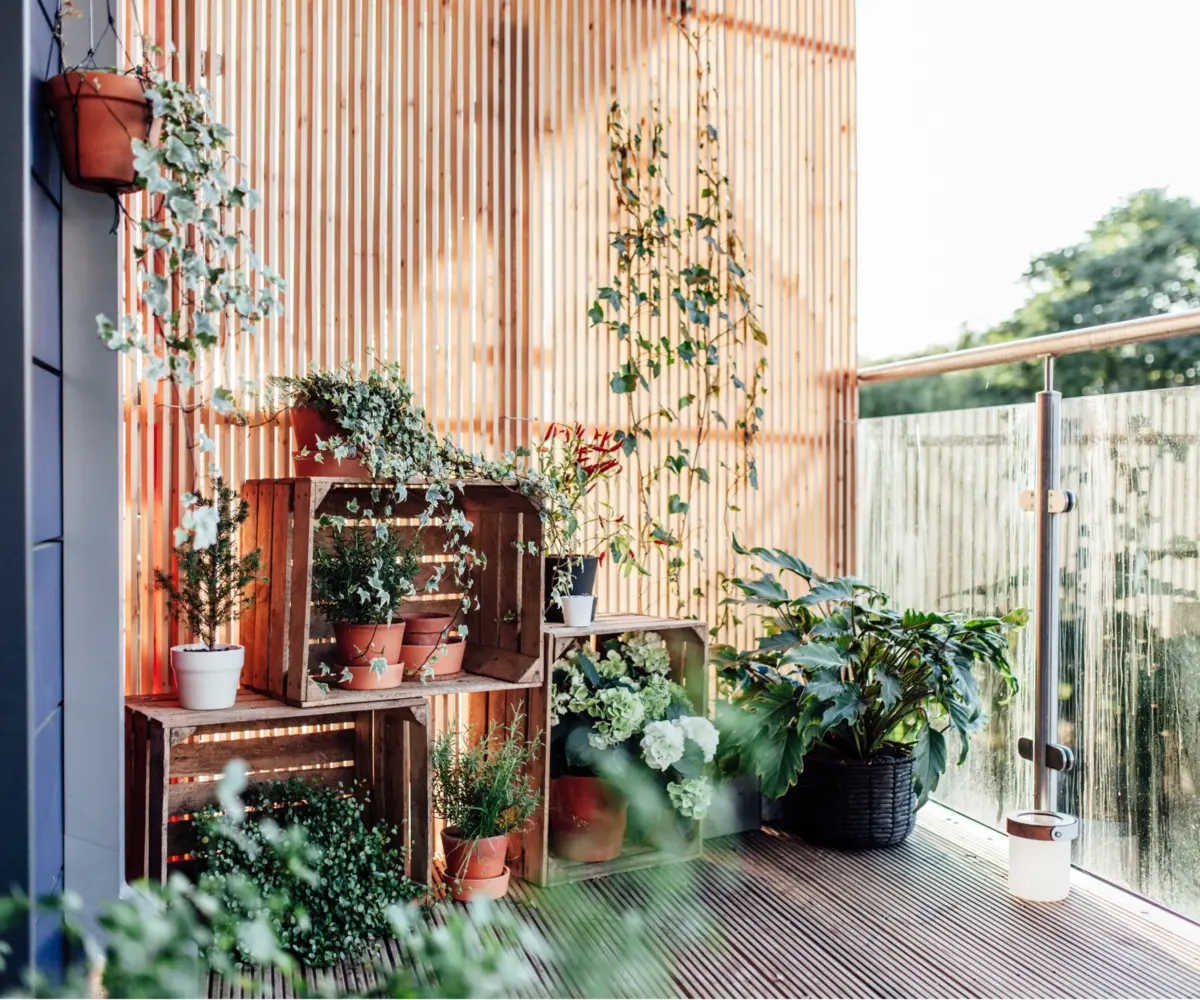
Urban living has long forced garden enthusiasts to compromise. For decades, cultivating fresh herbs, vibrant flowers, or homegrown vegetables meant sacrificing precious square footage, wrestling with clumsy watering schedules, or abandoning the hobby entirely due to a lack of traditional yard space. However, a quiet revolution is taking place on apartment balconies, tiny patios, and even sunlit indoor corners across the country.
A new wave of innovative, multi-functional gardening products is redefining what is possible in restricted areas. Leading the charge is a viral, highly rated Amazon product: the Self-Watering Rolling Planter. Priced at an accessible $39.99, this clever gardening kit combines vertical architecture, intelligent water management, and mobility into a single, compact package—offering city dwellers a seamless entry point into the joys of home cultivation.
Main Facts: The Anatomy of a Compact Gardening Breakthrough
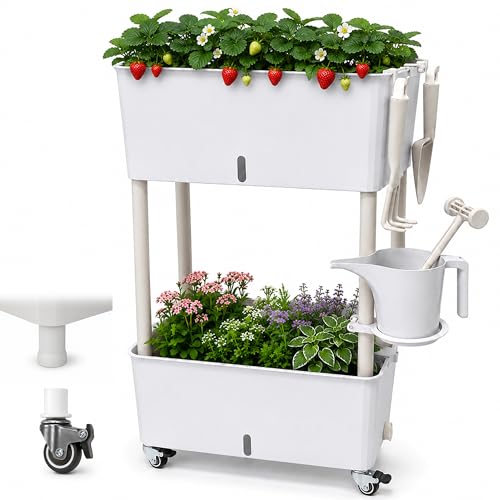
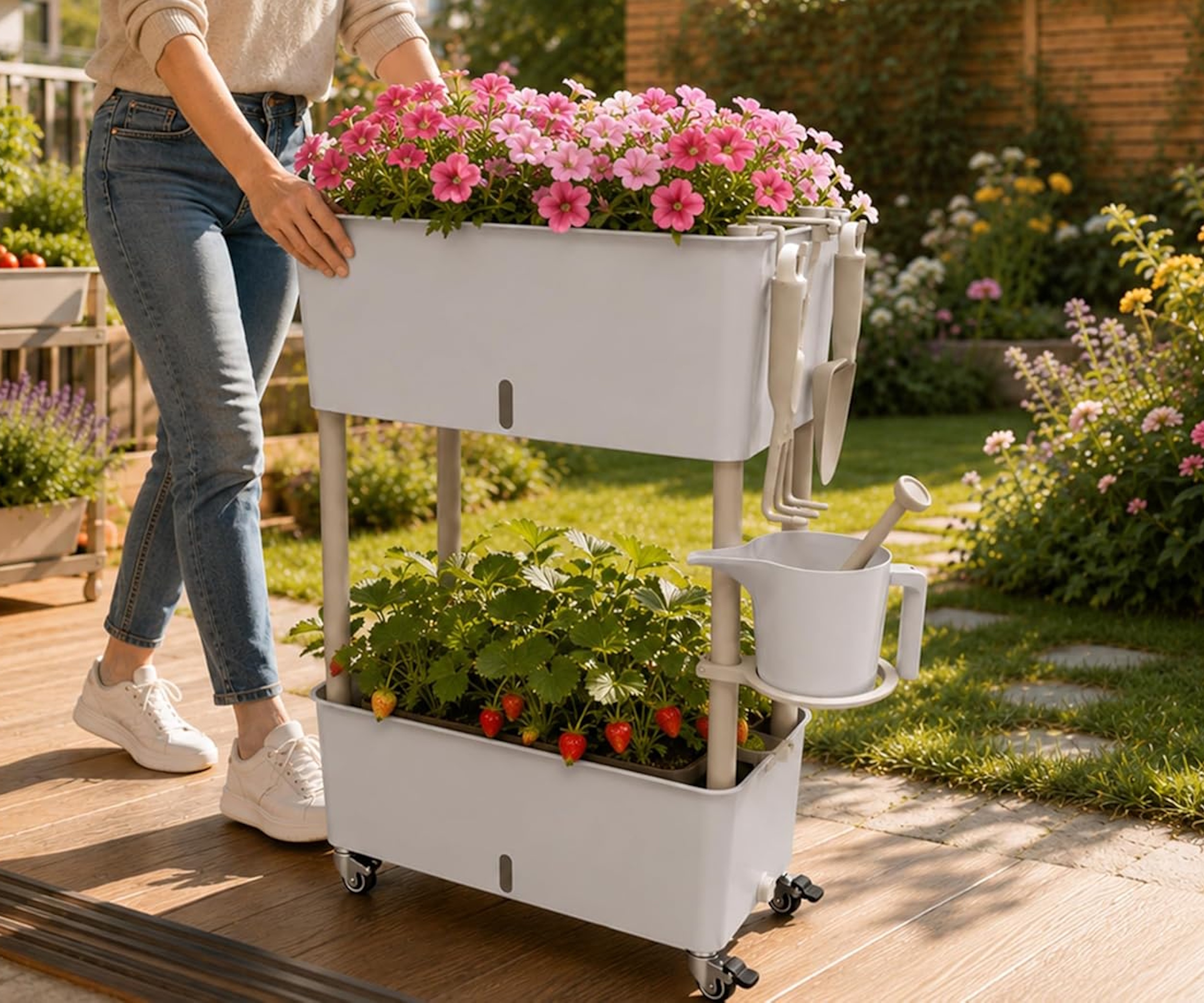
At its core, the Self-Watering Rolling Planter is designed to eliminate the common friction points associated with small-space horticulture. Measuring in at a convenient 27.8 inches for its standard tier (with a larger 46.7-inch model also available), the structure relies on a tiered, vertical footprint that maximizes growing capacity without hogging floor space.
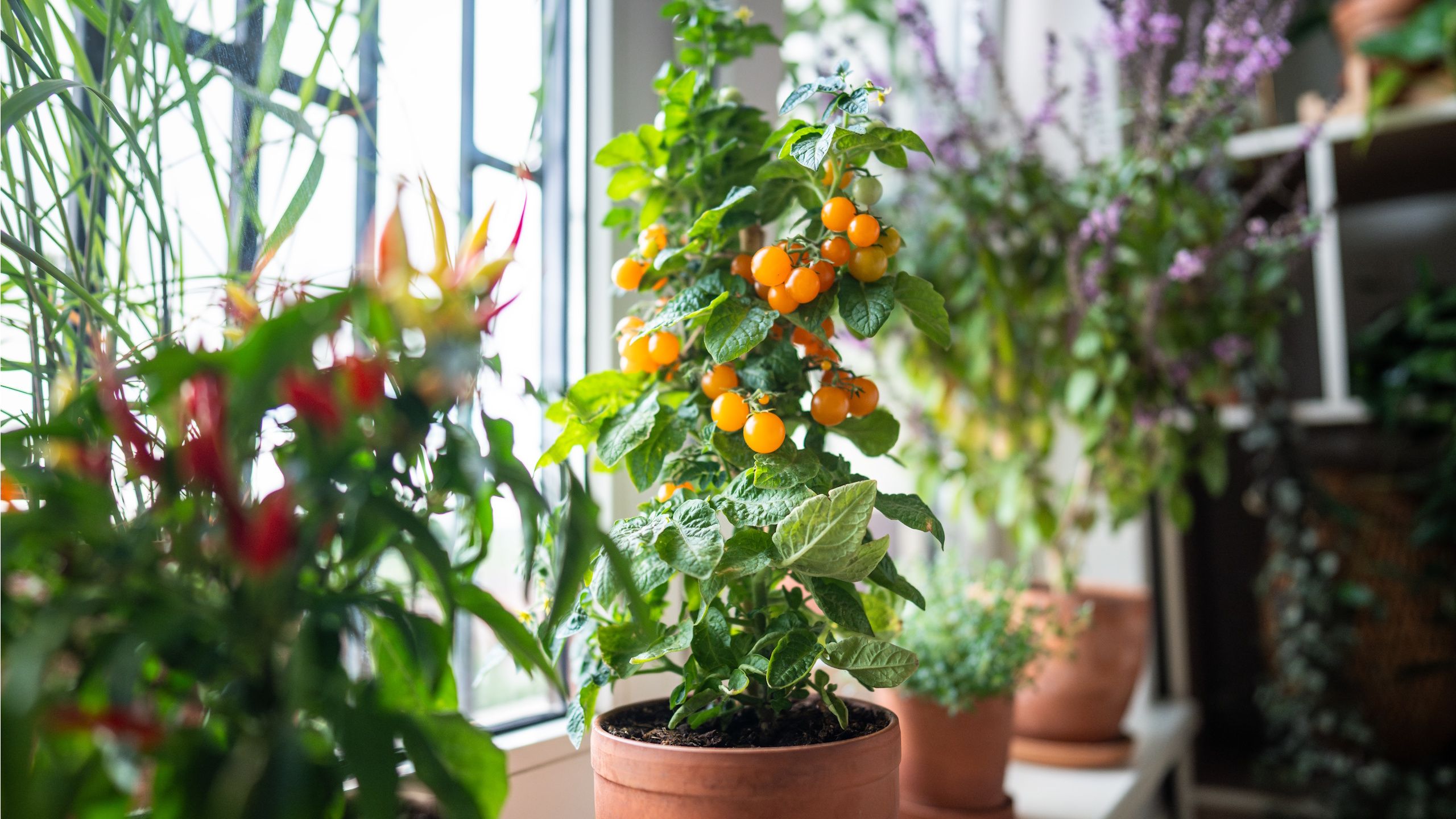
Key features driving its popularity include:
- Integrated Self-Watering Reservoirs: Each tier features a concealed water tray equipped with a transparent water level window. This allows plant roots to draw up moisture as needed through capillary action, drastically cutting down on manual watering chores and mitigating the risk of root rot from overwatering.
- Mobility via Heavy-Duty Casters: Fitted with smooth-rolling wheels, the garden bed can be effortlessly repositioned. Gardeners can wheel their plants toward optimal sunlight throughout the day, chase the warmth on a patio, or roll the entire unit indoors when seasonal temperatures drop.
- Ergonomic Raised Design: By elevating the planting beds, the unit spares hobbyists the physical strain of bending over or kneeling on hard concrete balconies—a major selling point for aging gardeners or those with limited mobility.
- Bonus Tool Integration: Unlike basic pots, this system ships with complementary hand tools—including a compact watering can, a trowel, and a cultivating fork—which can be neatly hung on built-in storage hooks.
- Modular Versatility: The rust-proof, durable plastic construction snaps together easily without the need for tools or drilling. Furthermore, the modular design allows users to detach the tiers and use them as separate, standalone containers if desired.
Chronology: How Urban Gardening Shifted Indoors and Upwards
The journey toward mainstream micro-gardening has accelerated significantly over the past five years, driven by changing demographics, urban densification, and a cultural renewed interest in sustainable living.
Phase One: The Pandemic Boom (2020–2022)
During global lockdowns, millions of urban residents experienced a profound disconnection from nature. Confined to apartments with little more than a fire escape or a windowsill, consumers turned to container gardening in droves. Sales of basic terracotta pots, potting mix, and indoor herb kits spiked exponentially. However, many novice gardeners quickly encountered the limitations of standard containers: soil dried out too fast in the summer heat, or apartment floors were stained by messy drainage runoff.
Phase Two: The Shift Toward Smart, Modular Design (2023–2024)
As life returned to a fast-paced normal, consumers demanded low-maintenance solutions. The market saw a surge in automated and semi-automated gardening gear. Vertical planters—traditionally reserved for commercial installations or expensive custom setups—began appearing in direct-to-consumer online markets. Manufacturers realized that apartment dwellers needed products that were lightweight, weather-resistant, and adaptable to changing seasons.
Phase Three: The All-in-One Solution (Present Day)
The introduction of the self-watering rolling planter represents the maturation of this consumer trend. By combining three major pain points—space limitations, complex hydration needs, and physical strain—into a single manufactured kit, brands have unlocked a massive demographic of urban hobbyists who previously felt unequipped to grow their own food or flowers.
Supporting Data and Consumer Insights: What the Numbers Say
The success of compact gardening solutions is well-documented in user satisfaction metrics and market trends. The Amazon self-watering rolling planter currently boasts a robust 4.4-star average rating, backed by thousands of customer reviews that highlight both its triumphs and minor drawbacks.
What Users Praise
- Time Savings: Reviewers frequently cite the self-watering mechanism as a game-changer for busy professionals. The ability to glance at the transparent water-level window prevents guesswork, ensuring plants remain hydrated even during hectic work weeks.
- Accessibility: The elevated design receives high marks from urban seniors and individuals recovering from injuries, allowing them to tend to their plants standing upright.
- Seasonal Flexibility: The inclusion of wheels allows apartment residents to extend their growing seasons. Herbs and strawberries grown outdoors on a breezy summer balcony can be easily rolled inside a sunroom or living room corner when autumn arrives.
Constructive Feedback and Reality Checks
While consumer sentiment is overwhelmingly positive, experienced urban gardeners note a few caveats worth considering:
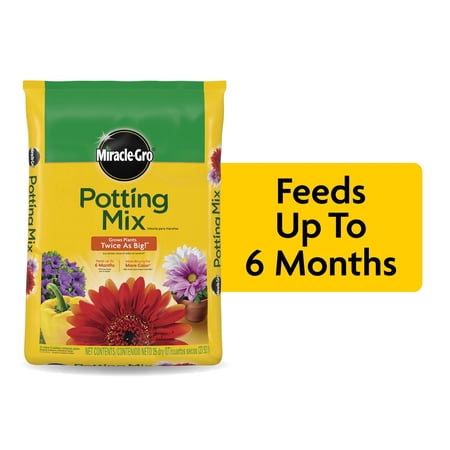
- Soil Requirements: Several reviewers pointed out that initial manufacturer soil estimates can be misleadingly high. For the smaller model, buyers reported using significantly less than the suggested 75 quarts, often finding that a single 25-quart bag of potting mix is more than sufficient.
- Scale Perception: Some purchasers were initially surprised by the physical height of the standard 27.8-inch model, emphasizing the importance of measuring one’s balcony or indoor space before ordering. Fortunately, the availability of a larger 46.7-inch variant provides a scalable alternative for those needing deeper or more expansive planting areas.
Official Responses and Expert Perspectives: Horticulturalists Weigh In
Horticultural experts and interior designers have increasingly embraced the concept of vertical, modular micro-gardening, noting that it bridges the gap between aesthetic interior styling and practical food production.
"Gone are the days when gardening was strictly reserved for sprawling suburban backyards," notes a leading urban agriculture consultant. "Today, a sunny apartment window, a narrow balcony, or a tiny urban courtyard is a blank canvas. Products that incorporate self-watering technology are particularly beneficial for beginners because they remove the single biggest obstacle to plant survival: improper watering technique."
Furthermore, interior design specialists emphasize that modern planters are no longer merely functional items meant to be hidden away. Durable, neutral-toned materials and clean vertical lines mean these rolling garden beds can integrate seamlessly into contemporary home decor, functioning as living art pieces rather than utilitarian yard tools.
Implications: The Future of Urban Food Security and Well-Being
The widespread adoption of accessible, small-space gardening tools carries profound implications for modern lifestyle habits, mental health, and urban sustainability.
1. Mental Health and Biophilic Design in Dense Cities
As urban populations grow denser and living spaces shrink, the psychological benefits of integrating nature into the home cannot be overstated. Engaging with plants—even a modest tier of fresh basil, mint, or cherry tomatoes on a studio apartment balcony—has been clinically proven to reduce stress, lower cortisol levels, and improve overall mood. Portable, clean-operating planters make this therapeutic practice accessible to renters who cannot make permanent alterations to their living spaces.
2. Hyper-Local Food Production
While a rolling planter may not replace a traditional supermarket trip, it plays a vital role in the hyper-local food movement. Growing culinary herbs, microgreens, and small fruiting plants at home cuts down on single-use plastic packaging, reduces food waste, and connects urban consumers directly to the lifecycle of their food. As food costs fluctuate and sustainability becomes a primary consumer value, DIY indoor and patio gardening is transitioning from a niche hobby into a mainstream lifestyle choice.
3. The Evolution of Outdoor-Indoor Living
The boundary between indoor and outdoor living spaces is blurring. With mobile, weather-resistant furniture and gardening accessories, urbanites are treating their balconies and patios as natural extensions of their living rooms. Innovation in lightweight, rust-proof plastics and modular assembly ensures that gardening gear can travel fluidly across that threshold, adapting to the changing rhythms of the seasons.
Conclusion: Is It Worth the Investment?
For anyone wrestling with limited square footage but harboring a desire to cultivate plants, the rise of multi-functional gear like the Amazon self-watering rolling planter marks an exciting turning point. Priced competitively at $39.99—and featuring everything from built-in water reservoirs to starter tools—it lowers the barrier to entry for aspiring horticulturists.
Whether you are looking to secure a steady supply of fresh herbs for your kitchen, add a touch of vibrant greenery to a stark concrete balcony, or extend your growing season into the cooler autumn months, clever vertical gardening solutions prove that you don’t need a sprawling yard to cultivate a thriving green space. All it takes is the right setup, a little sunlight, and a willingness to watch your small space bloom.
