

Main Facts: The Battle for the Blueprint of Creative Intellectual Property
In an aggressive maneuver to secure its dominance in the generative artificial intelligence landscape, tech titan Google has initiated high-stakes discussions with several of Hollywood’s most prestigious legacy studios. According to industry insiders speaking with The Los Angeles Times, Google executives are dangling hundreds of millions—and potentially billions—of dollars in front of entertainment conglomerates. The objective? To secure exclusive licensing agreements that would permit Google to ingest vast, tightly guarded libraries of copyrighted film and television content to train its foundational AI models, specifically its Gemini ecosystem.
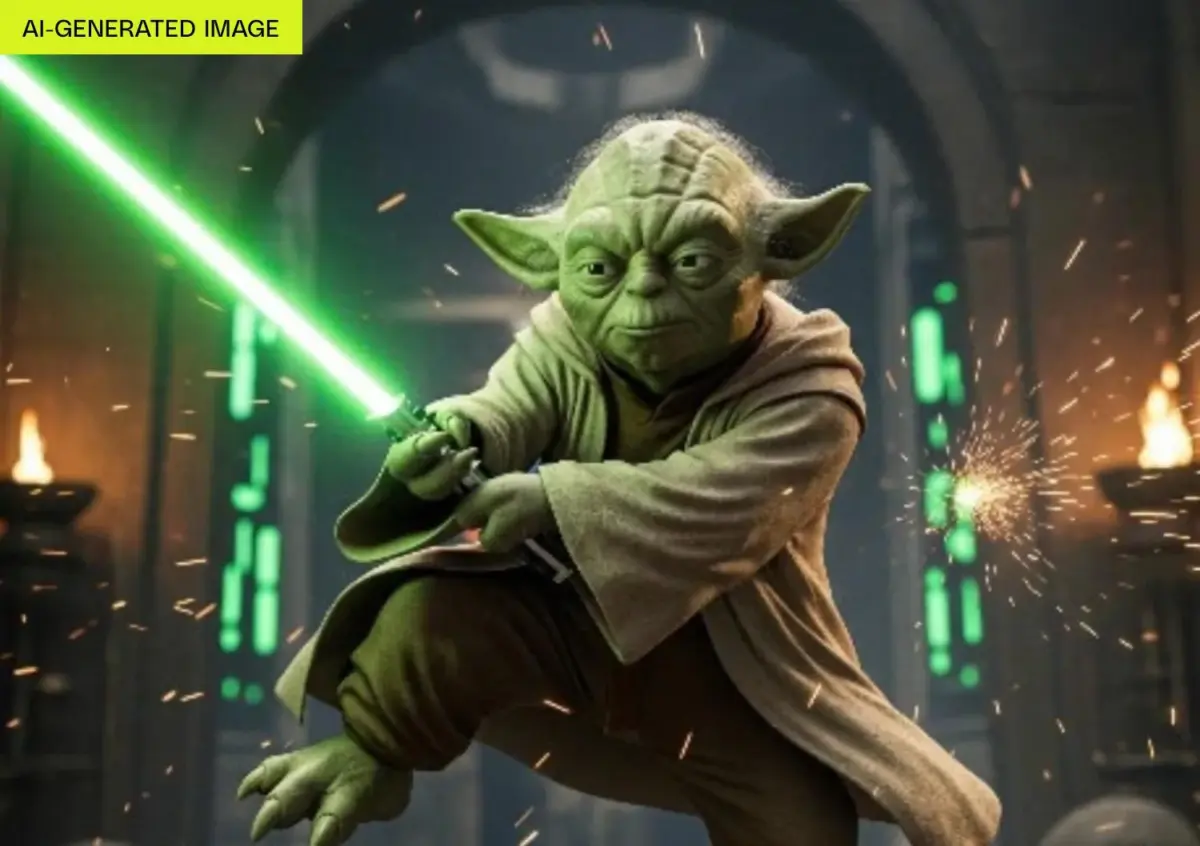
While the financial windfall for entertainment companies struggling with shifting box-office economics and declining linear television revenues appears staggering on the surface, the proposition comes with immense reputational and operational hazards. For Google, the partnership represents a golden ticket: a means to scrub away the lingering public relations tarnish of scraped data, copyright lawsuits, and societal anxieties regarding job displacement. By clothing its generative models in the beloved IP of Disney, Universal, and Warner Bros. Discovery, Google hopes to transform artificial intelligence from a controversial disruptor into an innocuous, charming consumer tool.
For Hollywood, however, taking Google’s money is a Faustian bargain. While short-term shareholder appeasement might be achieved through massive licensing payouts and backend revenue shares from YouTube integrations, the long-term risk involves alienating the very audience base and creative workforce that sustains the entertainment industry. As the tech and film sectors edge closer to an unprecedented union, the cultural, legal, and economic fallout could permanently alter the cinematic landscape.
Chronology: From Unauthorized Scraping to Legitimized Licensing Deals
The road to these multi-billion-dollar overtures has been paved with legal challenges, shifting industry strategies, and incremental technological convergence.
- Early 2023–2024 (The Wild West of Training Data): Generative AI platforms expanded at breakneck speeds, largely relying on scraping the internet—including copyrighted scripts, fan art, and audiovisual media—without authorization or compensation. This approach drew immediate ire from creators, culminating in historic Writers Guild of America (WGA) and SAG-AFTRA strikes that established strict guardrails against AI replacement.
- September 2024 (The Pioneer Partnership): Independent powerhouse Lionsgate broke ranks with the traditional studio consensus by striking a formal content-licensing agreement with AI video platform Runway. Though modest compared to current negotiations, the deal signaled that some corners of Hollywood were open to exploring generative workflows for pre-production and short-form content.
- Summer 2026 (Deepening Silicon Ties): Google’s DeepMind division signaled a deeper commitment to the arts by executing a $75 million investment and partnership deal with acclaimed indie studio A24. This laid the groundwork for broader discussions with major studio executives throughout the late summer.
- Mid-2026 (The Collapse of Previous Tech-Studio Alliances): Concurrently, other tech giants attempted to bridge the gap. Disney and OpenAI initially explored a partnership centered around OpenAI’s Sora video-generation tool for user-generated content platforms. However, that alliance ultimately collapsed amid creative friction and escalating safety concerns.
- August–September 2026 (Google’s Mega-Pitches): Google ramped up its outreach to major legacy players like Disney, Universal, and Warner Bros. Discovery. Pitching everything from single-character output rights to deep algorithmic integrations, Google positioned its billions as the ultimate economic stabilizer for traditional media companies—setting the stage for a watershed industry decision.
Supporting Data: The Economics of AI in Tinseltown
The numbers underpinning these potential agreements reveal the astronomical value both parties place on Hollywood’s intellectual property:
- $40 Million: The estimated price tag Google is reportedly willing to pay a studio like Disney/Pixar for the exclusive rights to generate outputs featuring just a single copyrighted character.
- Billions in Scale: As the scope of characters and universes expands within a single licensing deal, overall payouts are projected to swell well into the multi-billion-dollar stratosphere, supplemented by potential revenue-sharing streams from AI-generated content monetization on platforms like YouTube.
- $75 Million: The capital committed by Google DeepMind to indie studio A24 earlier in the summer of 2026, establishing a baseline valuation for how tech firms price prestige cinematic partnerships.
- $2 Billion Box Office: The massive financial success of Spider-Man: Brand New Day, achieved despite consumer backlash over the discovery of AI-generated concept art tucked inside the film’s official art book—raising complex questions about whether general audiences genuinely care about backend AI integration so long as the final product delivers spectacle.
- Demographic Shifts: According to Pew Research data from August 2026, young adults in the United States are increasingly wary of artificial intelligence, driven by persistent fears regarding employment displacement and a lack of transparency in the tech sector.
Official Responses and Industry Sentiment
While formal agreements have yet to be finalized between Google and the major Hollywood players—Disney, Warner Bros. Discovery, and Universal remain officially uncommitted—the whispers within executive suites point to a nervous calculus.
Studio executives are acutely aware of the public relations minefield that accompanies artificial intelligence. When fans discovered AI-generated assets in the official art book for Spider-Man: Brand New Day, the digital backlash was swift and vocal. While the film still crossed the coveted $2-billion global box office threshold at record speeds, studio risk-assessment teams are deeply unsettled. No executive wants to be the first to greenlight a tentpole project explicitly marketed as the product of Google’s algorithmic engines.
Conversely, shareholders are applying relentless pressure. With production budgets spiraling out of control and profit margins thinning across streaming and theatrical windows, the promise of reduced overhead and accelerated production timelines is intoxicating. Wall Street views generative AI as an operational necessity, leaving studio heads caught in a crossfire between institutional investors demanding efficiency and creative guilds demanding job security.
Labor organizations have been unequivocal in their opposition. The Guardian and other industry watchdogs have documented a growing movement among Hollywood creatives actively resisting the implementation of systems designed to automate their crafts. For now, studio PR departments are playing defense, issuing carefully worded statements emphasizing their commitment to human-led artistry while quietly taking exploratory calls from Silicon Valley.
Implications: The Long-Term Fallout for Culture and Commerce
If a major legacy studio eventually takes the plunge and signs a multi-billion-dollar pact with Google, the repercussions will ripple across the entire global creative economy.
1. The Legitimation of Generative AI
For Google, the primary victory is cultural, not economic. By associating its Gemini models with trusted, multi-generational franchises like Star Wars, Harry Potter, or Disney’s animated classics, the company effectively sanitizes generative AI in the public eye. When ordinary consumers see official, high-fidelity AI outputs sanctioned by major studios, the technology transitions from a symbol of corporate displacement to a fun, accessible consumer toy. This framing allows tech companies to bypass years of bad press and regulatory scrutiny.
2. The Alienation of the Workforce
For Hollywood’s labor force—writers, artists, animators, and post-production professionals—a Google-studio alliance would spell trouble. Even if licensing deals funnel some cash back into studio coffers, that money rarely trickles down to rank-and-file workers. Instead, it funds the very technologies engineered to replace them. As studios adopt AI to streamline workflows, the human element of cinema risks being hollowed out, leading to homogeneous, algorithmically optimized content that lacks the soul of genuine human experience.
3. Audience Fatigue and the "Slop" Backlash
While polished studio IP will look vastly superior to the uncurated "slop" currently flooding the internet, widespread consumer fatigue could still set in. If audiences realize that their favorite cinematic universes are increasingly manufactured by predictive text models rather than human writers and directors, a profound cultural alienation could occur. The entertainment industry relies fundamentally on parasocial bonds between audiences and human creators; substituting those creators with Google servers could break that trust permanently.
4. A Watershed Moment for Intellectual Property Law
Should these deals go through, they will establish a dangerous new precedent for copyright law. By establishing that massive IP holders can simply sell their training rights to the highest-bidding tech monopoly, smaller independent creators and lesser-known artists—who lack the legal leverage or capital to defend their own work—will find themselves entirely squeezed out of the digital economy.
Ultimately, while Google has everything to gain from Hollywood’s cultural cachet, the studios must realize that the AI industry needs them far more than they need algorithmic shortcuts. Trading long-term audience trust for a short-term Silicon Valley payday may fill a quarterly earnings report, but it risks burning down the very house that entertainment built.
