

WASHINGTON — In an era where the average American spends up to 90% of their time indoors, the quality of our domestic environments has become a critical pillar of public health. While major home renovations or deep-cleans often dominate our weekend to-do lists, home maintenance and wellness experts agree that safeguarding your household doesn’t require exhaustive, exhausting interventions. Instead, a targeted, 30-minute monthly health and safety inspection can drastically reduce indoor air contaminants, mitigate hidden moisture hazards, and protect families from unseen domestic dangers.
Main Facts: A Shift Toward Preventive Domestic Wellness
Recent guidance from indoor air quality (IAQ) specialists and cleaning authorities highlights a paradigm shift in domestic maintenance: routine, low-effort preventive checks are vastly superior to reactive, intensive cleaning bouts.
According to Lexi Brown, a cleaning expert and product manager at True Fresh, the secret lies in consistency rather than intensity. "The key isn’t to deep-clean the entire house in 30 minutes," Brown explains. "Instead, develop a monthly health-and-safety inspection to look for moisture, dust, ventilation issues, and potential hazards before they become bigger problems. A little bit of preventive attention each month makes routine cleaning easier and helps keep your home cleaner, drier, and safer."
Coupled with insights from Dr. John McKeon, principal at the iAIR Institute and CEO of Allergy Standards Ltd., industry leaders have crystallized a foundational, seven-step monthly audit designed to optimize indoor living conditions, minimize allergen loads, and eliminate common household hazards.
Chronology and Systematic Approach: The 7-Step Monthly Audit
To streamline this preventive maintenance, experts recommend setting aside a single afternoon each month to cycle through a structured checklist. Here is the chronological framework recommended by leading indoor health authorities:
1. The Light-Test for HVAC and Ventilation Filters
Your home’s HVAC system, range hood, and bathroom exhaust fans are the lungs of your house. Over time, particulate matter accumulates rapidly.
- The Action: Inspect filters for your heating and cooling units, range hoods, and bathroom fans.
- The Expert Test: Dr. McKeon recommends pulling filters and holding them up to a bright light. "If you can’t see through it, a change is overdue," he notes. A saturated filter ceases to capture dust mites, pet dander, and pollen, and can actively aerosolize trapped debris back into your living spaces.
2. The Moisture and Leak Sweep
Water intrusion is the silent destroyer of structural integrity and indoor air health.
- The Action: Conduct a perimeter walk of your home’s wet zones—look under kitchen and bathroom sinks, around the bases of toilets, behind major appliances like refrigerators and washing machines, and along window sills.
- The Threshold: Look for discoloration, peeling paint, warped wood, or active condensation. "Even small amounts of moisture can grow into mold problems over time," warns Brown.
3. Sanitizing High-Touch Germ Hotspots
Microbial transmission often occurs via the surfaces we touch dozens of times a day.
- The Action: Wipe down light switches, doorknobs, appliance control panels, faucet handles, and television remotes.
- The Method: Always use a damp microfiber cloth rather than a dry feather duster. Dry dusting merely lofts settled particulate matter back into the breathing zone. While standard soap and water suffice for routine hygiene, disinfect surfaces immediately if a household member falls ill.
4. Hygrometer Monitoring for Humidity Control
Excessive indoor humidity creates an ideal breeding ground for biological contaminants.
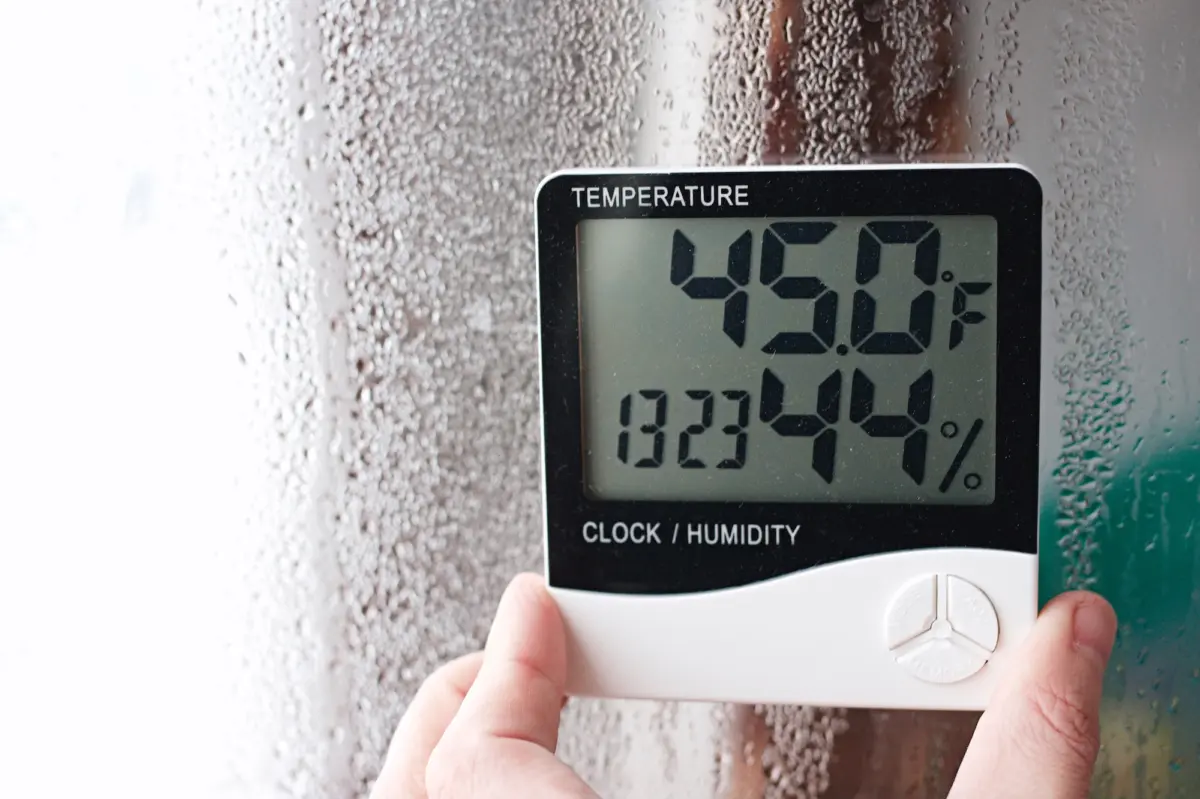
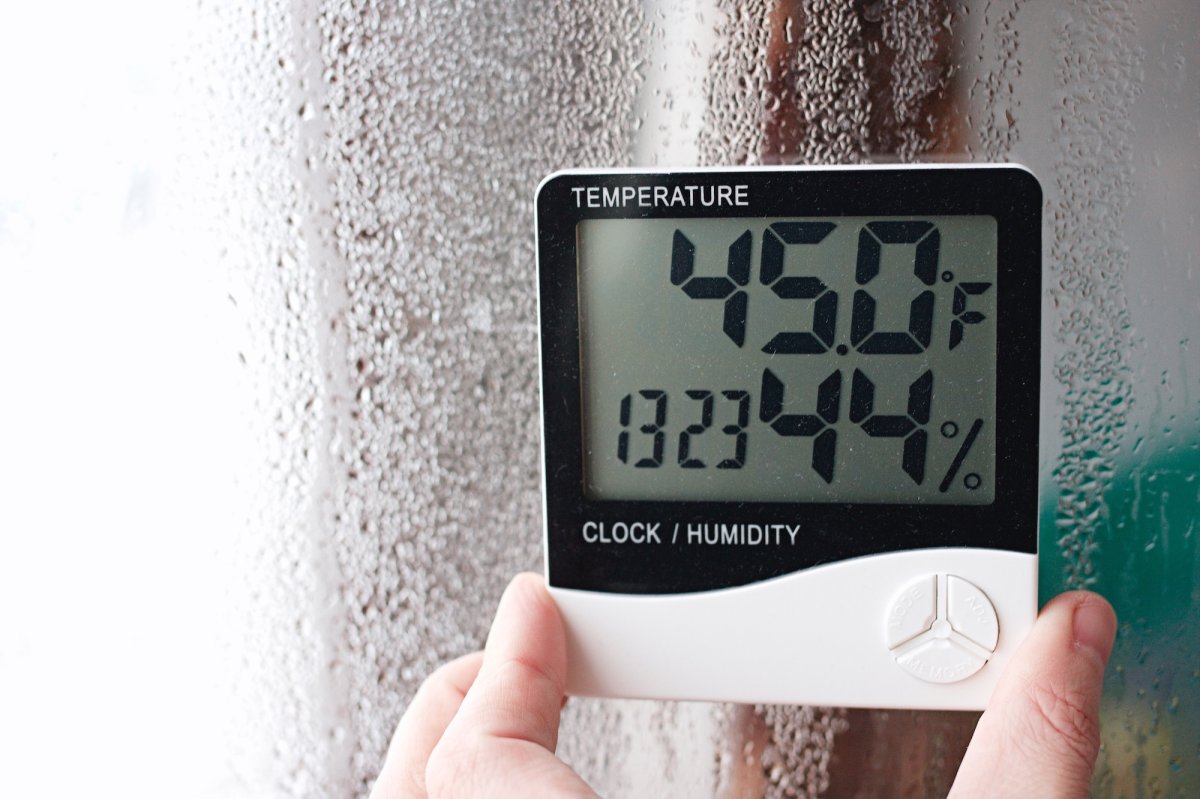
- The Action: Measure your home’s relative humidity using a low-cost hygrometer.
- The Target Range: Maintain indoor humidity strictly between 30% and 50%. Exceeding this window rapidly accelerates the proliferation of dust mites, mold spores, and bacterial growth.
5. Laundering Allergen Reservoirs
Soft furnishings and textiles act as massive sinks for allergens.
- The Action: Rotate and launder frequently overlooked items, including pillow protectors, pet beds, bathmats, and throw blankets.
- The Thermal Standard: To effectively eradicate dust mites rather than merely freshening the fabric, wash items in water heated to at least 130 degrees Fahrenheit.
6. Eradicating High-Dust Zones
Gravity continuously pulls particulate matter downward, where it collects in forgotten corners.
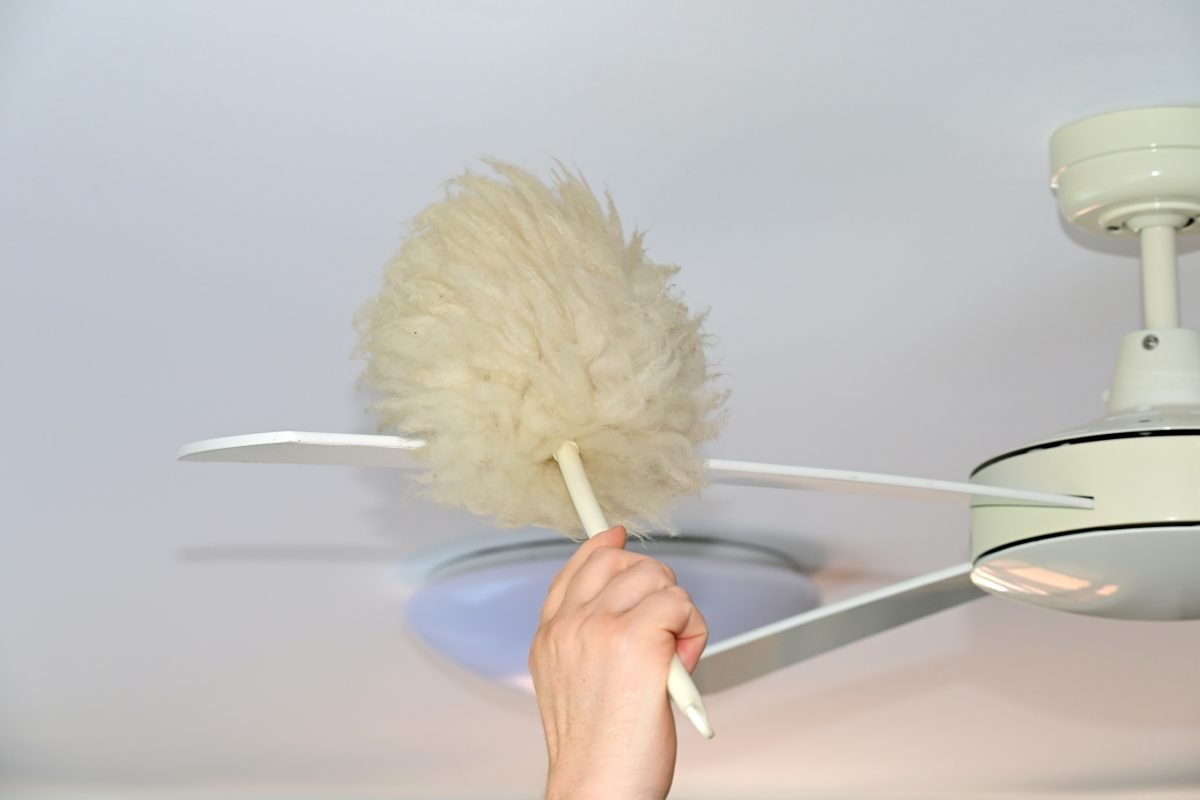
- The Action: Vacuum underneath beds and heavy furniture, and meticulously dust ceiling fan blades, air supply vents, and baseboards. "Dust can harbor pollen, mold spores, pet dander, and dust mites, so it should be removed regularly to cut down on the amount of particulates in the air inside your home," Brown states.
7. Controlled Air Exchange (Ventilation)
Modern, energy-efficient homes are often tightly sealed, trapping stale air inside.
- The Action: Open select windows for a brief period to purge accumulated carbon dioxide and volatile organic compounds (VOCs). Note: On days with high pollen counts or wildfire smoke advisories, keep windows sealed and rely on HEPA-filtered air purifiers instead.
Supporting Data: The Hidden Costs of Neglected Indoor Air
The push for monthly maintenance is backed by mounting environmental and medical data regarding indoor pollution:
- The 90% Rule: The U.S. Environmental Protection Agency (EPA) notes that Americans spend approximately 90% of their time indoors, where concentrations of some pollutants are often 2 to 5 times higher than typical outdoor concentrations.
- The Humidity Danger Zone: Research published in building science journals indicates that dust mite populations thrive exponentially when relative humidity levels surpass 50%, triggering chronic asthma and allergic rhinitis symptoms in sensitive populations.
- The Thermal Death Point: Multiple parasitology and allergen studies confirm that laundering fabrics at temperatures below 120°F leaves a significant percentage of dust mites viable; reaching the 130°F threshold is vital for true allergen reduction.
Official Responses and Expert Commentary
Public health officials and building standards organizations have increasingly emphasized the connection between home maintenance and systemic wellness.
"We are seeing a profound realization that the built environment directly dictates respiratory and immune health," says Dr. John McKeon. "When filters fail, or when moisture goes unchecked for thirty days, the cumulative physiological burden on occupants—particularly children and the elderly—is significant. Preventive maintenance is essentially preventative healthcare."
Lexi Brown reinforces that the transition to regular home audits eliminates the psychological barrier of heavy cleaning. "People burn out because they treat cleaning as a massive, catastrophic chore," Brown explains. "By breaking down safety, air quality, and hygiene into a monthly walk-through, you reclaim control of your home’s ecosystem with minimal friction."
Implications for Modern Homeowners
Adopting a systematic, monthly health and safety inspection yields compounding benefits for property owners and occupants alike:
- Financial Savings: Catching a slow plumbing leak under a bathroom vanity or identifying a failing HVAC filter before it causes motor burnout prevents costly, emergency contractor bills.
- Health Optimization: Reducing particulate loads, regulating humidity, and sanitizing high-touch vectors directly correlates with fewer sick days, reduced allergy symptoms, and improved sleep quality.
- Asset Preservation: Mitigating mold risk and maintaining structural dryness protects the long-term resale value of the property.
As seasonal shifts bring fluctuating weather patterns, integrating these straightforward practices into your calendar ensures that your home remains a sanctuary of health, safety, and comfort.
