

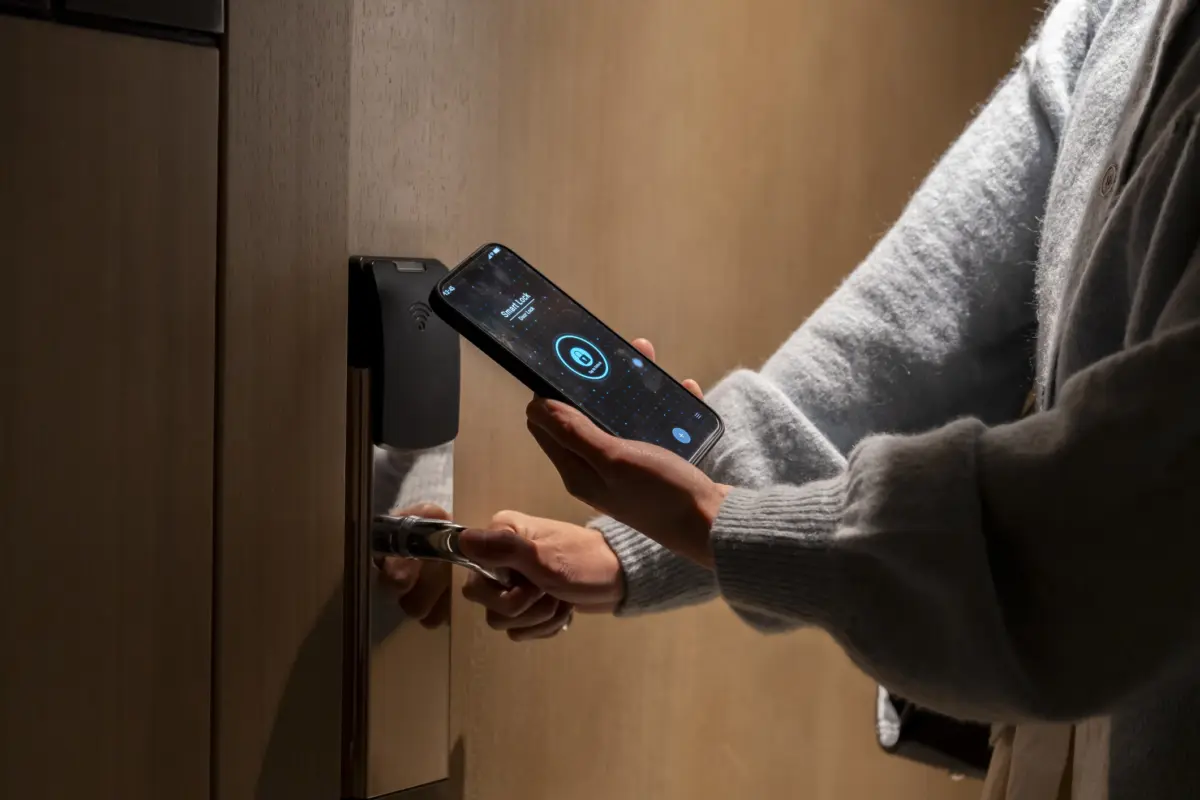
When homeowners and tech enthusiasts ask for advice on where to begin building a connected ecosystem, the recommendation almost always points straight to the front door. Starting with a video doorbell or a smart lock provides an immediate, tangible benefit to daily life. Among these entryway upgrades, smart locks stand out as an indispensable first step—and for many, the only smart home device they will ever need. They offer a rare combination of elevated home security and everyday convenience that benefits virtually anyone with a threshold to cross.
Despite their surging popularity, a vast number of households still operate exclusively on traditional brass keys. Many prospective buyers remain hesitant simply because they do not fully understand what a smart lock is, how it operates under the hood, or why the investment pays off in the long run. By breaking down the technology, exploring its advanced access methods, and examining installation, battery life, and pricing tiers, homeowners can make an informed choice to revolutionize how they secure their living spaces.

Understanding Smart Lock Basics: How They Work
At its core, a smart lock replaces the standard mechanical deadbolt found on residential exterior doors. Depending on the model and design philosophy, these devices generally fall into one of two installation categories: full replacements and retrofits.
Full replacement models swap out the entire exterior deadbolt assembly and interior thumb turn. This approach allows manufacturers to integrate advanced hardware components directly into the frame, such as numeric keypads, biometric fingerprint scanners, and touch-sensitive panels.

Conversely, retrofit models leave the exterior hardware and the original keyway completely untouched. Instead, they replace only the indoor thumb turn—the mechanical knob used to drive the deadbolt back and forth. Retrofitting is frequently cheaper, less invasive, and vastly easier to install, making it a favorite for DIYers and apartment dwellers. In both scenarios, the primary door handle or lever sitting just below the deadbolt typically remains entirely unaffected.
Once physically mounted, smart locks connect to the home Wi-Fi network or utilize local protocols like Bluetooth, Z-Wave, or Thread, tying directly into a companion mobile application. This connectivity empowers users to operate the lock remotely from anywhere with an internet connection—whether sitting at an office desk across town or lounging on a beach halfway across the world.

Everyday Convenience and Safety Features
Remote locking and unlocking capabilities eliminate the anxiety of wondering whether the front door was secured after leaving for work. Furthermore, remote access allows homeowners to grant entry to dog walkers, house cleaners, or emergency repair technicians without needing to hide a spare key under a doormat.
Most smart lock applications also feature robust digital key management:

- Temporary Passcodes: Generate numeric codes that automatically expire after a designated window of time.
- Activity Logs: Review a detailed, timestamped history of who locked or unlocked the door and when.
- Auto-Lock Timers: Program the deadbolt to engage automatically after a specified number of seconds or minutes, ensuring the door is never left accidentally unsecured.
These automated safety nets are also transformative for aging-in-place scenarios, giving family members peace of mind regarding the safety and movement routines of elderly relatives.
Evolution of Access Methods: Beyond the Traditional Key
One of the most liberating aspects of transitioning to a smart lock is discarding the archaic reliance on physical metal keys, which can be easily lost, stolen, or copied. Modern smart locks offer a diverse array of access methods tailored to various lifestyle preferences.

Proximity and Digital Wallets
Many modern locks can sense when an authorized smartphone or wearable device is nearby, automatically sliding the bolt open as the user approaches. This hands-free experience has become significantly more streamlined with the widespread adoption of the Aliro connectivity standard. Aliro allows smart locks to integrate natively with digital wallets—including Apple Wallet, Google Wallet, and Samsung Wallet—turning a smartphone into a secure, tap-to-open digital passkey.
Biometric Fingerprint Scanners
For users who prefer not to carry a smartphone or remember numeric combinations, biometric fingerprint scanners offer lightning-fast, highly accurate entry. Enrolling family members takes only a couple of minutes, and the optical or capacitive sensors verify identities in a fraction of a second. This method completely removes the risk of children or guests locking themselves out.

Keypads and Physical Overrides
While biometric tech and phone apps dominate high-end models, traditional illuminated keypads remain exceptionally popular. Keypads excel at managing multi-user environments where issuing custom PIN codes to contractors or temporary visitors is required.
While top-tier locks increasingly abandon physical keyways entirely to eliminate the risk of lock-picking, many hybrid models still retain a discreet, hidden emergency key slot or a physical backup keyway just in case network infrastructure fails or batteries are entirely depleted.

Installation, Compatibility, and Considerations for Renters
A common misconception is that installing a smart lock requires hiring a professional locksmith or specialized contractor. In reality, most consumer-grade smart locks are designed as straightforward weekend DIY projects. Replacing a standard deadbolt typically requires nothing more than a sturdy Phillips-head screwdriver and about fifteen to twenty minutes of time. Most units accommodate varying backset measurements and door thicknesses out of the box.
A Critical Note for Renters
Tenants must approach smart home security with caution. Modifying or replacing a primary exterior deadbolt usually violates standard residential lease agreements. Property management companies and landlords generally prefer to maintain strict control over master keys and physical access for liability and emergency reasons.

However, renters are not entirely shut out of the smart revolution. Retrofit locks that only replace the interior thumb turn are frequently permissible because they leave the exterior landlord-approved hardware intact. Furthermore, several manufacturers produce rental-specific smart locks designed to be installed and uninstalled seamlessly without leaving permanent alterations behind.
Power Management: Battery Life and Backup Systems
Because smart locks maintain continuous wireless connectivity and motorized mechanical functions, they require an independent power source. Most consumer locks rely on standard alkaline or lithium AA batteries housed within the interior casing, typically requiring between two to eight batteries depending on the model’s power efficiency.

- Longevity: Standard battery configurations generally last anywhere from six months to a full year under normal daily usage. Advanced units, such as specialized models featuring ultra-low-power sleep modes, can stretch battery longevity up to three years.
- Low-Power Warnings: Accompanying mobile apps monitor voltage levels closely, sending persistent push notifications well before batteries die completely.
- Emergency Jump-Starts: If batteries are neglected past the point of failure, most locks feature external terminal contacts—often designed for a standard 9V battery—allowing users to temporarily energize the keypad from the outside long enough to enter a code and replace the internal cells.
Market Pricing Tiers: What to Expect
Smart locks span a broad pricing spectrum, scaling in cost based on build quality, aesthetic design compactness, and the complexity of their access features.
- Budget Tier ($70 – $100): Ideal for cost-conscious buyers. This price bracket features reliable retrofit models designed to upgrade existing deadbolts without replacing outer hardware, alongside a select few entry-level full replacements.
- Mid-Range Tier ($150 – $200): The sweet spot for most homeowners. Locks in this range offer a balanced mix of robust durability, streamlined aesthetics, and versatile access options like basic keypads or Bluetooth auto-unlocking.
- Premium Tier ($250 and Above): Reserved for flagship hardware. High-end devices—such as advanced biometric touchscreens, ultra-thin "invisible" deadbolts, and multi-protocol smart locks supporting Matter over Thread—command higher prices due to premium materials, cutting-edge engineering, and sophisticated integration capabilities.
Ecosystem Compatibility and Brand Landscape
When shopping for a smart lock, ecosystem integration is a vital consideration. Industry-standard protocols like Matter have made cross-platform compatibility much smoother, allowing locks to integrate fluidly with Apple Home, Google Home, Amazon Alexa, and Samsung SmartThings without forcing users into proprietary apps for basic operations.

Industry-leading brands that consistently top expert testing evaluations include:
- Schlage: Renowned for heavy-duty commercial-grade mechanical security combined with cutting-edge electronics.
- Yale: A historic name in locking technology that offers sleek, highly adaptable keypads and modern aesthetic profiles.
- Level: Pioneers of invisible smart lock engineering, hiding all smart mechanisms entirely inside the door itself.
- August: Masters of the retrofit domain, making apartment upgrades seamless and non-invasive.
Implications for the Future of Home Security
As smart locks continue to evolve, they are shifting from standalone novelty gadgets into foundational pillars of domestic infrastructure. With the integration of ultra-wideband (UWB) technology, passive entry protocols, and decentralized smart home standards, the friction of physical key management is rapidly becoming obsolete. For any household looking to take the first step into home automation, the smart lock remains the undisputed king of high-value technology upgrades.
