

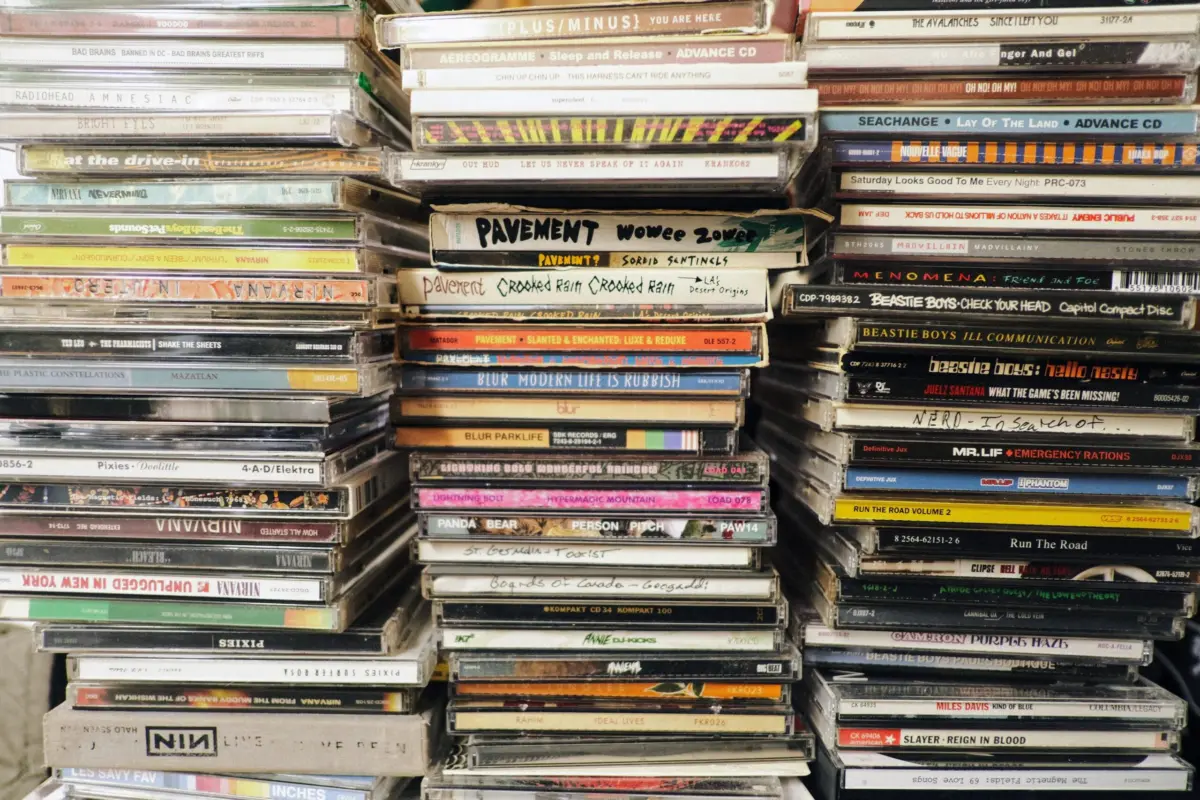
By Terrence O’Brien
Published: September 2026
Main Facts: The CD Renaissance of 2026
In an era dominated by algorithmic music recommendations, ephemeral cloud libraries, and ubiquitous smartphone streaming, the music industry is witnessing a plot twist that few analysts predicted: the humble Compact Disc is making a massive, highly lucrative comeback.
According to mid-year data released by the Recording Industry Association of America (RIAA), CD sales exploded during the first half of 2026. A staggering 17.5 million CDs were purchased across the United States between January and June, marking a dramatic leap from the 12 million units sold during the exact same period in 2025.
This translates to a year-over-year unit growth of 45.7 percent. Even more impressive is the financial impact: revenues generated by CD sales surged by 58.6 percent, hitting $171.1 million for the half-year mark. To put this into perspective, this surge completely inverts the market narrative from just a year prior, when CD sales had suffered a 22 percent contraction between 2024 and 2025.
While vinyl records continue to hold the crown for physical music nostalgia—climbing nearly 21 percent to reach 26.5 million units sold—the sudden acceleration of the compact disc has caught retailers, labels, and market researchers entirely off guard. Yet, despite the collective cultural romance surrounding physical media revival and the concurrent Gen Z-driven obsession with retro technology like vintage iPods, streaming remains the undisputed king of consumption. Digital streaming revenue grew by another 4.7 percent to reach $4.9 billion, easily dwarfing all physical formats combined. Nevertheless, the silver disc is officially back on the radar.
Chronology: How the Physical Media Market Shifted
To understand how the CD arrived at this surprising resurgence in 2026, it is helpful to look at the recent trajectory of physical and digital music formats over the past several years.

- The Streaming Hegemony (Late 2010s–Early 2020s): For the better part of a decade, subscription-based streaming services like Spotify, Apple Music, and YouTube Music cemented total dominance over the recorded music landscape. Physical media, particularly CDs, were widely dismissed as legacy formats destined for obsolescence, thrift stores, and landfills as consumers traded ownership for limitless cloud access.
- The Vinyl Proof-of-Concept (2021–2024): Vinyl records proved that physical formats could survive through a strategy of premium packaging, high-margin collector editions, and tactile appeal. However, this renaissance largely bypassed compact discs, which continued a steady, seemingly terminal downward slide as older demographics transitioned to streaming and younger generations ignored the format entirely.
- The 2024–2025 Slump: As recently as the mid-year reporting period for 2025, the RIAA confirmed that CD sales had dropped by 22 percent compared to the previous year. Industry insiders assumed the format had found a permanent, minor niche reserved exclusively for classical music enthusiasts, audiophiles, and older consumers resistant to digital shifts.
- The 2026 Pivot (July 2026): Market research firm Luminate published a mid-year report noting an abrupt upward tick in physical sales. Luminate tracked 16.3 million CD units sold in the first half of 2026, driven heavily by international pop phenomenons and demographic shifts in consumer habits.
- The RIAA Confirmation (September 2026): The RIAA solidified the trend with comprehensive shipment and revenue data, confirming that 17.5 million units had shipped, bringing in $171.1 million and officially cementing a 45.7 percent unit growth year-over-year.
Supporting Data: Breaking Down the Numbers
The resurgence of physical media in 2026 is not isolated to a single format, but the dramatic velocity of the CD recovery stands out among the data sets provided by the RIAA and Luminate.
Key Metrics from the RIAA 2026 Mid-Year Report:
- CD Units Sold (H1 2026): 17.5 million
- CD Units Sold (H1 2025): 12.0 million
- CD Unit Growth: +45.7 percent
- CD Revenue (H1 2026): $171.1 million
- CD Revenue Growth: +58.6 percent
- Vinyl Units Sold (H1 2026): 26.5 million (+21 percent year-over-year)
- "Other Physical" Media: 1.6 million units (+73 percent year-over-year, encompassing CD singles, cassettes, DVDs, SACDs, and DVD-Audio)
- Streaming Revenue: $4.9 billion (+4.7 percent year-over-year)
The Demographics Driving the Shift
According to Luminate’s mid-year findings, the sudden spike in compact disc sales is deeply intertwined with generational changes in consumption and collecting behaviors. Gen Z and millennial consumers are leading the charge, but with a unique twist: they are largely treating CDs as collectible merchandise rather than primary playback devices.
Market research indicates that roughly half of contemporary CD buyers do not actually own a working CD player. Instead, purchasing a compact disc has transformed into a tangible way to support a favorite artist, display aesthetic merchandise on a bedroom shelf, or participate in fandom culture—a behavior heavily cultivated by the global K-Pop industry.
Official Responses and Industry Perspectives
Music industry executives, retail analysts, and cultural commentators have offered varied takes on why consumers are willingly returning to a format once derided for its plastic jewel cases and susceptibility to scratching.
"We are seeing a profound psychological shift among younger listeners," notes a prominent retail distributor analysis framework. "Streaming gives you access to everything, but ownership gives you identity. When an artist drops a limited-edition physical package with exclusive photo cards, lyric books, and unique artwork, fans want to hold it in their hands."
Major label executives have pointed directly to the K-Pop phenomenon—led by powerhouse groups like BTS—as a blueprint for modern physical music marketing. By releasing multiple collectible versions of a single album, complete with randomized photocards and premium physical layouts, labels have turned standard CD releases into high-demand collectible commodities.

Furthermore, the simultaneous cultural revival of vintage tech—ranging from the runaway social media popularity of retro digital cameras to the "iPod revival" sweeping Gen Z TikTok—has created fertile ground for older physical formats to shed their "outdated" stigma and acquire a fresh, retro-chic appeal.
Implications: What the CD Comeback Means for the Future of Music
While streaming platforms continue to generate the lion’s share of industry revenue—accounting for billions of dollars and anchoring daily listening habits—the unexpected health of the physical media market carries several profound implications for the future of entertainment.
1. The Redefinition of "Ownership" in the Digital Age
As streaming services face recurring licensing disputes, disappearing content libraries, and periodic subscription price hikes, consumers are increasingly wary of renting their music libraries indefinitely. While CDs may not replace the convenience of the cloud, buying physical media provides a permanent, unalterable copy of a favorite album that cannot be removed by a corporate rights holder.
2. Merchandising as Music’s Financial Safety Net
For musicians and independent labels struggling with the notoriously low payout per stream on platforms like Spotify, physical media offers a critical revenue diversification strategy. A $15 to $20 CD sale yields vastly higher profit margins for an artist than thousands of individual streams. As fandoms embrace collecting physical goods, albums are evolving from simple audio containers into comprehensive piece-of-art merchandise.
3. Hardware Manufacturing and Retail Adaptation
The revelation that half of all CD buyers do not own a CD player presents an intriguing paradox for consumer electronics. As the novelty of collecting physical media matures into sustained consumer interest, hardware manufacturers may see an opening to introduce modern, stylish, and compact audio players tailored to younger aesthetics—much like how the vinyl boom revitalized turntable manufacturing over the past decade.
Ultimately, the 2026 CD boom proves that reports of physical media’s death were greatly exaggerated. While digital streaming remains the undisputed highway of modern music consumption, music lovers—old and young alike—still crave something real to hold onto.
