

The electric vehicle and clean technology landscapes are shifting at a breakneck pace, bridging consumer tech giants with industrial heavy machinery. The latest episode of Quick Charge dives deep into these transformations, highlighting monumental industry departures, bold automotive startups looking to disrupt traditional manufacturing giants, and massive commercial efficiency gains through electrification.
From the symbolic farewell of Apple’s long-standing Chief Executive Officer Tim Cook to the Jeff Bezos-backed Slate Auto’s prospective entry into the compact truck segment, and Waev’s powerhouse airport tugs, the electric ecosystem continues to expand its reach.
Main Facts
The latest installment of Quick Charge centers on three major developments reshaping the transportation and tech sectors:
- Tim Cook’s Departure from Apple: Apple CEO Tim Cook officially marks his final day at work, closing a historic chapter at the helm of one of the world’s most influential technology companies. While Cook’s legacy is defined by the iPhone, services, and wearable tech, his departure naturally triggers renewed speculation regarding Apple’s historical, highly secretive explorations into autonomous electric vehicles.
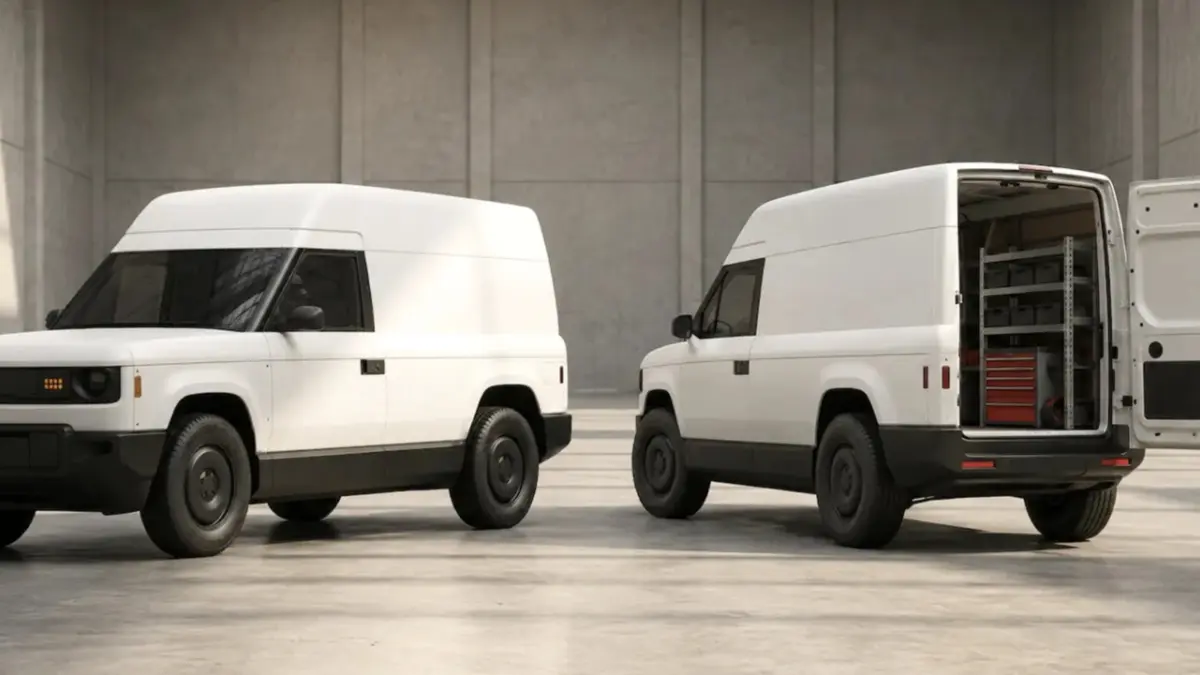
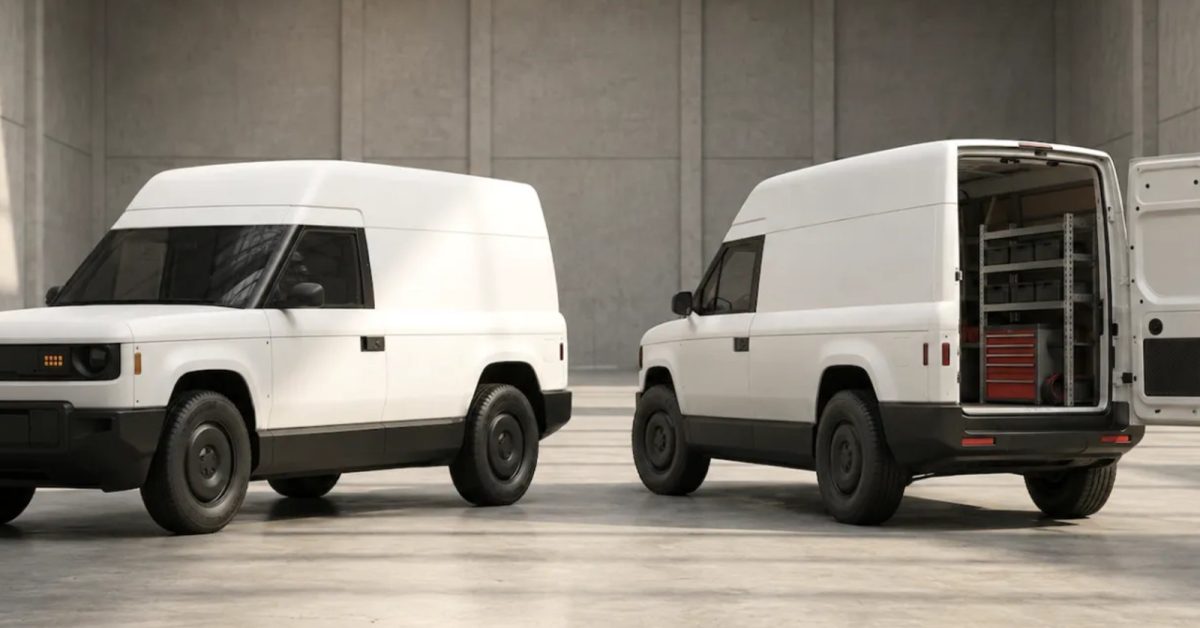
- Slate Auto’s Compact Truck Strategy: Backed by Amazon founder Jeff Bezos, Slate Auto is making waves with its unique approach to the compact electric truck market. The startup aims to challenge "The House That Henry Built"—Ford Motor Company—by carving out a niche in a segment that legacy automakers have largely abandoned in favor of larger, higher-margin full-size pickups.
- Waev’s Tiger Li-Ion Airport Tug: In the heavy-duty commercial sector, Waev has introduced its pint-sized powerhouse, the Tiger Li-Ion airport tug. Designed to operate continuously in demanding aviation environments, this electric tug can tow in excess of 60,000 pounds while drastically undercutting the operational costs of traditional diesel-powered alternatives.
Chronology of Events and Industry Shifts
To understand the weight of these developments, it is essential to examine the timelines leading up to these current milestones.
The Evolution of Tim Cook’s Apple Tenure
- August 2011: Tim Cook takes over as CEO of Apple following the resignation of co-founder Steve Jobs. Over the next decade and a half, Cook transforms Apple into a multi-trillion-dollar enterprise, expanding its hardware ecosystem and prioritizing privacy and environmental sustainability.
- Mid-2010s to 2024: Rumors continuously swirl around Apple’s "Project Titan"—an ambitious, heavily funded internal initiative to build a fully autonomous Apple Car. Despite years of research, billions in investments, and shifting strategies, Apple ultimately winds down the passenger car project, pivoting its AI and automation research toward other applications.
- Present Day: Tim Cook officially marks his final day at work, leaving behind a legacy that has profoundly influenced how consumer electronics intersect with clean energy, smart grids, and personal mobility.
Slate Auto and the Compact Truck Renaissance
- The Post-War Truck Era: For decades, compact and midsize trucks—such as the Ford Ranger and Chevrolet S-10—served as affordable, utility-first workhorses for everyday consumers.
- The Shift to Full-Size Dominance: Over time, safety regulations, profit margins, and consumer demand drove legacy automakers like Ford ("The House That Henry Built") to focus almost exclusively on larger, heavier, and more expensive full-size trucks.
- The Bezos-Backed Disruption: Enter Slate Auto. Backed by billionaire Jeff Bezos, the startup is positioning itself to capture the underserved compact truck market. By leveraging modern EV architecture, Slate Auto hopes to offer a lightweight, cost-effective alternative that directly targets the market dominance of legacy pickup manufacturers.
Waev’s Electrification of Ground Support Equipment
- Decades of Diesel Dependency: For generations, airport tarmac operations have relied heavily on diesel-powered ground support equipment (GSE), which contributes significantly to local air pollution and high fuel expenditures.
- The Rise of Industrial Li-Ion Tech: As lithium-iron-phosphate and advanced lithium-ion chemistries matured, commercial fleet operators began demanding high-output, zero-emission alternatives that could match or exceed the durability of internal combustion engines.
- Introduction of the Tiger Li-Ion: Waev steps into this space with its heavy-duty Tiger Li-Ion airport tug, designed to meet the rigorous demands of modern logistics and aviation hubs without the staggering maintenance and fuel costs associated with diesel engines.
Supporting Data and Financial Metrics
The business cases for these technological shifts are underpinned by compelling data points regarding cost savings, vehicle capabilities, and market demand:
- Waev Tiger Li-Ion Economics:
- Towing Capacity: Capable of pulling more than 60,000 lbs. continuously, making it suitable for moving large commercial aircraft and heavy cargo loads.
- Operational Schedule: Built for heavy-duty utilization, running "all day, every day."
- Cost Savings: Generates roughly $20,000 per year in savings compared to traditional diesel-powered airport tug alternatives, drastically reducing Total Cost of Ownership (TCO) for airport operators.
- The Compact EV Truck Market Gap:
- Legacy trucks often average well over $50,000 to $60,000, leaving a massive opening for affordable compact alternatives priced closer to historical entry-level truck benchmarks.
- Industry analysts project that urban centers and eco-conscious fleets will rapidly adopt compact electric utility vehicles if startups like Slate Auto can successfully scale manufacturing.
- Charging Infrastructure Integration:
- Sponsored insights from platforms like GM Energy Pass highlight the critical consumer need for unified charging solutions. By consolidating diverse charging networks into a single interface, platforms aim to eliminate "range anxiety" and streamline both daily commutes and long-distance road trips for EV owners.
Official Responses and Industry Perspectives
While these announcements span consumer technology, venture-backed automotive startups, and industrial machinery, industry observers and corporate representatives have shared distinct perspectives on their broader impacts.

The Tech and Automotive Sectors on Tim Cook’s Exit
Financial analysts and technology historians have lauded Cook’s operational mastery. While Apple’s official statements regarding its executive transition emphasize continuity and a robust leadership pipeline, industry commentators frequently reflect on the path not taken—specifically, how Apple’s restraint in the automotive hardware sector allowed pure-play EV makers like Tesla, Rivian, and emerging startups to capture the electric mobility narrative.
Slate Auto vs. Ford: The Battle for the Working Class
Representatives for legacy automotive companies like Ford have long defended their product portfolios, noting that consumer demand for full-size utility vehicles remains remarkably resilient. However, venture capital backers behind Slate Auto argue that the macroeconomic climate—marked by rising vehicle costs, tightening urban parking spaces, and stricter carbon emissions standards—creates a wide-open window for a return to compact, efficient utility trucks.
Commercial Fleet Operators on Electrification
Aviation and logistics managers have increasingly leaned toward zero-emission ground equipment. Waev’s rollout of the Tiger Li-Ion tug aligns with broader corporate sustainability goals and federal emissions mandates. Fleet managers report that the elimination of engine oil changes, exhaust system maintenance, and volatile diesel fuel pricing makes the transition to high-capacity electric tugs an easy financial justification.

Implications for the Future of Transportation and Tech
The convergence of these stories points to a larger, overarching trend: the electrification and digital transformation of every form of movement, from personal computing and urban commuting to heavy industrial logistics.
1. The Redefinition of Personal Mobility
Though Apple has stepped back from manufacturing its own physical vehicle, the footprint of tech giants in the automotive space continues to expand through software-defined vehicles, in-cabin entertainment systems, and autonomous driving research. Tim Cook’s departure marks the end of an era during which Silicon Valley and Detroit went from distant cousins to direct competitors.
2. Disruption in the Pickup Segment
If Slate Auto successfully executes its strategy with backing from Jeff Bezos, it could force legacy giants like Ford, General Motors, and RAM to rethink their product roadmaps. A resurgence of affordable, compact electric trucks could democratize utility vehicle ownership, offering consumers an alternative to the ever-growing footprint of modern full-size trucks.

3. Decarbonizing Industrial Logistics
While consumer EVs grab the majority of media headlines, commercial and industrial electrification—exemplified by Waev’s Tiger Li-Ion tug—represents some of the most immediate and impactful carbon reductions. By saving operators $20,000 annually per vehicle while eliminating diesel emissions in confined airport environments, industrial EVs prove that sustainability and profitability can go hand in hand.
Conclusion
As highlighted in the latest episode of Quick Charge, the electric mobility revolution is multi-faceted. Whether it is a monumental changing of the guard at Apple, venture-backed startups challenging traditional truck manufacturers, or heavy-duty industrial tugs quietly revolutionizing airport tarmacs, the momentum toward an electrified future is undeniable.
For listeners looking to stay ahead of these high-voltage developments, audio-only versions of Quick Charge are available on Apple Podcasts, Spotify, TuneIn, and RSS feeds, ensuring enthusiasts never miss a beat in the rapidly evolving world of clean technology and electric vehicles.
