

By Automotive News Desk | Published: September 2026
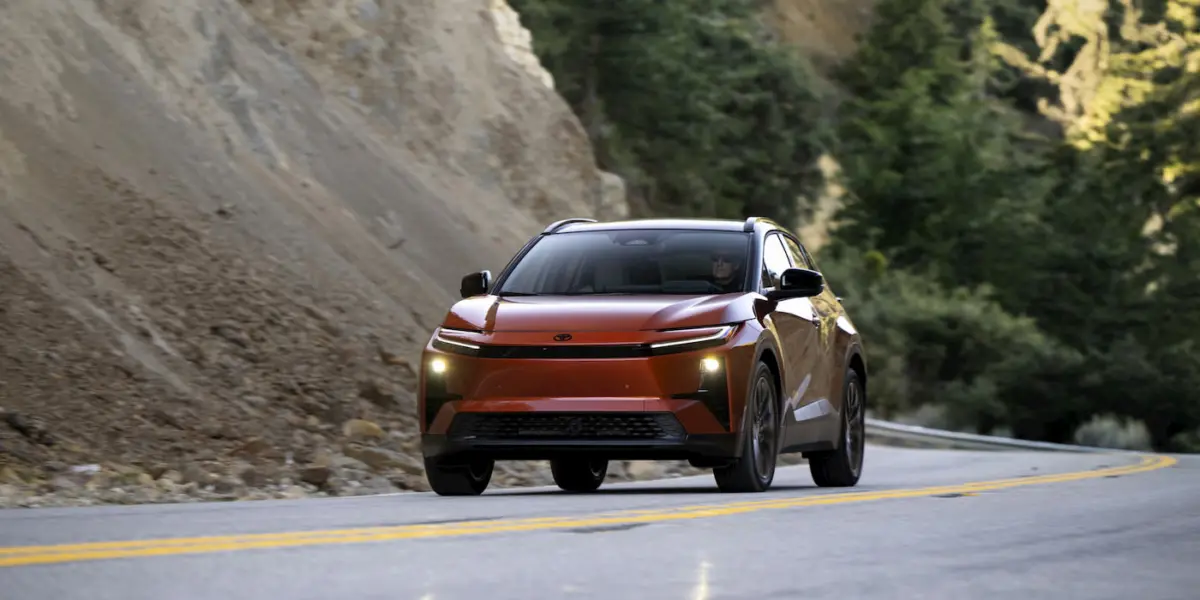
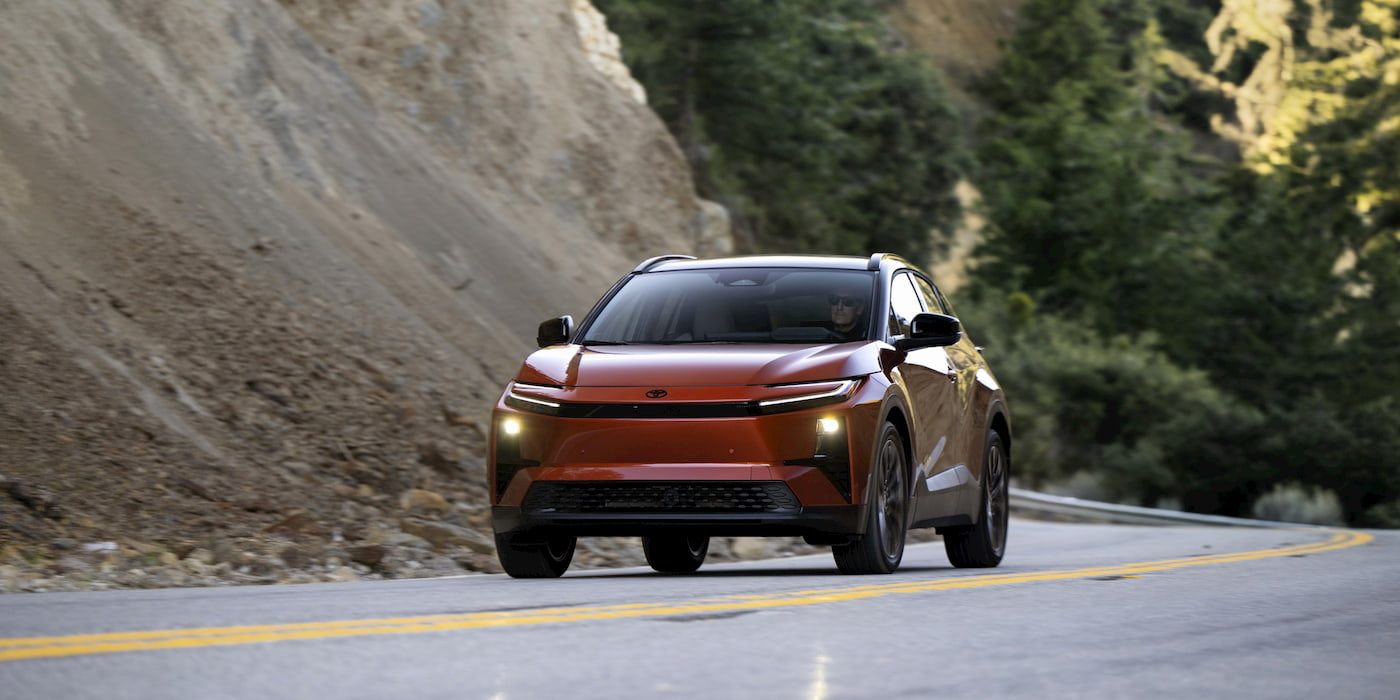
Toyota has issued a safety recall for approximately 10,000 units of its all-electric 2026 C-HR crossover in North America due to a software glitch that can cause a sudden loss of vehicle power while driving. The issue stems from the vehicle’s regenerative braking system, which under specific conditions can improperly overcharge a high-capacity battery that is already at or near full capacity.
While the all-electric C-HR has experienced a promising market debut as a sportier, more accessible alternative within Toyota’s expanding North American EV lineup, this unexpected software defect marks the model’s first significant quality hurdle. Toyota has announced that an over-the-air or dealership-administered software update will resolve the flaw, with official owner notifications slated to roll out in November 2026.
Main Facts: What You Need to Know About the Toyota C-HR EV Recall
The recall impacts a targeted segment of the automaker’s electric vehicle fleet, specifically focusing on the newly introduced 2026 model year Toyota C-HR EV sold across North America.
- Total Vehicles Affected: Approximately 10,000 units.
- The Core Defect: A software calibration error within the regenerative braking system. When drivers brake heavily or utilize maximum regeneration while the high-voltage battery is at or near a 100% state of charge, the system inadvertently overcharges the pack.
- The Safety Consequence: To protect the battery hardware from catastrophic damage caused by overvoltage, the vehicle’s electric drive system and safety protocols trigger an emergency shutdown. This leads to a sudden and complete loss of motive power while the vehicle is in motion, drastically increasing the risk of a collision.
- The Remedy: Toyota dealerships will perform a complimentary update to the battery electronic control unit (ECU) software.
- Scope Limitation: Only the 2026 model-year C-HR is affected; the recently announced 2027 Toyota C-HR models currently entering the market utilize updated or unaffected software calibrations.
Chronology of the Defect and Recall Implementation
Understanding how this issue unfolded provides insight into how modern automotive safety standards catch software-based anomalies in newly launched electric architectures.
Early 2026: The Launch of the C-HR EV
The all-electric C-HR made its official market debut earlier in the year, sporting a competitive starting price of approximately $37,000. Positioned as a sleek, compact, and driver-focused alternative to Toyota’s inaugural bZ electric SUV series, the C-HR quickly captured consumer interest, joining a portfolio that now features the updated bZ and the rugged bZ Woodland.
Mid-2026: Engineering Discovery and Field Reports
As thousands of 2026 C-HR units accumulated real-world mileage across diverse North American driving conditions, engineers identified a recurring edge-case scenario. When drivers commenced their journeys with fully charged batteries—such as leaving a residential driveway at the start of the day—and immediately engaged regenerative braking down a steep grade or during aggressive deceleration, the vehicle’s power management software failed to properly throttle energy recapture.
September 2026: Official Recall Announcement
Recognizing the potential for unexpected power loss, Toyota initiated internal safety evaluations and subsequently coordinated with regulatory authorities to structure a voluntary recall. Toyota officially announced that roughly 10,000 vehicles require immediate software remediation.

November 2026 and Beyond: Owner Outreach and Repair Execution
Toyota has stated that formal notification letters will be mailed to registered owners in early November 2026. Because the recall filing is still working its way through federal databases, the notice may take time to populate fully on public-facing safety portals. However, dealership service networks are already being briefed to prepare for the ECU software updates.
Supporting Data: The C-HR’s Place in Toyota’s EV Strategy
The timing of this recall is particularly notable given Toyota’s broader strategic pivot toward electrification in North America. The table below outlines key vehicle specifications and market context regarding the affected crossover:
| Parameter | 2026 Toyota C-HR EV Details |
|---|---|
| Market Segment | Subcompact All-Electric Crossover SUV |
| Base MSRP | Starting at approximately $37,000 |
| Recall Population | ~10,000 vehicles (North America) |
| Model Year Affected | 2026 only (2027 models unaffected) |
| Primary System Involved | Battery Electronic Control Unit (ECU) / Regenerative Braking |
| Corrective Action | Free software patch via authorized Toyota service centers |
The C-HR EV was designed to capture younger, style-conscious buyers who found larger electric offerings like the original bZ4X too utilitarian. By blending sharp styling with accessible pricing—starting under $40,000—Toyota aimed to accelerate its footprint in the high-volume electric crossover segment. Consequently, ensuring a swift and frictionless response to this early setback is vital for maintaining consumer trust.
Official Responses and Owner Action Plan
Toyota has moved quickly to establish communication channels for concerned drivers while coordinating safety compliance measures. Because the recall notice may not yet be active on the National Highway Traffic Safety Administration (NHTSA) database, the automaker has provided direct avenues for customer verification and support.
How to Check If Your Vehicle Is Affected
Vehicle owners do not need to wait for the physical mailer to arrive in November to determine their vehicle’s status. They can take the following proactive steps:
- Locate the vehicle’s 17-digit Vehicle Identification Number (VIN), found on the driver’s side dashboard or vehicle registration documents.
- Visit Toyota.com/recall and input the VIN.
- Monitor nhtsa.gov/recalls as the official federal listing goes live for cross-verification.
- Contact the Toyota Brand Engagement Center directly at 1-800-331-4331 for personalized assistance.
What Owners Should Do Next
If a vehicle is confirmed to be part of the 10,000-unit recall pool, owners should contact their local Toyota dealership to schedule an appointment for the battery ECU software update. The service is entirely free of charge.
Until the software update is applied, drivers living in hilly regions or those who frequently charge their vehicles to 100% capacity are advised to exercise caution when utilizing maximum regenerative braking settings immediately following a full charge, remaining vigilant for any unexpected warning lights or power disruptions.
Implications for Toyota and the Broader EV Industry
This recall underscores a broader industry-wide trend: as automobiles evolve into software-defined machines, mechanical failures are increasingly overshadowed by complex software integration challenges.

The Complexities of Regenerative Braking Software
Regenerative braking is a cornerstone of modern electric vehicle efficiency, capturing kinetic energy during deceleration and feeding it back into the battery pack. However, managing energy flow into a chemical battery that is already at maximum capacity is a delicate engineering tightrope. If the battery management system (BMS) miscalculates cell resistance or voltage thresholds during high-regen events, emergency failsafes are triggered to prevent thermal runaway or permanent cell damage. While shutting down the drive system protects the physical hardware, doing so while the vehicle is traveling at highway speeds introduces severe secondary safety risks.
Maintaining Consumer Confidence
For Toyota—a brand historically renowned for mechanical reliability and methodical, conservative engineering practices—dealing with software-driven recalls in its newer EV lines serves as a reminder of the steep learning curve associated with rapid electrification.
Nevertheless, the prompt identification of the issue, clear categorization of the affected population, and the implementation of a software-only fix (avoiding tedious physical component replacements) highlight the maturity of modern automotive recall management. By addressing the 2026 C-HR EV software glitch swiftly and transparently, Toyota aims to reassure consumers that its expanding electric ecosystem matches the safety and reliability standards expected of the brand.
