

A finished basement is one of the most valuable assets a homeowner can possess. By converting subterranean square footage into functional living areas—such as home theaters, remote offices, children’s playrooms, or personal home gyms—families can drastically increase their usable living space without the exorbitant costs and structural disruptions associated with building home additions.
However, anyone who has spent time in a basement during the winter months knows the distinct dread of the subterranean chill. Because basements are built partially or entirely below grade, surrounded by cold earth and concrete, they are notoriously difficult to keep warm. Furthermore, physics dictates that warm air naturally rises, leaving ground floors and basements perpetually starved of heat.
Fortunately, transforming a frigid basement into a warm, inviting oasis does not necessarily require tearing down drywall to extend your HVAC ductwork or undertaking a massive renovation. From affordable, plug-and-play space heaters to advanced thermal diagnostics and high-efficiency home maintenance fixes, homeowners have a wide arsenal of options to combat the cold.
Below is a comprehensive guide detailing ten practical ways to warm up a cold basement, complete with recommended products, data-driven insights, and strategic approaches to winter home comfort.
1. Space Heaters: The Quick and Economical Fix
When you need localized heat fast, nothing beats a portable electric space heater. These devices offer an economical way to target specific zones in a basement—such as a desk area in a home office or a reading nook—without running up your entire home’s heating bill.
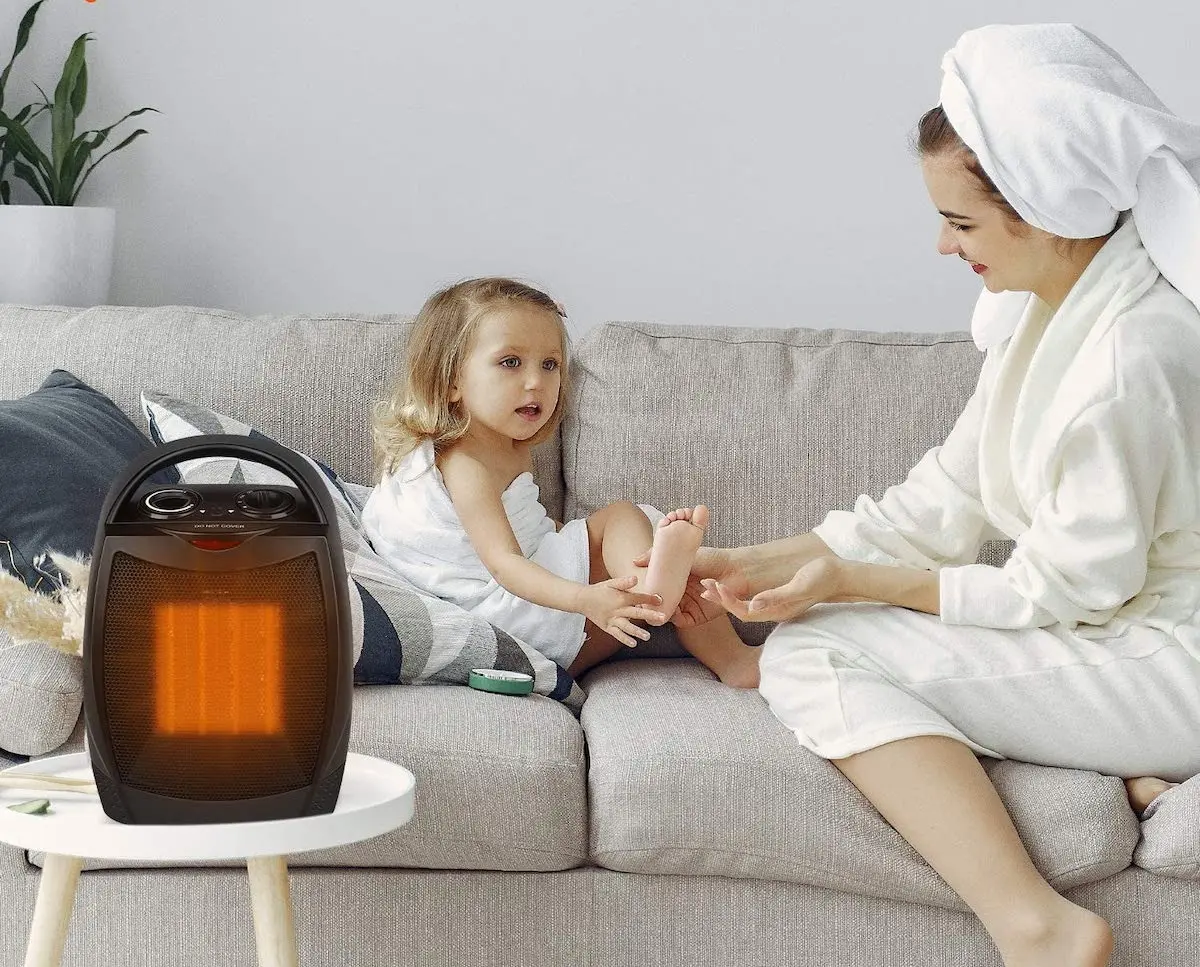
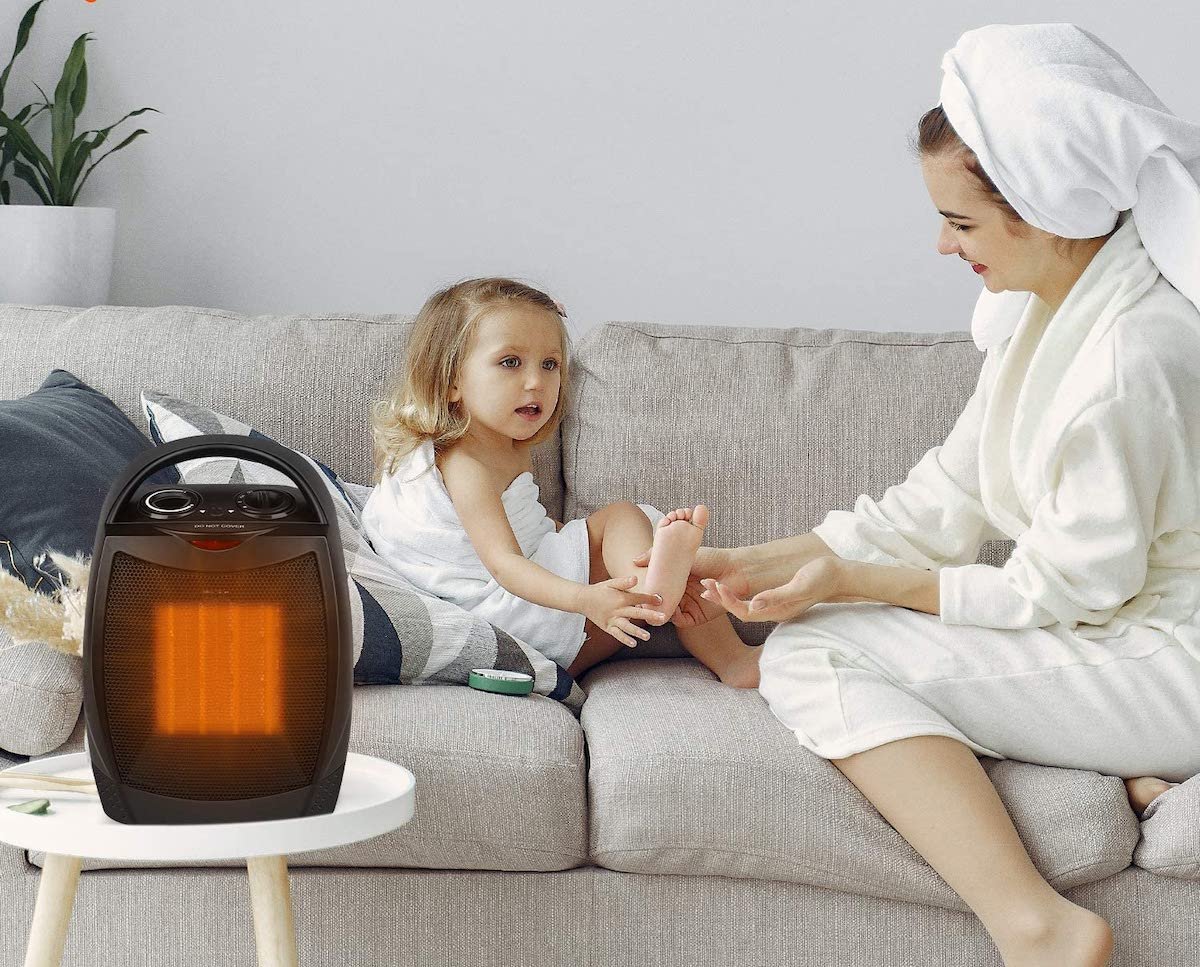
- Top Recommendation: The GiveBest Portable Electric Space Heater offers incredible value, warming up spaces up to 200 square feet for under $30. It features an adjustable thermostat that can reach up to 158 degrees Fahrenheit and operates quietly, making it ideal for workspaces.
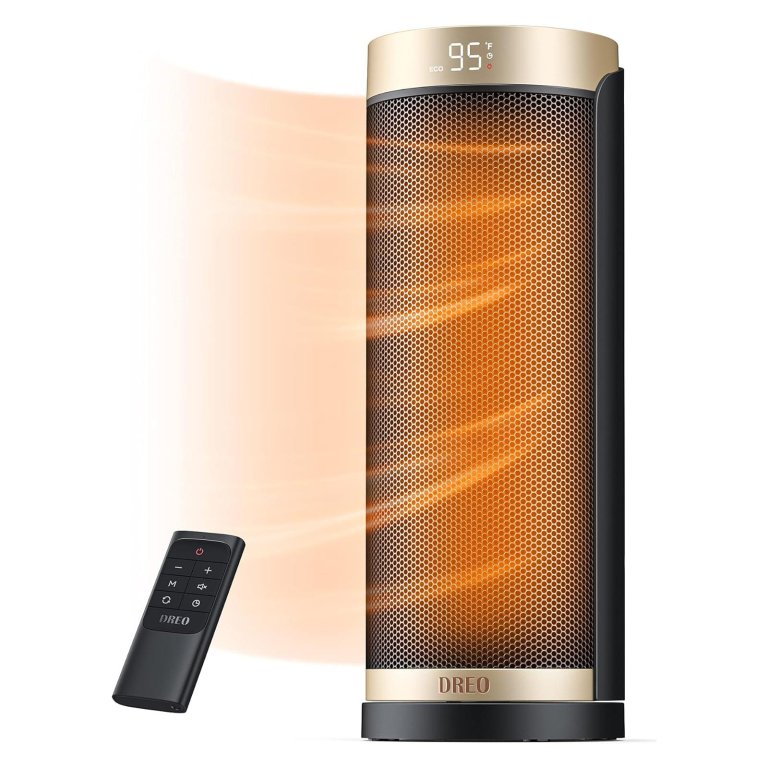
- Best Alternative: For a sleek, modern alternative, the Dreo Solaris H3 Slim Space Heater provides rapid heating with a compact footprint, making it easy to tuck into tight basement corners.
2. Electric Fireplaces: Aesthetic Warmth and Ambiance
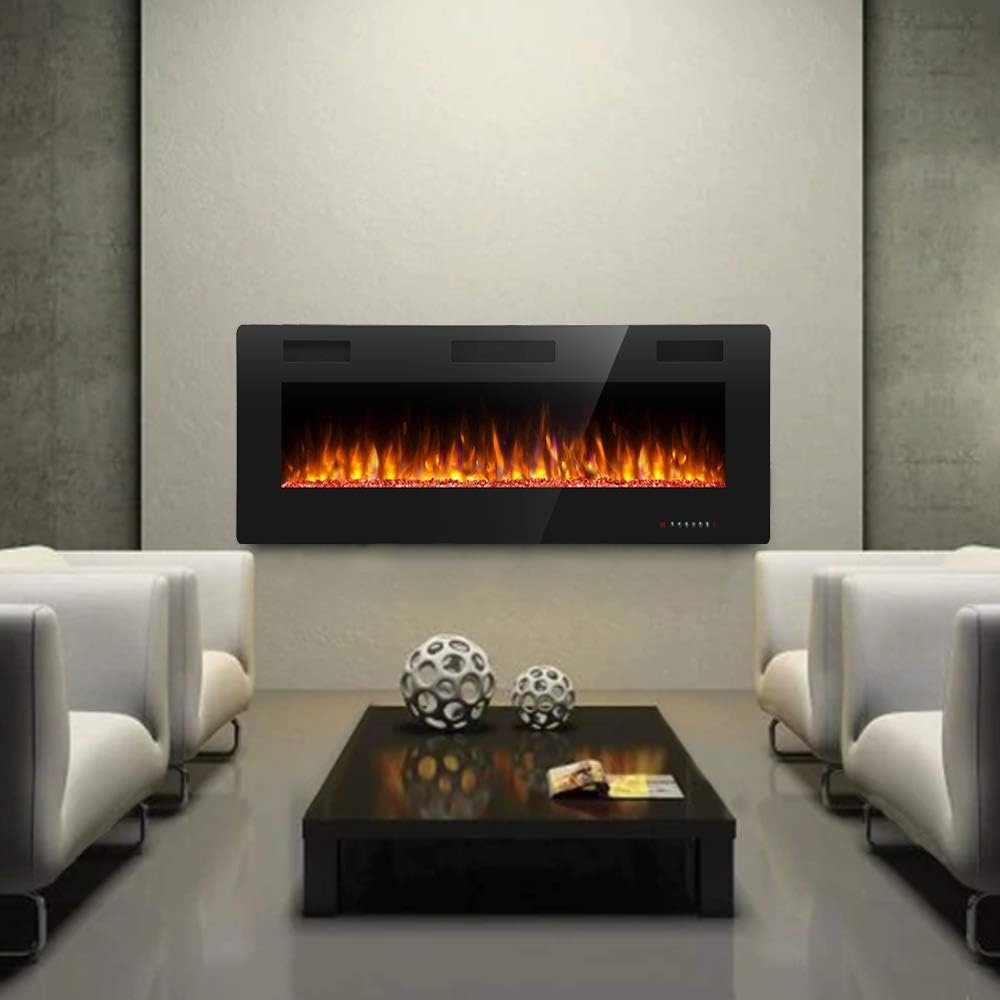
If you want to elevate the visual appeal of your basement while simultaneously raising the ambient temperature, a built-in or wall-mounted electric fireplace is an exceptional choice.
- Top Recommendation: The Antarctic Star 36-Inch Electric Fireplace can be recessed, semi-recessed, or wall-mounted to suit your specific layout. Available in widths ranging from 30 to 68 inches, it caters to rooms of all sizes. Operating via touch-screen controls or a convenient remote, it delivers both realistic flame displays and reliable heating performance.
3. Portable Baseboard Heaters: Silent, Whole-Room Subterranean Heating
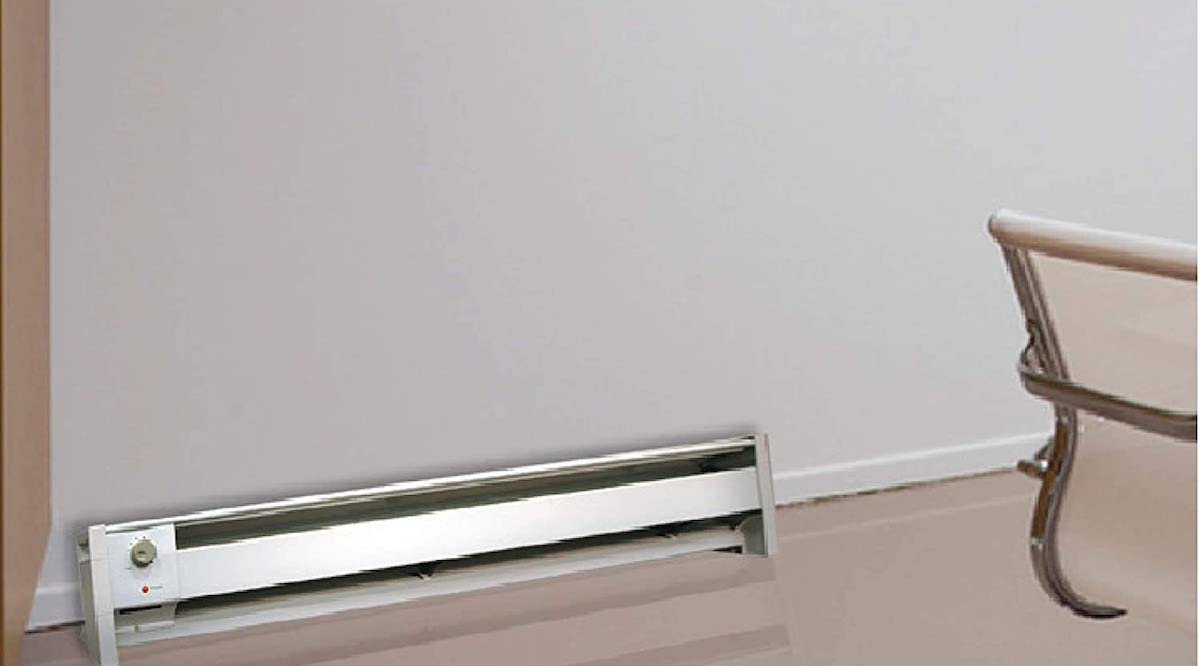
If your basement lacks built-in perimeter heating, adding a permanent baseboard system can be expensive and disruptive. Fortunately, portable electric hydronic baseboard heaters bridge the gap, providing quiet, steady radiant warmth without requiring professional installation.
- Top Recommendation: The Fahrenheat FBE15002 Portable Electric Baseboard Heater plugs straight into a standard wall outlet. Measuring 58 inches long, it operates virtually silently and includes automatic safety shut-off features to prevent overheating. Its neutral, unobtrusive design allows it to blend seamlessly along baseboards.
4. Cozy Area Rugs: Insulating Cold Concrete Floors
Concrete basement floors act as giant thermal sinks, absorbing heat from your feet and radiating cold upward into the room. If laying down wall-to-wall carpeting isn’t in the cards, a high-pile area rug provides an instant, cost-effective barrier.
- Top Recommendation: The TWINNIS Super Soft Shaggy Rug features a thick microfiber material and a nonslip base that frequently eliminates the need for a separate rug pad. Its plush texture makes it exceptionally comfortable for barefoot walking and creates a soft surface for children’s play areas.
5. Thermal Cameras: Diagnosing the Source of the Chill
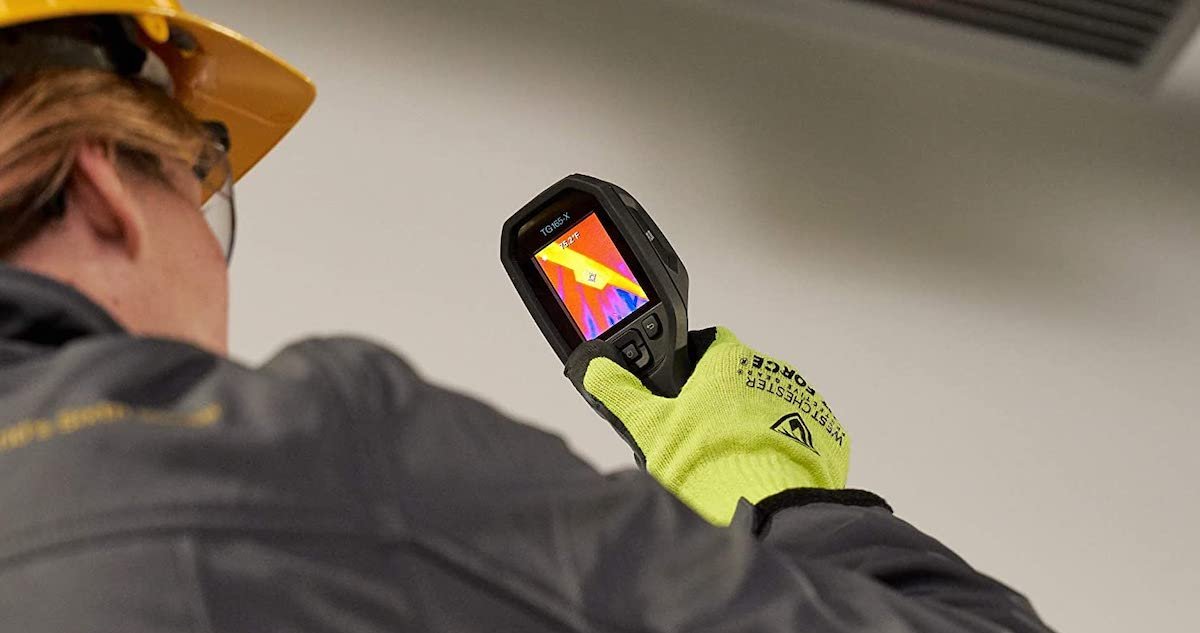
Before investing in heating appliances, it helps to know where and why your basement is losing heat. Is it uninsulated rim joists? Drafty basement windows? A thermal-imaging camera takes the guesswork out of home energy audits.
- Top Recommendation: The FLIR TG165-X Thermal Camera allows homeowners to instantly spot temperature anomalies, cold spots, and thermal leaks. Once you identify where cold air is infiltrating your basement, you can make targeted decisions regarding weatherstripping, window caulking, or adding insulation.
6. Warm Throw Blankets: Passive Comfort for Entertainment Spaces
When your basement serves as a cozy den or media room for binge-watching television series, passive heating layers are essential. Keeping a basket of high-quality throw blankets on hand ensures that family members and guests stay warm without adjusting the thermostat.
- Top Recommendation: The Connecticut Home Company Faux Fur and Sherpa Throw Blanket combines a luxurious faux-fur outer layer with a plush, heat-trapping sherpa lining on the reverse side. Available in multiple sizes and a vast array of colors, it adds both texture and warmth to any couch or armchair.
7. Reversible Ceiling Fans: Redistributing Trapped Heat
Because hot air rises, whatever heat makes its way down to your basement tends to float straight up to the ceiling, leaving the living zone uncomfortably chilly. A ceiling fan can solve this stratification problem if operated correctly.
- Top Recommendation: While standard ceiling fan operation pushes air downward to create a cooling breeze, reversing the motor’s direction forces air upward, pushing trapped warm air near the ceiling back down into the living space. The Minka-Aire Smart Ceiling Fan offers exceptional performance, smooth reversible operation, and integrated lighting.
8. Radiant Floor Heating Systems: Ultimate Comfort from the Ground Up
For homeowners willing to undertake a flooring renovation, radiant floor heating represents the gold standard of basement comfort. By installing heating mats underneath tile, laminate, or engineered wood, you heat the room from the ground level up.

- Top Recommendation: Electric heated mats from Warming Systems come in various configurations—such as a 40-square-foot kit—and include a specialized temperature-sensing thermostat. Though it represents a higher upfront investment, radiant heating completely eliminates cold floors.
9. New Furnace Filters: Restoring HVAC Efficiency
Sometimes, the reason your basement feels like a refrigerator isn’t an issue with the room itself, but rather a bottleneck in your home’s central heating system. Clogged, dirty air filters restrict airflow, causing your furnace to underperform and leaving subterranean rooms starved of heated air.
- Top Recommendation: The Nordic Pure AC & Furnace Air Filters 6-Pack boasts an ideal MERV 12 rating for residential filtration. Regularly swapping out your filters—or enrolling in an automated filter delivery subscription—ensures your HVAC system operates at peak efficiency all winter long.
10. Infrared Wall Heaters: Discreet, Permanent Zone Heating
If you want something more permanent than a portable space heater but lack the desire to install baseboard plumbing or ductwork, an ultra-thin infrared wall panel offers a sleek, modern heating compromise.
- Top Recommendation: The Heat Storm HS-1500-PHX-WIFI Infrared Heater mounts directly to the wall like a flat-screen television, protruding only half an inch. Utilizing efficient convection and infrared technology, it warms spaces up to 150 square feet while maintaining a discreet, low-profile appearance.
Summary: Choosing the Right Strategy for Your Home
Every basement is unique, influenced by local climate, foundation insulation, and HVAC design. Whether you opt for a budget-friendly space heater to warm your home office, a plush shaggy rug to protect your feet from cold concrete, or a diagnostic thermal camera to locate hidden drafts, warming your basement is entirely achievable. By combining smart temporary fixes with strategic home maintenance, you can reclaim your downstairs living space all year round.
