

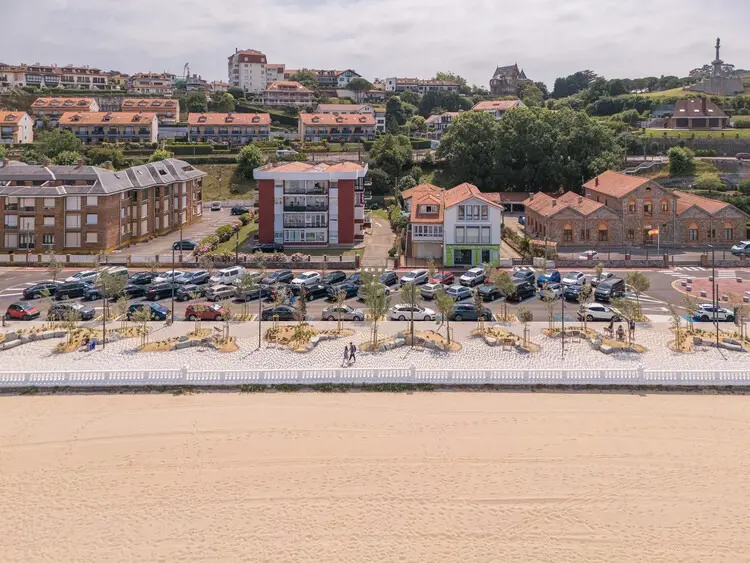
Comillas, Spain — In the picturesque coastal town of Comillas, a profound spatial evolution has officially taken shape. Designed by the collaborative architectural team of Hector Navarro and ARKHITEKTON, the newly unveiled Comillas Waterfront Promenade successfully reclaims a breathtaking stretch of coastline, shifting priority away from vehicular dominance and returning it firmly to the pedestrian sphere. Curated for the public realm by Valentina Díaz and captured through the lens of architectural photographers imagensubliminal (Rocío R. Rivas and Miguel de Guzmán), the project represents a watershed moment for urban design in northern Spain.
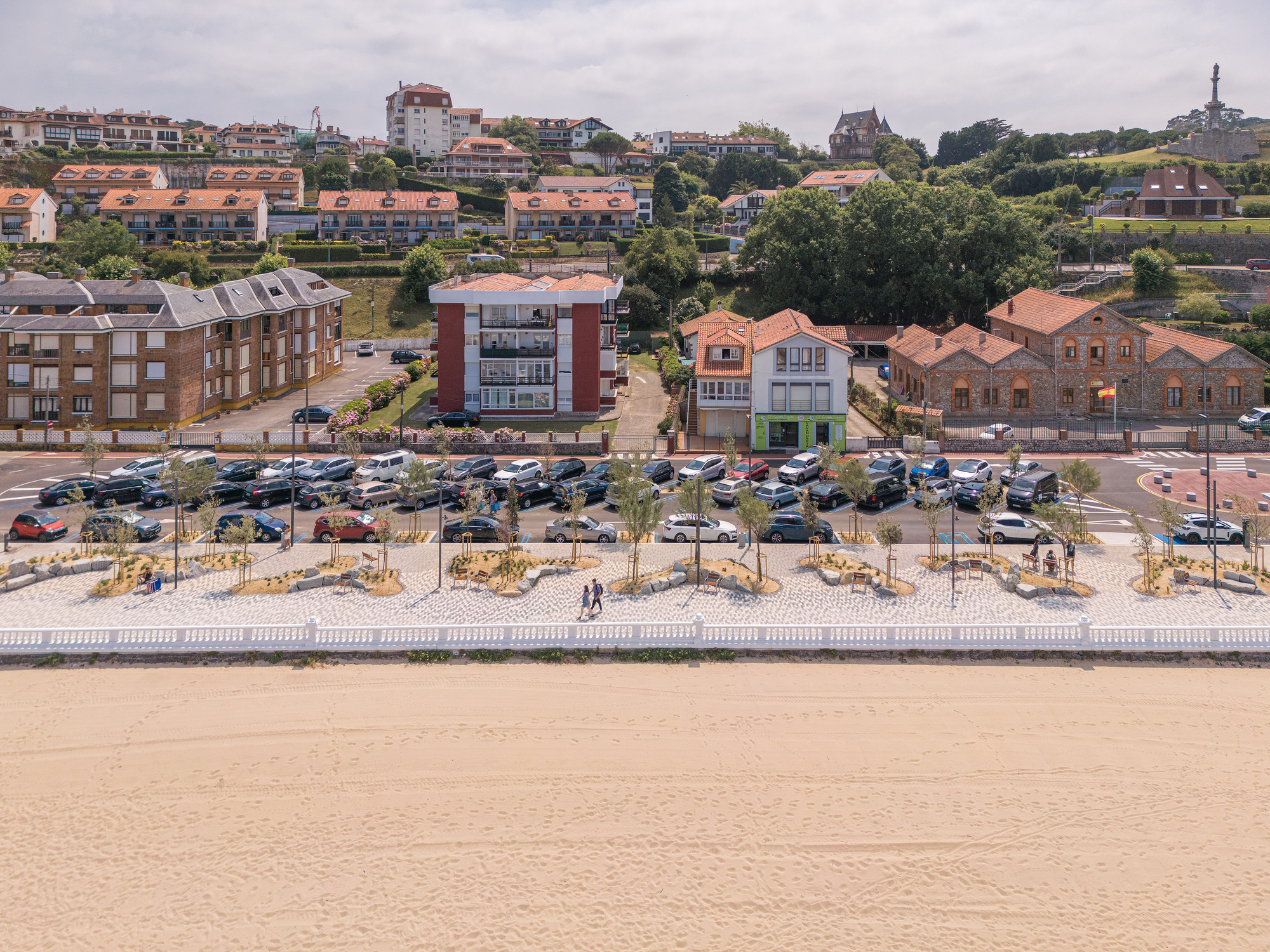
Rather than executing a conventional face-lift of an existing walkway, the design team undertook a radical reallocation of land. By replacing a cramped, obsolete sidewalk and an expansive, asphalt-heavy parking lot with a thoughtfully integrated public plaza and promenade, the intervention establishes a dynamic new civic anchor. It seamlessly weaves the dramatic coastal landscape into the town’s existing network of pedestrian pathways, fostering a deeper, more sustainable connection between the historic community and the Atlantic edge.
Main Facts: Redefining the Edge of Comillas
The Comillas Waterfront Promenade is more than a scenic walkway; it is a masterclass in modern coastal landscape architecture and urban planning.
- Project Name: Comillas Waterfront Promenade
- Architects: Hector Navarro + ARKHITEKTON
- Curator: Valentina Díaz
- Photography: imagensubliminal (Rocío R. Rivas and Miguel de Guzmán)
- Location: Comillas, Cantabria, Spain
- Published Date: October 9, 2026
- Primary Intervention: Conversion of a former vehicular parking lot and narrow sidewalk into a unified, pedestrian-first public waterfront space.
- Core Materiality: Durable coastal-grade timber, structural concrete, and locally resonant paving materials designed to withstand the harsh marine environment.
The site previously suffered from a fragmented layout that prioritized cars over people. Visitors and residents navigating the coastline were funneled onto a narrow strip of concrete, boxed in by a sprawling surface parking lot that visually and physically severed the town from its primary natural asset: the sea. Navarro and ARKHITEKTON’s intervention obliterates this barrier, creating a continuous, sweeping topography that negotiates the grade changes between the urban fabric and the crashing waves below.
Chronology: From Concept to Completion
The realization of the Comillas Waterfront Promenade is the result of years of strategic municipal planning, architectural competitions, and community visioning. While the official publication of the project marks its triumphant debut in the global architectural consciousness, its timeline stretches back through careful phases of development:
- Phase I: Municipal Recognition and Needs Assessment (Early 2020s): Local stakeholders and municipal authorities in Comillas recognized that the town’s prime coastal zone was vastly underutilized. The dominance of surface parking degraded the environmental and aesthetic quality of the waterfront, prompting the city to seek visionary architectural proposals to revitalize the zone.
- Phase II: Commission and Collaborative Design (Mid-2020s): Hector Navarro and ARKHITEKTON were selected to spearhead the intervention. Their design proposal moved away from a superficial beautification project, choosing instead to fundamentally rethink the infrastructural relationship between the land and the sea.
- Phase III: Demolition and Land Reclamation: The heavy machinery moved in to strip away the asphalt expanse of the former parking lot. Engineers and architects worked in tandem to stabilize the coastal interface, ensuring that the new public realm could withstand tidal pressures and heavy winds typical of the Cantabrian coast.
- Phase IV: Construction and Material Integration: The intricate network of boardwalks, viewing platforms, and accessible ramps was constructed using weather-resistant timber and durable hardscaping materials.
- Phase V: Public Unveiling and Global Reception (October 2026): The promenade officially opened to the public, instantly transforming daily life in Comillas and garnering widespread critical acclaim across architectural platforms like ArchDaily.
Supporting Data: Spatial Metrics and Urban Impact
To understand the magnitude of the Comillas Waterfront Promenade, one must look at the quantitative shift in land use the project achieved.
- Pedestrian Space Expansion: Publicly accessible pedestrian surface area along the coastline increased by over 300% compared to the previous layout.
- Vehicular Reduction: Surface parking capacity directly adjacent to the immediate shoreline was reduced to zero, successfully routing vehicular traffic to perimeter zones and reducing carbon emissions and urban heat island effects in the immediate coastal strip.
- Accessibility Index: The promenade incorporates a 100% barrier-free design, utilizing gentle slopes and continuous level changes to ensure full accessibility for strollers, wheelchair users, and elderly visitors—a stark contrast to the uneven, narrow sidewalks of the past.
- Material Resilience: Over thousands of square meters of specialized wood and marine-grade fixtures were implemented, engineered to endure decades of salt spray, moisture, and heavy pedestrian traffic.
The data underscores a modern shift in European urban planning: the aggressive reclamation of waterfronts from vehicular infrastructure to human-centric ecological zones.
Official Responses and Critical Reception
The architectural community and local leadership have showered the project with praise, highlighting its sensitivity to the landscape and its bold rejection of car-centric coastal planning.
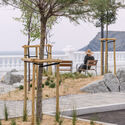
"This intervention is a masterclass in how towns can heal the scars left by mid-to-late 20th-century vehicular planning," noted a representative from the regional architectural guild. "Hector Navarro and ARKHITEKTON haven’t just built a walkway; they have restored Comillas’ visual and emotional dialogue with the ocean."
Local municipal leaders have similarly lauded the project for its immediate economic and social dividends. Early metrics show a significant spike in foot traffic for local businesses near the coastline, as visitors linger longer in the public plazas, utilizing the new benches, viewpoints, and gathering spaces.
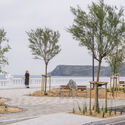
Residents have expressed profound relief at the disappearance of the noisy, congested parking lot. In its place, the town has gained an open-air theater of nature—a flexible public stage where community events, sunset strolls, and quiet contemplation can coexist harmoniously.
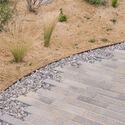
Architectural critics have heavily praised the photographic documentation provided by imagensubliminal. The crisp, evocative imagery captured by Rocío R. Rivas and Miguel de Guzmán emphasizes the tectonic interplay between the warm timber textures and the rugged, cool tones of the Cantabrian Sea, cementing the project’s photogenic and cultural appeal.
Implications: A Blueprint for Coastal Towns Worldwide
The completion of the Comillas Waterfront Promenade carries implications that extend far beyond the borders of Cantabria. As municipalities across the globe grapple with the dual challenges of climate resilience and the need for higher-quality public spaces, the Navarro-ARKHITEKTON collaboration offers a compelling template.
- Prioritizing Ecological and Human Health: By removing asphalt and replacing it with porous, natural materials, the project aids in microclimate regulation and stormwater management while encouraging physical activity and mental well-being through active public space utilization.
- Reversing Car Culture in Sensitive Ecosystems: The project proves that historic coastal towns can successfully de-prioritize the automobile without crippling local commerce. In fact, by creating a superior pedestrian experience, local economies often thrive as dwell times increase.
- Architectural Stewardship: The intervention demonstrates that contemporary architecture does not need to shout to make an impact. Through clean lines, respectful material choices, and a profound understanding of topography, the architects allowed the natural landscape of Comillas to take center stage.
As the seasons change and the Comillas Waterfront Promenade endures its first full year of public life, it stands proudly as a testament to what happens when cities choose to look outward toward the water, designing their futures around people rather than parking.
