

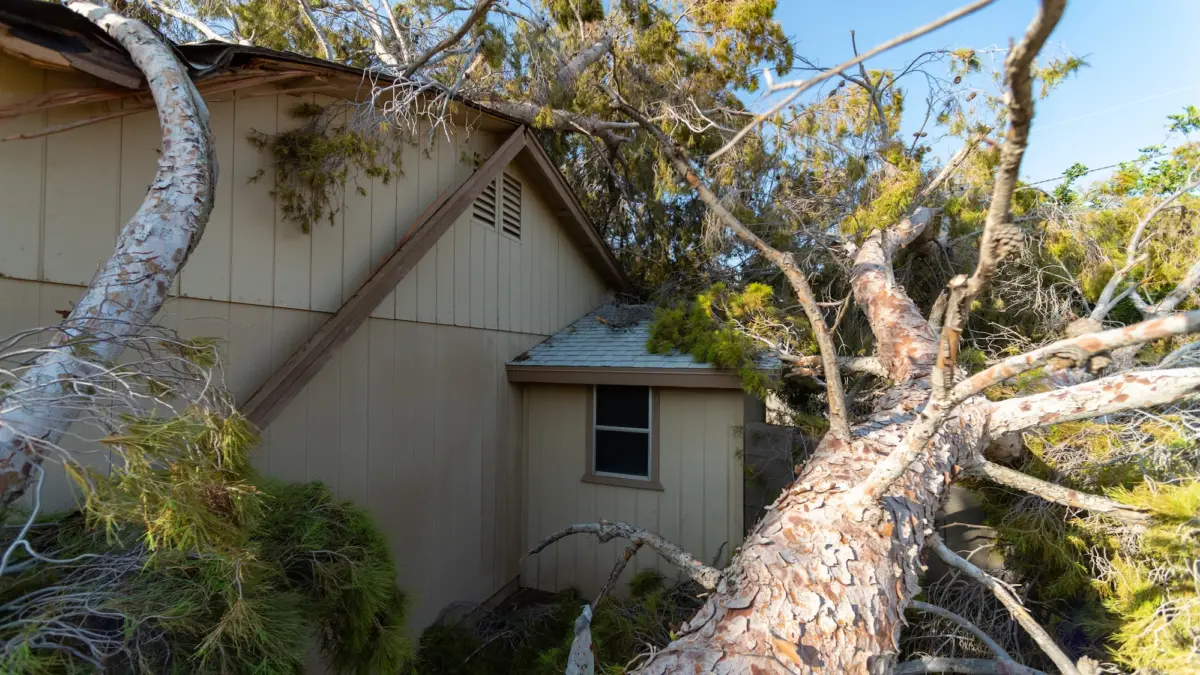
It is one of the most terrifying sounds a homeowner can experience: a sudden, groaning crack followed by a thunderous crash, shaking the foundation of the house and instantly altering the domestic landscape. When a tree comes down on a residence, the immediate aftermath is a disorienting mix of adrenaline, shock, and uncertainty. According to property insurance data, tree-related structural damage is surprisingly common, accounting for more than 8 percent of claims with certain investment property insurers in recent years.
While severe weather events like hurricanes remain a primary anxiety for coastal and inland residents alike—despite a mercifully quiet 2025 Atlantic season and below-average projections for 2026—it does not require a 74-mph hurricane to bring down a canopy. Winds exceeding 50 mph, saturated ground conditions, and unseen root rot or internal decay can transform a stately backyard shade provider into a catastrophic structural hazard.
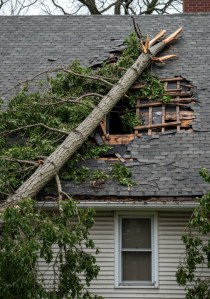
Knowing how to react in the critical minutes, hours, and days following such an incident can mean the difference between life and death, financial ruin and recovery, and a swift or protracted rebuilding process.
Main Facts: Assessing the Scale of the Threat
When a tree collapses onto a residential structure, the immediate physical and financial repercussions are profound. Understanding the foundational realities of these incidents helps homeowners separate panic from protocol.
- High Incidence Rate: Trees account for a significant percentage of property damage claims annually. Insurance datasets demonstrate that roughly 1 in every 12 property claims for specific insurers stems from tree impacts.
- Weather Triggers: While hurricanes grab headlines, localized windstorms, heavy downpours that saturate soil, and ice storms are far more frequent culprits. Wind gusts as low as 50 mph can topple trees compromised by root damage or disease.
- Insurance Nuances: Homeowners insurance typically covers damage to insured structures (houses, detached garages, sheds) caused by fallen trees resulting from "acts of nature." However, policies routinely exclude the cost of removing a fallen tree unless it damages a covered structure or obstructs a primary driveway or handicap ramp.
- Liability Boundaries: Liability for a fallen tree often depends on health and ownership. If a healthy tree falls due to a storm, the owner of the property where the tree lands is generally responsible for the claim. Conversely, if a dead or diseased tree falls because the owner ignored obvious warning signs of decay, negligence may shift financial and legal liability to the tree’s original owner.
Chronology: Step-by-Step Action Plan Following the Impact
When a tree strikes your home, following a strict chronological protocol ensures safety, preserves insurance claims, and prevents compounding property damage.
Phase 1: Immediate Emergency Response (Minutes 0 to 60)
- Evacuate and Account for All Occupants: Prioritize human and animal life above all else. Gather all family members and pets, and immediately exit the structure if there is any doubt regarding its stability.
- Scan for Utilities Hazards: Look and listen for downed power lines draped across the tree, roof, or yard. Electricity can travel through wet ground, fences, and metal structures. Simultaneously, sniff for the distinctive sulfur odor of a natural gas leak. If power is flickering, or if you suspect electrical or gas compromises, shut off the main breaker and gas valves immediately.
- Seek Temporary Shelter: Unless the impact is unequivocally minor—such as a few topmost twigs resting against a detached shed—assume the home is unsafe. Secure temporary lodging with friends, family, or at a local hotel until a professional structural assessment can be performed.
Phase 2: Mitigation and Documentation (Hours 24 to 72)
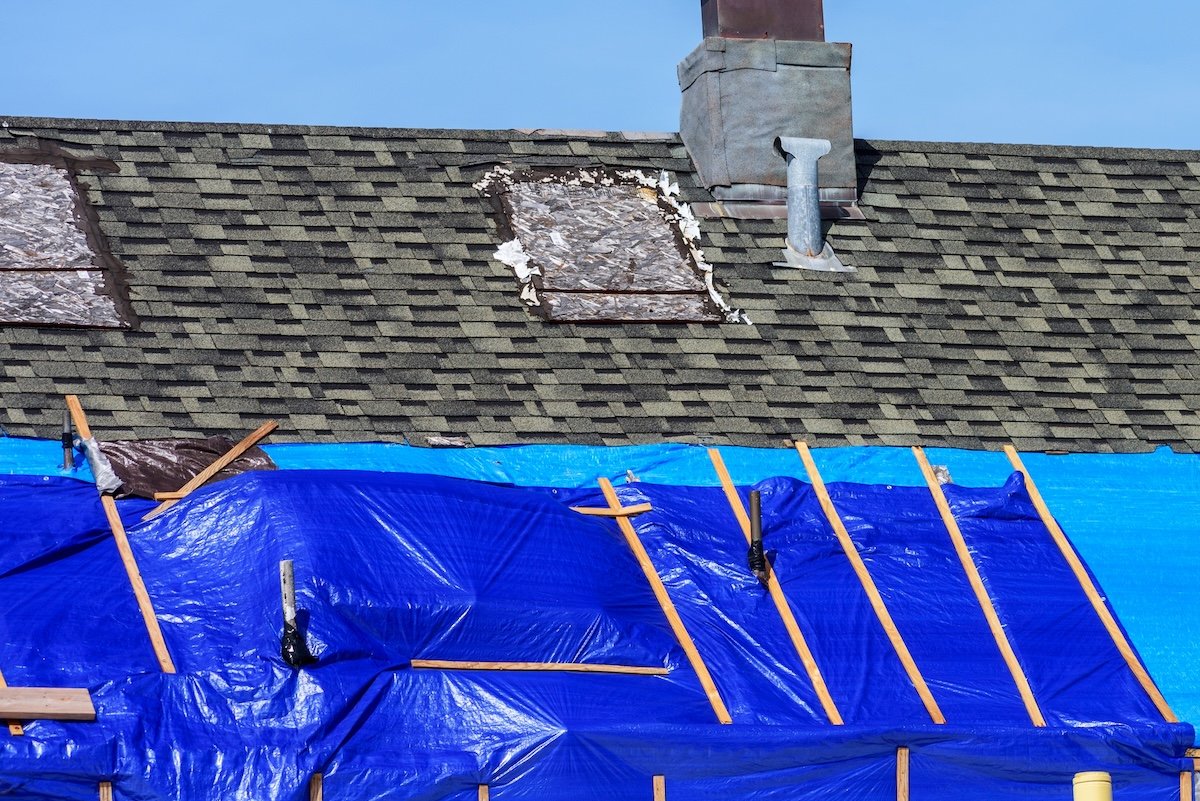
- Prevent Secondary Damage: Water intrusion from subsequent rain can ruin interiors faster than the tree impact itself. Hire a licensed, reputable contractor to board up broken windows and securely tarp compromised sections of the roof. Avoid walking on damaged roof sections yourself; structural framing may be critically compromised.
- Extensively Document Everything: Once authorities and contractors confirm it is safe to approach, capture comprehensive photographic and video evidence. Document every angle of the exterior, interior structural shifts, broken glass, ruined siding, and personal property losses. These images serve as the bedrock of your insurance claim.
- Contact Your Insurance Agent: Notify your carrier promptly. Provide them with your initial photo documentation and ask whether they require multiple contractor estimates or prefer to dispatch an independent adjuster directly.
Phase 3: The Recovery and Repair Phase (Weeks 1 to Months)
- Review Policy Details and Deductibles: Familiarize yourself with your deductible (typically ranging from $500 to $2,000+) and coverage caps. Confirm whether your policy includes Loss of Use (Additional Living Expenses) coverage for temporary housing.
- Negotiate and Await Approval: Do not authorize permanent repairs until you and your insurance adjuster agree on a payout scope. If the insurer’s initial estimate falls short of certified contractor bids, submit formal appeals supported by professional documentation.
- Manage Contractor Payments: Never pay for labor upfront. Legitimate contractors may request a deposit for specialized materials, but comprehensive labor payments should be tied to completed project milestones. Retain the final payment until every line item on the repair scope meets your complete satisfaction.
Supporting Data: Understanding Tree Risks and Insurance Metrics
To contextualize why these incidents occur and how financial systems respond, industry statistics offer critical insight:
- The 8 Percent Benchmark: Industry reports from property investment insurers emphasize that tree damage constitutes roughly 8% of all catastrophic property claims, highlighting that vegetative threats rival plumbing failures and localized fires in frequency.
- The Physics of Impact: A mature hardwood tree (such as an oak or maple) can weigh anywhere from 2 to 10 tons. When dropped from a height of 40 to 60 feet, the kinetic energy translates into thousands of pounds of per-square-inch force upon impact, capable of crushing roof trusses, snapping load-bearing studs, and fracturing concrete foundations.
- Deductible Realities: Standard homeowners policies separate windstorm/hail deductibles from standard all-peril deductibles in many wind-prone regions. Homeowners must understand whether their policy applies a flat dollar deductible or a percentage-based deductible (e.g., 1% to 5% of the home’s total insured value) when filing a claim.
Official Responses and Expert Guidelines
Arborists, structural engineers, and insurance regulators maintain strict guidelines regarding tree management and post-disaster response.
- Arborist Consensus on Prevention: Certified arborists stress that preventative maintenance is the single best defense against property damage. Warning signs of a dangerous tree include extensive deadwood, fungal growth (mushrooms) at the base, vertical cracks in the trunk, leaning angles that have shifted over time, and root systems exposed or severed by recent construction.
- The Legal Stance on Neighboring Trees: Municipal and state legal frameworks generally dictate that if a neighbor’s healthy tree falls onto your property during a storm, your insurance handles the claim (an "act of God"). However, if you sent your neighbor certified written notice that their tree was dead and hazardous prior to the incident, legal precedent in many jurisdictions may hold them fully liable for negligence.
- Contractor Vetting Standards: Consumer protection agencies and trade organizations like the Better Business Bureau strongly advise against hiring "storm chasers"—itinerant contractors who descend on neighborhoods immediately following severe weather. Homeowners should verify licensing, check local references, and ensure that contractors carry both general liability and workers’ compensation insurance.
Implications: Long-Term Takeaways for Property Owners
A tree falling on a house leaves scars that extend far beyond physical timber and drywall. The broader implications affect how homeowners manage their properties, interact with neighbors, and approach risk management.
- Proactive Property Stewardship: Homeowners can no longer view trees as entirely self-sustaining elements of landscaping. Regular inspections by certified arborists—particularly for large, aging trees situated within falling distance of structural foundations—are a mandatory component of responsible homeownership.
- Insurance Policy Literacy: Too many policyholders discover the limitations of their coverage only after a disaster strikes. Reviewing policies annually to understand exclusions, tree removal caps, and deductible structures prevents painful financial surprises.
- Community and Neighborly Communication: Navigating boundary trees requires open dialogue. Establishing mutual agreements with neighbors regarding the trimming of encroaching limbs or the removal of declining specimens protects both properties and preserves neighborhood harmony.
Ultimately, while nature remains unpredictable, preparation, swift emergency action, and a thorough understanding of insurance rights transform an overwhelming crisis into a manageable recovery.
