

When an unexpected blaze breaks out in the kitchen, garage, or workshop, every second counts. In those high-stress moments, homeowners often rely on a familiar red cylinder mounted on the wall, assuming that because it has always been there, it is ready to perform. However, safety experts warn that this assumption can be dangerous. Fire extinguishers are not immortal; they have a definitive lifespan, require routine maintenance, and can silently fail over time.
Understanding the expiration dates, physical warning signs, and proper upkeep of a fire extinguisher can mean the difference between swiftly mitigating a minor emergency and being left defenseless as a fire spreads.
Main Facts: The Lifespan and Mechanics of Fire Extinguishers
At its core, a fire extinguisher is a pressurized vessel designed to suppress or extinguish small fires, often during early stages of emergencies. Despite their sturdy metal appearance, these devices are subject to mechanical wear and chemical degradation.
- General Lifespan: Most standard household fire extinguishers last between 5 and 15 years.
- Chemical Degradation: Extinguishers are typically filled with dry chemicals (such as monoammonium phosphate), carbon dioxide, or clean agents (halon alternatives). Over time, these materials degrade. Compressed gas units can experience micro-leaks as their rubber seals and O-rings weaken. Meanwhile, dry-chemical extinguishers containing ammonium phosphate can settle, cake, and solidify over years of non-use, permanently clogging the discharge nozzle.
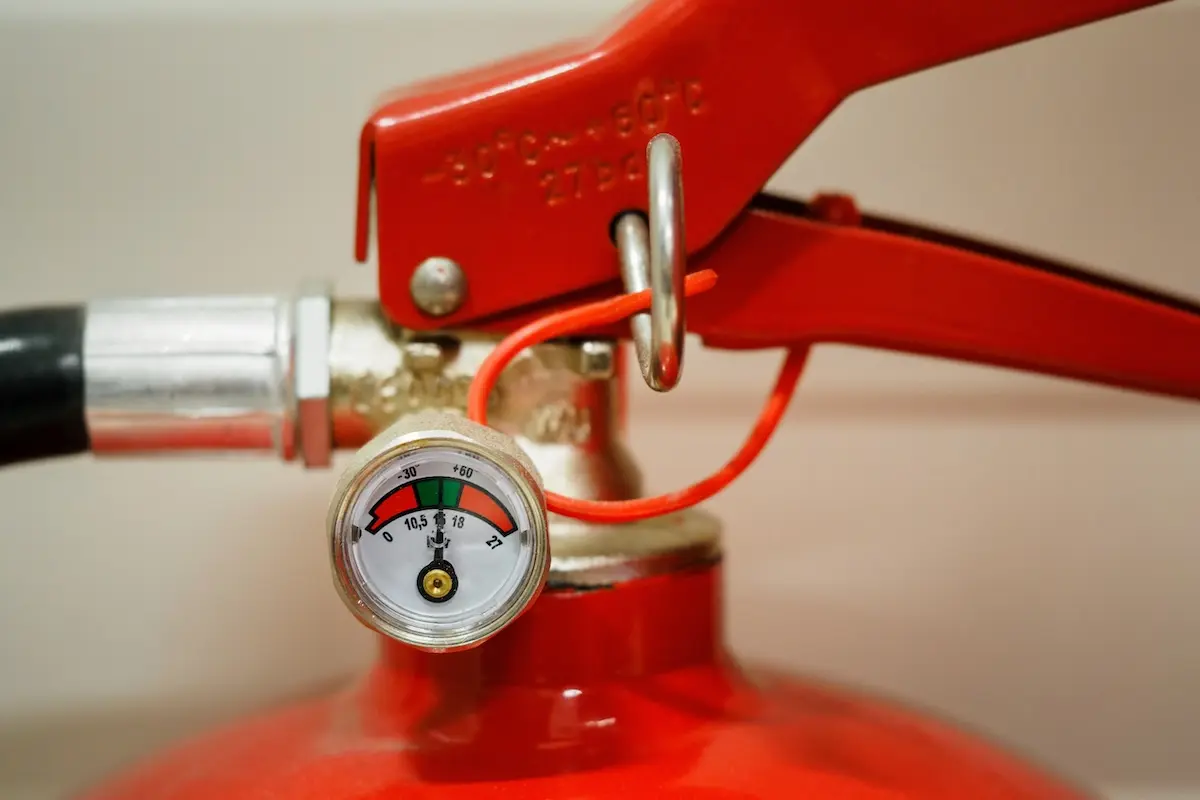
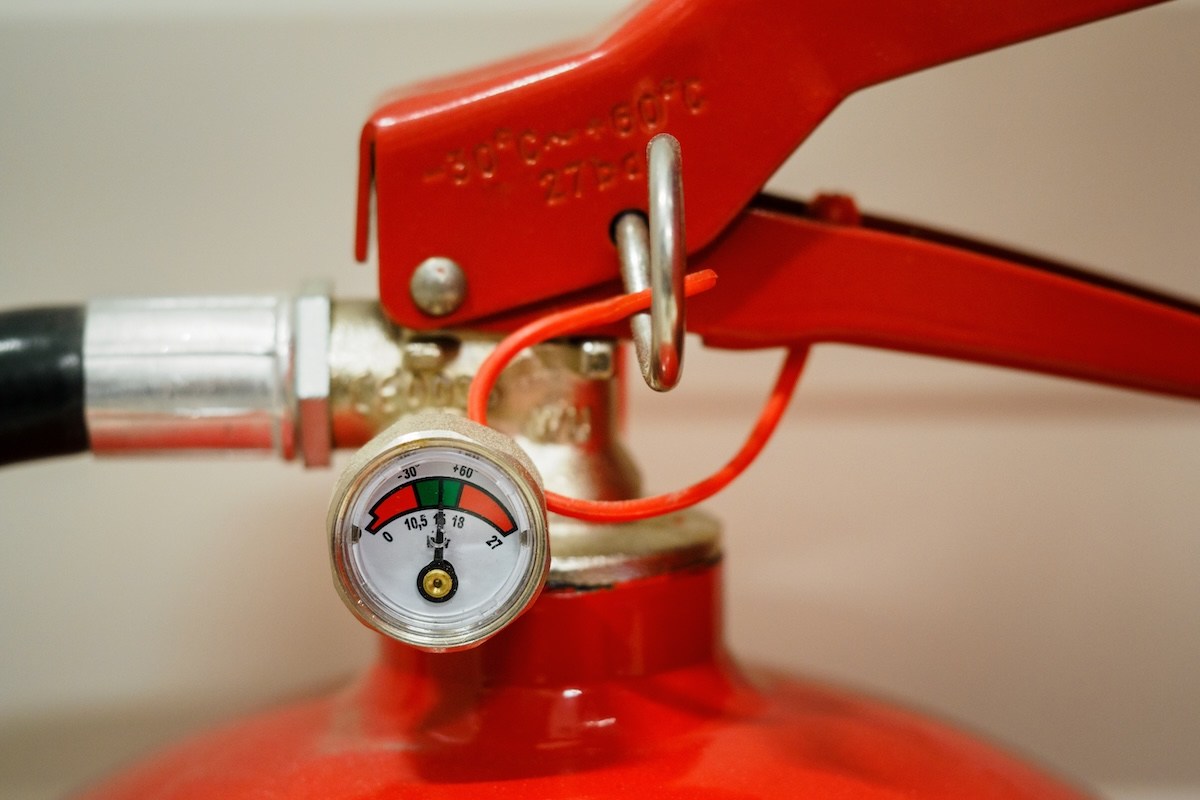
- The Pressure Gauge: The primary indicator of a unit’s operational status is its pressure gauge. If the needle rests firmly in the green zone, the internal pressure is optimal. If it drops into the red or white zones, the unit is either over- or under-pressurized and cannot be trusted to discharge effectively.
Chronology of Extinguisher Maintenance: From Purchase to Disposal
To ensure your home remains protected, safety professionals recommend following a distinct chronological maintenance lifecycle for every fire extinguisher on your property.
1. Day One: Proper Installation and Placement
The lifecycle begins the moment you purchase and mount the extinguisher. It should be placed in a high-risk area—such as the kitchen, utility room, or workshop—within easy reach, yet protected from the elements. Avoid placing units in direct sunlight, high-humidity zones, or areas exposed to corrosive chemicals, as environmental stressors accelerate exterior and interior degradation.
2. Monthly Visual Inspections
Homeowners should institute a monthly routine to visually inspect all fire extinguishers.
- Check the pressure gauge to ensure the needle remains in the green zone.
- Confirm that the pull pin is intact and secured with a tamper seal.
- Ensure the hose and nozzle are clear of obstructions, spiderwebs, or insect nests.
- Verify that the instruction label is legible and facing outward.
3. The 5-to-12-Year Service Milestone
Depending on the specific type of extinguisher, mandatory internal maintenance or hydrostatic testing is required by fire safety codes every 5 to 12 years. Rechargeable units can be brought to a certified fire protection specialist for internal inspection, pressure re-testing, and recharging.
4. The 10-to-15-Year Replacement Window
Even if a disposable extinguisher appears untouched and maintains proper pressure, it should generally be retired and replaced after 10 to 12 years. If the maintenance tag indicates that the unit is more than a decade old without a professional overhaul, its reliability drops significantly.
Supporting Data: Understanding Costs and Risks
While replacing or servicing safety equipment involves an upfront financial investment, the costs pale in comparison to the alternative of property loss or personal injury.
- Recharging vs. Replacing: Bringing a commercial-grade or high-end residential extinguisher to a professional service provider for a recharge typically costs between $15 and $20. In contrast, purchasing a brand-new, high-quality household fire extinguisher can range from $40 to over $100, depending on the size and classification (such as ABC-rated units).
- The Danger of Structural Compromise: According to safety analysts, damaged canisters—those featuring deep dents, rust, or heavy corrosion—pose a catastrophic risk. A compromised metal shell can rupture under normal operating pressure, turning the extinguisher into an explosive hazard rather than a safety tool.
- Disposal Complications: Disposing of an extinguisher is regulated due to its pressurized contents and chemical payload. Throwing a unit into a standard household trash or recycling bin risks damaging municipal sanitation equipment or contaminating local landfills if the canister ruptures.
Official Recommendations and Expert Responses
Fire departments, municipal waste authorities, and consumer safety organizations maintain strict guidelines regarding the handling and retirement of expired fire safety equipment.
- Consulting the Local Fire Department: Many municipal fire stations accept expired or unwanted fire extinguishers for proper disposal or training use. However, safety officials advise homeowners to call ahead, as station policies vary based on local hazardous waste protocols and operational capacity.
- Hazardous Waste Facilities: County and city waste management departments routinely host hazardous waste collection days. Expired fire extinguishers should be brought to these designated facilities, where technicians can safely vent the remaining pressure and recycle the metal casing.
- The National Fire Protection Association (NFPA): The NFPA outlines rigorous standards for commercial and residential fire protection. Their guidelines emphasize that visual inspections should be documented monthly, and professional maintenance must be performed by certified technicians who understand the nuances of stored-pressure versus cartridge-operated systems.
Implications for Homeowners
Neglecting fire extinguisher maintenance carries profound implications for household safety and financial security.
First and foremost is the human element. Relying on an expired, depressurized, or clogged fire extinguisher during an active kitchen fire can give a false sense of security, leading residents to attempt fighting a blaze with a device that instantly fails. This delay can allow a manageable fire to expand beyond control, threatening lives before the fire department arrives.
Secondly, there are legal and financial implications. In rental properties or commercial spaces, failing to maintain compliant, up-to-date fire extinguishers can result in heavy fines, code violations, and denied insurance claims in the event of a fire investigation. For homeowners, disposing of units illegally in regular trash streams can also trigger municipal penalties.
Actionable Steps for Homeowners
To safeguard your home today, walk through your property and evaluate every fire extinguisher you own:
- Locate the manufacture date or service tags. If the unit is over 10 years old, plan to replace it.
- Examine the pressure gauge. If the needle is outside the green zone, take it to a professional or replace it immediately.
- Inspect the body. Look for rust, cracks, dents, or missing pins. Any physical damage means the unit must be retired.
- Learn proper disposal routes. Contact your local hazardous waste site or fire station to find out how to safely discard obsolete units.
By taking a proactive approach to fire safety maintenance, you ensure that your emergency tools will perform dependably when every second counts.
