

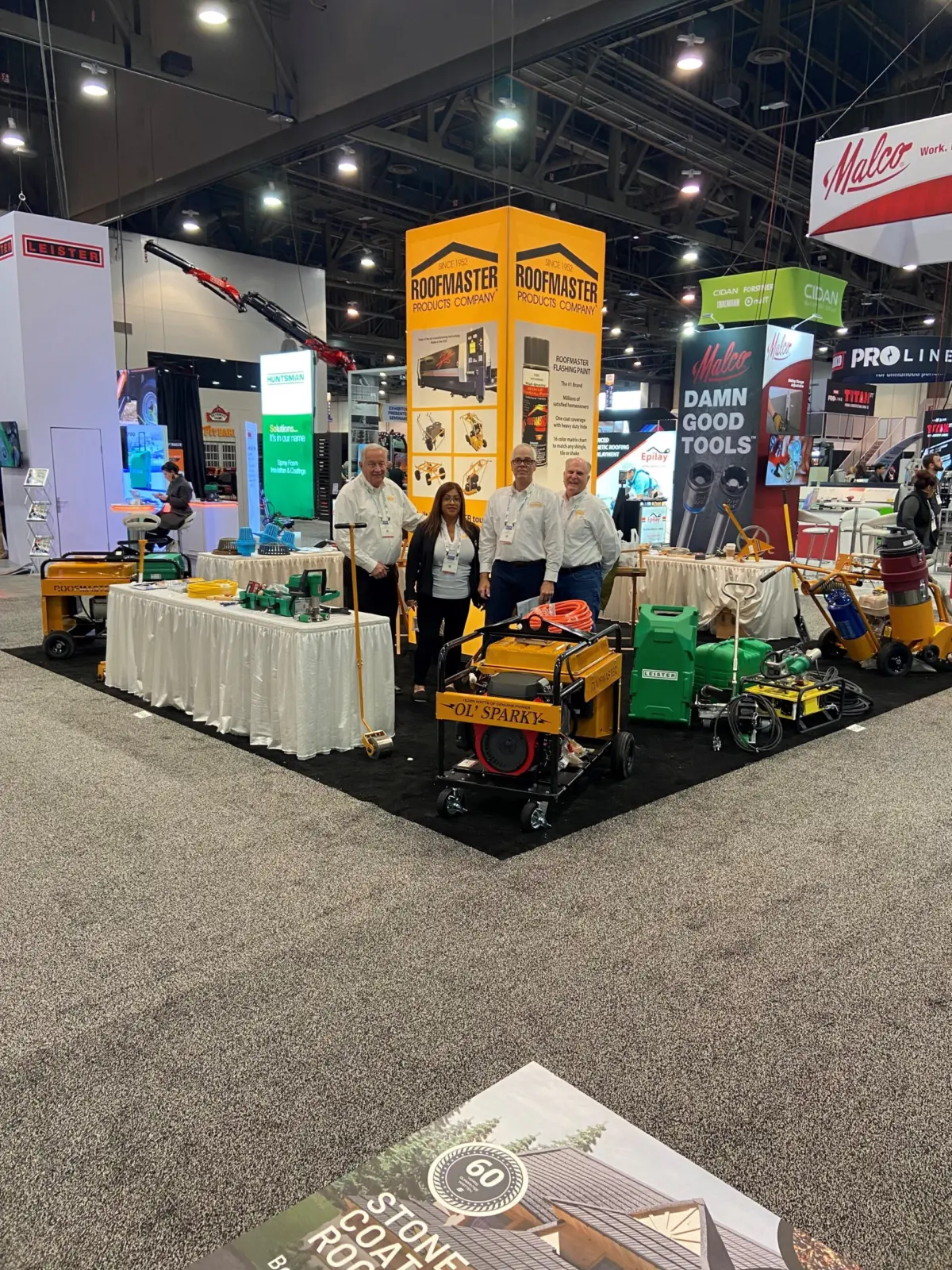
The commercial and industrial roofing sector is one of the most logistically complex and safety-critical segments of the modern construction industry. Often viewed from the ground as a straightforward application of protective layers, a professional roofing project is, in reality, a highly engineered structural process. Executing a successful build requires an extensive array of specialized machinery, safety systems, precision hand tools, and custom drainage solutions.
This investigative report analyzes the mechanical, regulatory, and operational components of modern roofing. Using data from industrial suppliers like Roofmaster Products, we examine the product lifecycles, safety standards, and supply chain dynamics that dictate success in this multi-billion-dollar market.
Main Facts: The Industrial Scale of Modern Roofing Supply
To understand the complexity of the roofing sector, one must first examine the sheer volume and diversity of highly specialized components required by modern contractors. The supply chain is no longer dominated by simple asphalt and nails; instead, it is split into several highly specialized technical categories.
                  ┌──────────────────────────────────────────┐
                  │        Modern Roofing Supply Chain       │
                  └────────────────────┬─────────────────────┘
                                       │
         ┌─────────────────────────────┼─────────────────────────────┐
         ▼                             ▼                             ▼
┌─────────────────┐           ┌─────────────────┐           ┌─────────────────┐
│Thermal & Asphalt│           │   Single-Ply    │           │ Drainage & Flow │
│    Systems      │           │   Technologies  │           │   Management    │
├─────────────────┤           ├─────────────────┤           ├─────────────────┤
│• LP/Butane Parts│           │• Hot Air Welders│           │• Sump Cast Iron │
│• Tanker Pumps   │           │• Steel Rollers  │           │• Retrofit Drains│
│• Flexmetal Hoses│           │• Adhesive Appl. │           │• Scuppers       │
└─────────────────┘           └─────────────────┘           └─────────────────┘
1. Thermal and Asphalt-Based Systems
Traditional Built-Up Roofing (BUR) and modified bitumen systems remain critical for low-slope commercial structures. These operations rely on heavy thermal processing equipment, including:
- Asphalt Kettles and Tankers: Heavy-duty melting units requiring specialized LP/Butane heating elements, regulators, litewall tubing, and tanker pump accessories.
- Material Transport: Heavy-duty equipment like mini-moppers, hot asphalt carriers, and insulated mop carts designed to transport liquified asphalt at temperatures exceeding 400°F (204°C).
2. Single-Ply and Membrane Technologies
The rapid rise of thermoplastic polyolefin (TPO), ethylene propylene diene monomer (EPDM), and polyvinyl chloride (PVC) roofing has created a massive market for precision chemical and thermal joining tools:
- Hot Air Welders: Handheld and automated welding units used to fuse membrane seams.
- Application Tools: Specialized steel, silicone, and rubber rollers used to eliminate air pockets and ensure uniform adhesion.
3. Structural Drainage and Flow Management
Water ponding is the primary cause of premature commercial roof failure. Modern supply networks maintain highly diverse inventories of drainage hardware to prevent water accumulation:
- Primary Drainage: Heavy-duty cast iron drains (large, medium, and small sump variations) designed to handle high-velocity downpours.
- Retrofit Solutions: Aluminum, copper, and plastic retrofit drains engineered to slip directly into existing, damaged piping without requiring interior building demolition.
Chronology: The Phase-by-Phase Lifecycle of a Commercial Roofing Project
A professional roofing project is a highly coordinated sequence of phases, with each step requiring a completely different set of tools, safety protocols, and physical materials.
  Phase 1: Tear-Off & Prep    Phase 2: Hoisting & Logistics    Phase 3: Substrate Anchor
┌──────────────────────────┐  ┌──────────────────────────┐  ┌──────────────────────────┐
│ • Shingle tear-off bars  │  │ • Powered roof hoists    │  │ • Pre-assembled screws   │
│ • Trash chutes           │  │ • Gravel buckets         │  │ • Tube-Lok fasteners     │
│ • Magnetic sweepers      │  │ • Turntable conveyors    │  │ • Concrete nailins       │
└────────────┬─────────────┘  └────────────┬─────────────┘  └────────────┬─────────────┘
             │                             │                             │
             └─────────────────────────────┼─────────────────────────────┘
                                           ▼
                               Phase 4: Membrane Application
                              ┌──────────────────────────┐
                              │ • Hot air seam welders   │
                              │ • Spray rigs & choppers  │
                              │ • Asphalt kettles/mops   │
                              └────────────┬─────────────┘
                                           │
                                           ▼
                                Phase 5: Trim & Drainage
                              ┌──────────────────────────┐
                              │ • Retrofit roof drains   │
                              │ • Vent flashings & caps  │
                              │ • Solar paver supports   │
                              └──────────────────────────┘
Phase 1: Tear-Off, Debris Management, and Site Preparation
Before a new roof can be installed, the old, compromised system must be systematically stripped away. This is one of the most physically demanding parts of the project:
- Demolition: Crews use specialized shingle and built-up roof tear-off bars, spades, and scoop shovels to strip away old membranes and insulation.
- Debris Control: Heavy-duty tarps, truck-covering systems, and high-impact plastic trash chutes route waste safely from the roof deck directly into disposal dumpsters.
- Site Remediation: Magnetic sweepers are rolled across the deck and surrounding ground level to collect stray nails, fasteners, and metallic debris, protecting workers and occupants from puncture hazards.
Phase 2: Material Hoisting and On-Deck Logistics
Once the deck is clean and repaired, hundreds of tons of new insulation, membranes, and adhesives must be lifted onto the structure:
- Vertical Transport: Contractors deploy powered and non-powered roof hoists, hoisting wheels, gravel buckets, and heavy-duty outrigger turntables to lift materials up the side of the building.
- On-Deck Distribution: Material handling carts, wheelbarrows, and specialized transport equipment distribute heavy loads across the deck without damaging the structural substrate.
Phase 3: Substrate Anchoring and Insulation Fastening
Insulation boards must be rigidly secured to the steel, concrete, or wood deck to resist high wind-uplift pressures:
- Mechanical Fastening: Workers use heavy-duty deck screws, pre-assembled plates, concrete fasteners, and low-density deck fasteners (such as Tube-Lok systems) to anchor the insulation.
- Precision Driving: Specialized automatic fastening tools and high-torque drivers are used to ensure every screw is set to the correct depth.
Phase 4: Waterproofing and Membrane Application
The core waterproofing layer is then applied using one of several installation methods:
- Adhesive-Applied Systems: Specialized adhesive rollers, frames, and commercial-grade spray rigs apply bonding agents to the membrane and substrate.
- Heat-Fused Systems: For modified bitumen, LP torches are used to melt the asphalt backing. For single-ply membranes, hot air welders fuse overlapping seams at temperatures exceeding 1,000°F (538°C).
- Asphalt-Applied Systems (BUR): Melted asphalt is pumped from ground-level kettles through high-pressure hoses and litewall tubing. Crews apply the hot asphalt using specialized fiberglass applicator mops or mechanical feltlayers.
Phase 5: Detailing, Drainage, and Final Trim
The final phase secures the roof’s perimeter and ensures water drains off the building efficiently:
- Drainage Installation: Retrofit aluminum or copper drains are installed in low points, secured with heavy-duty clamping rings and gravel domes.
- Penetration Flashing: Vents, pipes, and solar mounts are sealed using custom vent flashings, pipe stands, and terminal bars to prevent water intrusion.
Supporting Data: Inventory Complexity and Technical Categorization
To maintain operational readiness, roofing distributors and large-scale contracting firms manage incredibly complex inventories. Below is a detailed breakdown of the major equipment categories, highlighting the specialized nature of these industrial assets.
| Equipment Category | Primary Product Examples | Key Engineering / Material Focus |
|---|---|---|
| Thermal Processing | LP/Butane Kettle Burners, Litewall Tubing, Tanker Pumps, Regulators, Dial Thermometers | High-temperature metallurgy, pressure regulation, and thermal insulation. |
| Safety & Fall Protection | Fall Arrest Harnesses, Roof Anchors, Perimeter Warnings, Warning Cones & Safety Tapes | High-tensile webbing, shock absorption, and OSHA-compliant anchorage strengths. |
| Pumping & Spraying | Spray Pump Parts, Roof Rigs, Glass Choppers, Swivel Hose Adapters, Pail Warmers | Viscosity management, chemical-resistant seals, and high-pressure fluid dynamics. |
| Precision Hand Tools | Seam Soldering Tools, Slate Cutters, Caulking Guns, Shingle Hatchets, Trowels, Squeegees | Ergonomic design, hardened tool steel, and corrosion-resistant finishes. |
| Site Logistics | Turntable Conveyors, Foam-Filled Non-Flat Tires, Powered Hoists, Heavy-Duty Wheelbarrows | Load-bearing capacity, puncture resistance, and modular mechanical design. |
The Engineering of Flow and Thermal Management
The engineering requirements for these tools are incredibly demanding. For example, hot-applied asphalt must be maintained within a narrow temperature range (typically 350°F to 450°F / 176°C to 232°C).
If the material cools too much, it will not bond properly; if it overheats, it can degrade chemically or catch fire. Consequently, systems rely on high-precision thermometers, heavy-duty litewall tubing, and industrial regulators to manage the flow of fuel and molten asphalt safely.
Official Responses: Regulatory Compliance and Safety Standards
Because roofing is consistently ranked among the most hazardous construction professions, it is subject to intense regulatory scrutiny. Industry leaders, trade associations (such as the National Roofing Contractors Association – NRCA), and regulatory agencies like OSHA maintain strict standards for equipment and jobsite safety.
                      ┌───────────────────────────────┐
                      │    OSHA Compliance Framework  │
                      └───────────────┬───────────────┘
                                      │
         ┌────────────────────────────┴────────────────────────────┐
         ▼                                                         ▼
┌─────────────────────────────────┐                       ┌─────────────────────────────────┐
│     OSHA Subpart M (Fall)       │                       │     OSHA Subpart D (Walking)    │
├─────────────────────────────────┤                       ├─────────────────────────────────┤
│• 100% tie-off over 6 feet       │                       │• Clear debris from workspaces   │
│• Fall arrest harness systems    │                       │• Secure ladder safety systems   │
│• Certified structural anchors   │                       │• Implement perimeter warnings   │
└─────────────────────────────────┘                       └─────────────────────────────────┘
Fall Protection Standards (OSHA Subpart M)
Falls remain the leading cause of fatalities in the construction industry. OSHA requires 100% fall protection for any employee working six feet or more above a lower level.
- Contractor Mandate: Contractors must provide a complete personal fall arrest system (PFAS), including full-body harnesses, shock-absorbing lanyards, and certified roof anchors.
- Perimeter Safety: For low-slope roofs, contractors often use perimeter warning lines, safety flags, and warning cones to establish a safe working zone back from the roof edge.
Personal Protective Equipment (PPE) and Material Handling
The handling of toxic adhesives, hot asphalt, and sharp metals requires specialized protective gear:
- Burn & Chemical Safety: Workers must wear heavy-duty leather gloves, long-sleeved shirts, and safety glasses when working near asphalt kettles or applying solvent-based adhesives.
- First Aid Readiness: Jobsites are required to have specialized first aid burn kits on hand to treat thermal and chemical burns immediately.
Noise and Vibration Controls
The widespread use of air compressors, generators, roof saws, and powered hand tools exposes workers to high noise levels and hand-arm vibration syndrome (HAVS). Modern equipment manufacturers are responding by developing dampened handles and high-efficiency mufflers to meet strict OSHA occupational noise exposure limits.
Implications: The Technological and Economic Future of Roofing
The roofing industry is undergoing a major technological transformation, driven by persistent labor shortages, strict environmental regulations, and a growing demand for sustainable building practices.
                        ┌───────────────────────────────┐
                        │      Future Industry Drivers  │
                        └───────────────┬───────────────┘
                                        │
         ┌──────────────────────────────┼──────────────────────────────┐
         ▼                              ▼                              ▼
┌──────────────────┐           ┌──────────────────┐           ┌──────────────────┐
│ Labor Efficiency │           │   Green Energy   │           │ Material Science │
├──────────────────┤           ├──────────────────┤           ├──────────────────┤
│• Automated seam  │           │• Solar brackets  │           │• Eco-primers     │
│  welders         │           │• CommDeck mounts │           │• Low-VOC spray   │
│• Powered hoists  │           │• Paver supports  │           │  adhesives       │
└──────────────────┘           └──────────────────┘           └──────────────────┘
1. The Single-Ply Revolution and Automation
The market share of traditional Built-Up Roofing (BUR) is steadily declining in favor of single-ply membranes like TPO and PVC. These modern materials are much faster to install, lighter, and highly reflective, which significantly reduces building cooling costs.
To offset ongoing labor shortages, contractors are increasingly adopting automated seam-welding robots. These machines can weld seams at speeds of over 15 feet per minute, delivering consistent, waterproof joints with minimal physical strain on crews.
2. Solar Integration and Green Roof Infrastructure
Commercial roofs are increasingly being viewed as valuable real estate for clean energy generation and stormwater management:
- Solar Mounting Systems: Products like the CommDeck mounting platform and specialized solar pipe stands allow solar arrays to be anchored directly to the roof deck without compromising the building’s waterproofing layers.
- Stormwater Control: The integration of vegetative "green" roofs and heavy-duty concrete pavers requires robust structural supports and high-capacity drainage systems to manage the immense weight of wet soil and plants.
3. Transition to Low-VOC and Eco-Friendly Adhesives
Environmental regulations are driving a shift away from traditional, solvent-based adhesives toward low-VOC (volatile organic compound) water-based primers and adhesives.
This change has forced equipment manufacturers to re-engineer their spray pumps, material hoses, and adhesive rollers, ensuring they can apply these thicker, water-based formulas without clogging or corroding the machinery.
4. Single-Source Procurement and Jobsite Efficiency
In an era of tight supply chains and rising interest rates, project delays can quickly erode a contractor’s profit margins. This economic pressure is accelerating supply chain consolidation.
Contractors are moving away from buying tools from piecemeal vendors, choosing instead to work with single-source distributors who can deliver everything from heavy asphalt kettles down to the smallest detail knife or replacement engine. This streamlined approach minimizes logistics delays, ensures equipment compatibility, and guarantees that crews have the exact tools they need to complete jobs safely, on time, and within budget.
