

WASHINGTON — Construction contractors worldwide are bracing for a prolonged period of financial volatility as input prices continue their aggressive upward trajectory. While the middle of 2026 has offered marginal monthly relief in select commodities, economic forecasters and industry leaders warn that these temporary plateaus mask a deeper, more volatile underlying trend. Driven primarily by surging global fuel expenses, shifting geopolitical dynamics, and expanding international trade barriers, building costs are placing unprecedented strain on project margins across both the commercial and residential sectors.
According to comprehensive analyses released by the Associated General Contractors of America (AGC) and independent economic groups, construction input costs jumped by an average of 7.1% between July 2025 and July 2026. While monthly price indices appeared relatively tame through the height of the summer, economists emphasize that this calm is deceptive. As structural pressures accumulate throughout the supply chain, developers, general contractors, and trade subcontractors face difficult choices regarding project viability, bidding strategies, and profit margin management.
Main Facts
The foundational driver of the current market disruption is a convergence of material inflation, volatile energy markets, and aggressive trade policies. Construction input prices—encompassing physical commodities, energy resources, and essential building materials—have steadily eroded the purchasing power of contractors operating on fixed-price contracts.
Key metrics defining the current landscape include:
- Overall Annual Inflation: Construction input costs climbed 7.1% year-over-year from July 2025 to July 2026, outpacing general consumer inflation indices in several key regional markets.
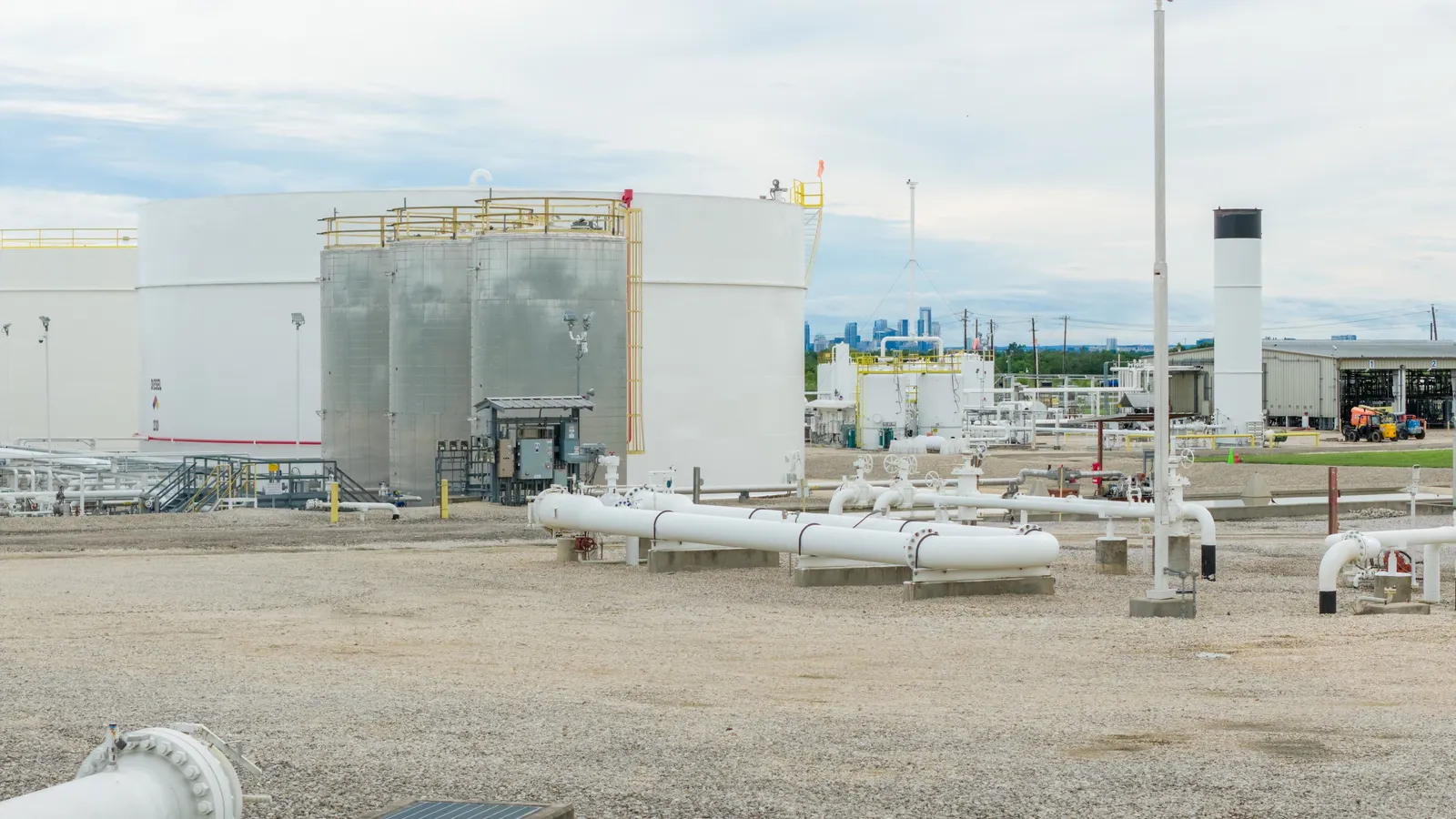
- Energy Market Disconnect: While crude petroleum prices dropped significantly mid-summer, providing a brief psychological cushion, diesel fuel and natural gas experienced dramatic counter-surges that immediately impacted operational and transportation budgets.
- Tariff Pressures: Protectionist trade measures and escalating import duties have driven up the costs of core structural metals, most notably aluminum mill shapes and refined copper.
- Lumber and Plywood Volatility: Traditional timber products have registered their fastest price acceleration in years, compounding the cost of wood-frame residential and light commercial construction.
- Labor Cost Inflation: Beyond materials, persistent wage growth and specialized labor shortages continue to compound budgetary pressures, creating a dual-squeeze on contractor profitability.
Despite these mounting financial headwinds, industry sentiment remains paradoxically resilient. National surveys of contractors indicate that many firms, buoyed by robust backlogs of previously awarded work, still anticipate expanding profit margins over the subsequent two quarters—though analysts warn this optimism may be tested as current project pipelines are exhausted.
Chronology of Market Shifts
To understand how the construction sector arrived at this economic crossroads, it is necessary to trace the trajectory of material costs and macroeconomic interventions over the preceding twelve months.
Late 2025: The Stabilization Illusion
Following years of pandemic-era supply chain chaos and post-pandemic inflation spikes, the construction industry experienced a period of relative stabilization during the final quarter of 2025. Material costs flattened out, and contractors regained some predictability in bidding. However, underlying vulnerabilities remained as geopolitical tensions in key resource-producing regions began to disrupt global shipping lanes.
Early 2026: Trade Policy and Tariff Implementation
The introduction and enforcement of expanded international tariffs early in the year served as the primary catalyst for the current price hikes. Import duties on foundational elements such as aluminum and copper altered procurement strategies overnight. Contractors who had budgeted based on historical pricing models were forced to absorb sudden cost adjustments or pass them along to project owners, triggering widespread contract renegotiations.
Mid-2026: Energy Market Divergence and the July Index
By July 2026, the Bureau of Labor Statistics (BLS) and commodity tracking indices revealed a bifurcated energy market. Month-over-month figures showed energy subcategories moving in opposite directions:
- Crude Petroleum: Experienced a notable 11.9% drop.
- Unprocessed Energy Materials: Declined by 7.4%.
- Natural Gas: Accelerated aggressively, surging 10.4% over the same monthly span.
While these shifts appeared to balance out on paper, the relief was short-lived. Refined fuel products critical to heavy machinery operation and logistics—specifically diesel fuel—climbed by more than 50 cents per gallon shortly after the index measurement period closed, signaling imminent pain for fleet operators and earthmoving contractors.
Supporting Data and Economic Analysis
Economists specializing in construction sector analytics have worked diligently to parse the complex data released by the BLS and private research entities. Anirban Basu, chief economist for Associated Builders and Contractors (ABC), has been among the most vocal analysts interpreting these market movements.
According to Basu, the seemingly mild monthly changes recorded in July severely understate the structural cost increases that contractors will encounter in the months ahead. "The tame monthly change in July understates cost increases contractors will face in the months ahead, especially as fuel and other materials prices swell," Basu noted in a recent market briefing.
This assertion is supported by the rapid rebound in petroleum-derived products. While crude oil saw a nominal price correction in July, downstream processing costs and regional distribution bottlenecks quickly neutralized those gains. The surge of over 50 cents per gallon in diesel fuel prices serves as a direct tax on every cubic yard of concrete poured, every ton of steel delivered, and every piece of heavy equipment mobilized on job sites nationwide.
Furthermore, data compiled by the AGC highlights the disproportionate impact of tariff regimes. Structural metals have borne the brunt of trade policy adjustments. Aluminum mill shapes and copper wiring—indispensable to commercial build-outs, electrical grid upgrades, and institutional facilities—have seen volatility that defies traditional supply-and-demand forecasting. Wood products have followed a similar curve, with lumber and plywood recording price velocities not seen since the height of the housing boom.

Yet, counter-intuitively, contractor confidence has not plummeted. ABC’s quarterly sentiment index reveals that contractors, on average, maintain an expectation of expanding profit margins over the next six months. Analysts attribute this confidence to strong institutional demand, infrastructure funding carryovers, and advanced project delivery methods that allow some firms to hedge against inflation through escalator clauses.
Official Responses and Industry Perspectives
As profit margins narrow and project feasibility studies are revised, industry associations and economic spokespersons are calling for urgent policy interventions to safeguard the built environment.
Ken Simonson, chief economist for the Associated General Contractors of America, pulled no punches when assessing the current economic landscape during a recent press briefing. "Construction firms are being hit with outsized cost increases for a host of materials and also labor," Simonson stated. "Unless there is relief from tariffs or additional funding for highway and transit projects, both private and public construction work face cutbacks."
The dual plea—for relief from protectionist trade policies and for enhanced public sector investment—reflects the precarious position of modern contractors. On the private side, developers are increasingly hesitant to break ground on speculative commercial real estate or multi-family residential projects when financing costs are elevated and material budgets are unpredictable. On the public side, infrastructure projects funded by federal legislation are facing severe purchasing power dilution; a dollar appropriated for a highway or bridge in 2024 buys significantly less raw material and labor capacity in mid-2026.
Trade representatives from the manufacturing and steel sectors have defended tariffs as a necessary measure to protect domestic industrial capacity and national security. However, construction industry advocates argue that the downstream cost burden falls disproportionately on builders who have little flexibility to substitute specialized materials specified in architectural and engineering blueprints.
Implications for the Broader Economy
The sustained inflation of construction input prices carries profound implications that extend far beyond the balance sheets of general contracting firms. Because construction is a foundational pillar of economic growth, cost overruns and project delays ripple across the entire macroeconomic landscape.
1. Stifled Project Activity and Delays
The most immediate risk is the cancellation or indefinite postponement of planned developments. When total project costs exceed initial estimates by 7% to 10% due strictly to material and fuel inflation, pro forma models break down. Developers are forced to scale back square footage, alter building specifications, or mothball projects entirely until market conditions normalize.

2. Public Infrastructure Strain
Federal, state, and local governments are finding it increasingly difficult to deliver public works on budget. Roadways, bridges, public transit systems, water treatment plants, and school renovations authorized under previous legislative packages are encountering severe funding gaps. Without supplemental appropriations or legislative adjustments, public agencies will be forced to defer critical infrastructure maintenance or reduce the scope of planned expansions.
3. Housing Affordability Crisis
Residential construction, already grappling with high interest rates and labor shortages, is acutely vulnerable to lumber, plywood, and metal price spikes. The rising cost of vertical construction is directly baked into the final sale price and rental rates of new housing units, exacerbating the broader housing affordability crisis affecting urban and suburban markets alike.
4. Evolution of Contracting Strategies
In response to market unpredictability, the legal and commercial architecture of the construction industry is shifting. Fixed-price contracts—long favored by project owners seeking budget certainty—are becoming scarcer. In their place, contractors are demanding more flexible arrangements, including:
- Material Escalation Clauses: Provisions that allow contract prices to adjust automatically if key commodities exceed predetermined price thresholds.
- Early Procurement Strategies: Purchasing and warehousing critical long-lead materials (such as copper piping, aluminum frames, and specialized electrical gear) well in advance of actual installation dates to lock in pricing.
- Value Engineering Partnerships: Collaborating closely with owners and designers from the preconstruction phase to identify alternative, cost-effective materials without compromising structural integrity or compliance.
Conclusion
As the construction industry navigates the second half of 2026, the margin for error has vanished. The convergence of persistent material inflation, unpredictable energy pricing, and trade policy headwinds creates a challenging operational environment. While contractors continue to rely on robust backlogs and strategic adaptability to maintain profitability, the warnings from economists like Ken Simonson and Anirban Basu cannot be ignored. Without timely policy relief regarding trade tariffs or structural adjustments to public funding frameworks, the industry risks a significant cooling period that could impact employment, development, and infrastructure modernization for years to come.
