Published: August 14, 2026 Author: Joe Bousquin (Adapted & Expanded)
Main Facts
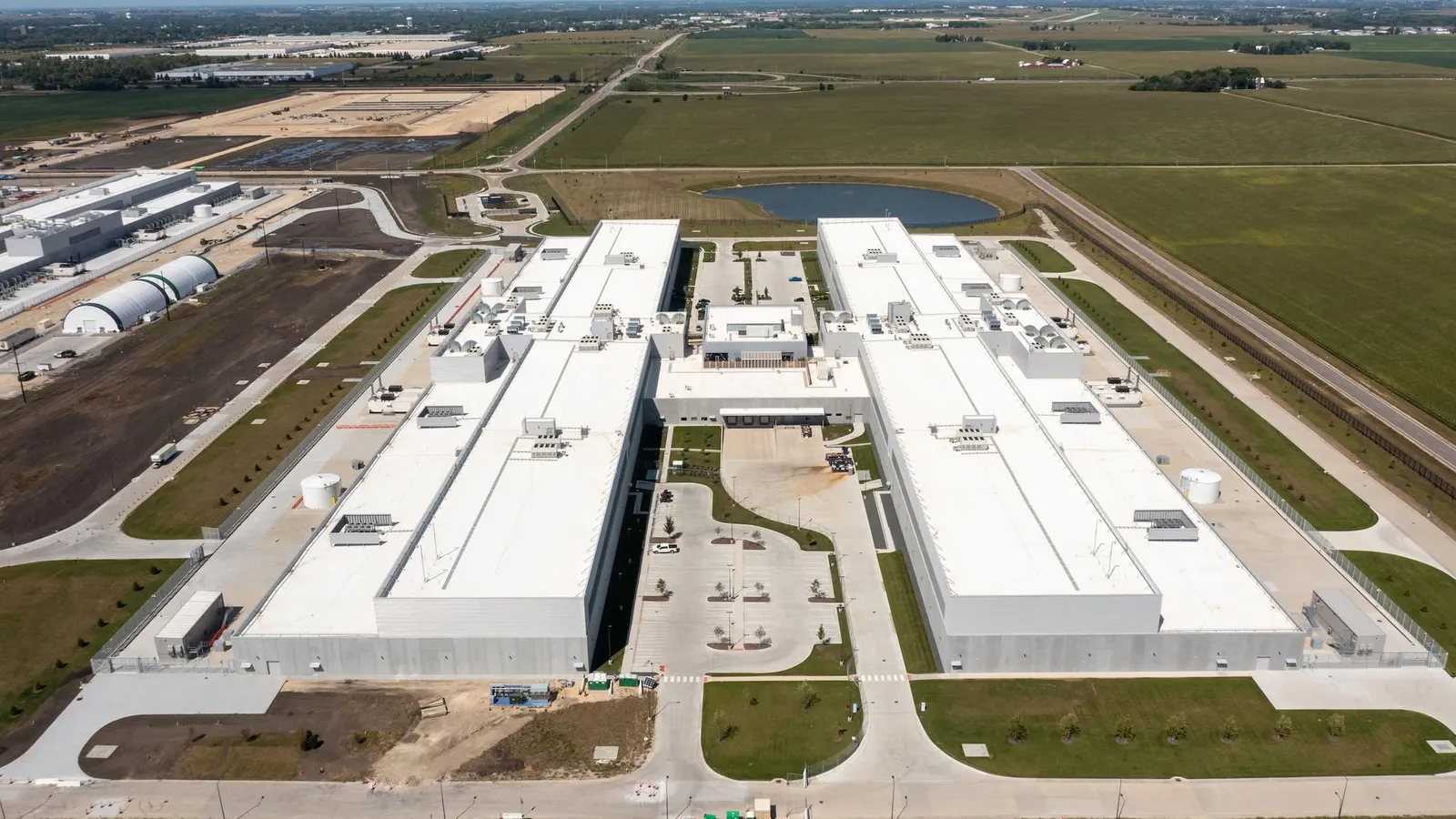
The global construction industry is currently experiencing a historic paradigm shift, driven almost entirely by the relentless expansion of artificial intelligence (AI) and the subsequent demand for high-capacity digital infrastructure. Across the globe, massive data centers are swallowing up vast amounts of capital, labor, and materials, overshadowing almost every other asset class in the commercial and industrial construction sectors.
However, beneath the gleaming facade of server farms and fiber-optic networks lies a bifurcated market. While publicly traded and mega-sized contractors are reporting robust pipelines and enviable backlogs, smaller and mid-sized contractors are grappling with a broader market softness. To navigate this uneven terrain, leading industry executives are relying on a time-tested business strategy: strategic diversification. Even as data centers command the lion’s share of headlines and revenue, major publicly traded construction firms are intentionally maintaining strong footholds in transportation, aviation, traditional energy, and civil infrastructure megaprojects to hedge against future market volatility.
Chronology of a Boom: The Rise of AI Infrastructure
To understand how the construction sector arrived at this pivotal moment in mid-2026, it is essential to look at the rapid timeline of the generative AI revolution and its physical manifestation in the built environment.
Late 2022 – 2023 (The Spark): The public debut of advanced generative AI models ignited an unprecedented global race among tech giants—including Microsoft, Google, Amazon, and Meta—to secure computing power. Almost overnight, software innovation translated into an unprecedented physical demand for server real estate.
Throughout 2024 (The Land Grab): Tech companies began acquiring large tracts of land near power grids and subsea cable landing sites, primarily across Northern Virginia, central Ohio, Texas, and suburban Chicago. Contractors experienced a sudden surge in specialized design-build requests tailored to high-density cooling and power requirements.
2025 (The Grid Strain): As construction ramped up, power availability emerged as the primary bottleneck. Contractors found themselves coordinating directly with utility providers, investing heavily in microgrids, renewable energy tie-ins, and localized backup generation to keep pace with the hyper-scalers’ demands.
First Half of 2026 (The Current Landscape): Data center construction officially decoupled from traditional commercial real estate cycles. During mid-2026 earnings calls, executives across the board acknowledged that digital infrastructure had become the dominant engine of top-line growth, masking a wider slowdown in other segments of the commercial market.
Supporting Data: The Bifurcated Market
The economic realities of the 2026 construction landscape reveal a stark divide based on company scale and project type. While macroeconomic indicators point to cooling activity in areas like traditional office space and retail, the data center subsector continues to post astronomical figures.
The Backlog Divide
Recent data underscores the vast chasm separating large-scale builders from their smaller counterparts:
Large Contractors ($100M+ in Annual Revenue): Firms in this tier reported an impressive 12.1 months of construction backlog in July 2026. This sustained high volume is heavily anchored by multi-billion-dollar hyperscale data center campuses and major federal infrastructure initiatives.
Smaller Contractors (Under $30M in Revenue): Conversely, contractors with smaller annual revenues reported an average backlog of just 7 months during the same period. Many of these firms are struggling to access the specialized engineering talent and capital required to pivot toward high-tech digital builds, leaving them exposed to broader commercial contractions.
Spending Trends
According to recent U.S. construction spending reports, nonresidential construction spending has experienced localized contractions, particularly in warehousing and standard commercial blocks. Yet, these drops have been mathematically softened—and in some regions completely offset—by the sheer scale of the power and communication infrastructure required to feed the AI boom.
Official Responses and Executive Insights
The dominance of digital infrastructure was a recurring theme during the latest round of corporate earnings calls for publicly traded engineering and construction giants. Industry leaders are candidly discussing both the incredible opportunities and the strategic risks of this hyper-focused market.
Speaking during the firm’s first-half 2026 earnings call, Balfour Beatty CEO Philip Hoare captured the prevailing sentiment of the industry with striking clarity:
"You can’t pick up anything these days and not read about data centers."
Hoare’s observation reflects a broader consensus among public builders. While the profit margins and long-term service agreements tied to data center development are exceptionally attractive, executive boards are keenly aware of the cyclical nature of tech capital expenditure.
Other public executives echoed these sentiments, emphasizing that while their order books are currently heavy with server farms and advanced tech facilities, active portfolio management remains critical. Leaders from top-tier firms noted that maintaining a balanced exposure across multiple sectors is the only way to safeguard shareholder value should tech sector growth eventually normalize or face regulatory headwinds.
Strategic Implications and Future Outlook
The current dominance of AI-driven data center construction carries profound implications for the future of the engineering and construction (E&C) industry.
1. The Imperative of Diversification
The cardinal rule of business—never put all your eggs in one basket—is being tested like never before. Publicly traded firms are utilizing their strong cash positions derived from data center windfalls to invest in non-tech sectors. By maintaining active portfolios in transportation (high-speed rail, transit expansion), aviation (airport terminal modernizations), traditional and clean energy, and civil infrastructure megaprojects, these companies are ensuring they remain resilient against sudden shifts in tech-sector spending.
2. Supply Chain and Talent Pressures
Building a modern AI data center is vastly different from constructing a standard warehouse. It requires precise mechanical, electrical, and plumbing (MEP) engineering, advanced liquid-cooling systems, and immense electrical distribution capacities. Consequently, talent acquisition has shifted toward specialized engineers and project managers who understand high-voltage electrical grids and high-density thermal management. Smaller contractors face a distinct disadvantage in recruiting this scarce talent pool.
3. Geographical Concentration and Community Impact
The data center boom is not distributed evenly across the map. It is heavily concentrated in specific submarkets where power and fiber optic networks are dense—such as Loudoun County, Virginia, and various hubs across the Midwest and Southwest. This concentration is beginning to strain local municipal resources, leading to stricter zoning laws, new water usage regulations, and heightened scrutiny over local energy consumption. Contractors must increasingly navigate complex political and environmental landscapes to keep these massive projects on schedule.
Conclusion
As the construction industry moves through the remainder of 2026, the AI buildout will undoubtedly remain the primary catalyst for revenue growth among top-tier builders. However, the wisest firms are looking past the immediate horizon. By balancing the unprecedented cash flows of the data center gold rush with disciplined investments in traditional infrastructure, publicly traded contractors are laying the groundwork for sustainable, long-term stability in an unpredictable global economy.