

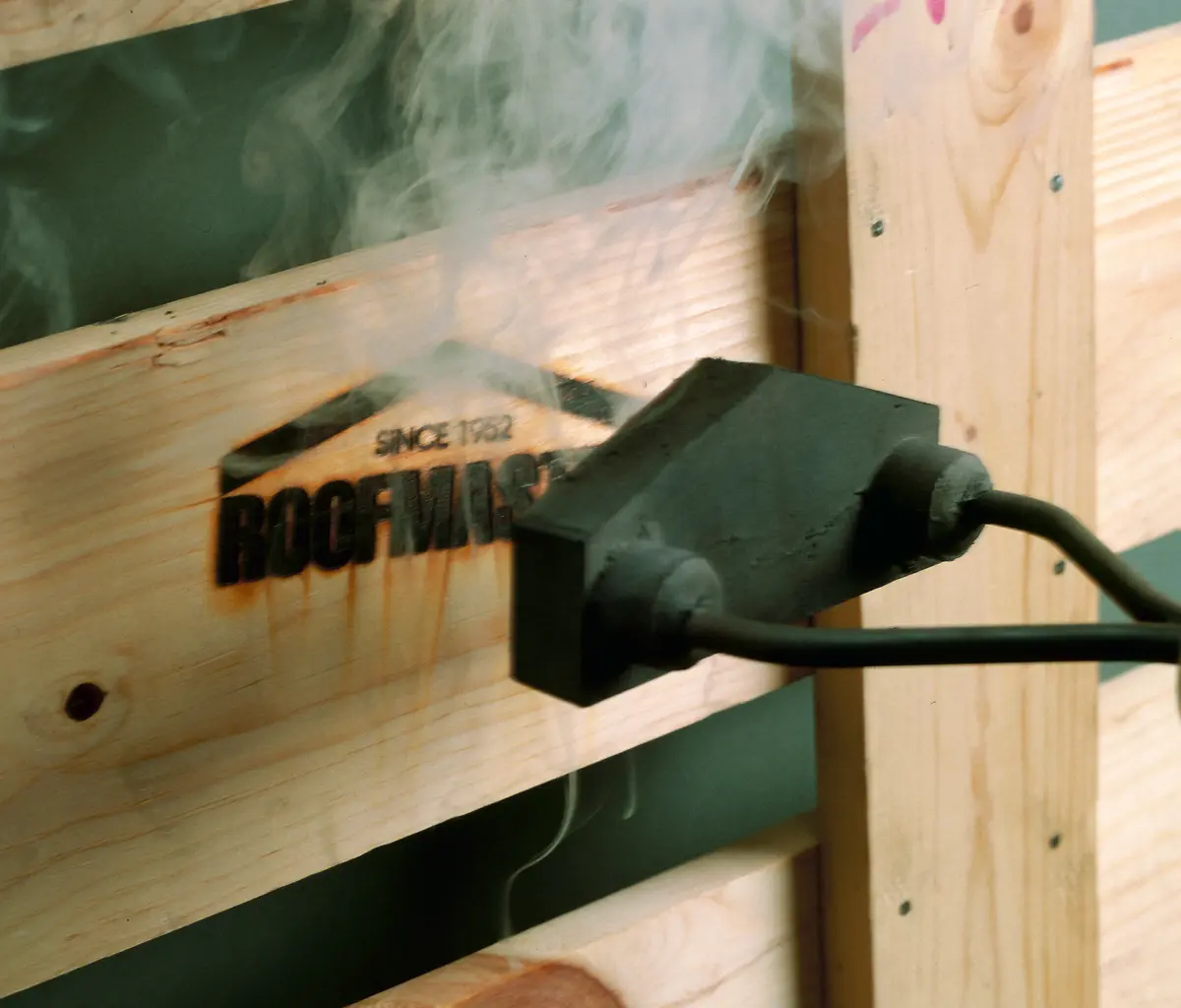
Executive Summary: The Modernization of Commercial Roofing Infrastructure
The commercial roofing industry is undergoing a period of rapid technological evolution, driven by stringent safety regulations, a critical shortage of skilled labor, and the widespread adoption of high-performance materials. At the center of this transition is the mechanical equipment and specialized tooling required to install modern building envelopes. Roofmaster Products, a leading manufacturer and distributor of commercial roofing equipment, has structured its extensive catalog to address these shifting industry dynamics.
By analyzing the company’s comprehensive inventory—ranging from traditional hot-asphalt kettles to state-of-the-art single-ply hot-air welders and fluid-applied spraying systems—this report examines how equipment design directly impacts jobsite safety, installation efficiency, and long-term structural integrity.
Main Facts: Roofmaster Products’ Strategic Catalog Alignment
To meet the demands of contemporary architectural specifications, Roofmaster Products has organized its offerings into several key divisions. This catalog alignment reflects a dual industry focus: maintaining legacy support for traditional Built-Up Roofing (BUR) while aggressively expanding capabilities in Single-Ply, Modified Bitumen, and Fluid-Applied systems.
The core product families detailed in the company’s infrastructure include:
- Drainage Systems: Retrofit and new installation drains composed of aluminum, copper, and cast iron, designed to prevent water ponding and structural overloading.
- Single-Ply & Modified Bitumen Equipment: Advanced hot-air welders, LP torches, adhesive rollers, and testing equipment engineered for thermoplastic polyolefin (TPO), polyvinyl chloride (PVC), and ethylene propylene diene monomer (EPDM) systems.
- Fall Protection & Safety Gear: OSHA-compliant personal fall arrest systems (PFAS), perimeter warnings, and safety accessories engineered to reduce the leading cause of construction-phase fatalities.
- On-Deck Material Handling: Powered and non-powered transport equipment, including conveyors, hoists, turntables, and specialized carts designed to optimize roof-level logistics.
- Spraying and Heating Systems: High-pressure sprayers, material warmers (such as the WarmMaster series), and granule applicators designed for fluid-applied elastomeric and silicone coatings.
Chronology: The Evolution of Roofing Systems and Equipment Demands
The machinery used on commercial roof decks has evolved in tandem with chemical engineering and material science. Understanding this timeline explains the coexistence of diverse product categories within the modern roofing landscape.
+-----------------------------------------------------------------------------------+
|                                    CHRONOLOGY                                     |
+-----------------------------------------------------------------------------------+
| 1950s - 1970s: The Dominance of Built-Up Roofing (BUR)                            |
| * Focus: High-temperature asphalt kettles, tankers, mop carts, and hand mops.     |
| * Key Equipment: Heavy-duty cast iron pumps, litewall tubing, and unions.         |
+-----------------------------------------------------------------------------------+
| 1980s - 1990s: Introduction of Single-Ply Membranes and Modified Bitumen          |
| * Focus: Transition to elastomeric and thermoplastic sheets (EPDM, TPO, PVC).      |
| * Key Equipment: Handheld and walk-behind hot-air welders, silicone rollers, and  |
|   liquefied petroleum gas (LPG) torches.                                          |
+-----------------------------------------------------------------------------------+
| 2000s - 2010s: Regulatory Stricteness and Ergonomic Design                        |
| * Focus: OSHA introduces stringent fall protection guidelines (Subpart M).        |
| * Key Equipment: Mobile roof anchors, perimeter warning lines, and lightweight    |
|   powered cutters to replace manual labor.                                        |
+-----------------------------------------------------------------------------------+
| 2020s - Present: Fluid-Applied Membranes, Automation, and Labor Mitigation        |
| * Focus: Spray-applied liquid membranes, high-efficiency material handling, and   |
|   automated granule distribution.                                                 |
| * Key Equipment: Automated spray rigs, WarmMaster systems, and high-capacity      |
|   conveyors.                                                                      |
+-----------------------------------------------------------------------------------+
Supporting Data: A Technical Analysis of Key Product Families
To understand the operational impact of these tools, it is necessary to examine the technical specifications and mechanical engineering principles behind Roofmaster’s core product categories.
1. Drainage and Flow Management Systems
Water accumulation is the primary cause of premature roof failure. Roofmaster’s drainage portfolio is divided into new installation systems and retrofit technologies:
- Retrofit Drains: Available in copper, aluminum, and heavy-duty plastic, these units are designed to be installed inside existing, damaged drain pipes without requiring complete system demolition. They utilize mechanical seals or expanding flanges to establish a watertight connection, preventing backflow and internal building damage.
- Cast Iron Sump Drains: Categorized by size (Large, Medium, and Small Sump), these heavy cast iron units provide stable, high-capacity drainage for low-slope roofs. The mass of the cast iron dampens vibration and resists thermal expansion.
- Combo/Overflow Drains: Integrated dual-inlet systems that provide a primary drain path alongside an elevated overflow pipe. If the primary line becomes obstructed, the overflow drain prevents water levels from exceeding the structural load-bearing capacity of the deck.
2. Single-Ply and Modified Bitumen Application Technology
The shift toward single-ply membranes requires highly precise thermal and mechanical fastening tools:
                  +---------------------------------------+
                  |      SINGLE-PLY FASTENING METHODS     |
                  +---------------------------------------+
                                      |
         +----------------------------+----------------------------+
         |                                                         |
         v                                                         v
+------------------+                                      +------------------+
| Thermal Welding  |                                      | Mechanical Joint |
| * Hot Air Welders|                                      | * Deck Screws    |
| * Steel Rollers  |                                      | * Plates         |
| * Seam Testers   |                                      | * Term Bars      |
+------------------+ +------------------+- Thermal Welding: Hot-air welders precisely melt the overlapping seams of TPO and PVC sheets. Handheld steel and rubber rollers are then used to compress the semi-fluid polymers, creating a molecular bond that is stronger than the membrane itself.
- Mechanical Fastening: High-tensile deck screws, pre-assembled plates, and termination bars (Term Bars) secure the insulation boards and membrane sheets to steel, wood, or concrete decks, resisting wind uplift forces.
- LPG Torches: Used for modified bitumen (mod-bit) systems, these heavy-duty torches apply direct heat to melt the asphalt backing of the membrane roll as it is unrolled across the deck.
3. Safety, Fall Protection, and Regulatory Compliance
Roofing consistently ranks as one of the most hazardous construction occupations. The safety catalog focuses on compliance with OSHA 1926 Subpart M:
- Personal Fall Arrest Systems (PFAS): Includes full-body harnesses, shock-absorbing lanyards, and self-retracting lifelines (SRLs) designed to distribute deceleration forces across the user’s skeletal structure in the event of a fall.
- Roof Anchors: Temporary and permanent anchorage connectors designed to withstand a minimum breaking strength of 5,000 pounds per attached worker.
- Perimeter Warnings and Roof Edge Systems: Warning lines, stanchions, and safety flags that establish a visual barrier at least six feet from the roof edge, keeping non-tethered workers safe.
4. Heavy Machinery, Hoisting, and Material Transport
Moving heavy materials—such as insulation bundles, membrane rolls, and bulk gravel—from ground level to high-rise roof decks requires specialized hoisting equipment:
| Equipment Category | Specific Tools | Operational Function |
|---|---|---|
| Hoisting Systems | Powered Hoists, Non-Powered Roof Hoists, Hoisting Wheels, Gravel Buckets | Lifts bulk materials safely from ground level to the roof deck, reducing crane rental costs. |
| Material Transport | Conveyors, HSDF Conveyor Parts, Turntables, Outriggers | Enables horizontal transport of materials across large roof decks, reducing manual carrying. |
| On-Deck Logistics | Material Handling Carts, Wheelbarrows, Mop Carts | Optimizes the distribution of heavy items near the point of installation. |
Industry Responses and Expert Perspectives
Industry associations, such as the National Roofing Contractors Association (NRCA), emphasize that using specialized, high-quality equipment is critical for both contractor safety and project profitability.
"The commercial roofing sector is facing a severe labor deficit," notes Marcus Vance, a senior consultant in construction safety and logistics. "Contractors can no longer rely on sheer manpower to complete large-scale projects. The integration of powered on-deck equipment—such as powered cutters, automatic hot-air welders, and high-volume spraying systems—allows a five-person crew to accomplish what once required ten workers. Companies like Roofmaster are key to bridging this productivity gap."
Furthermore, technical specialists point out that single-ply installations leave very little room for error. A single cold weld or a poorly secured fastener can cause wind uplift failure or major water leaks.
Using professional-grade tools, such as infrared thermometers for temperature monitoring and specialized seam testers to check welds, is essential to meet the strict quality standards required by manufacturers for long-term system warranties.
Future Implications: Labor, Efficiency, and Sustainability
As the construction industry adapts to stricter green building codes and changing weather patterns, the tools used on roof decks must also evolve.
+-----------------------------------------------------------------------------------+
|                                FUTURE TRENDS                                      |
+-----------------------------------------------------------------------------------+
| 1. High-Performance Fluid-Applied Membranes                                       |
| * Sprayed coatings provide seamless protection over complex roof layouts.         |
| * Eliminates seams and reduces waste compared to traditional sheet materials.     |
+-----------------------------------------------------------------------------------+
| 2. Increased Automation in Material Handling                                      |
| * Smart conveyors and robotic material transporters minimize manual handling.     |
| * Reduces worker fatigue and significantly lowers jobsite injury rates.           |
+-----------------------------------------------------------------------------------+
| 3. Integrated Solar and Green Roof Systems                                        |
| * Growth in vegetative roofs and rooftop photovoltaic (PV) solar arrays.          |
| * Requires advanced structural mounts, pipe stands, and specialized flashings.    |
+-----------------------------------------------------------------------------------+
By providing a comprehensive selection of both legacy components (like kettle repair parts, litewall tubing, and cotton mops) and modern installation tools (like hot-air welders, fluid sprayers, and advanced fall protection), Roofmaster Products supports the entire transition of the commercial roofing industry. As building designs become more complex and safety regulations tighten, the demand for engineered, reliable, and high-performance roofing equipment will continue to grow, shaping the future of our built environment.
