

By the Editorial Team
Published: Industry Insights & Gear Review
Main Facts
To the uninitiated, clothing is simply clothing. A heavy canvas jacket is a jacket, and a cotton-blend t-shirt stamped with a famous power tool manufacturer’s logo is just another way to get dressed in the morning. However, anyone who has spent a single 10-hour shift hauling bags of concrete, framing a house in a downpour, or wrestling with commercial landscaping equipment knows a stark, uncompromising truth: not all garments bearing industrial names are built for the trenches.
At the heart of the modern blue-collar wardrobe lies a fundamental, often misunderstood distinction: the line separating workwear from work apparel.
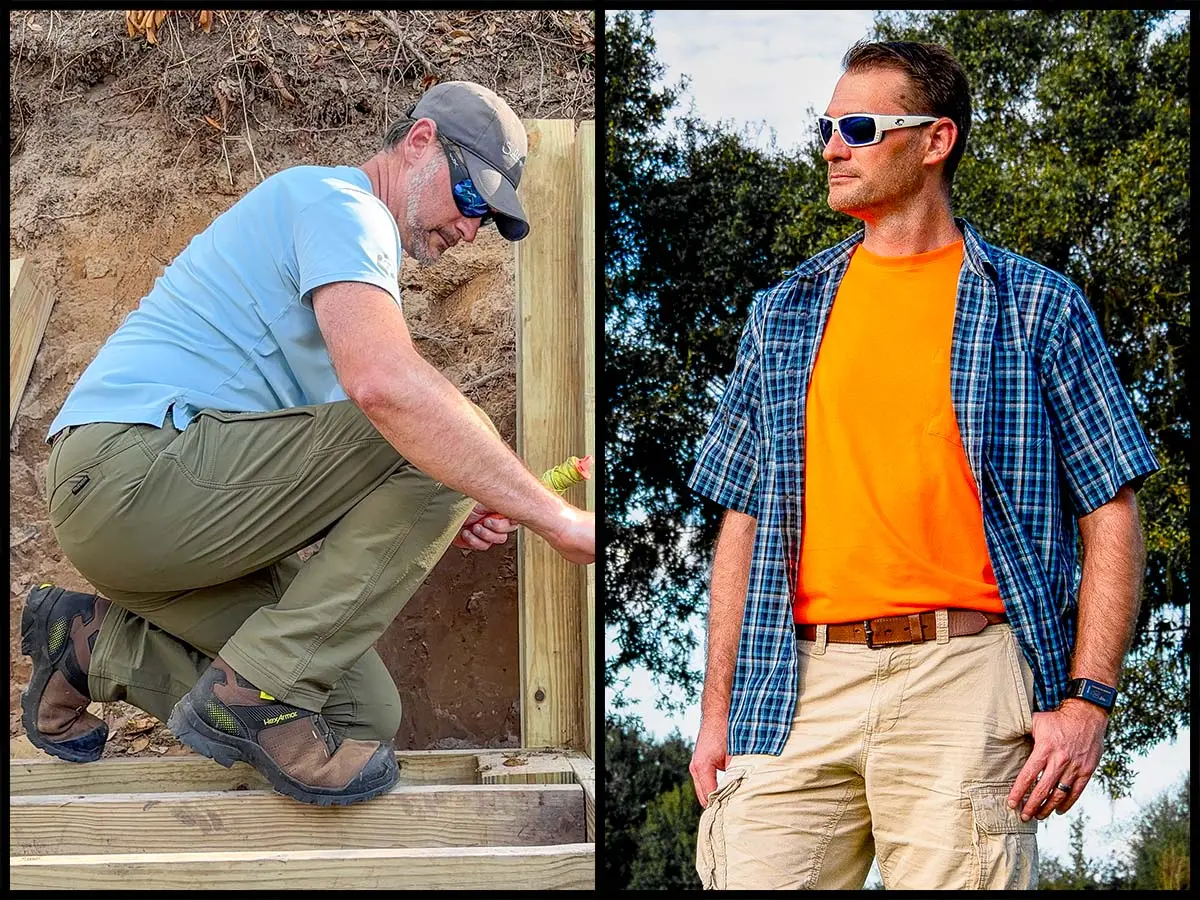
- Workwear is engineered utility. It is purpose-built equipment designed to withstand abrasive materials, harsh weather, repetitive physical strain, and safety hazards. It prioritizes durability, protection, flexibility, and longevity over tactile softness or aesthetic trends.
- Work apparel is lifestyle branding. It borrows the rugged heritage and trusted identity of heavy-duty manufacturers to deliver high-comfort, stylish casual wear meant for off-the-clock relaxation, running weekend errands, or showing loyalty to a favorite trade name.
Understanding this division prevents costly mistakes on the jobsite—such as shredding a $40 branded cotton tee on the first day of framing—while explaining why iconic industrial brands have expanded aggressively into consumer fashion and lifestyle markets.
Chronology: The Evolution of Industrial Threads
The separation of functional utility garments from casual lifestyle fashion did not happen overnight. It is the result of a decades-long evolution within manufacturing, marketing, and blue-collar culture.
Phase 1: Pure Utility (Pre-1980s)
Historically, work clothing was purely utilitarian. Brands like Carhartt, Dickies, and Red Wing were born out of absolute necessity, supplying rugged canvas, heavy denim, and steel-toe boots to railroad workers, farmers, and factory laborers. Comfort was secondary to survival and durability; clothes were meant to act as a second skin that could take a beating from heavy machinery and sharp timber.
Phase 2: The Crossover and Cultural Adoption (1990s–2000s)
As streetwear culture expanded, urban demographics and skateboarding subcultures began adopting rugged, durable workwear for its unique aesthetic and indestructible nature. Brands realized that their durable trousers and canvas jackets possessed a secondary market appeal. Concurrently, power tool companies began printing logos onto standard cotton apparel, offering tradespeople a way to represent their brand loyalty away from the job.
Phase 3: The Divergence of Lines (2010s–Present)
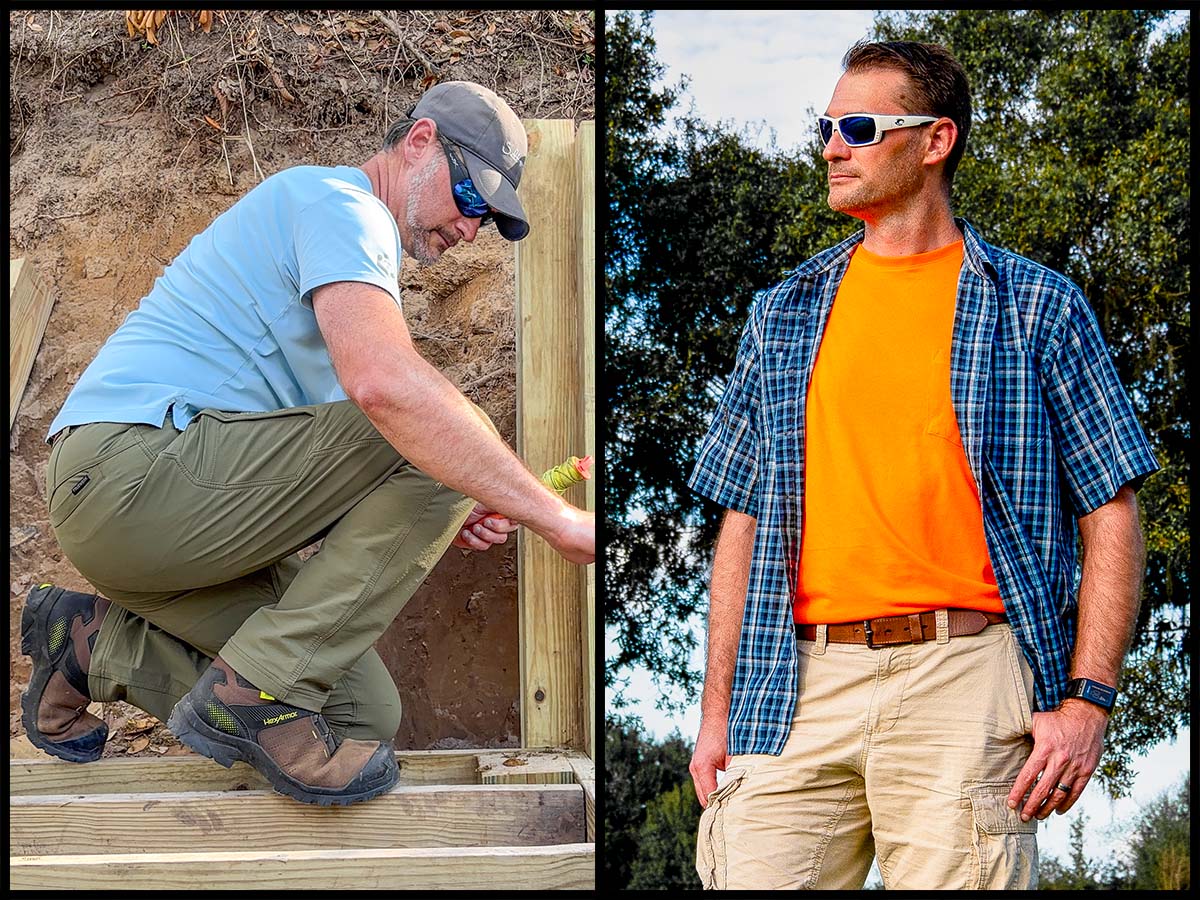
Recognizing that a lightweight, ultra-soft cotton graphic tee cannot survive a welding spark or abrasive drywall installation, manufacturers began clearly bifurcatng their product lines. Today, legacy brands and modern innovators alike maintain separate channels: heavy-duty technical workwear (such as Truewerk’s T1 Pro line or specialized technical shell jackets) on one side, and comfortable "off-site" lifestyle collections on the other. A notable recent example includes DeWalt partnering with fashion designer Jeff Staple to launch the "Off-Site" apparel collection, explicitly targeting lifestyle consumers rather than daily jobsite warriors.
Supporting Data and Industry Analysis
To fully appreciate the distinction, one must examine how different industries approach work clothing, how materials differ, and why consumers continue to invest in both categories.
The Universal Spectrum of Occupational Dress
Workwear is not exclusive to construction trades. Every professional sector has its specialized operational attire, engineered specifically for its environment:
- Trades, Landscaping, and Agriculture: Heavy-duty canvas, ripstop synthetics, reinforced knees, moisture-wicking fabrics, and high-visibility safety gear.
- Healthcare: Scrubs and lab coats optimized for fluid resistance, frequent industrial laundering, and antiseptic properties.
- Law Enforcement and Military: Tactical uniforms featuring reinforced stitching, specialized gear storage, and climate-adaptive materials.
- Recreational Outdoor Sports: Hunting (e.g., KUIU, King’s Camo), fishing, and equestrian sports (e.g., Tecovas) utilizing technical gear designed for extreme environmental performance.
Material Science: Workwear vs. Work Apparel
| Feature | Technical Workwear | Brand Work Apparel |
|---|---|---|
| Primary Goal | Protection, safety, and longevity | Comfort, casual style, and brand representation |
| Fabric Composition | Cordura, heavy cotton duck, advanced ripstop synthetics, flame-retardant blends | Ringspun cotton, lightweight polyester blends, fleece |
| Construction | Triple-stitched seams, gusseted crotches, reinforced wear points | Standard single- or double-needle stitching |
| Environment | Jobsite, heavy industrial, active agricultural fields | Home, casual outings, weekend relaxation |
As market research shows, tradespeople are among the most brand-loyal consumers in the global economy. If a drill, saw, or tractor proves reliable through years of heavy use, the consumer naturally develops an emotional connection to that manufacturer. Purchasing work apparel becomes an extension of that loyalty—much like wearing a jersey supporting a favorite sports franchise.
Official Perspectives and Expert Insights
Industry veterans and gear reviewers emphasize that neither category is superior; rather, they serve entirely different masters.
According to product developers in the tactical and technical workwear space, modern jobsite garments require extensive research and development. Brands spend millions testing fabrics for tear resistance, thermal regulation, and ergonomic flexibility. A pair of professional-grade work pants must allow a carpenter to squat, kneel, and climb hundreds of times a day without binding or ripping at the seams.
Conversely, lifestyle and apparel divisions focus on hand-feel, modern fits, and everyday wearability. A representative from a major tool manufacturer noted during a recent product rollout:
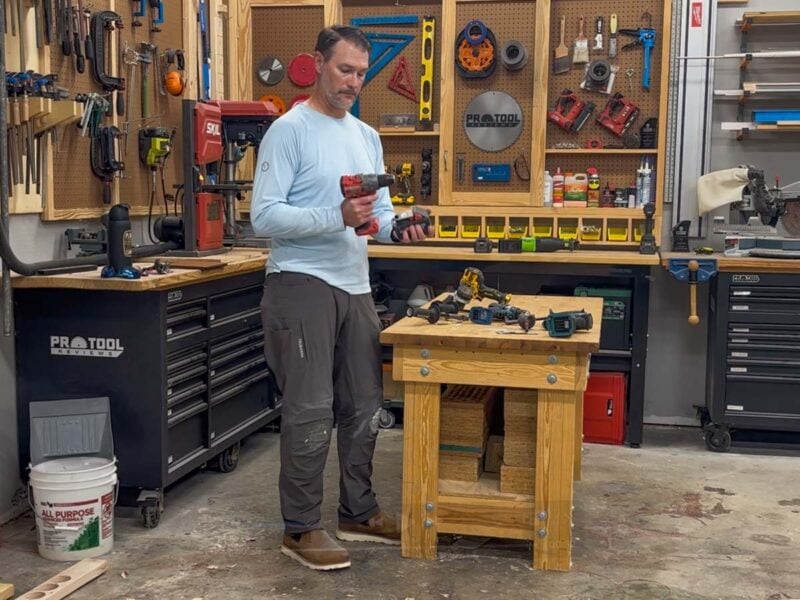
"Our core tools and heavy workwear keep professionals safe and productive on the clock. But our off-site apparel lines answer a different call. They allow our most dedicated users to wear the badge proudly when they clock out, grab dinner, or spend a Saturday with their families. They aren’t meant to be dragged across asphalt, and that’s entirely by design."
Specialized footwear and apparel brands—ranging from legacy names like Red Wing to modern innovators like Truewerk and Tecovas—echo this sentiment, frequently reminding buyers to match their clothing choice to their immediate activity.
Implications for Consumers and the Market
The clear divergence between workwear and work apparel carries several important takeaways for consumers, retailers, and manufacturers alike.
1. Smarter Purchasing Decisions
For workers, understanding the difference saves money and prevents frustration. Wearing a lightweight, branded cotton shirt to a rugged jobsite is an invitation for immediate damage. Conversely, wearing heavy, stiff, canvas-lined industrial work pants to a casual social gathering sacrifices comfort and breathability. Building a balanced wardrobe ensures that utility items stay on the clock, while comfortable apparel stays off it.
2. The Power of Brand Endorsement
When a tradesperson wears a brand’s work apparel off the clock, it functions as a powerful, organic endorsement. It signals to peers and the community that a particular company earned their trust where it matters most: under grueling, real-world jobsite conditions.
3. Future Market Trends
As the lines between technical outdoor apparel and everyday streetwear continue to blur, manufacturers are likely to innovate further. We are already seeing the rise of "hybrid" garments—clothing that incorporates durable, technical stretch fabrics into subtle, clean designs that look professional enough for casual settings while retaining enough backbone to survive a light afternoon of DIY work around the house.
Ultimately, whether you are suiting up for a grueling day of civil construction or kicking back on the weekend in your favorite manufacturer’s hoodie, knowing what your clothes were built to do ensures you get the most out of your wardrobe.
