

Main Facts: The Rise of Discreet Design
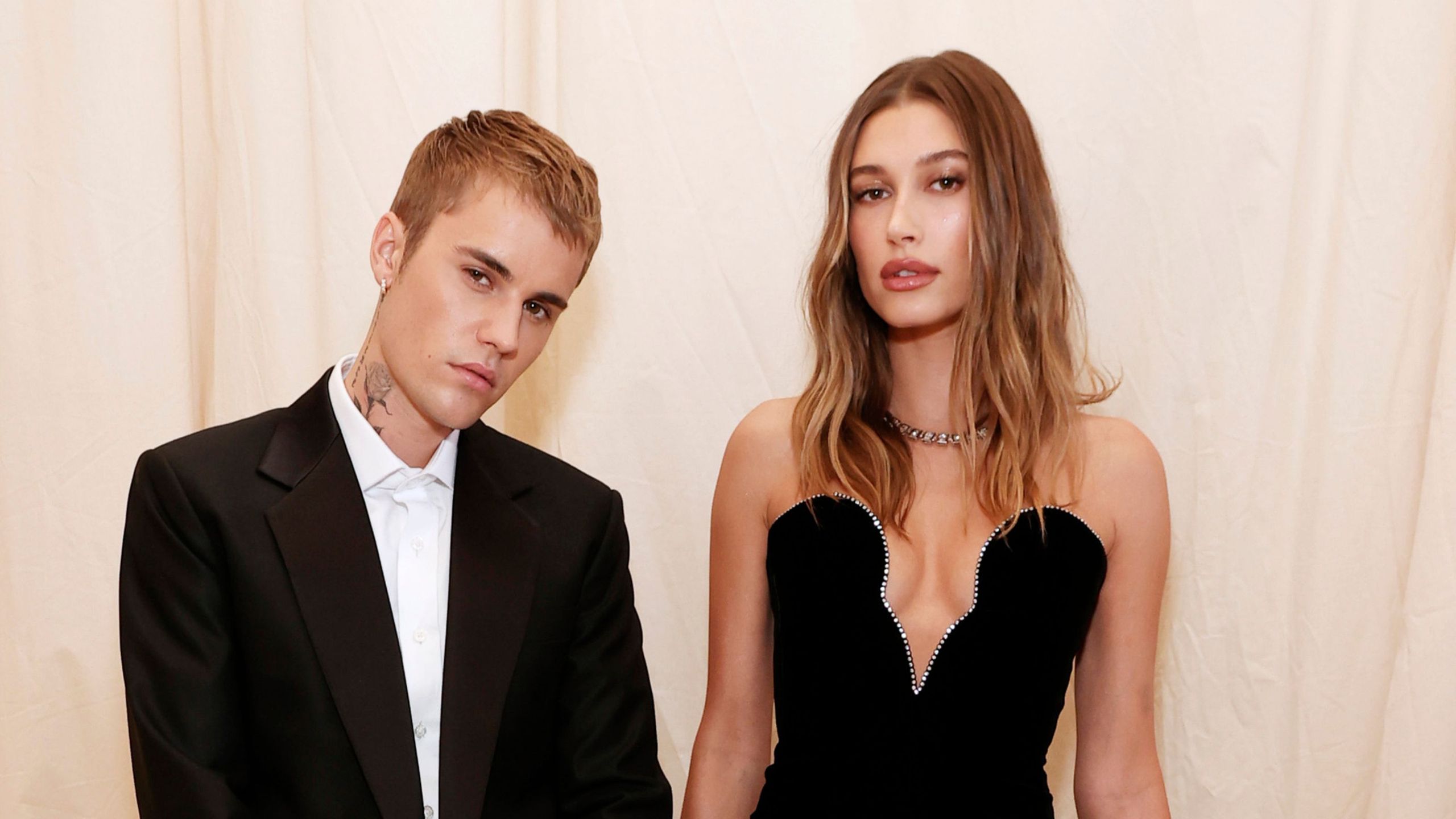
As trendsetting powerhouses, Hailey and Justin Bieber continuously influence the worlds of fashion, beauty, and lifestyle. Now, their domestic choices are once again taking center stage. As late summer transitions into the cooler months of the autumn home-refresh season, an unexpected interior design movement championed by the couple is sweeping the high-end residential market: "invisible" living room storage.
Far from relying on futuristic sci-fi mechanisms or motorized panels, the Biebers’ approach to keeping a tidy home is rooted in exceptional discretion. Their living room storage system integrates seamlessly into bright, white-hued walls, eliminating the visual clutter commonly associated with traditional open shelving. While conventional layouts often utilize exposed bookcases and display ledges to showcase personal possessions, the Biebers’ sleek, flush cabinetry keeps everyday clutter entirely out of sight.
Design professionals are quickly embracing this minimalist ethos. By trading visual noise for clean lines, homeowners can achieve a sophisticated, gallery-like ambiance that prioritizes architectural integrity and understated luxury.
Chronology: The Evolution of Celebrity-Led Minimalism
The shift toward ultra-discreet living spaces has evolved significantly over the past decade, moving away from maximalist displays toward refined, intentional living:
- The Open-Shelving Era (Early to Mid-2010s): For years, interior design trends favored curated open shelving, where homeowners meticulously styled bookcases, vintage trinkets, and framed photographs to project personality.
- The Rise of Modern Minimalism (2020–2023): As urban populations faced shrinking square footage, a desire for clean surfaces gained momentum. Concealed hardware and handleless cabinets began appearing in high-end kitchens and primary suites.
- The Bieber Transition (2024–2025): Trendsetting figures like Hailey and Justin Bieber began applying hidden architectural storage concepts to main living areas—traditionally zones prone to gathering clutter—proving that utility and high fashion could coexist invisibly.
- The 2026 Tipping Point: Entering late 2026 and looking ahead to 2027, "invisible" living room storage has transitioned from a niche architectural choice into a mainstream luxury standard, heavily influenced by celebrity home reveals and urban spatial demands.
Supporting Data: Why Designers are Embracing the Trend
Interior architecture experts note that the demand for flush, wall-integrated storage is not merely aesthetic—it is a functional response to modern living conditions, particularly in high-density urban environments.
According to New York-based designer Artem Kropovinsky, founder of Arsight, the appeal of hidden storage lies in its effortless integration. "The utilization of discreet, almost ‘invisible’ cabinets is akin to the magic of a well-tailored suit. It fits impeccably without drawing attention to its own construction," Kropovinsky explains. "This approach allows the home’s architecture and the homeowner’s personality to take center stage, resulting in an elegant, uncluttered aesthetic."
Spatial Optimization in Urban Dwellings
In metropolitan areas—such as the Biebers’ footprint across properties in Los Angeles and Manhattan—square footage commands a premium. Traditional bulky furniture can quickly overwhelm a room, making spaces feel cramped.
- Visual Real Estate: Flush cabinetry utilizes vertical wall cavities without encroaching on floor space.
- Light Reflection: Paired with bright, neutral wall finishes, seamless cabinet doors bounce natural light around the room, creating an illusion of expanded square footage.
- The Rule of Subtraction: By minimizing the physical footprint of storage units, homeowners create negative space, which interior psychologists link to reduced stress and enhanced mental clarity.
Official Responses and Expert Insights
Industry professionals and psychologists alike are weighing in on why this subtle design choice is capturing public imagination. Beyond the physical transformation of a room, experts emphasize the psychological sanctuary that minimalist spaces provide.
The Psychology of Clutter-Free Spaces
As autumn approaches and homeowners retreat indoors, the desire for cozy, peaceful environments intensifies. Interior wellness experts point out that visual clutter directly contributes to cognitive fatigue.
"We often underestimate the effect our surroundings have on our psyche," Kropovinsky notes. "An interior with a clean, sleek look achieved through the use of discreet cabinetry can subconsciously foster a sense of calm and order. It’s about curating an environment that, at its core, is a sanctuary—a space where you can unwind, free from visual noise."
Curated Focal Points
Opting for hidden storage does not mean a home must lack personality. Rather, design experts argue that invisible storage enhances the items you do choose to display.
When storage units recede into the background, statement architectural features—such as a grand piano, a curated art piece, or a singular luxury textile—are given the room to breathe. Rather than competing with a wall full of knick-knacks, focal points command authentic attention.
Shop the Bieber-Inspired Edit: Recreating the Look
For those looking to channel the Biebers’ polished, minimalist aesthetic in their own homes, interior curators have identified several staple pieces that capture the exact blend of warmth, texture, and understated luxury:
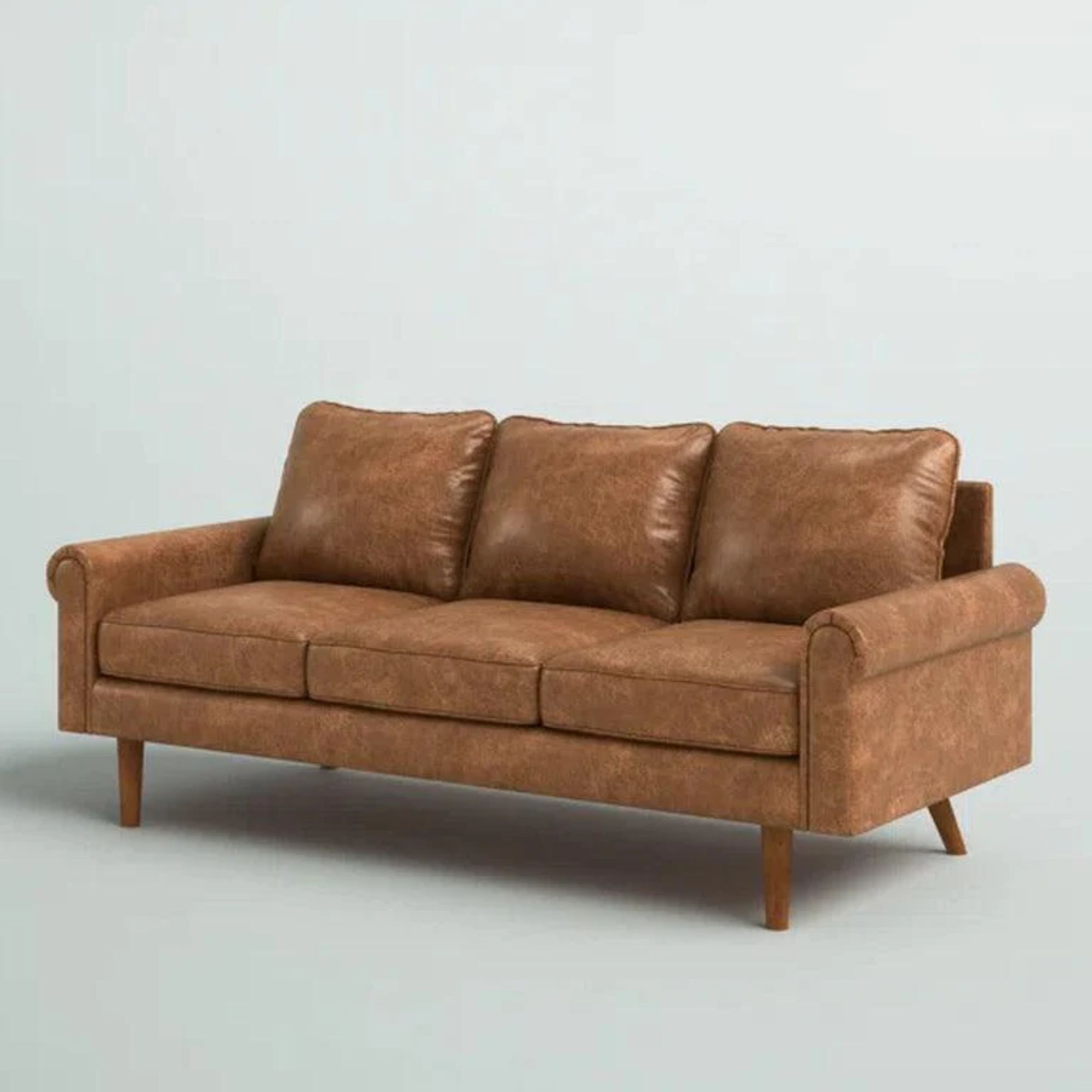
- Distressed Leather Seating (Vintage Style): A rich, textured leather sofa acts as a grounding element in a bright, neutral room. Pairing a solid oak frame with rolled arms and warm patina mirrors the effortless balance seen in celebrity-designed living spaces.
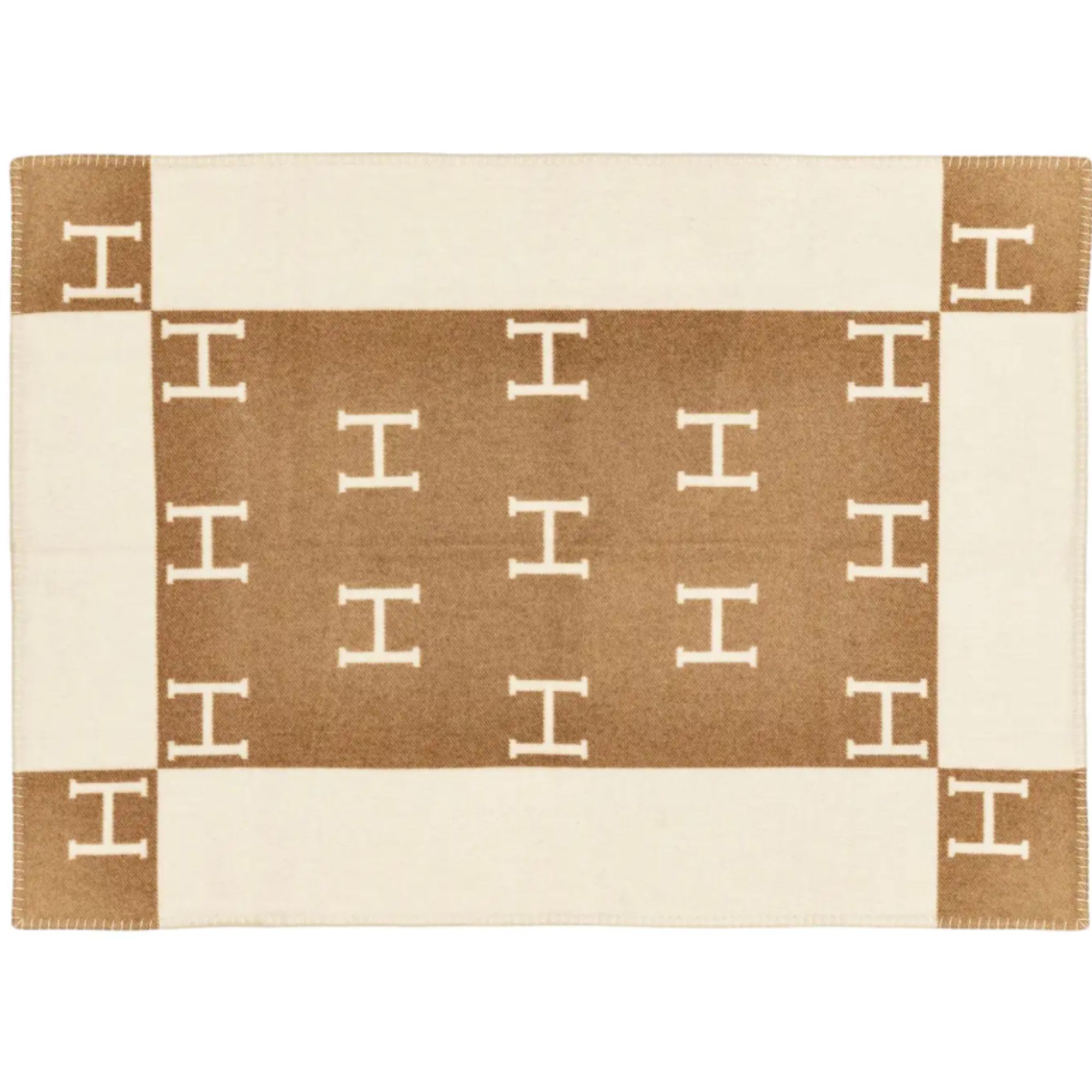
- Iconic Luxury Textiles: Soft accents, such as a camel-and-ecru wool throw blanket featuring classic geometric motifs, introduce warmth and high-end texture over neutral leather or linen upholstery without cluttering the visual field.
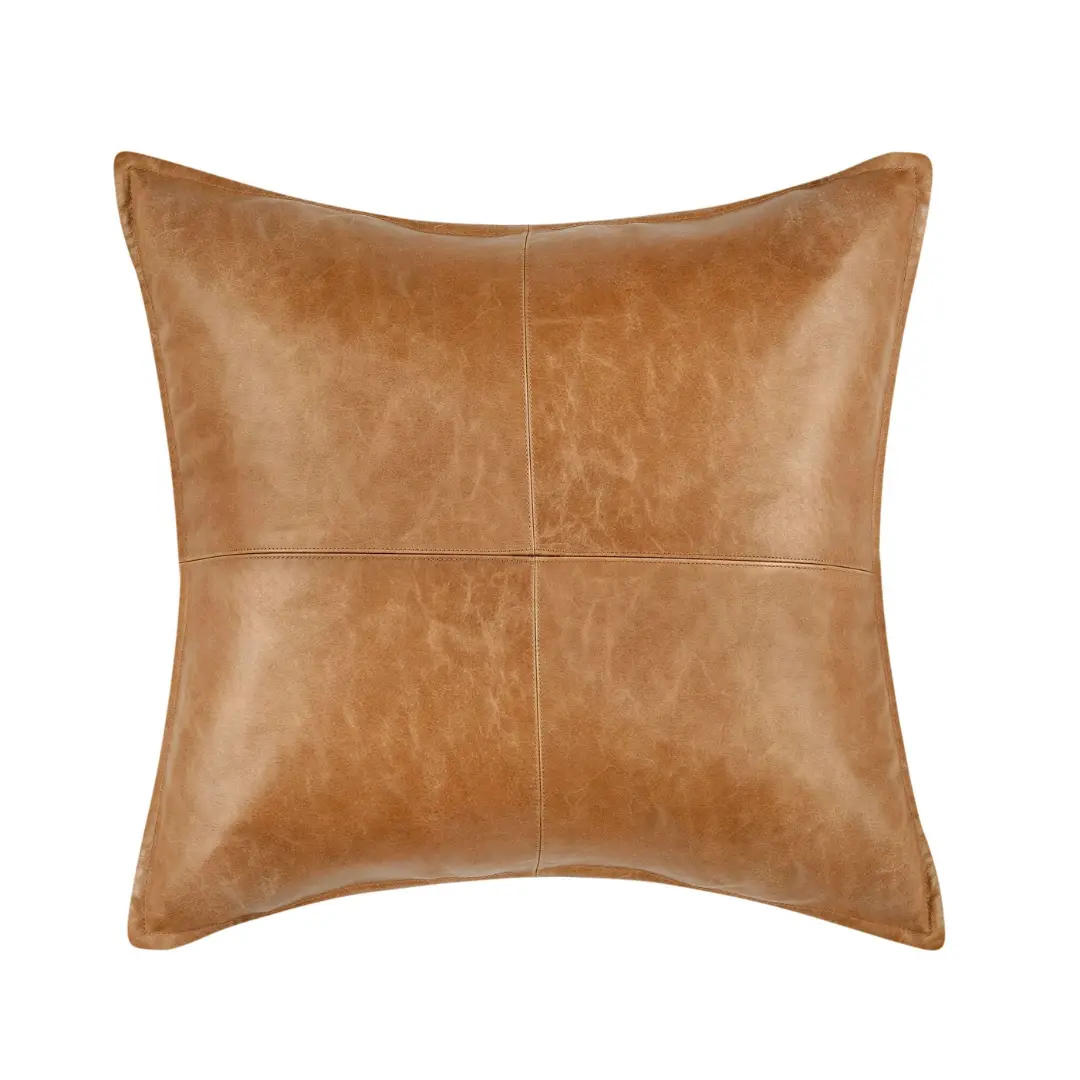
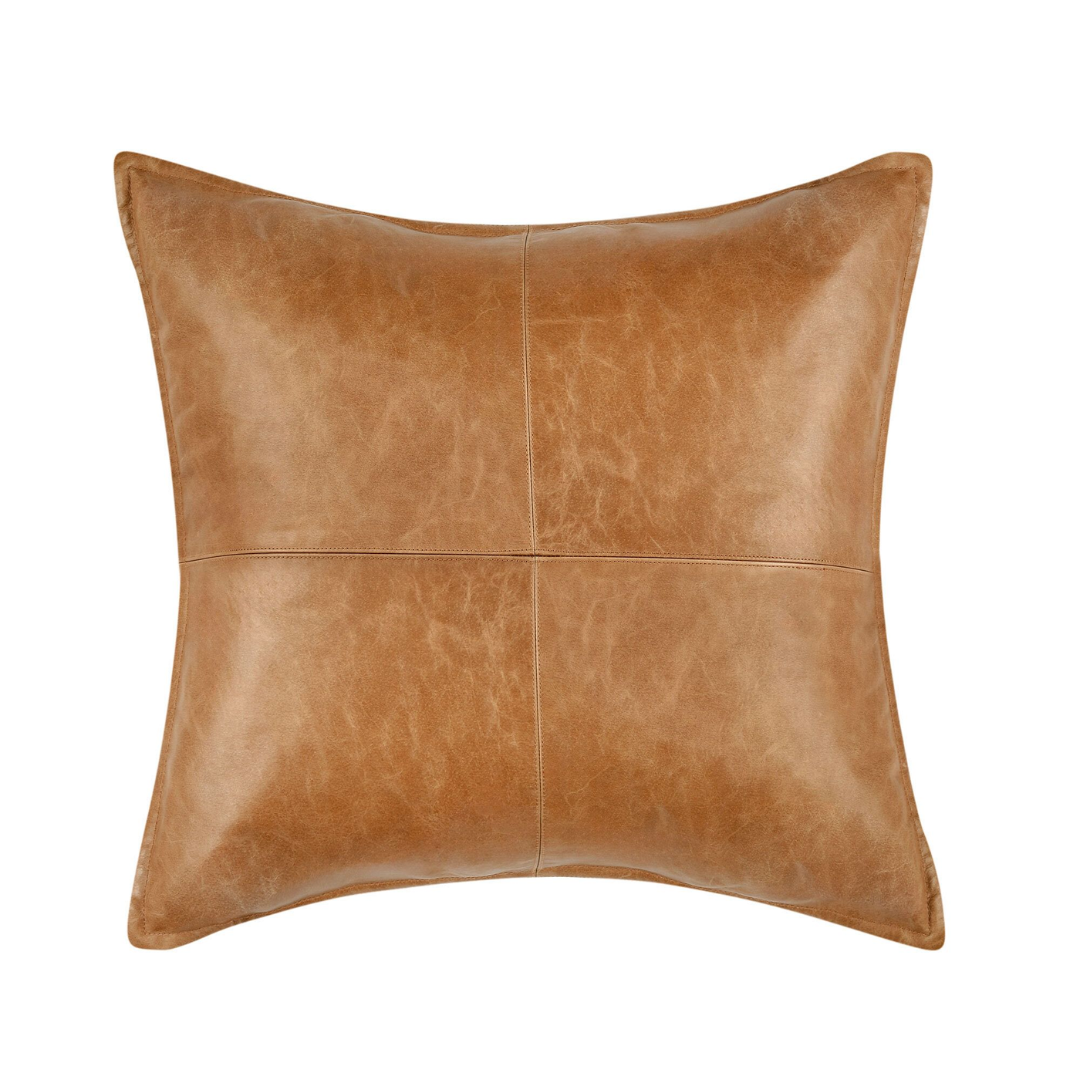
- Subtle Leather Accent Pillows: Incorporating fine leather pillow covers with meticulous stitching introduces tactile contrast against a minimalist backdrop, keeping the color palette earthy and cohesive.
- Architectural Lighting: Modern halo disc pendants or minimalist flush-mount fixtures provide functional illumination while acting as understated artistic statements—reminiscent of the halo lighting spotted above grand pianos in high-end minimalist homes.
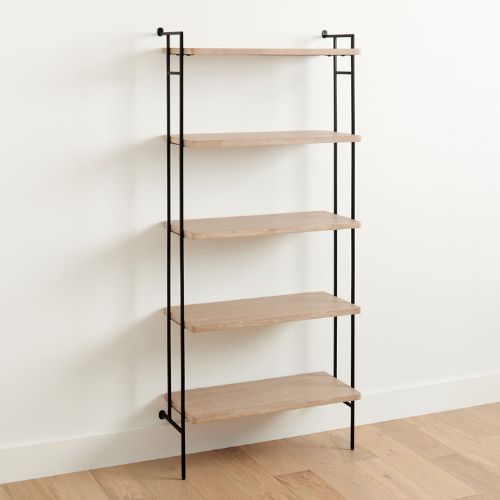
- Lightweight Open Elements: For spaces that require a hybrid approach, pairing hidden storage walls with a minimalist, open-frame shelving unit (such as a black metal and mango wood bookcase) offers a place to display select reads and plants without sacrificing an airy silhouette.
Implications: The Future of Residential Design
As the design community looks toward 2027, the trajectory of domestic interiors is clear: hyper-visible utility is out, and seamless integration is in.
The influence of public figures like Hailey and Justin Bieber proves that modern luxury is no longer defined by how many possessions you can display, but rather by how effectively you can curate your environment. By embracing invisible storage, homeowners are not just hiding their belongings—they are reclaiming their architecture, enhancing their spatial dimensions, and investing in a daily sense of psychological tranquility.
Whether applied to a sprawling West Coast estate or a compact Manhattan pied-à-terre, the Bieber blueprint demonstrates that the most powerful design statement a home can make is absolute, effortless calm.
