


By the Gardening & Home Living Editorial Desk
1. Main Facts: The Late-Summer Fruit Fly Invasion
As the lazy warmth of late summer begins to transition into early autumn, homeowners frequently face an unwelcome, highly resilient household guest: Drosophila melanogaster, more commonly known as the fruit fly. Propelled by elevated seasonal temperatures, abundant supplies of overripe stone fruits, and an explosion of outdoor organic material finding its way indoors, these tiny pests can multiply at an astonishing rate.
While practicing rigorous kitchen hygiene—such as wiping down countertops immediately after food prep, regularly emptying indoor compost bins, and discarding aging produce—remains the fundamental first line of defense, entomologists and horticulture experts emphasize that preventative physical barriers can offer an invaluable extra layer of protection.
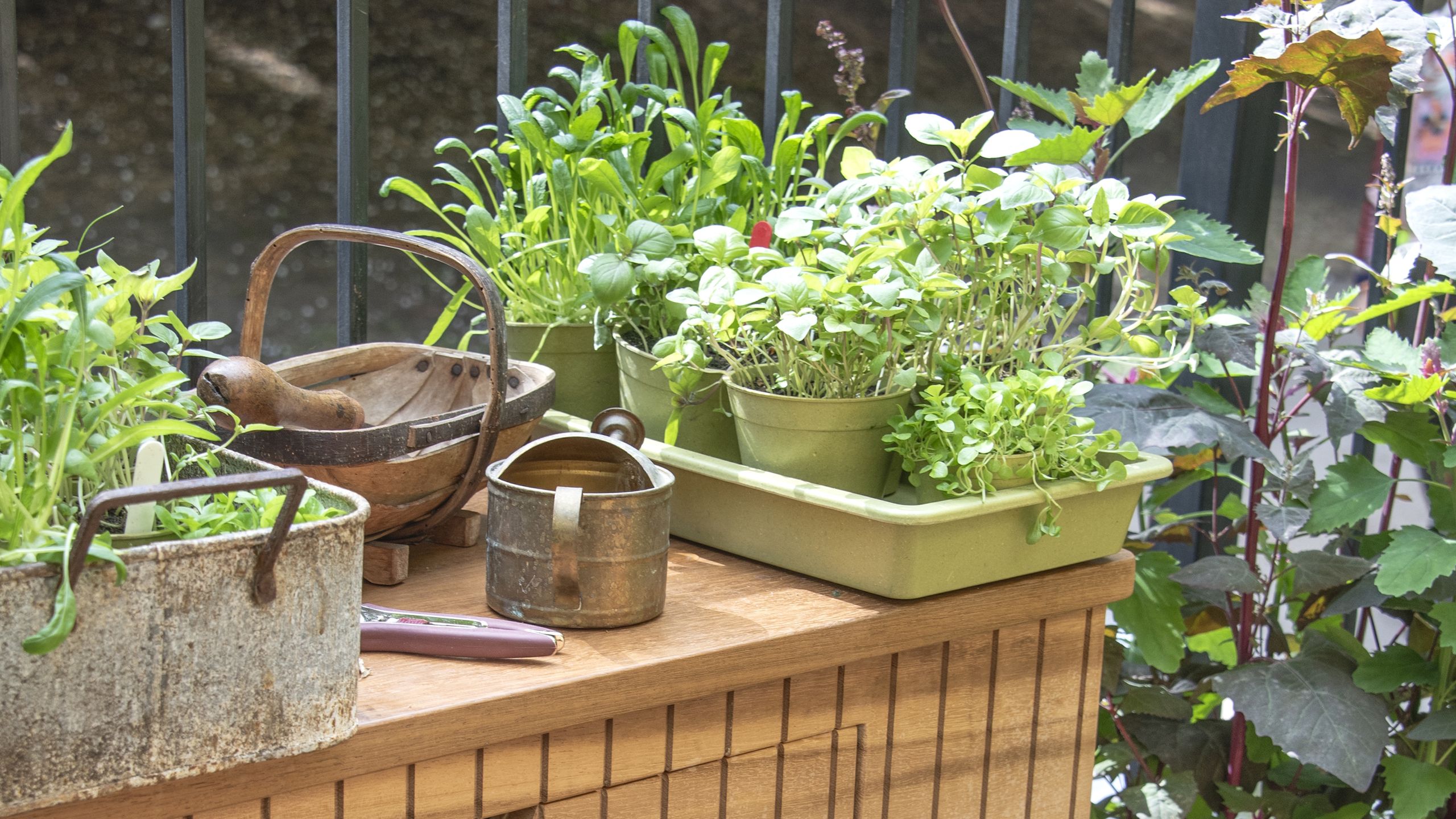
Chief among these natural defenses is the strategic indoor cultivation of strong-scented, aromatic culinary herbs. By introducing specific potted plants onto kitchen windowsills or into compact, self-watering planters, homeowners can harness the power of natural essential oils. The pungent, herbaceous chemical compounds that make these plants prized additions to gourmet cooking also act as organic, sensory deterrents to fruit flies, driving them away without the need for harsh synthetic aerosols or chemical insecticides.
2. Chronology: The Lifecycle of a Kitchen Infestation and the Intervention Timeline
Understanding when and why fruit flies appear is critical to deploying an effective botanical defense. The timeline of a typical late-summer infestation follows a predictable ecological path:
- Mid-Summer (July): Ambient indoor and outdoor temperatures peak. Homeowners bring home fresh summer harvests—peaches, plums, tomatoes, and melons—whose skins harbor microscopic fruit fly eggs deposited by foraging adults.
- Late Summer (August): This is the critical tipping point. High humidity and warmth accelerate the fruit fly lifecycle. A single female fruit fly can lay up to 500 eggs on the surface of fermenting or overripe produce. These eggs hatch into larvae within 24 to 30 hours, feed on the decaying matter, and emerge as fully mature, breeding adults in as little as 8 to 10 days.
- Early Intervention Phase: Recognizing the initial appearance of adult fruit flies before an exponential population explosion occurs. This is the optimal window to clear out vulnerable foodstuffs, scrub kitchen surfaces with vinegar or soapy water, and establish potted aromatic herbs near high-risk zones like fruit bowls and sinks.
- Autumn Maintenance (September–October): As outdoor temperatures drop, surviving fruit flies seek indoor shelter. Maintaining established indoor culinary herbs ensures a continuous, year-round barrier while providing a fresh source of seasoning for autumn and winter culinary dishes.
3. Supporting Data & Expert Insights: The Top Five Herbs to Deter Fruit Flies
To maximize the biological repellent effect in the kitchen, gardening experts recommend focusing on five powerhouse herbs. Each contains specific chemical constituents that overwhelm a fruit fly’s sensitive olfactory receptors.

Basil (Ocimum basilicum)
Rebecca Sears, Chief Marketing Officer and resident green thumb for the Green Garden family of brands (including Ferry-Morse), highlights basil as an absolute essential. "One of my must-have herb recommendations is basil, as it’s easy to grow and provides fresh, sweet, and spicy leaves for your favorite meals throughout the season," Sears explains. "Its strong aroma can not only help your kitchen smell great, but it can also help repel fruit flies."
- Care & Cultivation: Basil thrives in bright, sunny kitchen windows. Soil should be maintained at a pH of 6.0 to 7.5—easily monitored via simple home soil test kits—and kept consistently moist without becoming waterlogged.
- Pro-Tip: Regular harvesting and pruning not only yields delicious foliage for cooking but actively encourages denser plant growth, which in turn releases higher volumes of natural aromatic oils into the kitchen air.
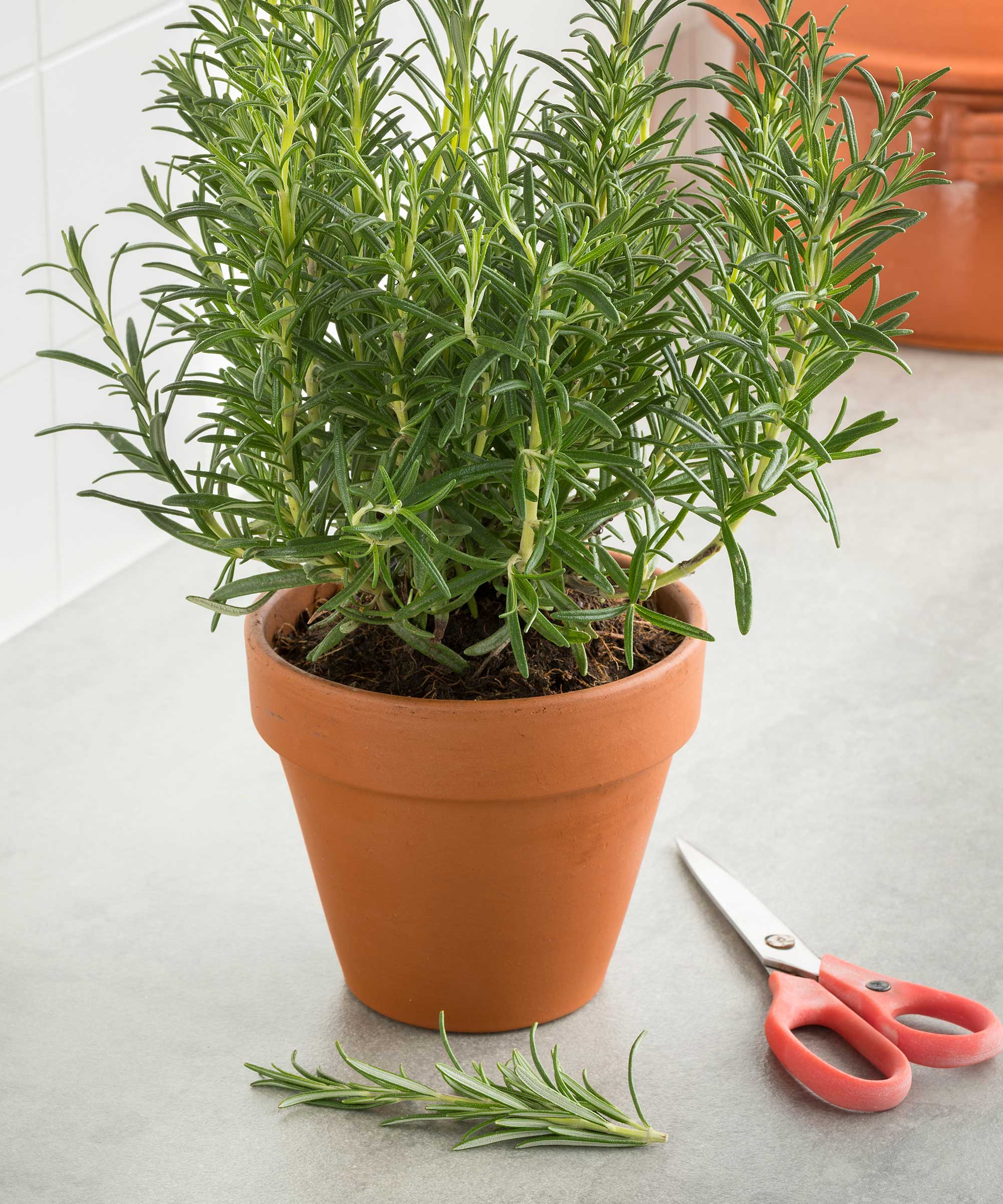
Rosemary (Salvia rosmarinus)
A staple of Mediterranean cuisine, rosemary is celebrated for its needle-like foliage and intensely woody, pine-forward fragrance.
- Care & Cultivation: Because it is a native Mediterranean shrub, rosemary demands free-draining soil and excellent pot drainage. Sitting in waterlogged compost will quickly rot its root system. It prefers maximum sunlight.
- Pro-Tip: Beyond growing it in a pot, cutting fresh sprigs and hanging them in bundles near windows or doorways creates a rustic farmhouse aesthetic while doubling the pest-repelling scent throw. Varieties with exceptionally high oil concentrations, such as the Southern Living® Chef’s Choice® Rosemary, offer maximum defense.
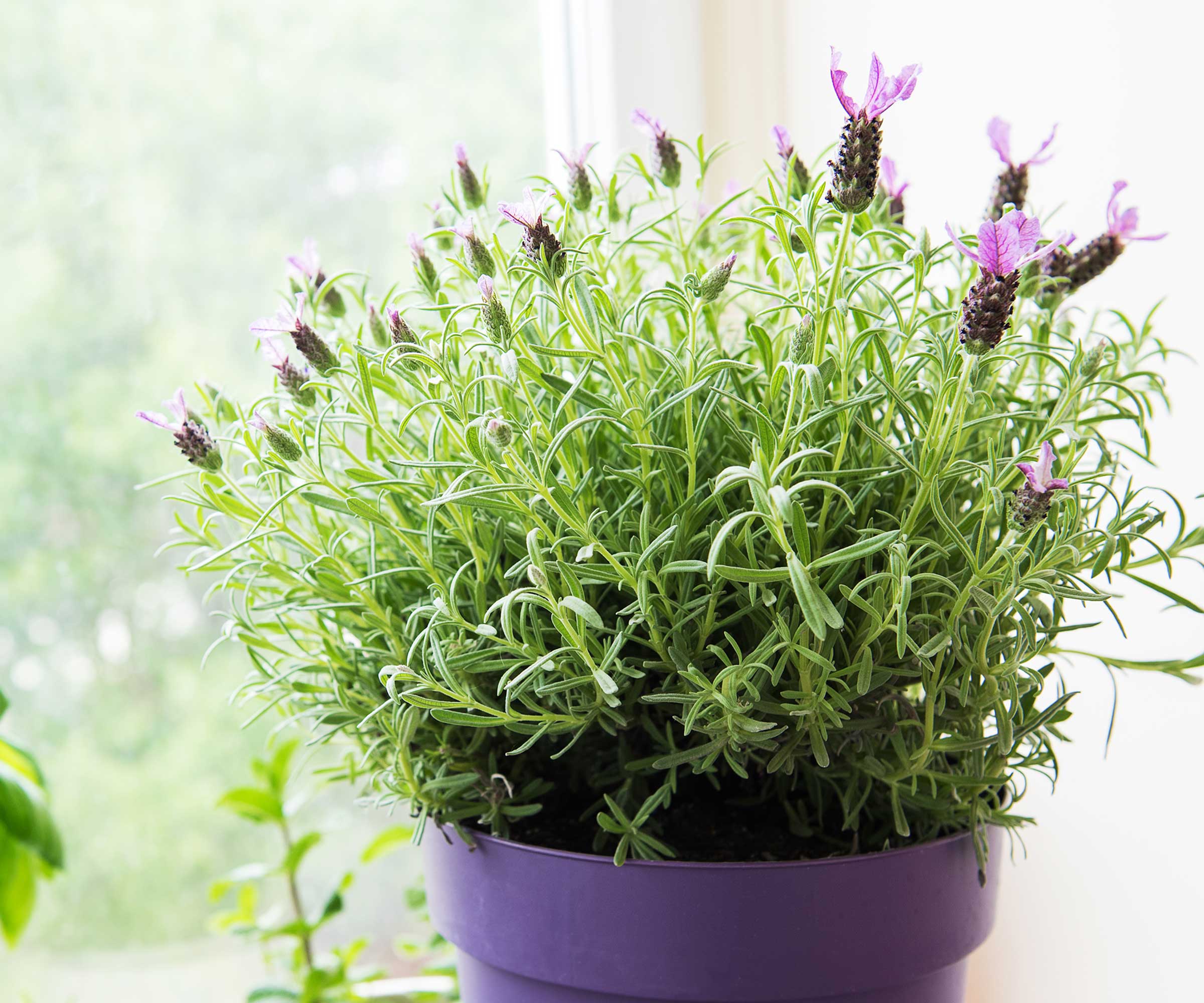
Lavender (Lavandula)
Lavender’s legendary fragrance is driven by complex chemical compounds concentrated in its leaves and flowers, specifically linalool and linalyl acetate.

- Expert Commentary: According to Rebecca Sears, "While this distinctive scent is pleasant to many humans, it’s too strong for fruit flies and acts as a natural repellent."
- Care & Cultivation: Lavender requires high levels of direct sunlight and lean, well-draining soil. Gardeners should water it sparingly, allowing the potting mix to dry out thoroughly between waterings. Compact cultivars like ‘Hidcote’ or ‘Sensational!’ lavender are ideally suited for indoor window boxes or sunny countertops.
Sage (Salvia officinalis)
With its soft, velvety grey-green leaves and earthy, savory flavor profile, sage is a favorite for autumn and holiday roasts.
- Care & Cultivation: Like rosemary and lavender, sage is drought-tolerant once established and detests overly wet roots. It flourishes on bright, sun-drenched windowsills.
- Ecological Bonus: In addition to its culinary and pest-deterring properties, sage produces lovely blue-purple flowers in summer that attract beneficial pollinators if grown in transitional indoor-outdoor spaces.
Peppermint (Mentha × piperita)
The sharp, menthol-heavy aroma of peppermint is universally abhorred by a wide array of household pests, including fruit flies, ants, and spiders.
- Care & Cultivation: Mint is notoriously vigorous. "Peppermint spreads horizontally, so choose a wide pot with good drainage to provide your plant with ample space," advises Rebecca Sears. Unlike Mediterranean herbs, mint appreciates moderately humid environments and soil that remains consistently moist (though never soggy). It is an ideal plant for beginner gardeners and doubles as a source for fresh homemade herbal teas.
4. Official Responses and Industry Best Practices
Horticultural extension agents and professional pest management organizations emphasize that while botanical deterrents are a fantastic chemical-free addition to a home, they must be part of an integrated pest management (IPM) approach.
According to green-industry guidelines, relying solely on a plant’s aroma without addressing the root cause of an infestation will yield limited results. Official best practices recommended by agricultural authorities include:
- Source Elimination: Inspect all incoming produce from supermarkets or farmer’s markets. Wash fruit immediately upon bringing it home to remove potential insect eggs.
- Airtight Storage: Store ripe fruits in the refrigerator or inside sealed, breathable containers rather than leaving them exposed in open-air bowls during peak fly seasons.
- Sanitation Protocols: Wipe down sticky juice residue on counters, scrub out recycling bins where sugary beverage cans are stored, and rinse sink drains with boiling water and vinegar solutions to eliminate organic slime layers where fruit flies breed.
5. Implications: Aesthetic, Culinary, and Environmental Benefits
Integrating aromatic herbs into the kitchen space for pest control yields far-reaching benefits that extend well beyond simply eliminating annoying insects.
From an aesthetic standpoint, a row of vibrant terracotta pots or modern self-watering planters filled with cascading mint, silvery sage, and deep green basil brings life, texture, and organic warmth to utilitarian kitchen spaces. It bridges the gap between interior design and practical living.
From a culinary perspective, having fresh herbs measured arm’s length from the stove transforms everyday cooking. Home cooks are far more likely to experiment with fresh flavors when ingredients are actively growing on the windowsill rather than sitting in plastic clamshells in the crisper drawer, which frequently result in food waste.
Finally, the environmental implications are significant. By substituting chemical room sprays, synthetic flying-insect killers, and plastic-wrapped deterrents with living plants, households reduce their reliance on petrochemicals and single-use plastics. Cultivating indoor herbs empowers individuals to adopt sustainable, biological solutions to everyday household challenges, proving that nature often provides the most elegant remedies right in our own backyards—or windowsills.
