By: Global Energy & Infrastructure Desk Published: August 2026
Main Facts
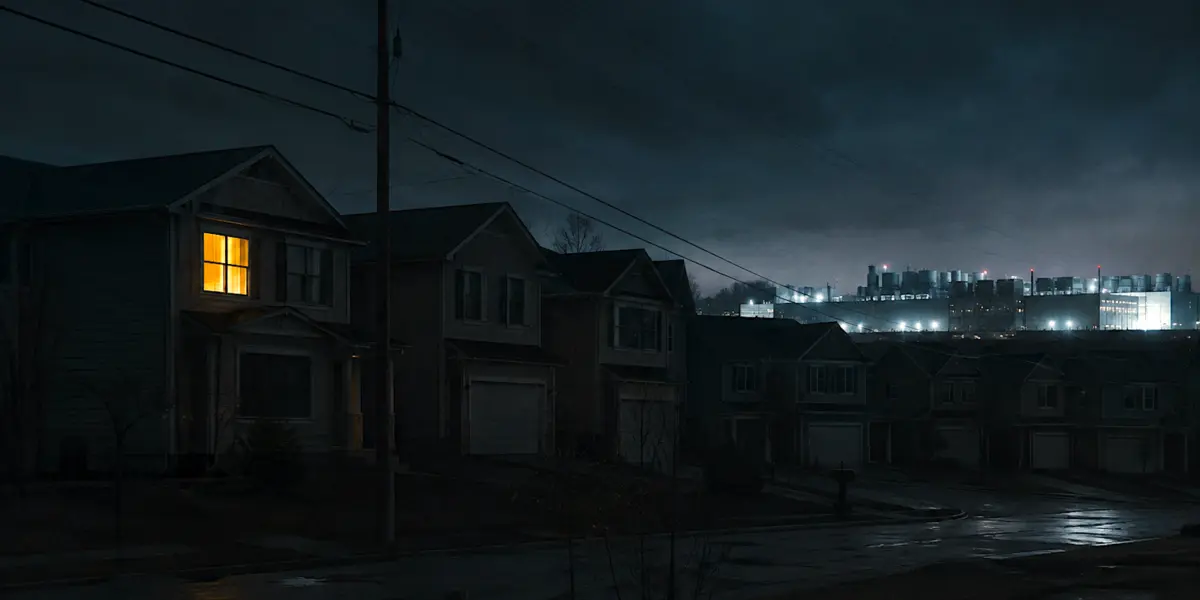
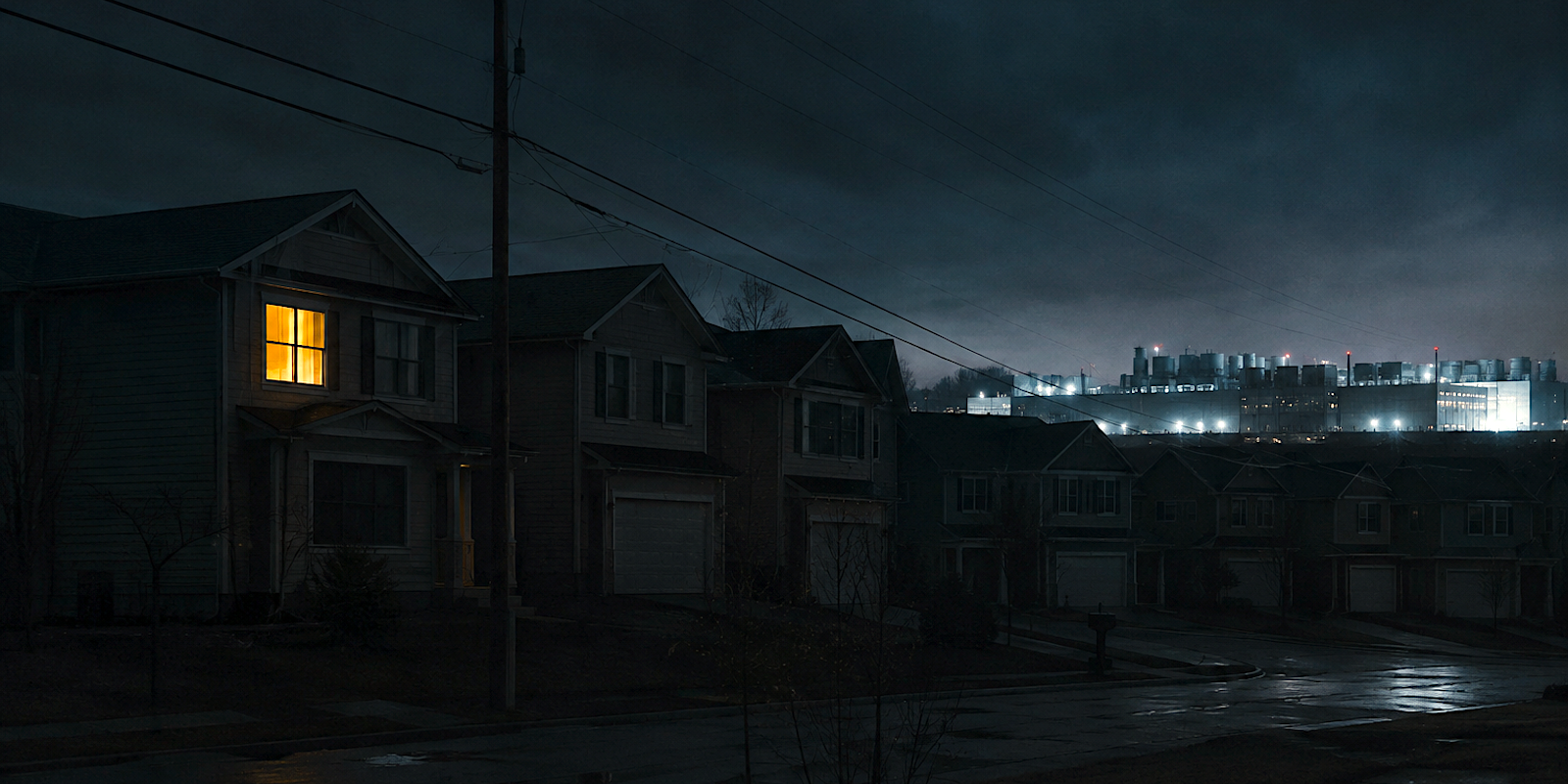
Nearly two weeks after a catastrophic summer derecho swept through the Midwest, tens of thousands of residents in Gary, Indiana, found themselves trapped in a prolonged, debilitating blackout. While local utility providers struggled to regain their footing and offered a steady stream of logistical excuses, another set of local landmarks remained entirely unaffected.
Throughout the blackouts, the sprawling corporate and AI data centers humming quietly across the region never lost power. Built on redundant, high-priority grid architectures, these facilities operated under a rigid, foundational assumption: the power must stay on.
For the human residents outside those corporate gates, however, the reality was starkly different. Children missed weeks of school, remote and local workers lost wages, traffic signals were reduced to pitch-black hazards, and vulnerable populations struggled without refrigeration for medication. The disaster laid bare a glaring modern disparity: when the grid buckles under extreme weather, corporate infrastructure is shielded, while residential communities are left to wait at the back of the line.
Chronology of the Crisis
August 11, 2026: The Storm Hits
A violent summer derecho—a widespread, straight-line wind storm often referred to as an inland hurricane—tore through Northwest Indiana. Initial reports from regional utility provider Northern Indiana Public Service Company (NIPSCO) revealed that approximately 370,000 customers were instantly plunged into darkness. Downed trees crushed power lines, shattered utility poles, and completely paralyzed local transit networks.
August 11 – August 19, 2026: The Waiting Game
As days bled into weeks, neighboring cities began to see flickering lights return, but vast swaths of Gary remained entirely dark. Social media platforms quickly became digital town halls where frustrated residents documented the crisis.
Writing for Ebony, Sherdell Baker highlighted the compounding human toll:
"As a result of there being no power, children have not been in attendance at school and some workers have not been able to work… In addition to having to drive in pitch-black darkness."
By August 20, NIPSCO reported that more than 63,000 customers were still disconnected. The prolonged timeline ignited public outrage, with residents drawing uncomfortable comparisons between their dark neighborhoods and the brilliantly lit, continuously humming data centers stationed nearby. Local content creators, including Instagram personality victoria_phd, posted viral video breakdowns questioning why corporate technological hubs maintained uninterrupted power while human families went weeks without basic electricity.
Late August 2026: Restoration and Reckoning
By the final week of August, NIPSCO announced that service had been restored to "nearly all" Gary residents. Yet, the flick of a light switch did little to quell the underlying anger. Communities began mobilizing, demanding formal town halls and official inquiries into utility prioritization, infrastructure resilience, and the rapid, unchecked proliferation of data centers in their neighborhoods.
Supporting Data: The Strain on the American Grid
The crisis in Gary, Indiana, is not an isolated anomaly; it is a preview of systemic vulnerabilities threatening the entire North American power grid. Extreme weather events are accelerating in frequency and severity. According to climate scientists and energy analysts, major grid-shattering weather events—ranging from wildfires and ice storms to heat domes and derechos—have become monthly occurrences rather than generational anomalies.
At the same time, electrical demand is skyrocketing, driven largely by the massive energy footprint of artificial intelligence and digital data storage.
The AI Surge: According to projections by the International Energy Agency (IEA), AI data centers are expected to triple their share of US electricity consumption, surging from 4.4% in 2023 to 12% by 2028. Last year alone, data centers accounted for half of all US electricity demand growth.
Regional Overload: In states like Virginia, data centers already consume more than one out of every four kilowatt-hours generated statewide.
The Consumer Cost: The downstream impact on residential ratepayers is direct and punishing. Dominion Energy in Virginia recently proposed its first base-rate increase since 1992—adding roughly $8.51 per month to residential bills—largely driven by the heavy infrastructure upgrades required to support corporate data center loads.
National Inflation: Nationally, average residential electricity rates hit 17.45 cents per kWh, marking a staggering 9.5% year-over-year increase that far outpaces standard consumer inflation.
Kristina Zagame, Senior Researcher of Electrification at EnergySage, emphasizes the urgent need for individual preparedness in the face of these systemic strains:
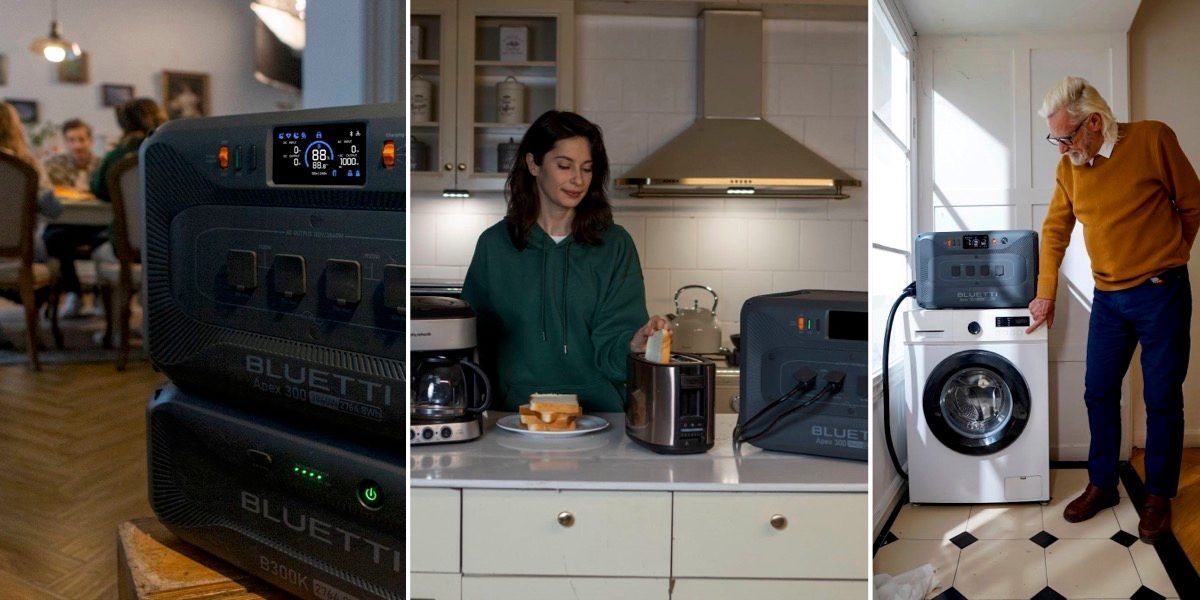
"Extended outages like the one in Northwest Indiana show why backup power matters. A battery system can keep essentials like refrigeration, lights, medical equipment, and communications running when the grid goes down. Homeowners should compare their options and choose a system designed around what their family truly needs to power."
Official Responses and Public Accountability
As local news outlets like WGN covered the unfolding disaster, community leaders and elected officials faced immense pressure to address the disparity in how utilities allocate emergency resources.
Public sentiment has converged around a central question: Why do local governments and utility monopolies readily offer multi-million-dollar tax breaks, fast-tracked zoning permits, and robust infrastructure guarantees to incoming tech corporations, while failing to secure basic water and electrical resilience for the taxpayers they swore to serve?
NIPSCO officials defended their restoration protocols by pointing to the sheer physical devastation left in the wake of the derecho, noting that high-voltage transmission lines and major substation repairs must be prioritized before localized residential lines can be re-energized. However, critics point out that this technical defense fails to explain why commercial data centers—which utilize dedicated, heavily insulated sub-grids and priority feeders—remared untouched while families sat in 90-degree summer heat without air conditioning or safe drinking water.
Broader Implications: The Future of Energy Equity
The blackout in Gary serves as a stark case study in the intersection of climate change, corporate tech expansion, and social equity.
1. The Fragility of Centralized Grids
Centralized utility grids were designed for a 20th-century economy. They are increasingly ill-equipped to handle the dual pressures of 21st-century climate chaos and exponential power demands from server farms. When a major storm hits, the existing infrastructure proves too brittle to bend without breaking completely.
2. The Rise of Decentralized Resilience
In response to recurring blackouts, consumers are increasingly taking matters into their own hands. Industry data shows a massive surge in demand not just for residential solar panels, but specifically for home battery backup systems (such as Tesla Powerwalls, Bluetti portable stations, and Enphase systems). What was once considered a luxury for off-grid enthusiasts is rapidly becoming an essential form of household insurance.
3. Energy Justice and Corporate Priority
Perhaps the most enduring legacy of the Gary power crisis is the conversation around energy justice. When critical infrastructure is partitioned to favor corporate data processing over human habitation, it raises profound ethical questions about whose survival the modern economy prioritizes.
As climate policies face political headwinds and corporate lobbying continues to push for environmental deregulation, the burden of a failing grid falls squarely on the shoulders of everyday citizens. For the residents of Gary, Indiana, the lights are finally back on—but the dark reality of how easily they were abandoned remains illuminated for all to see.