

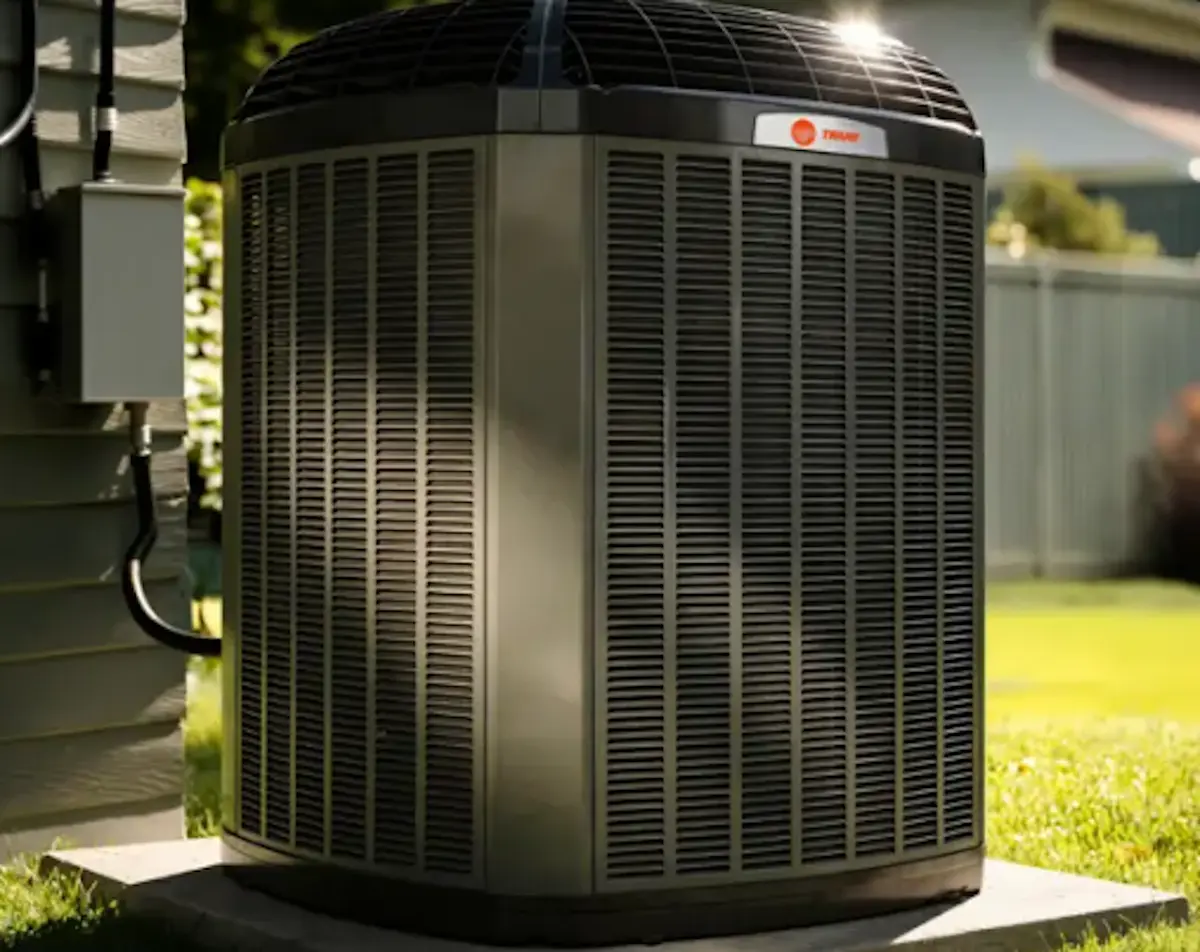
For decades, the metric by which residential heating, ventilation, and air conditioning (HVAC) systems were judged was almost exclusively efficiency. Homeowners pored over Seasonal Energy Efficiency Ratio (SEER) ratings, Annual Fuel Utilization Efficiency (AFUE) percentages, and utility rebate qualifications, all in an effort to shave dollars off their monthly energy bills.
Today, however, the paradigm of home comfort has fundamentally shifted. While energy efficiency remains a baseline expectation, "quiet" has officially emerged as the new measure of luxury. Driven by shifting architectural trends, denser suburban and urban housing developments, and the reality of more people working from home, modern homeowners are placing unprecedented emphasis on the acoustic footprint of their climate control equipment.
This transformation is reshaping how manufacturers engineer residential systems, how contractors approach sales and system design, and what buyers demand from premium HVAC investments.
Main Facts: The Acoustic Shift in Home Climate Control
The modern HVAC landscape is experiencing a convergence of high performance and low decibel levels. Historically, homeowners had to accept a trade-off: powerful heating and cooling meant dealing with the loud, abrasive roar of a single-stage compressor cycling on and off at full capacity.
Today, advanced engineering has largely erased that compromise. Manufacturers are leveraging variable-speed fan motors, variable-capacity compressors, aerodynamic fan blade designs, sound-dampening cabinet materials, and smart controls to deliver whisper-quiet operations alongside top-tier efficiency ratings.
Key drivers behind this market evolution include:

- Architectural Shifts: Modern homes are frequently built on smaller, denser lots, placing outdoor condensing units mere feet away from neighboring properties, bedroom windows, and outdoor living spaces like patios and decks.
- Lifestyle Changes: The rise of remote and hybrid work means more people are inside their homes during the day, making background noise a critical factor in daily concentration, relaxation, and overall peace of mind.
- Technological Innovation: The integration of inverter-driven compressors and variable-speed capabilities allows systems to "modulate" their output, running at lower speeds for longer periods rather than aggressively cycling, which drastically reduces noise levels.
Chronology: From Efficiency-Only to Acoustic Awareness
To understand how quiet operation became a dominant selling point, it helps to examine the timeline of residential HVAC priorities over the past generation.
- Late 20th Century (The Era of Raw Power): HVAC systems were primarily evaluated on basic functionality and brute-force capacity. Efficiency regulations were less stringent, and sound mitigation was rarely marketed to consumers unless they purchased specialized, expensive commercial-grade hardware.
- The 2000s to 2010s (The Efficiency Boom): Driven by rising energy costs and federal efficiency mandates (such as rising baseline SEER requirements), the market focused heavily on lowering utility consumption. Two-stage equipment began entering the mainstream, offering slight acoustic improvements, but noise remained a secondary consideration compared to utility rebates.
- The Late 2010s to 2020 (The Outdoor Living Revolution): As homeowners began investing heavily in outdoor kitchens, patios, and deck spaces, complaints regarding noisy outdoor condensers spiked. Simultaneously, compact housing developments meant outdoor units were placed closer to windows, making noise pollution an immediate residential concern.
- 2020 to Present (The Work-From-Home and Inverter Era): The COVID-19 pandemic permanently shifted lifestyle habits, keeping millions of Americans indoors for work and leisure. The widespread adoption of variable-speed and inverter-driven heat pumps, coupled with strict upcoming refrigerant and efficiency standards, has cemented quiet operation as a core component of overall indoor environmental quality.
Supporting Data and Technical Realities
Eliminating the traditional trade-off between efficiency and quiet operation required significant leaps in engineering and physics. Modern equipment handles acoustic management through multiple integrated design parameters:
- Decibel Ranges: Advanced variable-speed air conditioners, such as the Trane 20 TruComfort, can modulate their cooling output while operating within a remarkably quiet noise range of 55 to 76 dBA, depending on current system load.
- The Physics of Venting and Airflow: According to industry experts, high-efficiency boilers and furnaces introduce unique acoustic considerations. Smaller vent diameters or overly restrictive vent runs can increase sound levels due to accelerated air velocity and system pressure.
- Inverter Pitch and Perception: While inverter-driven heat pumps are objectively quieter than legacy systems, they produce a distinct sound profile during peak demand. Because they ramp up differently than single- or two-stage units, the resulting sound—though not necessarily loud—can surprise homeowners who are accustomed to traditional mechanical roars. Sound, after all, is entirely subjective, and human ears react differently to varying pitches, tones, and frequencies.
Official Responses: Insights From Industry Leaders
Manufacturers and seasoned contractors are seeing this cultural and technical shift firsthand across the North American market.
Scott Merritt, former owner of Fire & Ice Heating and Air Conditioning in Columbus, Ohio, notes a radical change in what customers ask for during consultations.
"People used to mainly ask about efficiency and rebates," Merritt explains. "Now they’re saying things like, ‘I don’t want to hear the unit when I’m on the patio’ or ‘Our neighbors are really close; will this thing bother them?’ Newer homes and outdoor living spaces have made noise a bigger concern."
Joanna Buglewicz of Green Valley Cooling and Heating in Mesa, Arizona, emphasizes the impact of changing daily routines.

"Homeowners are becoming more aware of noise levels, especially as more people work from home and spend additional time indoors," she says. "Quiet operation has become an increasingly important part of the overall comfort conversation."
From the manufacturing perspective, Nick Orth, director of product management at Lennox, highlights the spatial challenges of modern suburban planning.
"Today’s buyers increasingly expect premium HVAC systems to deliver both high efficiency and exceptionally quiet operation," Orth notes, pointing out that variable-speed fan motors, refined fan blades, and variable-capacity compressors have had the most transformative impact on dampening noise.
Mark Woodruff, senior product manager for air conditioners at Trane, echoes this sentiment, stating that consumers now prioritize a holistic package.
"Homeowners are increasingly looking for systems that deliver more than just cooling. They’re prioritizing higher energy efficiency, quieter operation, connected technology, and products designed with sustainability in mind."
Ross Brawner, product manager at Lochinvar, stresses that acoustics must be evaluated early in the product design lifecycle to protect end-user satisfaction.

"Our goal is to deliver the best possible experience for the end user," Brawner says. "Even if a unit is easy to install and operates efficiently and reliably, excessive noise can negatively impact occupant comfort and overall satisfaction."
Installation: Why Design and Placement Still Trump Equipment Specs
While manufacturers continue to engineer quieter hardware, industry experts issue a unified warning: Equipment design alone cannot guarantee quiet operation.
Even the most advanced, whisper-quiet condensing unit or boiler can become a massive acoustic nuisance if it is improperly sized, poorly placed, or connected to restrictive ductwork and venting.
1. Equipment Placement is Everything
Scott Merritt points out that real-world placement often dictates a homeowner’s perception of sound.
"A quiet unit placed too close to a bedroom window or a deck can still drive the homeowner crazy," Merritt warns. "We spend a lot of time talking through placement options with customers. Sometimes we have to get creative with screening, distancing from living areas, or even using a little extra line set to move the condenser. Good placement can make a moderate-noise unit acceptable; bad placement can ruin a premium quiet one."
In retrofit applications, technicians like Joanna Buglewicz often take extra steps, such as rerouting or replacing refrigerant line sets, to eliminate mechanical vibrations that travel through building walls and into living areas.

2. The Ductwork and Venting Challenge
Older homes frequently feature undersized or poorly designed duct systems. While modern variable-speed equipment can dynamically respond to airflow restrictions, forcing high-volume air through a choked duct system inherently generates turbulence and noise.
Similarly, in high-efficiency boiler installations, vent sizing, routing, and termination points—whether exiting through a sidewall or the roof—drastically influence perceived noise. Thoughtful up-front design prevents annoying sound transmission and eliminates costly callbacks.
Implications: A New Era for Contractors and the Market
The rise of the "quiet home" carries profound implications for the HVAC industry at large:
- Shifting Sales Conversations: Contractors are no longer anchored in a race to the bottom based purely on equipment price tags. By focusing on acoustics, indoor air quality, and variable-speed comfort, contractors can position themselves as holistic indoor environmental consultants rather than mere commodity installers. Customers who have suffered through the roar of a loud, single-stage unit are routinely willing to pay a premium to reclaim their peace and quiet.
- Higher-Margin Opportunities: Selling on the total comfort experience—efficiency, longevity, smart controls, and sound mitigation—supports higher-margin installations and deepens customer trust.
- Future Regulatory Pressures: As federal efficiency mandates tighten and low-GWP (Global Warming Potential) refrigerant transitions continue to reshape equipment architecture, quiet operation will transition from a "premium feature" to the baseline industry standard.
The Bottom Line
As residential lots shrink and outdoor living spaces expand, the definition of a comfortable home has evolved. True comfort is no longer felt solely on the skin via a stable thermostat reading; it is also heard in the comforting absence of mechanical noise. For contractors and manufacturers alike, understanding this acoustic evolution is no longer optional—it is the key to thriving in the modern residential market.
