

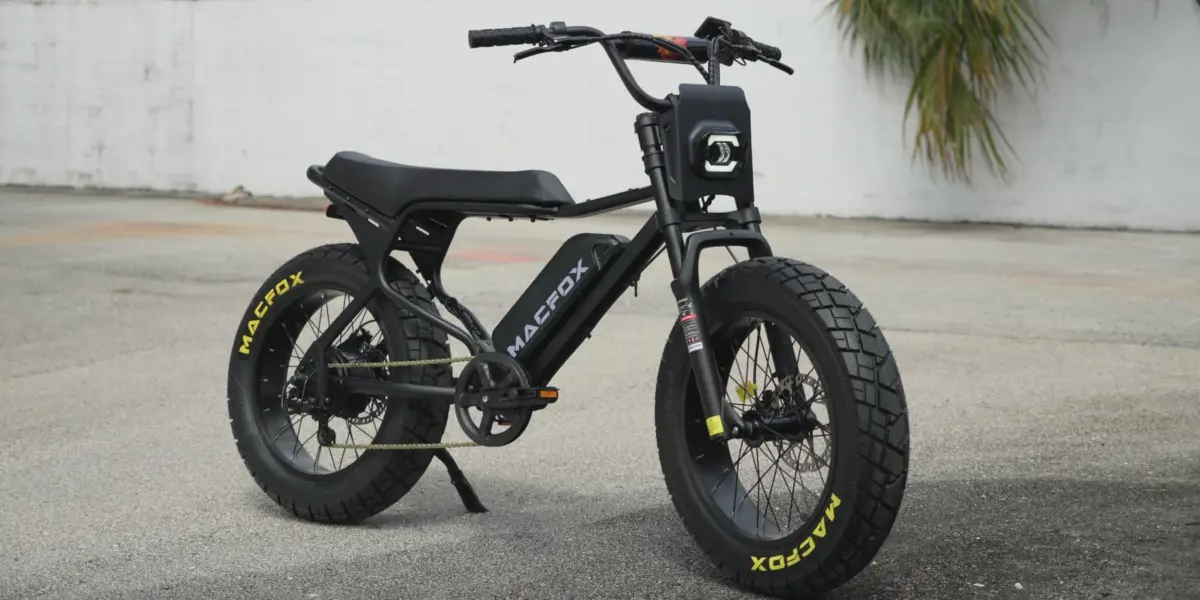
CHICAGO — The regulatory wild west of high-speed electric micromobility has officially met its match in the Midwest. Illinois has signed a sweeping, comprehensive piece of legislation designed to untangle the chaotic and rapidly expanding market for high-powered electric two-wheelers. Governor JB Pritzker has signed Senate Bill 3484 into law as Public Act 104-0854, bringing much-needed statutory clarity to machines that have long occupied a legal "grey zone."
However, while the law establishes a theoretical pathway to street legality for 35-to-40 mph "e-bikes" and "e-motos," it simultaneously creates a bureaucratic paradox. By treating these high-powered machines like traditional motor vehicles, the state may have inadvertently locked current owners out of compliance, setting up a high-stakes standoff between consumer habits, federal safety standards, and state law.
The Main Facts: Redefining the Two-Wheeled Spectrum
For years, the term "e-bike" has functioned as a catch-all vocabulary bucket, applied indiscriminately to children’s electric-assisted bicycles, commuter pedal-assist cruisers, and full-sized electric motorcycles manufactured by industry heavyweights like Zero and Harley-Davidson.
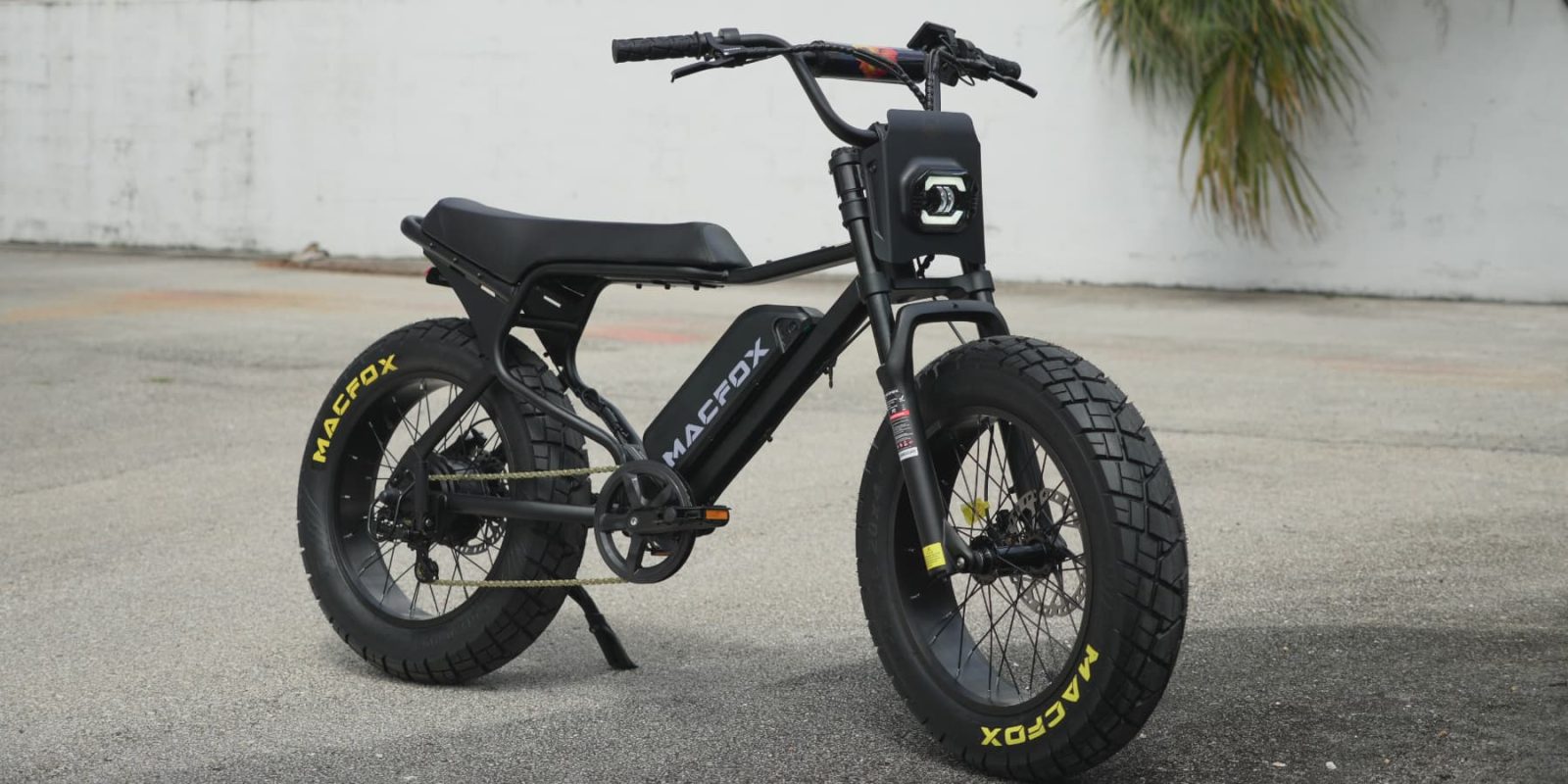
To bring order to this linguistic and regulatory chaos, most U.S. states have adopted a three-tier classification system for traditional "low-speed electric bicycles":
- Class 1: Pedal-assist only, with a maximum speed of 20 mph (32 km/h).
- Class 2: Throttle-assisted, with a maximum speed of 20 mph (32 km/h).
- Class 3: Pedal-assist up to 28 mph (45 km/h).
These traditional classes are universally accepted for use on public streets, bike lanes, and multi-use paths. But the market didn’t stop at 28 mph. Over the last several years, direct-to-consumer online storefronts have flooded the market with affordable, heavy-duty, throttle-heavy machines—frequently styled like vintage mopeds or dirt bikes—with nominal motor outputs ranging from 1,500W to 3,000W and top speeds touching 35 to 40 mph (56 to 64 km/h).
Widely dubbed "e-motos," these vehicles technically exceed the legal definition of an electric bicycle. While they are legally classified as off-road-only vehicles in most jurisdictions, thousands of riders routinely operate them on public asphalt, bike lanes, and sidewalks, creating growing friction with pedestrians, traditional cyclists, and municipal law enforcement.
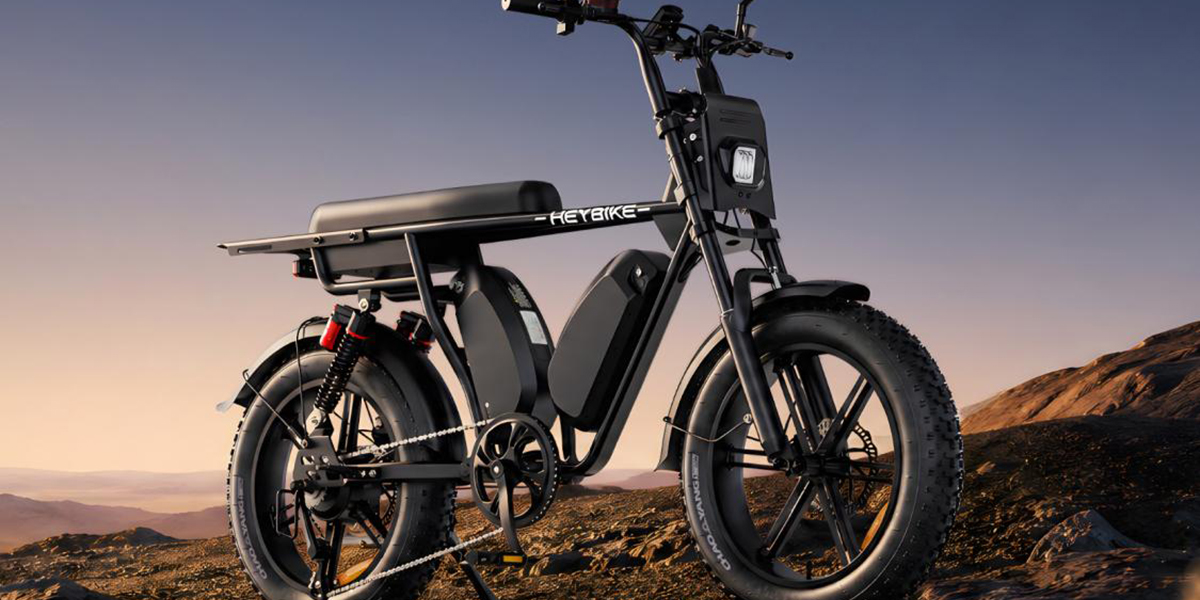
Under Illinois’ new legislation, the state is drawing a hard legal line. Devices featuring nominal motor ratings above 750W and up to 8,000W are now categorized as "electric motor-driven cycles." Under the new statute, these machines are legally permitted on public roads—provided their operators register, title, and insure them just like a motorcycle, complete with a valid driver’s license. Furthermore, they are strictly prohibited from utilizing sidewalks, bicycle paths, or dedicated bike lanes.
Chronology of a Regulatory Shift: From Bill to Law
The journey toward SB 3484 reflects a legislative response that has been years in the making as municipalities across the country grappled with surging e-bike sales and mounting safety concerns.
- Late 2023 – 2025: The direct-to-consumer e-bike market experienced explosive growth, with brands heavily marketing sub-$1,500 models capable of speeds exceeding 35 mph. Local law enforcement agencies in Illinois reported increasing confusion over how to ticket or regulate riders operating these unregistered, high-speed machines on public infrastructure.
- Early 2026: Lawmakers in the Illinois General Assembly drafted Senate Bill 3484, aiming to create a comprehensive framework that acknowledged the evolution of electric micromobility without compromising roadway safety.
- May – June 2026: The bill moved steadily through the legislative chambers, sparking intense debate among micromobility advocates, transit safety groups, and consumer safety organizations.
- June 2026: Governor JB Pritzker officially signed SB 3484 into law as Public Act 104-0854.
- January 1, 2027: The official effective date for the new rules, giving manufacturers, retailers, and consumers a roughly six-month grace period to digest the sweeping changes.
Supporting Data and Technical Realities
The core philosophy of Public Act 104-0854 is simple: if a vehicle performs like a motor-driven cycle, it should be regulated like one. On paper, this is a pragmatic compromise. It keeps high-speed, heavy electric bikes off pedestrian walkways and bicycle infrastructure, where their weight and velocity present severe safety hazards.
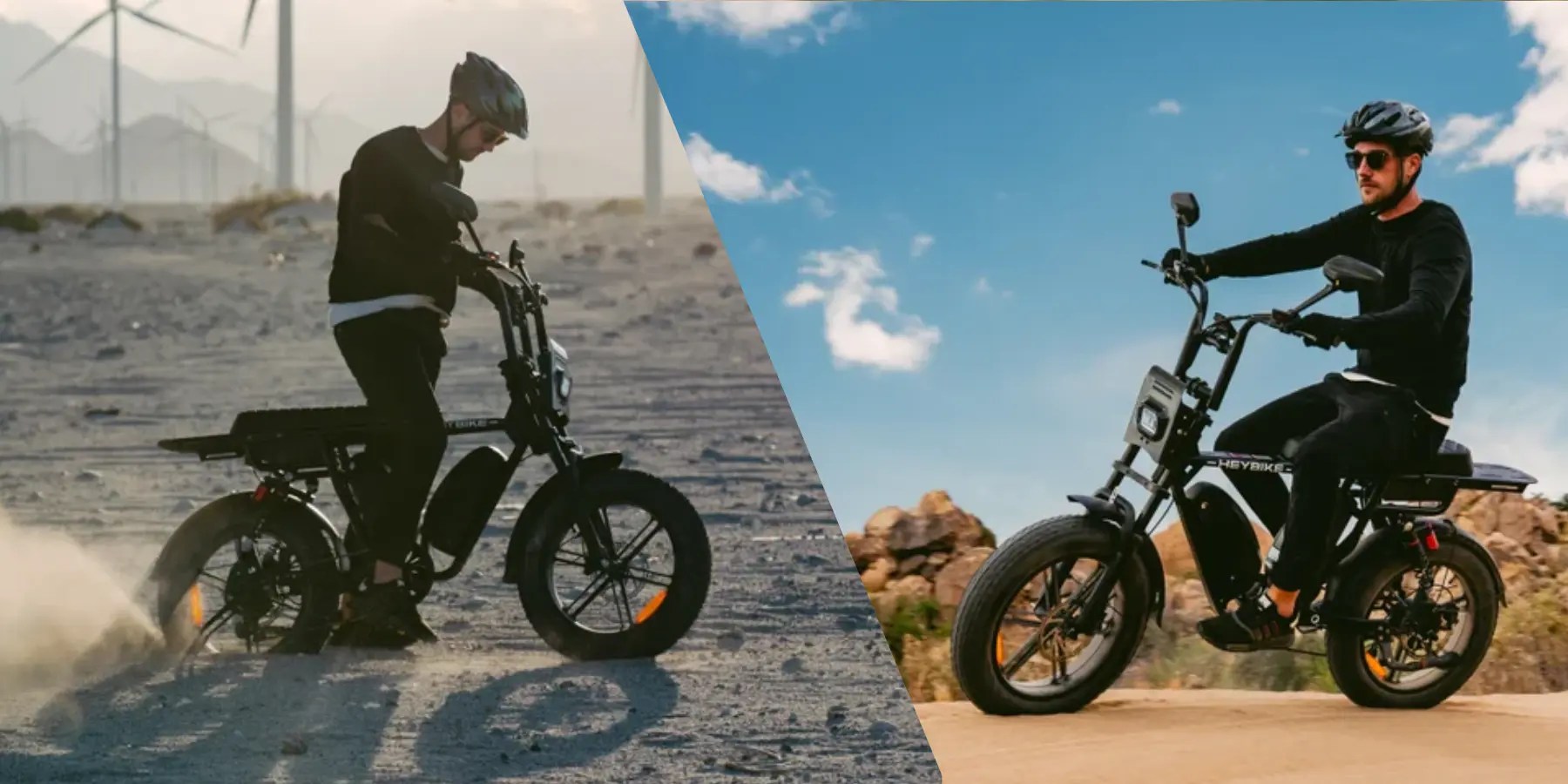
However, the statistical and logistical reality of the current e-bike fleet tells a different story. According to industry estimates, the vast majority of the hundreds of thousands of high-powered e-bikes currently circulating in the United States share specific traits:
- Power Output: Typically ranging between 1,000W and 3,000W (well above the federal 750W e-bike threshold).
- Top Speeds: Capable of sustained speeds between 35 and 40 mph.
- Documentation: Equipped with a basic factory frame serial number, but completely lacking a 17-digit National Highway Traffic Safety Administration (NHTSA)-compliant Vehicle Identification Number (VIN).
This technical discrepancy forms the bedrock of the law’s primary implementation hurdle. Illinois law explicitly mandates that any vehicle seeking a certificate of title under the "electric motor-driven cycle" provisions must possess a verified VIN. Moreover, the statute stipulates that if the vehicle was not properly manufactured or equipped for general highway use, it is completely ineligible for registration.
Official Responses and Industry Implications
The signing of SB 3484 has sent shockwaves through the micromobility sector, eliciting a complex mix of praise and profound frustration from retailers, safety advocates, and legal experts.
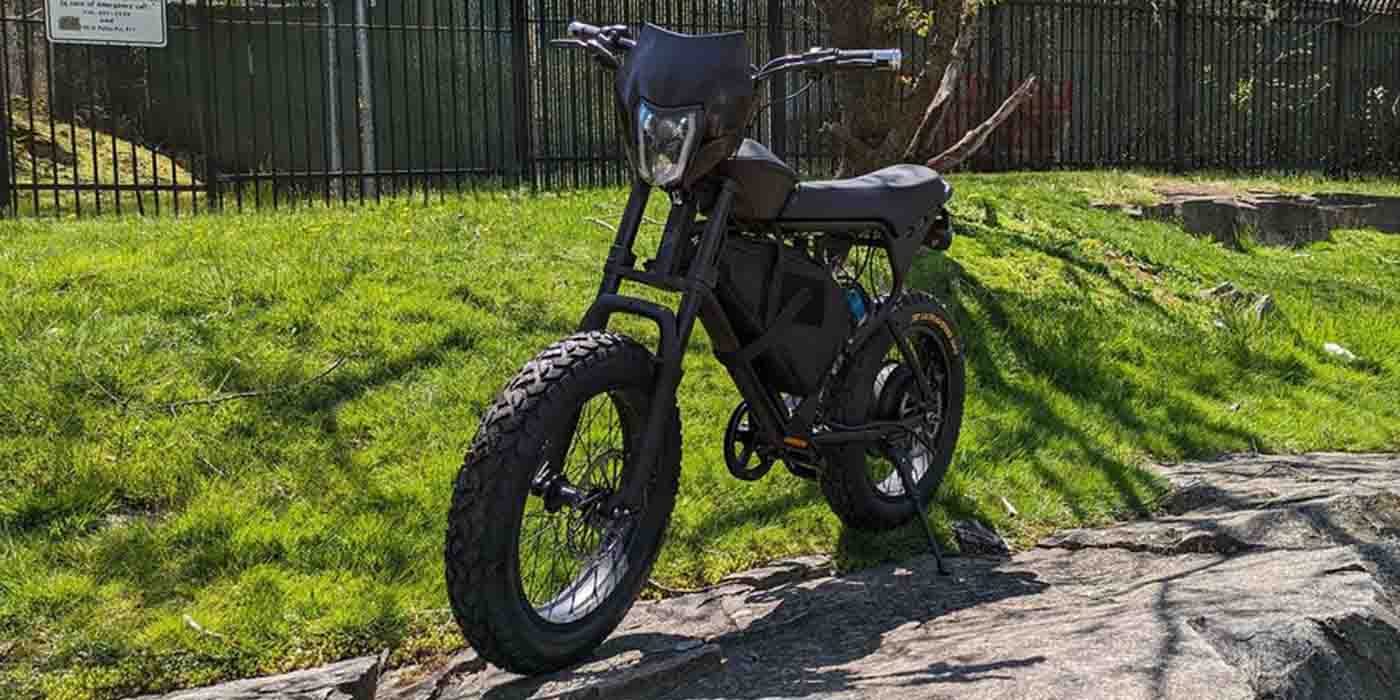
Municipal and transit safety advocates have largely lauded the state for taking a definitive stance. For years, cities have struggled to protect vulnerable road users from heavy, high-speed electric two-bikes operating at motorcycle speeds within close proximity to pedestrians and traditional cyclists. By forcing these machines out of bike lanes and onto main roadways, Illinois has established a clear spatial hierarchy of transportation.
Conversely, consumer advocates and independent retailers have highlighted a glaring contradiction in the text of the law. As written, Illinois tells the owner of a 40-mph e-bike: "We have a legal home for your vehicle. Just register and insure it."
Yet, when that same owner visits the Illinois Secretary of State’s Department of Motor Vehicles (DMV), they will likely be turned away. Because these machines are predominantly manufactured overseas—frequently by factories that export budget-friendly vehicles directly to consumers online—they are built as consumer electronics or off-road toys, not as certified motor vehicles.
Why Current Owners Are Stranded
To register a motor-driven cycle in Illinois, the vehicle must meet Federal Motor Vehicle Safety Standards (FMVSS). This requires:
- A legitimate 17-digit VIN incorporating an official World Manufacturer Identifier (WMI) issued by the Society of Automotive Engineers (SAE) or an equivalent international body.
- Manufacturer self-certification compliance documentation filed with federal agencies.
- Factory-installed safety equipment meeting strict automotive and motorcycle standards (DOT-approved lighting, specialized braking systems, reflectors, and mirrors).
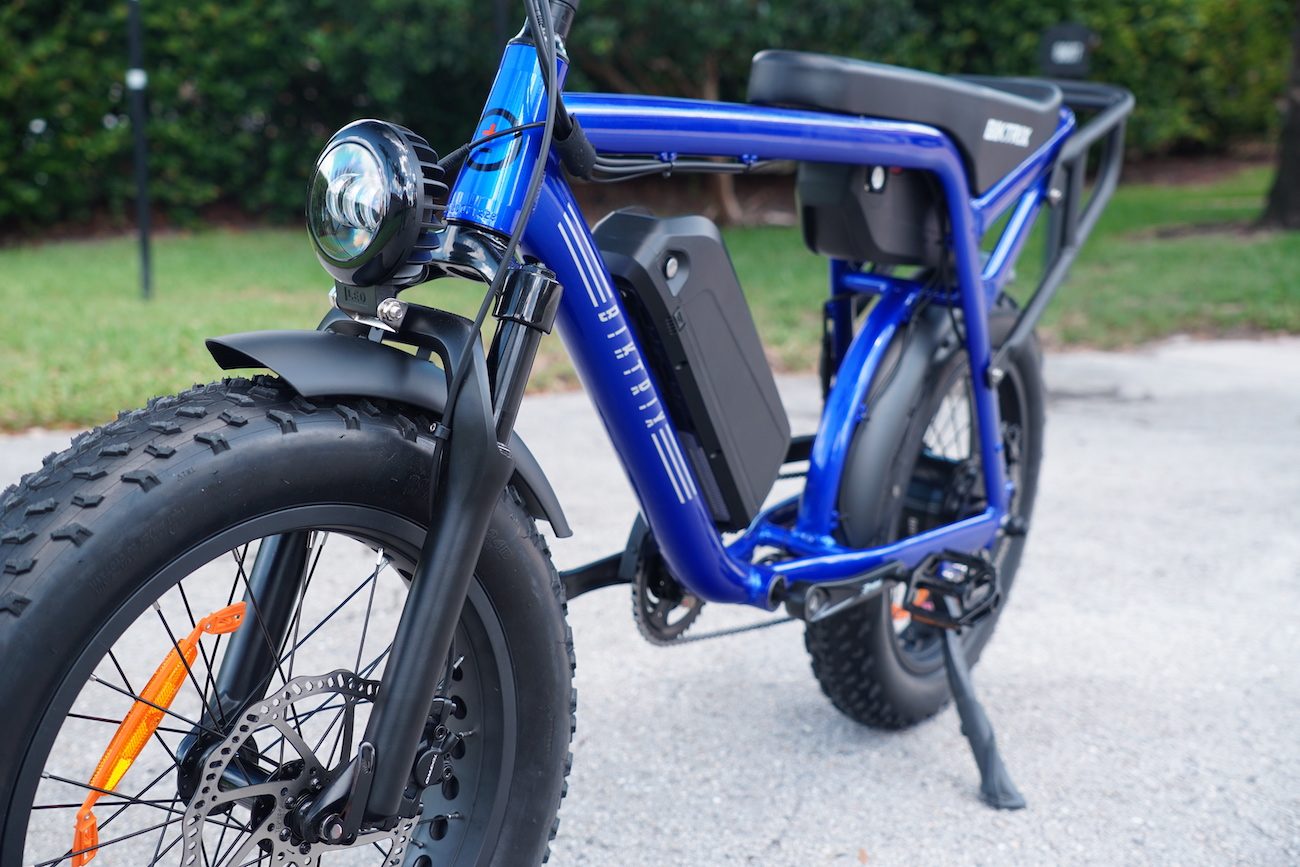
A standard $1,499 fat-tire e-bike purchased online cannot simply be retrofitted by its owner with aftermarket turn signals and a headlight to achieve legal compliance. The law does not feature a simple, localized "kit conversion" process for existing non-conforming vehicles. Consequently, owners holding these machines are staring at a legal pathway that leads to a permanently locked door.
Future Outlook: Will Manufacturers Adapt?
While the immediate impact of Public Act 104-0854 may be frustrating for current owners of high-powered grey-zone e-bikes, industry analysts suggest the law’s true legacy will be felt in the manufacturing sector.

As populous states like Illinois begin closing the regulatory loopholes, international and domestic e-moto brands will face mounting pressure to fundamentally alter their business models. To tap into legally compliant urban markets, manufacturers may be forced to shoulder the bureaucratic and financial burden of securing proper WMI codes, certifying their vehicles under FMVSS guidelines, and shipping them with the necessary documentation for highway registration.
Until that happens, Illinois riders of 40-mph e-bikes find themselves in an unprecedented limbo: riding a vehicle that the state officially acknowledges, yet makes structurally impossible to register. As the January 1, 2027 enforcement date approaches, all eyes will be on state regulators to see whether administrative exemptions emerge, or if the law triggers a massive crackdown on the unregisterable fleet currently populating American garages.
