

Main Facts
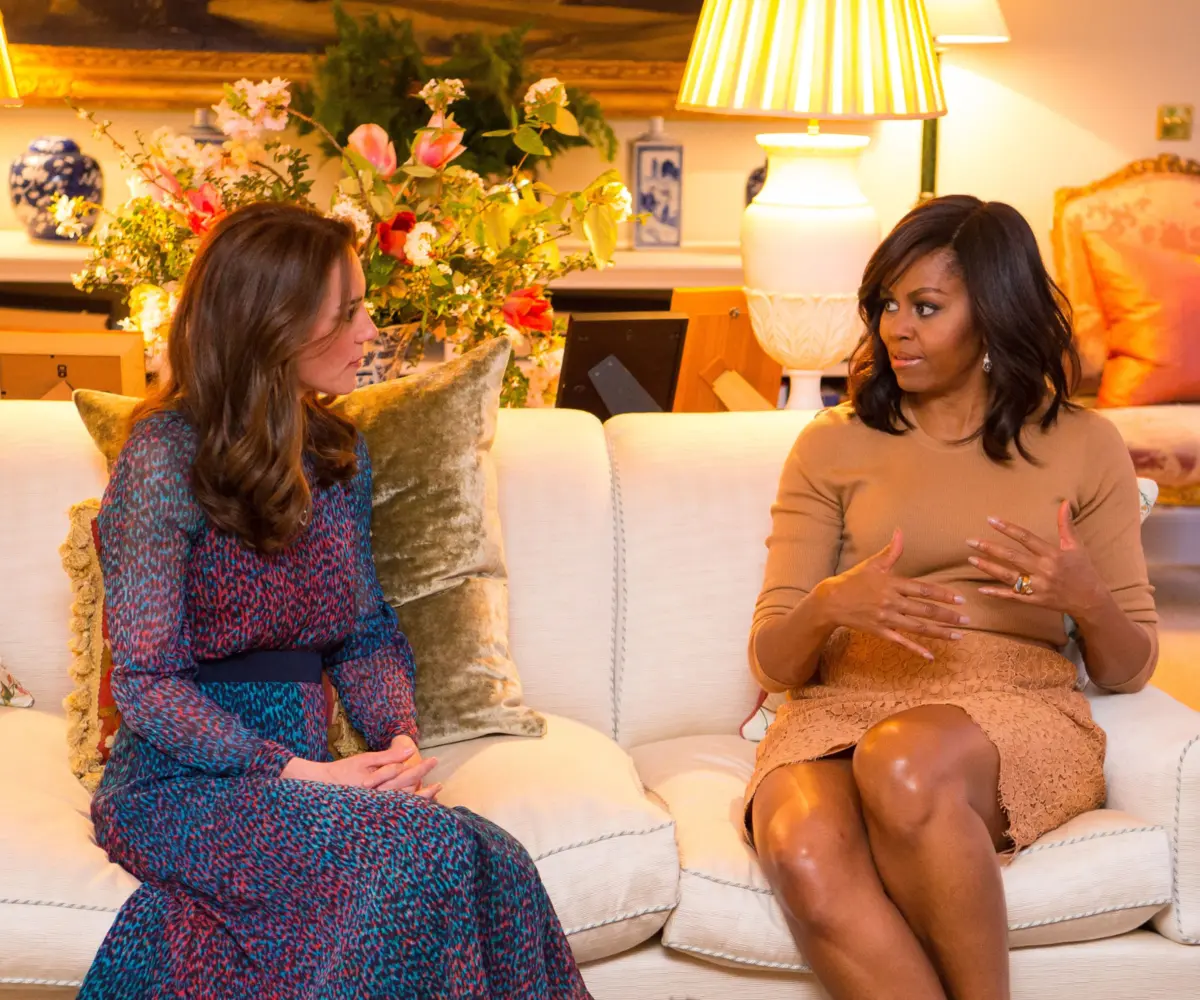
When Prince William and Kate Middleton hosted Barack and Michelle Obama in the drawing room of Kensington Palace in 2016, the historic meeting made global headlines. Yet, beyond the political significance of the evening, interior design experts and enthusiasts found themselves captivated by an entirely different aspect of the gathering: the atmosphere of the room itself.
Despite the grand, palatial proportions of Apartment 1A—a residence characterized by soaring ceilings, vast architectural scale, and imposing heritage features—the drawing room felt remarkably intimate, grounded, and relaxed.
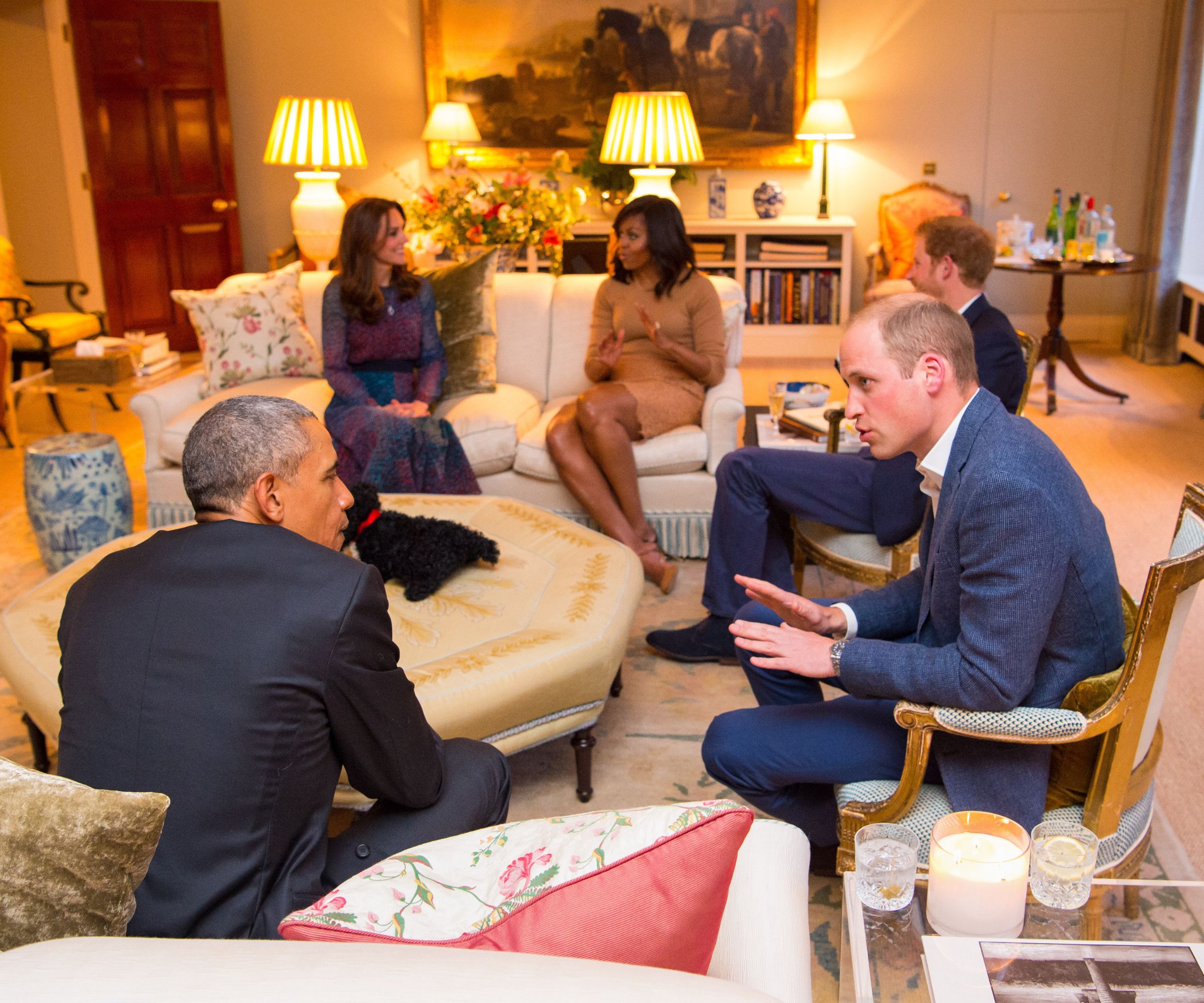
The secret behind this successful spatial alchemy lay not in structural renovations or minimalist furniture arrangements, but in a foundational interior design principle that professionals swear by and amateurs frequently overlook: lighting. Specifically, the Duke and Duchess of Cambridge bypassed harsh, flat overhead illumination entirely. Instead, they relied on a sophisticated strategy of low-level, layered lighting centered around tall porcelain table lamps paired with classic pleated fabric shades.
Arranged strategically in pairs across console tables, flanking fireplaces, and resting behind primary seating zones, these eye-level fixtures broke up the cavernous space. They established localized pools of warmth, eliminated deep shadows, and unified the furniture arrangement. This design choice transformed a cavernous royal drawing room into a welcoming, human-scaled enclave.
Chronology
- April 2011: Prince William and Catherine Middleton marry, subsequently establishing their primary London residence in Apartment 1A at Kensington Palace—a sprawling four-story, 20-room apartment previously occupied by Princess Margaret.
- April 2016: President Barack Obama and First Lady Michelle Obama visit the UK, attending a historic dinner hosted by Prince William, Kate Middleton, and Prince Harry at Kensington Palace. Photographs from the drawing room capture global attention, showcasing the room’s distinctive decor and lighting scheme.
- Present Day: Interior designers and royal watchers continue to analyze the 2016 Kensington Palace photographs, recognizing the setup as a masterclass in domestic lighting psychology—particularly as modern homeowners shift toward cozy, ambient interiors for the autumn and winter seasons.
Supporting Data and Design Philosophy
To understand why the Kensington Palace lighting arrangement works so effectively, interior design metrics and expert frameworks offer clear guidance. Professional designers frequently cite the "rule of multiple light sources" as the cornerstone of atmospheric interior architecture.
- The Magic Number: Renowned designer and author Abigail Ahern notes that a truly successful room should feature a minimum of nine distinct sources of light. Rather than relying on a single central fixture, light should be scattered across various heights—floor level, eye level, and surface level.
- Height Dynamics: Overhead lighting, while functional, projects illumination downward at a 90-degree angle, flattening facial features and casting stark shadows beneath furniture. Eye-level table lamps operate at a 45-degree angle or lower, softening textures, highlighting the grain of wood or fabric, and creating visual warmth.
- Color Temperature: The integration of warm-toned or Edison-style bulbs (ranging from 2200K to 2700K) dramatically shifts psychological perception, replacing sterile blue-toned illumination with a golden, cocooning glow that encourages relaxation and intimate conversation.
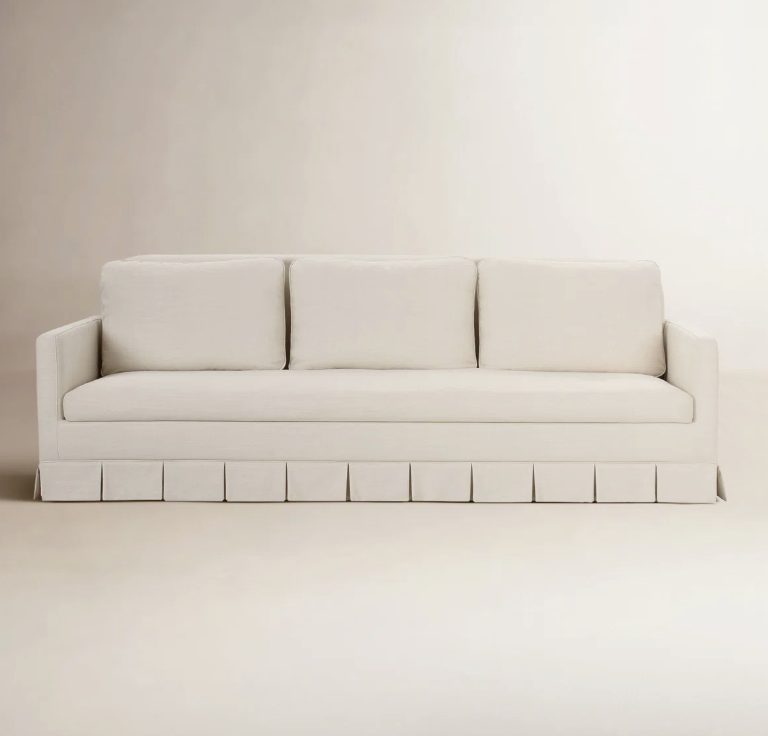
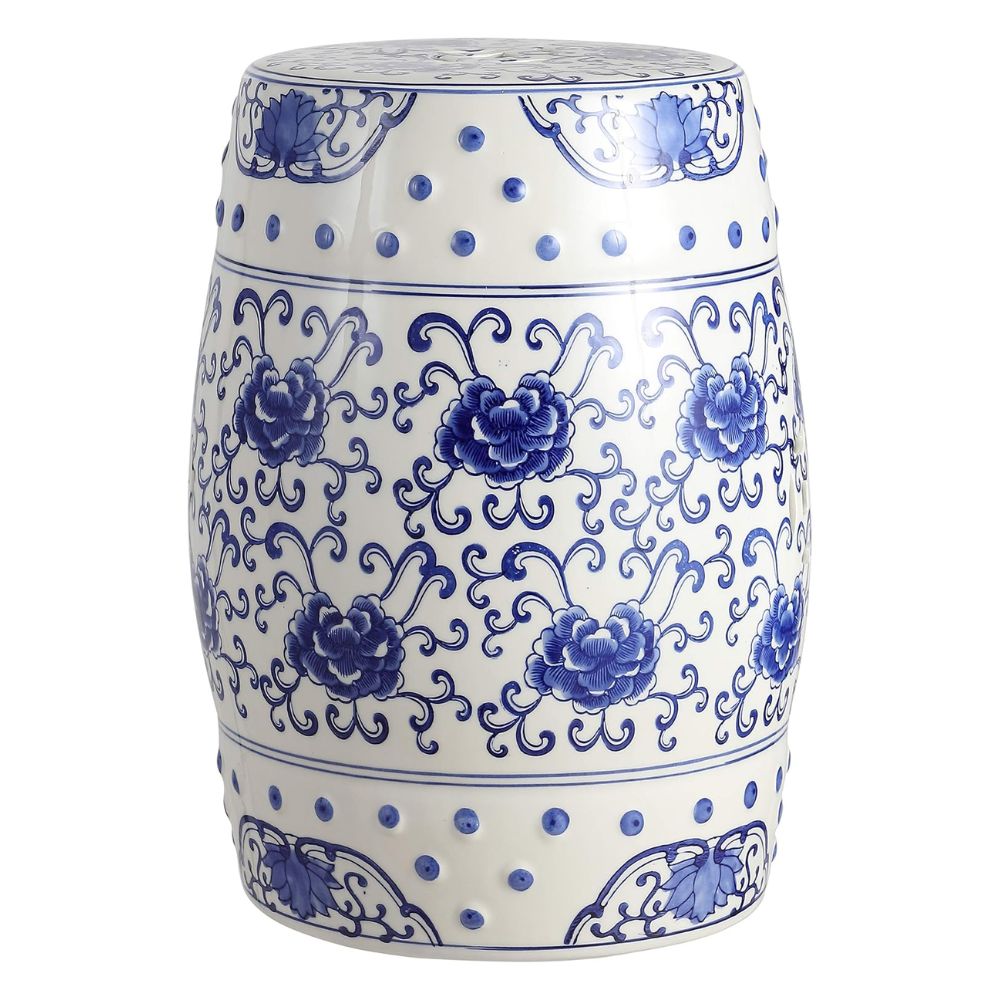
- The Kensington Blueprint: In the 2016 royal drawing room photographs, analysts identified at least five distinct pairs of matching table lamps positioned on side tables, console tables, and behind the main cream-upholstered sofas, complemented by subtle accent pieces like blue-and-white Chinoiserie ceramics and tactile textiles.
Expert Insights and Official Perspectives
Interior design authorities have long campaigned against the tyranny of the "big light"—the ubiquitous central ceiling fixture that dominates modern residential construction.
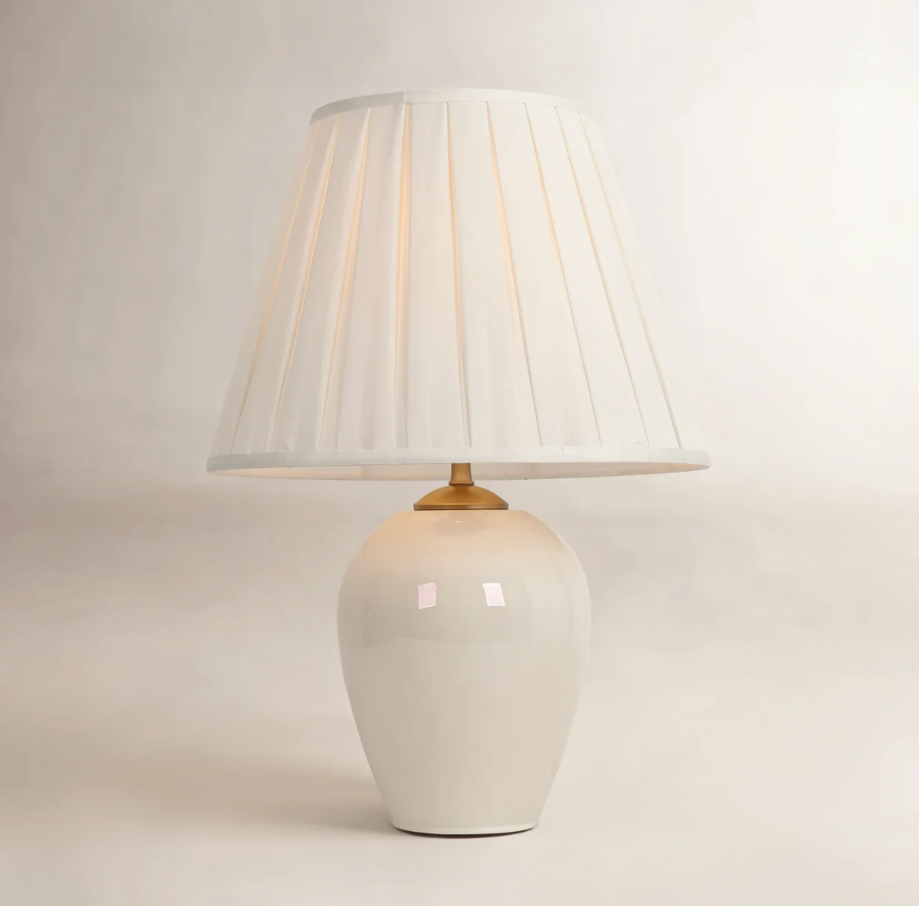
"If there’s any one thing that designers can often agree on, it’s the power of lighting, or more specifically, a shared dislike for overhead lighting," explains a leading interiors expert. "Such fixtures can make a room feel flatter than it is. Table lamps, however, do something quite different. Set at eye level, they bring the light closer, breaking up a large room and making the furniture around them feel more connected."
Abigail Ahern expands on this philosophy, emphasizing the emotional resonance that lighting brings to a living space.
"Table lamps are the quickest route to a room with soul," Ahern explains. "Scatter them generously across consoles, side tables, shelves, and unexpected corners to create delicious pools of light, intriguing shadows, and an atmosphere that feels instantly warmer and more intimate."
Ahern also underscores the seasonal relevance of this design approach, noting its importance as temperatures drop and daylight hours shorten.
"Adding warm or Edison bulbs instantly elevates a space further, transforming harsh illumination into a cozy, sophisticated environment that defines the room’s atmosphere," she adds. "Every room should have at least nine sources of light; the more you layer, the more magical, cocooning, and inviting the space becomes."
While Kensington Palace has not released an official architectural breakdown of Apartment 1A’s interior styling—owing to the private residential nature of the royal apartments—photographic evidence from official state visits speaks volumes. The deliberate choice of traditional porcelain bases and pleated fabric shades demonstrates a conscious alignment with classical English interior design traditions, where comfort and heritage coexist harmoniously.
Implications for Modern Homeowners
The lighting strategy employed by the Prince and Princess of Wales at Kensington Palace offers practical, accessible lessons for anyone looking to upgrade their living space, regardless of the room’s scale.
1. Banishing the Overhead Glare
The primary takeaway is psychological: abandoning the central ceiling light in favor of lamps fundamentally alters how a space feels. When light sources are brought down to eye level, rooms instantly feel more intimate, grounded, and forgiving. High ceilings no longer feel drafty or intimidating; instead, they recede into soft shadows while the living zone below becomes the focal point.
2. The Power of Pairing and Symmetry
Kate and William’s use of paired lamps behind primary sofas is a classic interior design technique that establishes visual balance. Symmetry creates a subconscious sense of order and calm, which is particularly vital in busy family homes or large, multifunctional living areas.
3. Texture and Materiality Matter
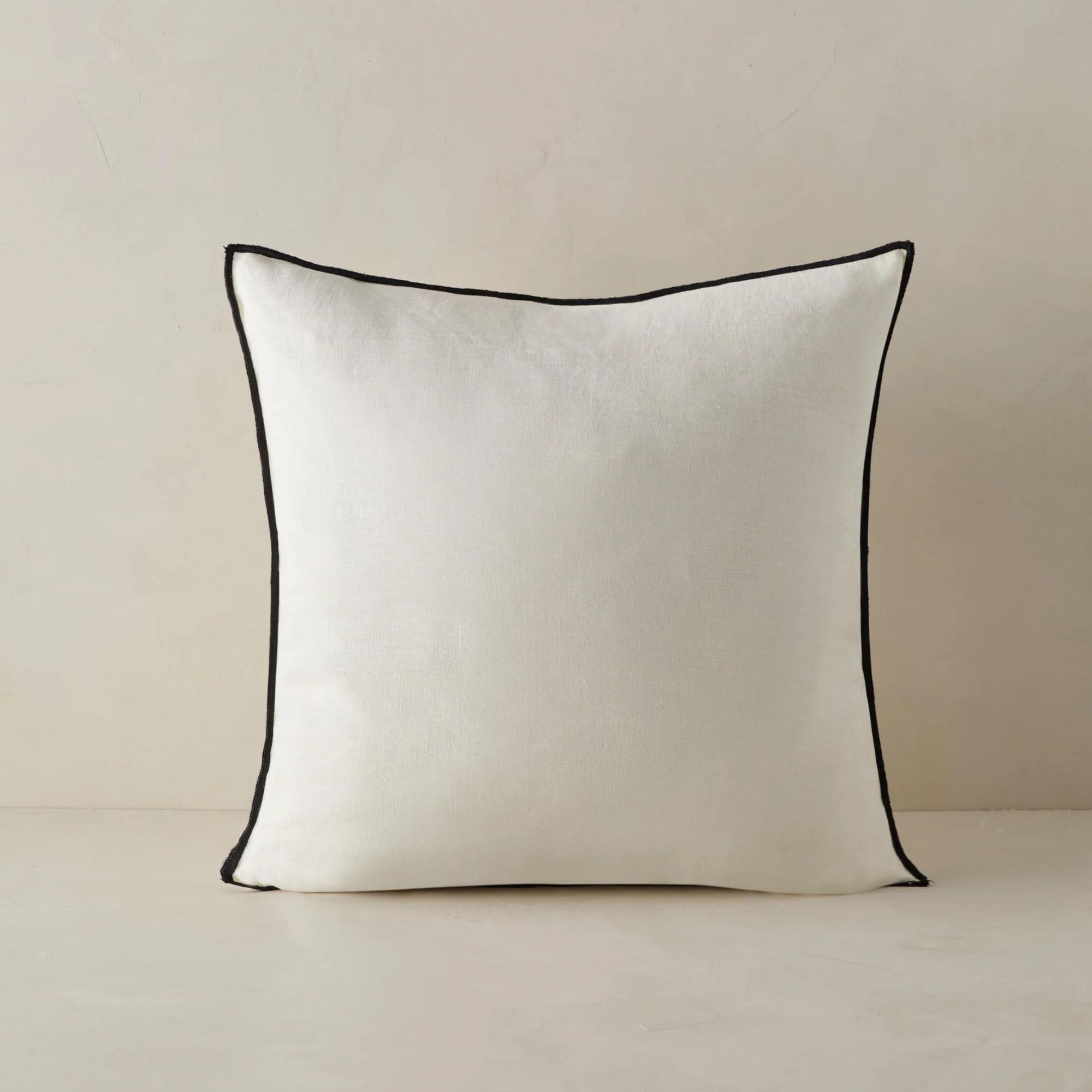
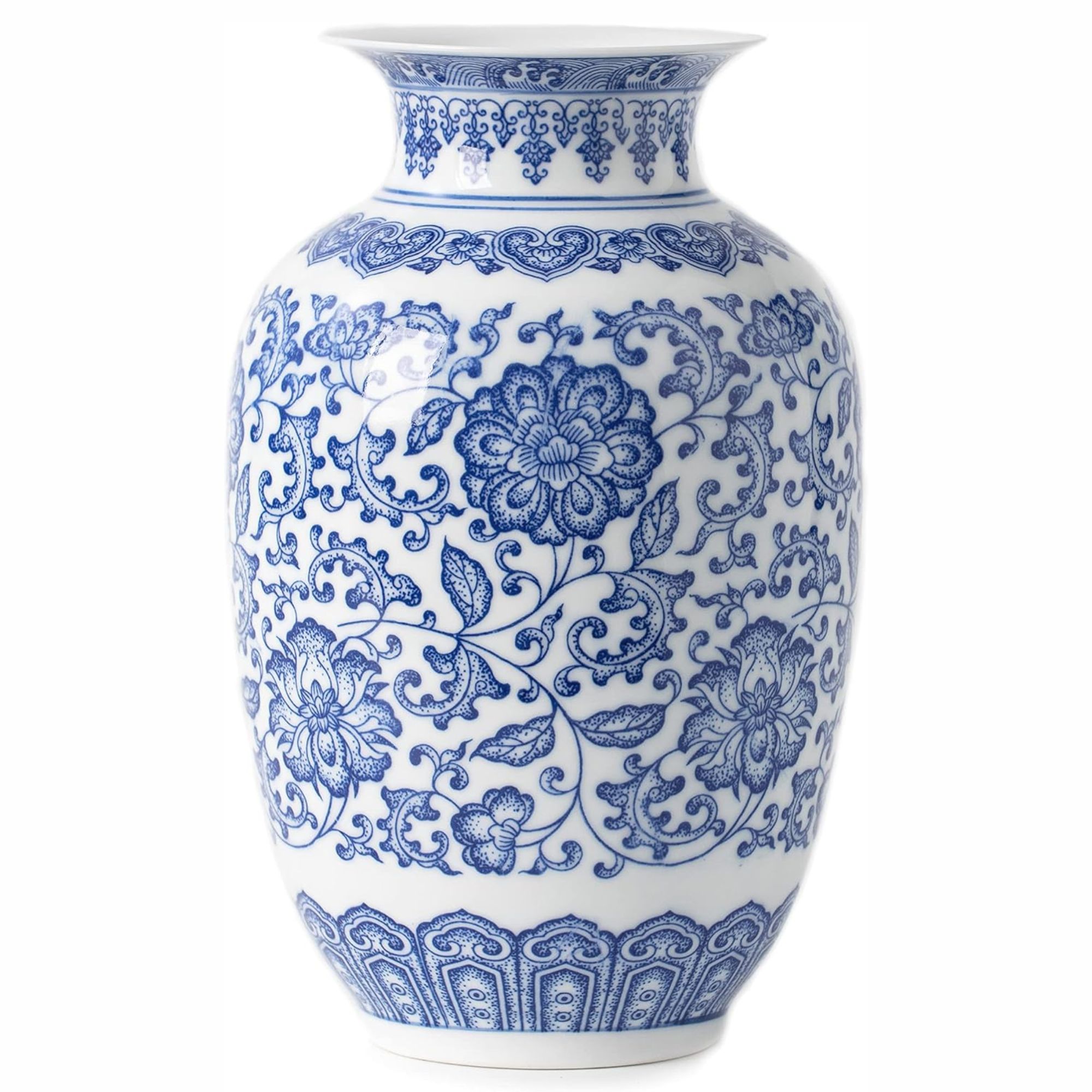
The choice of pleated fabric shades in the royal drawing room is not accidental. Pleated shades diffuse light softly while adding a tactile, traditional element to a room. When paired with neutral upholstery, warm wood finishes, and classic accents—such as Chinoiserie vases and layered linen cushions—the lighting scheme ties the entire decorative narrative together.
Recreating the Look at Home
For homeowners seeking to replicate the Kensington Palace aesthetic without a royal budget, interior stylists recommend a straightforward phased approach:
- Audit Your Light Sources: Count how many lamps are currently in your main living space. If the total is fewer than five, you have room for improvement.
- Invest in Scale: Choose lamps with tall silhouettes and fabric shades (such as pleated linen or cotton) that diffuse light outward rather than just upward and downward.
- Layer Heights: Combine table lamps on side consoles with floor lamps in dark corners and smaller accent lights on bookshelves to eliminate harsh contrasts.
- Mind the Bulbs: Swap out stark white LED bulbs for warm, dimmable alternatives that allow you to adjust the room’s mood as day transitions into night.
Ultimately, the lesson from Kensington Palace is that luxury in interior design is not defined by square footage or expensive antiquities, but by comfort, atmosphere, and emotional warmth. By rethinking where light originates, anyone can transform a house into a truly welcoming home.
