

By: Global Technology Desk
Published: September 2026
Main Facts
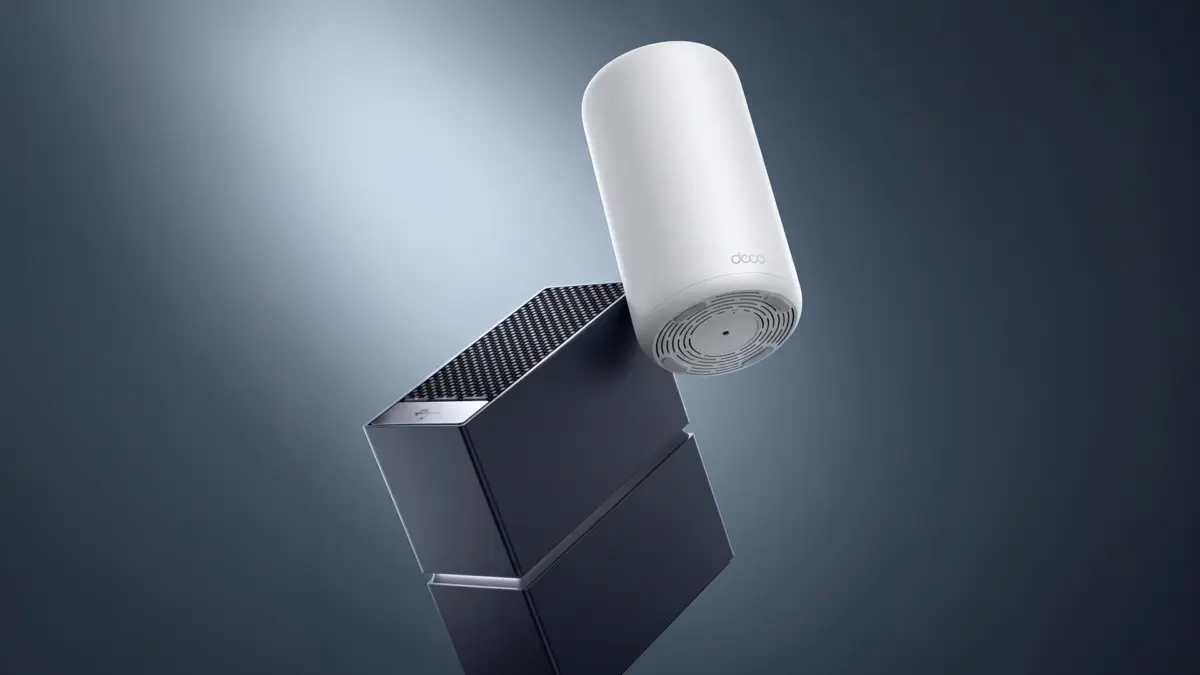
In a bold and aggressive move that has taken the consumer networking industry by storm, TP-Link has announced the world’s first complete hardware ecosystem built around the upcoming Wi-Fi 8 (IEEE 802.11bn) standard. Unveiled at IFA 2026, the new product family includes the powerhouse Archer 8 Ultra tri-band router and the expansive Deco 8 Ultra mesh system.
While the official IEEE certification for Wi-Fi 8 is not projected until May 2028—and the ink on the Wi-Fi 7 standards is barely dry following its January 2024 finalization—TP-Link is forging ahead. Rather than prioritizing raw, headline-grabbing speed upgrades (a hallmark of previous generations), TP-Link states that the new Wi-Fi 8 hardware is engineered to "address the connectivity problems people actually notice." These include latency spikes in congested areas, interference, dropped packets, and seamless handoffs between access points in smart homes packed with hundreds of connected devices.
Key highlights of the initial rollout include:
- Archer 8 Ultra Router: Equipped with a staggering 18 internal antennas, delivering up to 19Gbps of wireless throughput and 10Gbps of wired connectivity.
- Deco 8 Ultra Mesh System: Providing up to 22Gbps of wireless capacity and 10Gbps wired connectivity. A standard three-pack covers an astonishing 9,800 square feet while supporting over 200 concurrent device connections.
- Pre-order and Release Timeline: Regional pre-orders for the Archer 8 Ultra kick off on September 30, 2026, with the Deco 8 Ultra slated for a Q1 2027 release, and a wider product family (including range extenders, PCIe adapters, and the Roam 8 travel router) following in Q2 2027. Pricing details have not yet been disclosed.
Chronology of Next-Gen Wireless: From Wi-Fi 7 to Wi-Fi 8
To understand the magnitude of TP-Link’s pre-emptive strike, it is essential to look at the timeline of recent wireless networking evolution.
The Wi-Fi 7 Era (2024–2026)
- January 2024: The Wi-Fi Alliance officially announced the finalization of the Wi-Fi 7 (802.11be) certification program. Promising multi-link operation (MLO) and wider 320MHz channels, Wi-Fi 7 was marketed as the ultimate solution for high-bandwidth applications like AR/VR streaming, 4K/8K cloud gaming, and heavy enterprise workloads.
- 2024–2025: Manufacturers gradually flooded the market with expensive Wi-Fi 7 routers, gateways, and client devices. However, widespread consumer adoption remained relatively low due to high hardware costs and a general lack of client devices (smartphones, laptops) that could fully leverage the standard.
- March 2026: Regulatory shifts in the United States introduced sweeping changes, including the FCC router ban affecting specific foreign-manufactured networking hardware, forcing supply chain reorganizations across the tech sector.
The Leap to Wi-Fi 8 (2026 and Beyond)
- Late 2026 (IFA): TP-Link shatters standard industry timelines by showcasing pre-production and ready-to-launch Wi-Fi 8 hardware over a year and a half before the IEEE 802.11bn standard is officially ratified.
- September 30, 2026: Regional pre-orders begin for the flagship Archer 8 Ultra.
- Q1 2027: Scheduled rollout of the Deco 8 Ultra mesh ecosystem.
- Q2 2027: Expected release of peripheral Wi-Fi 8 hardware, including network adapters, range extenders, and the ultra-portable Roam 8 travel router.
- May 2028 (Projected): The anticipated formal ratification of the IEEE 802.11bn standard. TP-Link’s early hardware ecosystem will have been in the wild for well over a year by the time the ink dries on the official specification.
Supporting Data & Technical Specifications
While raw speed has historically been the primary metric for new Wi-Fi generations, Wi-Fi 8 (IEEE 802.11bn), officially dubbed Ultra High Reliability (UHR), shifts the paradigm toward stability, throughput consistency, and spatial efficiency.
Performance Metrics of the Archer 8 Ultra
- Wireless Bandwidth: Up to 19Gbps aggregate wireless speed.
- Wired Backhaul / Ports: 10Gbps wired connectivity interfaces to ensure zero bottlenecks between modern multi-gigabit fiber connections and local client distributions.
- Antenna Array: A massive 18 internal antenna architecture designed to utilize advanced beamforming and spatial multiplexing, drastically reducing dead zones in complex architectural environments.
Performance Metrics of the Deco 8 Ultra Mesh System
- Wireless Bandwidth: Up to 22Gbps aggregate wireless throughput.
- Coverage Area: Up to 9,800 square feet utilizing a standard three-pack configuration.
- Device Capacity: Engineered to reliably sustain more than 200 simultaneously connected devices—a critical threshold for modern smart homes populated by 4K security cameras, smart lighting, automated appliances, and multiple remote-work workstations.
Hardware Architecture and Chipset Integration
In response to evolving regulatory landscapes, particularly in North America, TP-Link has constructed its Wi-Fi 8 lineup using globally trusted silicon providers. The Archer 8 and Deco 8 series integrate high-performance chipsets from Broadcom, Qualcomm, and MediaTek. TP-Link has emphasized that its product engineering leverages US-led hardware and software frameworks to guarantee maximum security, stability, and compliance.
Official Responses and Industry Reactions
The announcement at IFA 2026 has generated intense debate throughout the telecommunications and consumer electronics sectors. Analysts are split between admiration for TP-Link’s aggressive marketing and cautious skepticism regarding the deployment of "pre-standard" hardware.
TP-Link’s Official Position
In its official product unveiling statements, TP-Link executives defended the decision to release hardware ahead of the official May 2028 IEEE certification date.

"For years, the industry has engaged in a superficial arms race for higher speeds that most households simply cannot utilize," said a representative during the IFA 2026 keynote. "With the Ultra series, we are shifting the focus to what consumers actually notice: stability in high-density environments, elimination of jitter, and bulletproof reliability across hundreds of connected smart devices. By utilizing US-led hardware and software engineering alongside trusted silicon partners, we are delivering the most reliable Wi-Fi ever built—right now."
Industry Analyst Perspectives
Independent network architects and tech analysts have offered mixed reactions:
- The Early Adopter Appeal: Proponents argue that because Wi-Fi standards are iterative, hardware built on draft specifications (often referred to as "Phase 1" draft hardware) is typically stable enough for consumer use. Furthermore, firmware updates can easily bridge the gap between current pre-production builds and the finalized 802.11bn standard.
- The Risk of Obsolescence: Skeptics point to the historical pitfalls of buying pre-standard networking gear. When the Wi-Fi 5 and Wi-Fi 6 draft products launched prematurely, early adopters occasionally found themselves holding devices that required physical hardware revisions—or experienced interoperability issues—once the final IEEE specifications were locked in.
Implications for Consumers and the Market
TP-Link’s premature leap into Wi-Fi 8 carries profound implications for consumers, competitors, and the broader global technology supply chain.
1. Consumer Dilemma: Should You Upgrade to Wi-Fi 7 or Wait for Wi-Fi 8?
For the average household, this announcement complicates purchasing decisions. Many consumers have only recently begun exploring Wi-Fi 6E or entry-level Wi-Fi 7 routers. With Wi-Fi 8 hardware entering pre-order phases before Wi-Fi 7 has achieved mass saturation, buyers face a classic tech dilemma: invest in a mature (though expensive) Wi-Fi 7 ecosystem, or pay a premium for cutting-edge, pre-standard Wi-Fi 8 gear that promises superior multi-device handling.
2. Navigating Regulatory and Supply Chain Pressures
The timing of TP-Link’s announcement also serves as a strategic maneuver regarding international trade compliance. By explicitly highlighting its collaboration with US-led engineering principles and chip manufacturers like Qualcomm, Broadcom, and MediaTek, TP-Link is actively insulating its brand from geopolitical headwinds and regulatory scrutiny—particularly concerning the stringent regulations surrounding foreign-manufactured networking equipment in the United States.
3. Pressure on Competitors
Rival networking giants—such as Netgear, ASUS, Linksys, and Google—now face immense pressure. Having planned their roadmaps around a traditional 2027/2028 Wi-Fi 8 rollout timeline, these brands must either accelerate their own research and development pipelines or risk ceding the high-end enthusiast market to TP-Link’s aggressively timed ecosystem.
4. The Shift Toward "Reliability Over Speed"
Perhaps the most lasting implication of the Archer 8 and Deco 8 launch is the philosophical shift it forces upon the industry. As homes become saturated with IoT devices, smart appliances, and remote-working professionals, raw gigabit speed is no longer the primary bottleneck. By focusing engineering resources on latency mitigation, packet optimization, and spatial concurrency, TP-Link is setting a new benchmark for what consumers should expect from their home networks.
Conclusion
As the September 30th pre-order window for the Archer 8 Ultra approaches, the technology world will be watching closely. Whether TP-Link’s gamble on pre-standard Wi-Fi 8 hardware pays off will depend heavily on firmware stability, early consumer reviews, and how quickly the IEEE moves to finalize the 802.11bn specification. One thing, however, is certain: the race to define the next generation of wireless connectivity has officially begun, and TP-Link has established a massive head start.
