

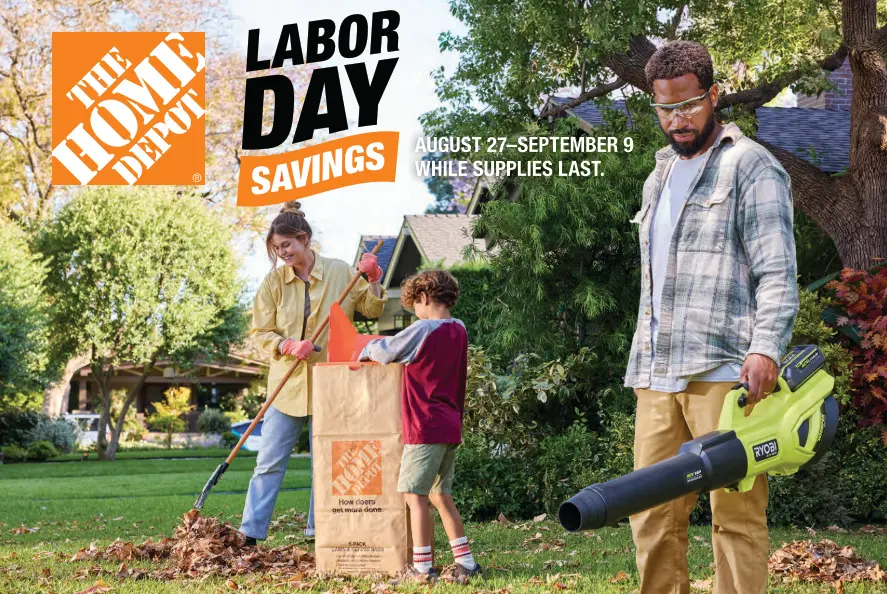
As summer draws to a close, the home improvement industry enters one of its most anticipated retail windows of the year: the Labor Day holiday weekend. For DIY enthusiasts, professional contractors, and weekend project warriors alike, the end-of-summer sales event at major home improvement retailers represents a golden opportunity to upgrade gear, stock up on consumables, and tackle postponed renovations without breaking the bank. At the forefront of this seasonal retail rush is Home Depot, a giant in the home improvement sector known for rolling out aggressive markdowns across power tools, outdoor equipment, and building materials.
In this comprehensive report, we delve into the strategic timing, historical context, consumer implications, and expert tips surrounding the Home Depot Labor Day sales event. Whether you are looking to outfit your workshop with brushless cordless tool kits from top-tier brands like Milwaukee, DeWalt, and Makita, or you need to revitalize your lawn before the autumn frost sets in, understanding how to navigate these holiday sales can result in hundreds of dollars in savings.
Main Facts: The Anatomy of the Home Depot Labor Day Event
The Home Depot Labor Day sale is much more than a routine weekend clearance; it is a meticulously orchestrated retail event that marks a transition in seasonal inventory. Understanding the core mechanics of the sale helps shoppers separate genuine bargains from standard marketing promotions.
1. Timing and Duration
The promotional window typically opens two to three weeks ahead of Labor Day Monday, escalating in intensity as the holiday weekend approaches. While the peak deals—often featuring "Special Buy of the Day" items or dramatic bundle offers—land squarely on the Friday through Monday of the holiday weekend, select markdowns can persist through the entire month of September as stores make physical room for autumn and winter merchandise, such as Halloween displays, heating units, and snowblowers.
2. Product Categories Covered
Shoppers will find price cuts distributed across several key departments:
- Power Tools and Accessories: Cordless combo kits, impact drivers, circular saws, and drill bits frequently see bundled discounts (e.g., "Buy a bare tool, get a battery free").
- Outdoor Power Equipment: Lawn mowers, leaf blowers, hedge trimmers, and string trimmers are heavily discounted as retailers look to clear out summer inventory.
- Smart Home and Security: Video doorbells, smart locks, and connected lighting systems routinely feature promotional pricing during holiday weekends.
- Building Materials and Hardware: Fasteners, lumber bundles, and safety equipment experience moderate markdowns, appealing directly to professional contractors.
3. Retail Mechanics and Fulfillment Options
To capture both in-person shoppers and online digital consumers, Home Depot leverages its robust omnichannel infrastructure. Customers can take advantage of "Buy Online, Pick Up In Store" (BOPIS) services to secure limited-stock items before they sell out locally. Additionally, curbside pickup and free delivery thresholds on major tool kits and appliances remain active throughout the promotional period.
Chronology: How the End-of-Summer Sale Season Unfolds
To make the most of the Home Depot Labor Day event, it helps to understand the lifecycle of end-of-summer retail promotions. The timeline below illustrates how these sales develop from early conceptual previews to final inventory clearances.
Phase 1: Early August Previews and Sneak Peeks
By early August, home improvement retailers begin receiving their autumn inventory shipments. To prepare distribution centers and store floor space, marketing departments roll out early-bird online exclusives. During this phase, shoppers will notice initial price drops on select patio furniture, grills, and fading summer gardening supplies. Savvy consumers use this window to monitor tool prices, tracking items of interest to see if they transition into official holiday bundle deals.
Phase 2: Mid-August "Early Bird" Tool Promotions
Approximately two weeks before Labor Day, major tool manufacturers partner with Home Depot to launch coordinated promotions. This is when the classic "free battery" promotions or tiered savings events (e.g., spend $150, save $30) typically debut. Professional trade workers and serious DIYers often make their moves during this phase to avoid the stock depletions that occur during the actual holiday weekend.
Phase 3: The Labor Day Weekend Peak (Friday – Monday)
The core of the event arrives on the Friday preceding Labor Day. Marketing channels—ranging from digital app notifications and email newsletters to television commercials and front-of-store signage—shift into high gear. Store inventories are replenished overnight, and physical locations extend promotional endcaps to highlight doorbuster deals. Online-exclusive bundles often feature their deepest discounts during this 96-hour window.
Phase 4: Post-Holiday Clearance (Early to Mid-September)
As Tuesday morning arrives and the holiday weekend passes, the rush subsides, but the clearance phase begins. Remaining seasonal inventory—particularly outdoor gas- and battery-powered lawn care equipment—is marked down further to absolute rock-bottom prices. While selection becomes limited and heavily dependent on local store stock, this is statistically the cheapest time of the year to purchase a lawn mower or pressure washer.
Supporting Data: Analyzing Tool Discounts and Consumer Trends
Analyzing historical data from previous home improvement sales cycles reveals clear patterns regarding where the deepest savings lie and how consumer behavior influences retail pricing strategies.
The Power of the "Bundle"
According to retail analytics within the hardware sector, direct percentage-off discounts on flagship professional-grade power tools (such as 18V/20V brushless systems) are relatively rare because manufacturers tightly control minimum advertised pricing (MAP). Instead, retailers rely heavily on value-add bundling.
- Data Insight: Industry studies indicate that consumers save an average of 25% to 35% more value when purchasing a manufacturer-backed bundle (such as a tool kit that includes two high-capacity batteries and a fast charger) compared to buying individual components separately during non-holiday periods.
Online vs. In-Store Inventory Discrepancies
Consumer analytics highlight a growing trend toward hybrid shopping. While physical stores maintain robust stock of high-turnover items like basic hand tools and standard hardware, Home Depot’s online catalog features an extended aisle of specialty kits, industrial-grade equipment, and bulk building supplies that are rarely stocked on physical shelves. During the Labor Day event, online-exclusive sales account for a significant and growing percentage of total holiday tool revenue.
Consumer Demographics and Project Timing
Labor Day traditionally signals the transition from outdoor warm-weather projects (deck building, exterior painting, landscaping) to indoor renovations (kitchen updates, bathroom remodels, basement finishing). Consequently, data shows a notable spike in sales for demolition tools, reciprocating saws, rotary hammers, and interior painting supplies during the late-August and early-September retail push.
Official Responses and Industry Insights
To understand the broader economic context and retail strategy behind these seasonal promotions, industry analysts and retail representatives frequently share insights into consumer trends and supply chain dynamics.
Retail Strategy and Customer Value
Retail experts note that holiday events like the Labor Day sale serve a dual purpose for home improvement giants. On one hand, they act as a vital clearinghouse for seasonal goods, preventing warehousing bottlenecks. On the other hand, they serve as a powerful customer acquisition tool.
"Holiday weekends represent a critical juncture for both our DIY customers and our Pro contractor base," notes a retail industry analyst specializing in big-box hardware operations. "Retailers like Home Depot utilize these promotional windows not just to clear inventory, but to lock in brand loyalty by offering aggressive value propositions on ecosystem-building items like cordless power tool platforms. Once a consumer invests in a specific battery platform, they are far more likely to return to that retailer for future tool expansions."
Manufacturer Collaboration
The success of a major holiday hardware sale depends heavily on close collaboration between the retailer and prominent tool brands. Manufacturers invest heavily in cooperative advertising and promotional subsidies during the late summer. This partnership ensures that consumers receive competitive pricing without compromising profit margins for local independent dealers or big-box networks. Furthermore, brands often debut special-edition holiday kits—such as limited-color tool variants or expanded accessory bundles—exclusively through major retail partners like Home Depot during these peak periods.
Implications: What the Sale Means for DIYers and Professionals
The Home Depot Labor Day sale carries distinct implications for different segments of the market, shaping how projects are budgeted, scheduled, and executed.
For the Casual DIYer
For homeowners tackling weekend projects, these sales offer a cost-effective entry point into higher-end tool ecosystems. Purchasing a brushless drill and driver kit that includes upgraded lithium-ion batteries during a promotional window eliminates the hesitation of paying full retail price for professional-grade gear. It allows hobbyists to build out a reliable, long-lasting tool collection that will serve them for years across multiple household maintenance tasks.
For the Professional Contractor
While professional contractors are often deep on jobsites during holiday weekends, smart tradespeople monitor these sales closely to replenish consumable stock (such as drill bits, saw blades, and safety gear) and upgrade secondary tools. Capital expenditure planning around major retail holidays allows contracting businesses to optimize their tax write-offs and tool depreciation schedules while lowering upfront overhead costs.
Economic and Environmental Considerations
From a broader economic perspective, the end-of-summer sales event reflects shifting consumer confidence and spending habits in the face of fluctuating inflation rates. By offering bundled savings rather than deep baseline price cuts, retailers manage to stimulate consumer demand while protecting profit margins against rising supply chain and logistics costs. Additionally, the clearing of older outdoor power equipment models makes way for newer, more energy-efficient battery technologies, aligning with the industry’s gradual shift away from small gas engines toward high-voltage cordless outdoor systems.
Expert Tips for Maximizing Your Savings
If you plan to shop the upcoming Home Depot Labor Day event, keeping a few strategic guidelines in mind can help you secure the best possible deals:
- Track Prices Early: Do not wait until the Friday of the holiday weekend to start looking at prices. Begin monitoring your desired tools at least two to three weeks in advance to establish a true baseline and recognize a genuine markdown.
- Leverage Price Matching and Return Policies: Familiarize yourself with the retailer’s price protection and return policies. If you purchase an item a week before the sale and it drops in price, inquire about a price adjustment if eligible.
- Evaluate the Battery Ecosystem: When buying cordless power tools, calculate the cost of the batteries included in the bundle. Often, a kit with two batteries and a charger offers significantly more value than purchasing a bare tool and accessories separately.
- Utilize Digital Tools and Apps: Download the retailer’s official mobile app to track local inventory in real-time, set up stock alerts, and access digital-exclusive coupons or special buy notifications.
- Prioritize Quality Over Impulse: Stick to your project requirements. A bargain on a tool you will rarely use is only a savings if it serves a legitimate, long-term purpose in your workshop or maintenance routine.
Conclusion
The Home Depot Labor Day sale stands as a cornerstone event in the home improvement retail calendar. By blending strategic inventory clearance with aggressive manufacturer-backed promotions, the event bridges the gap between the end of outdoor project season and the beginning of indoor renovation planning. Whether you are a seasoned contractor looking to maximize operational efficiency or a homeowner preparing your property for the changing seasons, understanding the timing, mechanics, and value structures of this sale ensures you can approach your next project with the right tools at the right price.
