

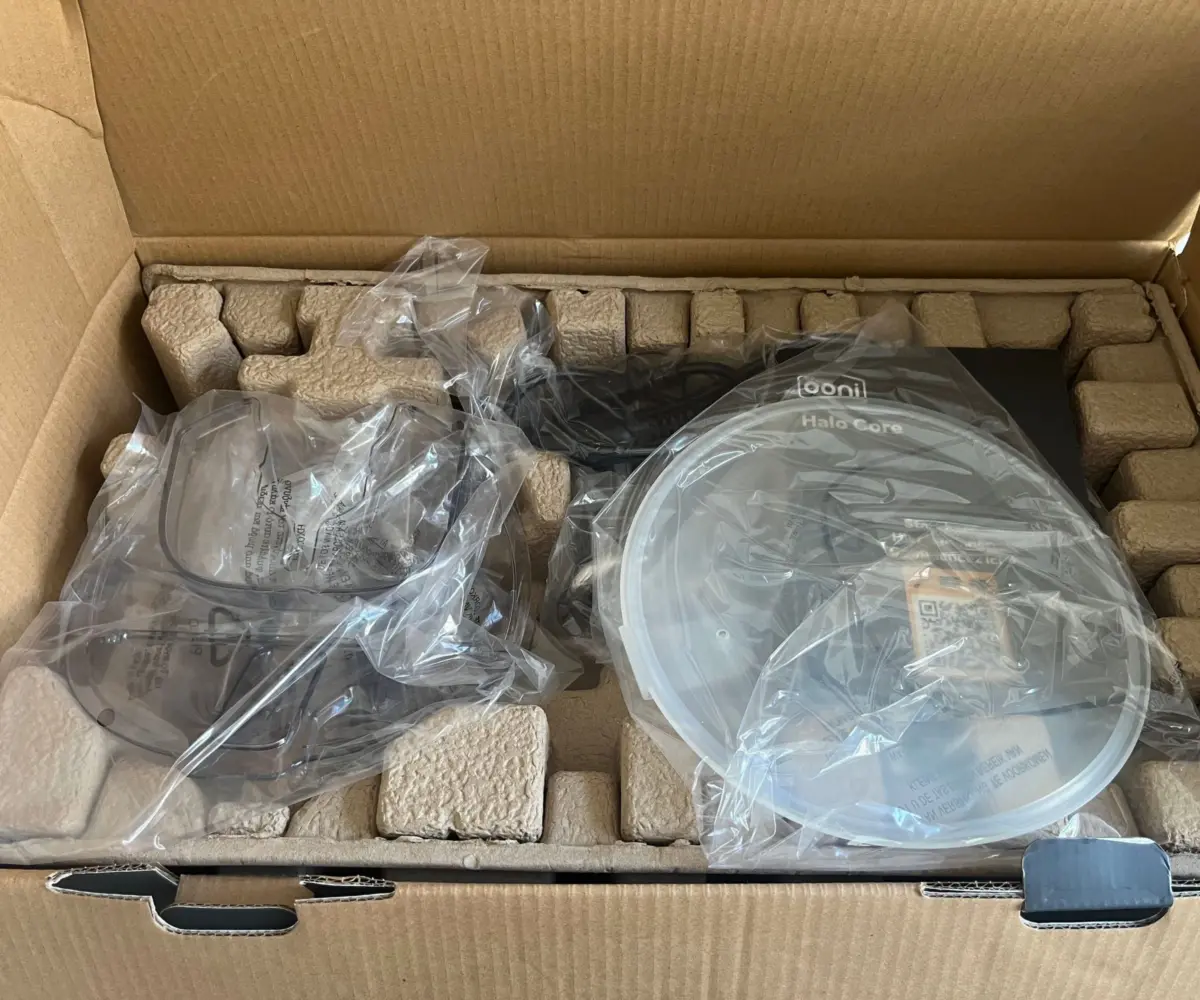
Introduction: Breaking Planetary Norms in the Kitchen
When Ooni—a brand globally celebrated for revolutionizing backyard cooking with its portable pizza ovens—announced it was venturing into the realm of stand mixers, expectations were both high and inherently pigeonholed. Most industry analysts and culinary enthusiasts presumed the company would deliver a specialized, single-purpose appliance tailored strictly for pizza dough. When the Ooni Halo Core Spiral Mixer first arrived for testing, those initial assumptions dictated the baseline expectations.
However, the appliance industry is rarely linear. Far from being a one-note wonder restricted to pizza night, the Halo Core subverted expectations entirely. It handled everything from delicate cake batters and aerated whipped cream to dense, high-hydration bread doughs without a single mechanical complaint. As it rapidly transitioned from a test appliance into a beloved kitchen staple, it raised a compelling question: could a brand famous for outdoor fire-baked pizza engineer a mixer capable of dethroning long-standing industry titans?
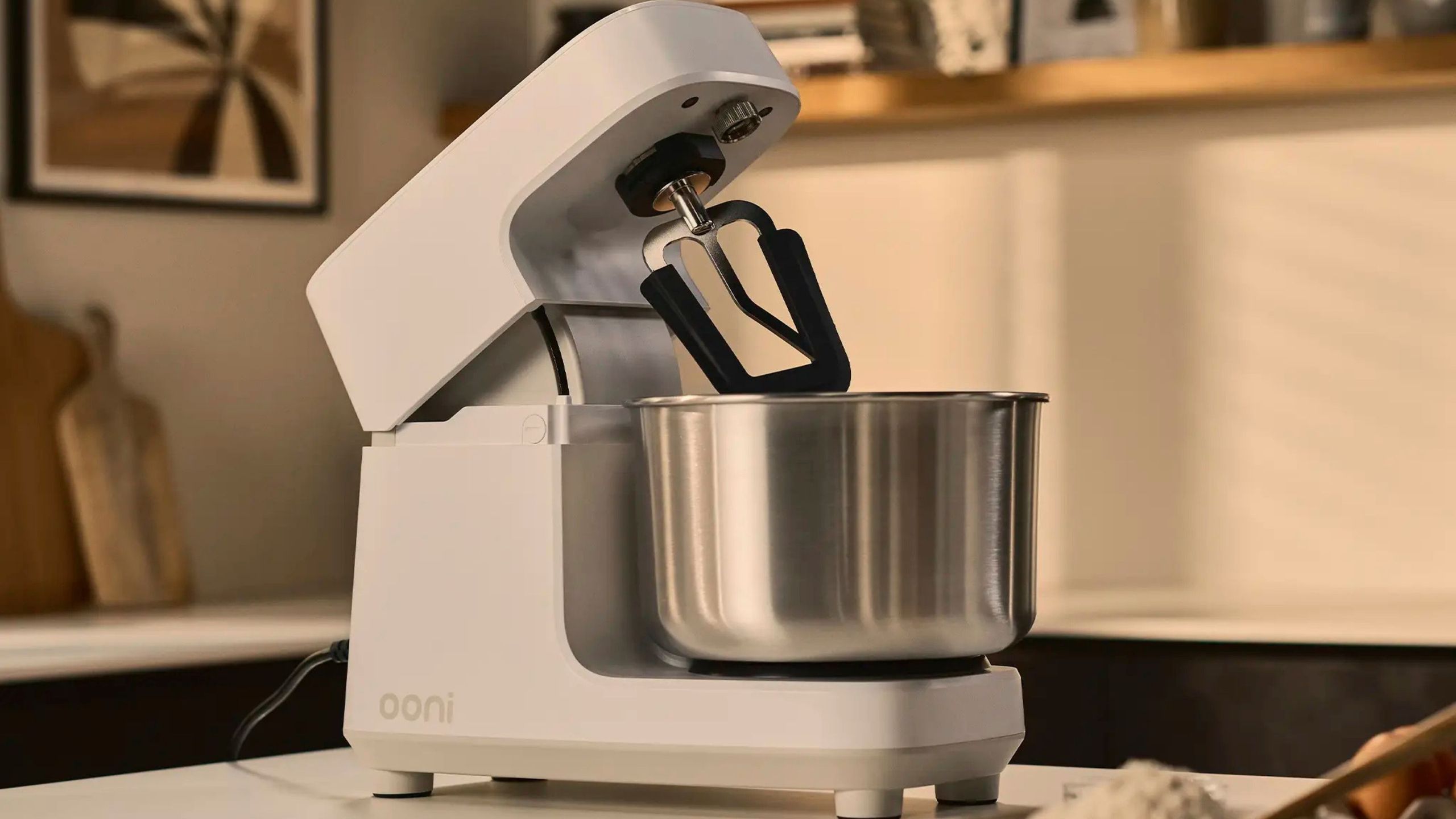
Main Facts: Specifications and Engineering Anatomy
To understand the mechanics of the Ooni Halo Core Spiral Mixer, one must look closely at its design and architectural specifications. Unlike conventional household stand mixers that utilize planetary mixing actions—where an attachment spins on its own axis while orbiting the interior of a stationary bowl—the Halo Core relies on true spiral mixing technology.
Product Specifications at a Glance
- Colors Available: Black and White
- Unit Weight: 23 lbs (10.4 kg)
- Bowl Capacity: 4.8-quart stainless steel bowl (Minimum dough capacity: 500g; Maximum dough capacity: 2.5kg)
- Speed Settings: 20 precision speed configurations
- Materials: High-strength polymer outer body; die-cast aluminum internal core for structural rigidity; stainless steel bowl and attachments
- Dimensions: 16.18” L × 8.86” W × 12.28” H
- Included Accessories: Dough hook and breaker bar, silicone-edge beater, dual-geared whisk, splash guard, and a silicone proofing lid
- Motor Power: 300 Watts
- Warranty: 1-year standard warranty, upgradeable to 5 years upon product registration
The machine’s physical footprint is refreshingly compact. Standing noticeably shorter than many competing models on the market, the 23-pound unit manages to feel substantial and planted without dominating precious kitchen real estate. Its heavy die-cast aluminum internal core provides stability during high-stress mixing phases, ensuring the machine stays firmly anchored to the countertop.
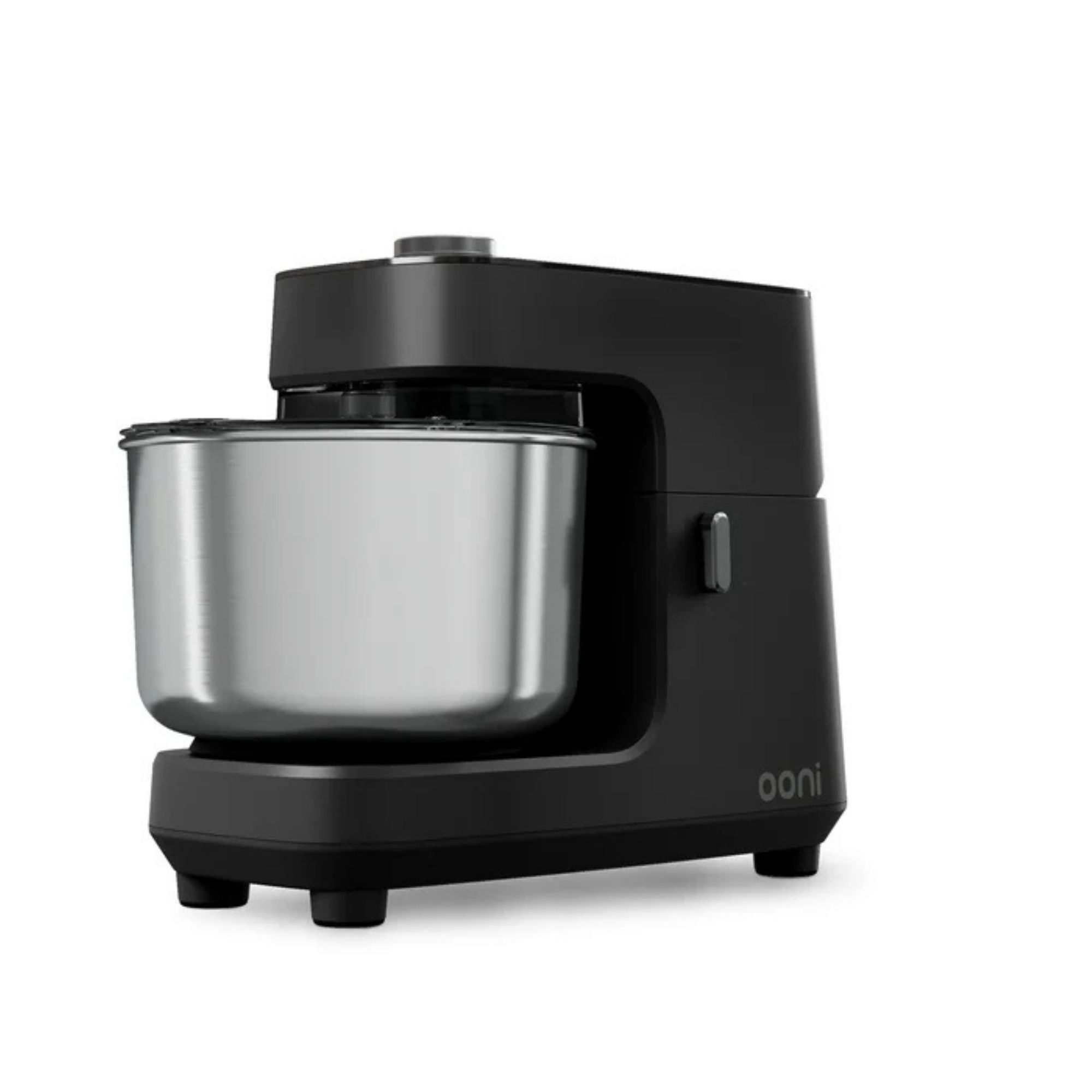
Chronology of Testing: Putting the Halo Core Through Its Paces
To evaluate the true capabilities of the Ooni Halo Core, a rigorous, multi-stage testing schedule was put into motion, moving deliberately from delicate pastries to heavy, gluten-heavy bread formations.
Phase 1: The Delicate Confections and Cake Tests
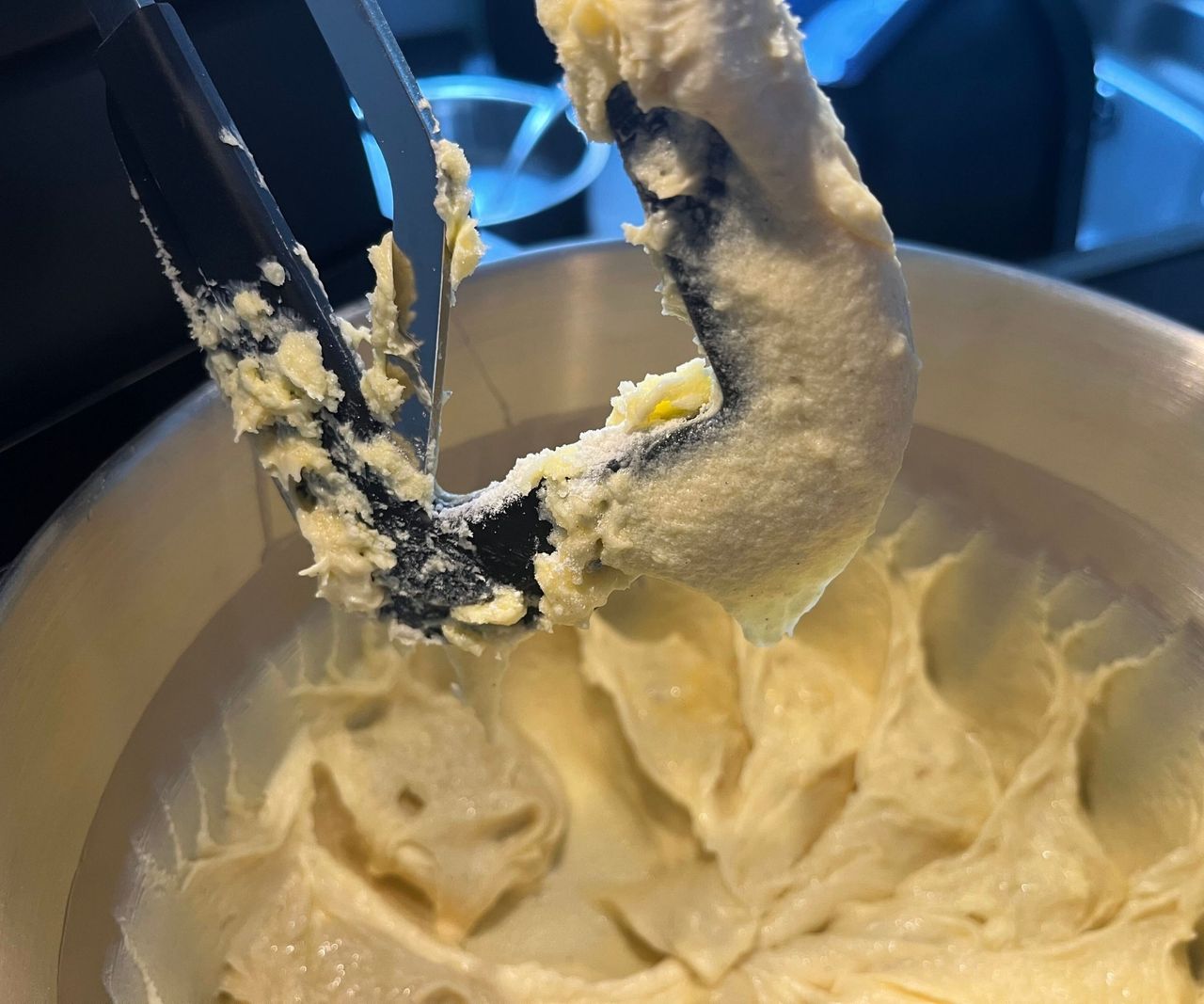
Marketed as an "everyday all-rounder," the mixer’s first challenge was a classic Victoria sponge—a litmus test for any machine’s ability to handle delicate batters that rely on gentle folding to maintain a fluffy crumb structure.
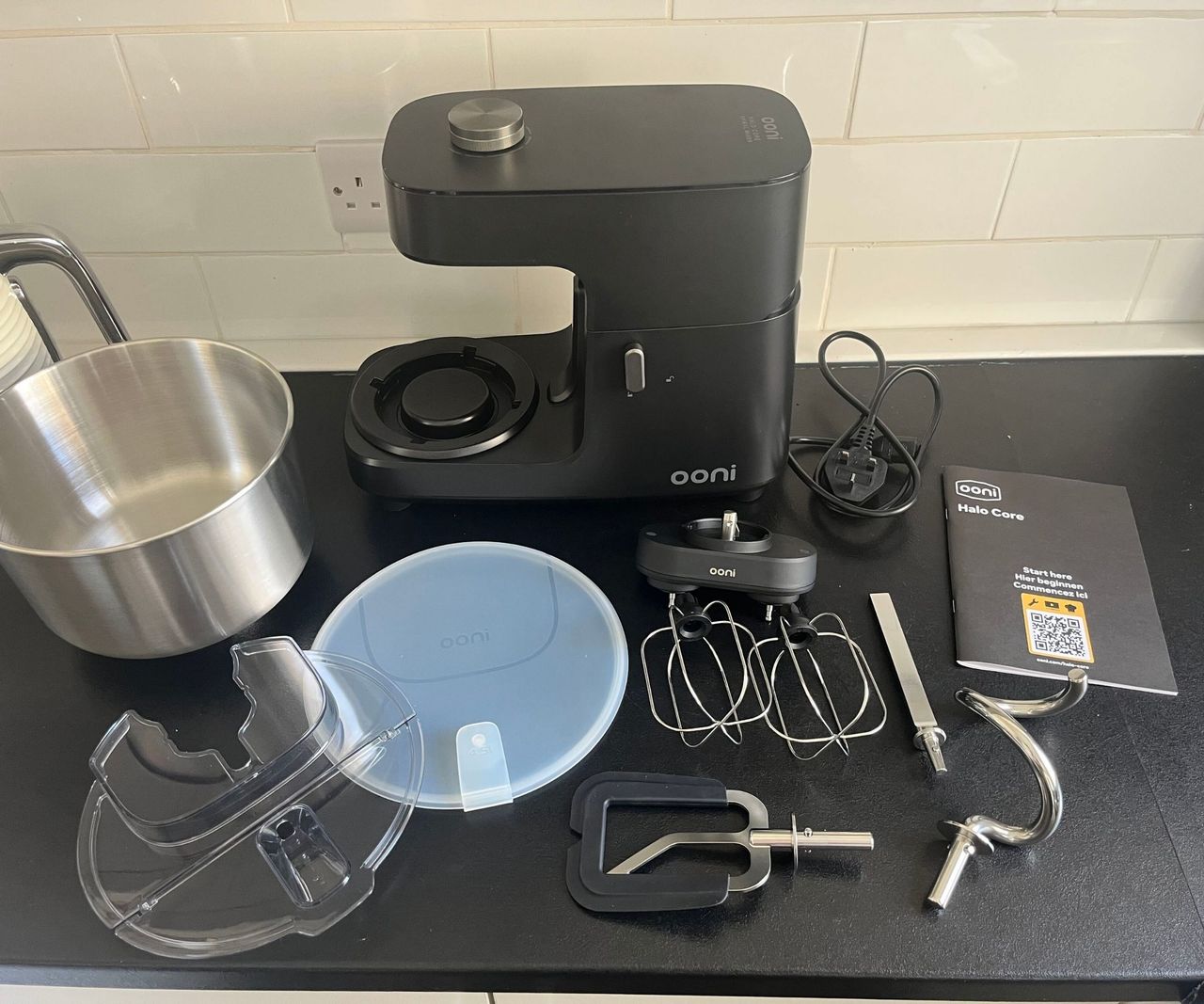
Equipped with 20 distinct speed settings, the lowest thresholds accurately mirrored hand-folding techniques, keeping the batter light and aerated. Meanwhile, the angled silicone-edge beater maintained continuous contact with the bowl’s perimeter, sweeping the edges clean so that no pockets of flour or butter remained unincorporated.
Next came the ultimate stress test for cake batters: a dense, fruit-laden Christmas cake. Heavy fruit cakes are notorious for taxing domestic mixers, often causing motor strain, head-rocking, or structural fatigue. Transported to a family kitchen where batches of these cakes are traditionally mixed by hand—leaving bakers with aching arms—the Halo Core was loaded to its limits. It folded the dense dried fruit evenly throughout the batter as it was added ladle by ladle. The machine’s head remained entirely rigid, refusing to bob or rock once, and produced the lightest batter the testers had ever achieved.
Phase 2: The Whipped Cream Test
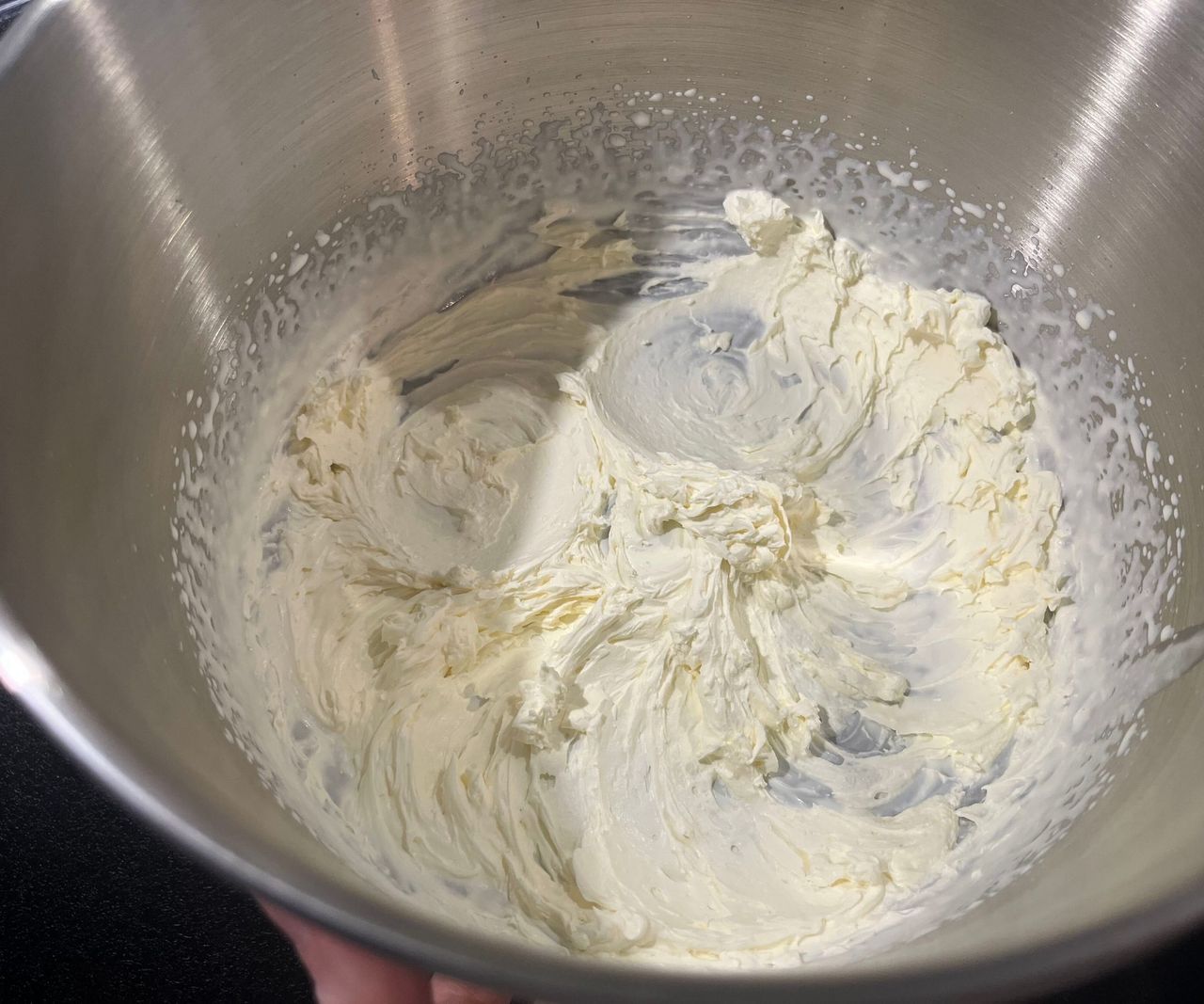
Despite the wide base of the 4.8-quart stainless steel bowl—which initially sparked concern that small quantities of liquid might evade the whisks—the dual-geared whisk attachment whipped a modest amount of heavy cream into stiff, spreadable peaks with zero lingering liquid or dead zones.
Phase 3: The Bread and Pizza Dough Trials
Given Ooni’s pedigree, the bread tests carried the highest stakes. Two distinct dough profiles were selected: a high-hydration focaccia and a rustic, heavy-duty Dutch oven artisan loaf.
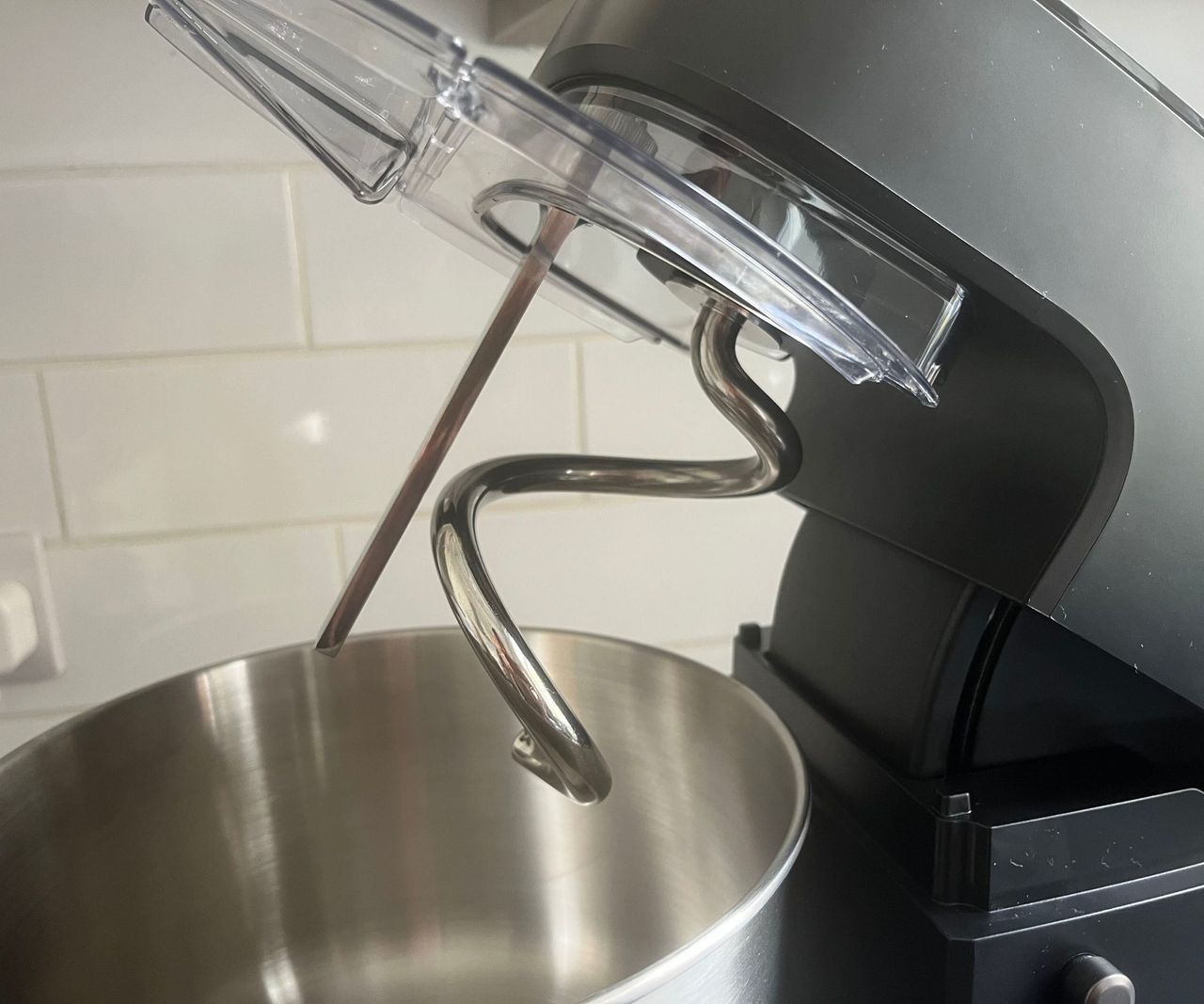
The standout hero during these tests was the included breaker bar. This specialized metal rod attaches directly to the mixer head just forward of the spiral dough hook. As the dough spins, the breaker bar intercepts it, preventing the mass from climbing up the shaft and into the upper mechanical housing—a common frustration with traditional stand mixers. This single design choice eliminated the need to constantly stop, start, and scrape down the machine.
Furthermore, the addition of a bespoke silicone lid allowed the dough to be proofed directly inside the mixing bowl post-knead, creating an airtight seal that streamlined the baking workflow.
Phase 4: The Cookie and Cleanup Phase
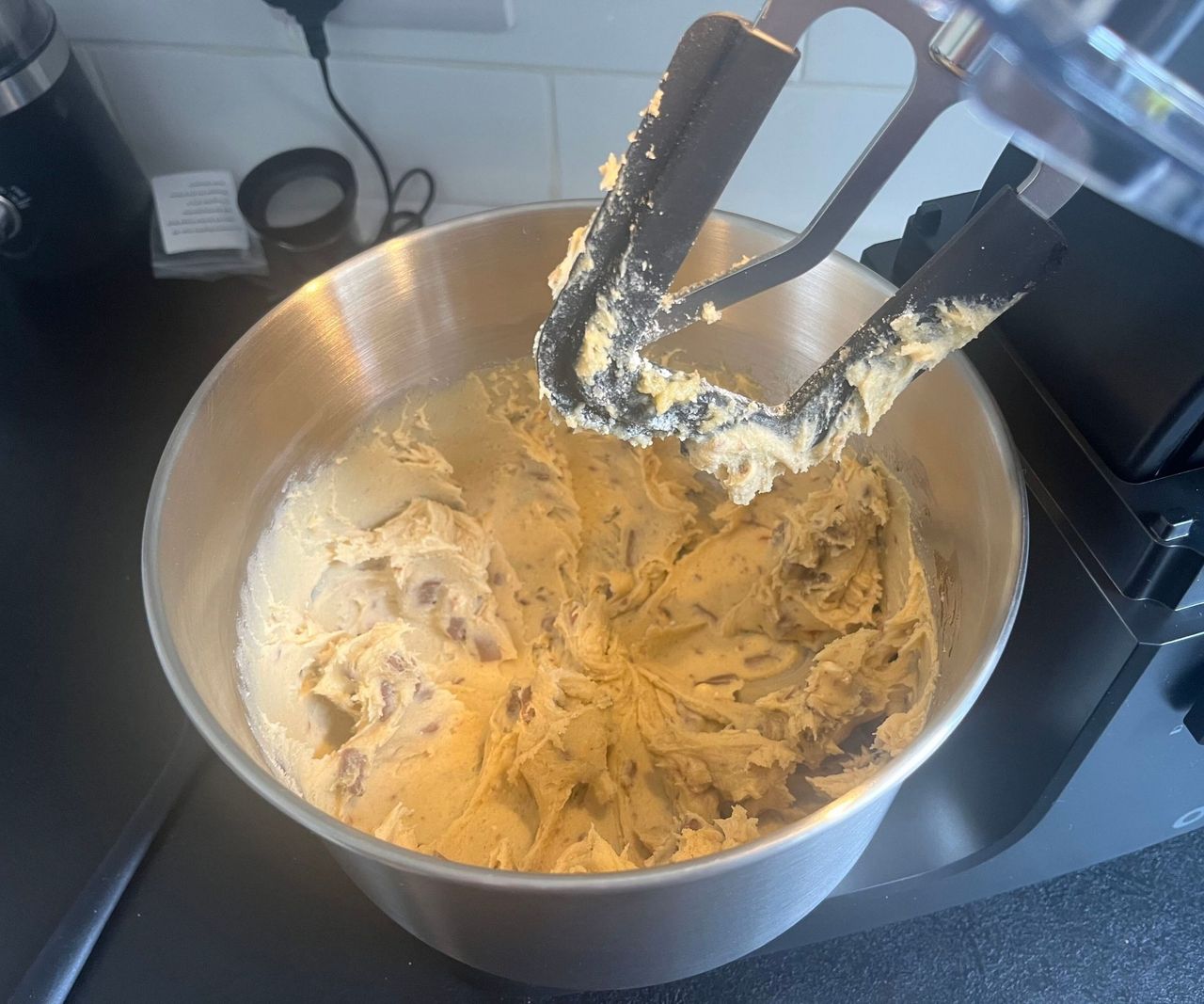
Concluded with a heavy chocolate-chunk cookie dough, the test proved that even sticky, high-fat mixtures could be managed cleanly. The silicone-edge beater prevented sugar and butter from cementing themselves to the bowl walls, ensuring uniform dispersion of the chocolate chunks.
Post-baking cleanup, often a deterrent for home bakers, proved remarkably painless. Thanks to the brushed stainless steel surfaces and the lack of complex, recessed balloon whisks, hand-washing was accomplished swiftly. Dough dissolved easily after a brief warm-water soak, and the silicone attachments shed batter without trapping residues in hidden crevices.
Supporting Data and Comparative Analysis: Ooni vs. Industry Giants
When contextualized against contemporary rivals in the premium baking space—such as the KitchenAid Artisan Plus and the SMEG Forte Stand Mixer—the Ooni Halo Core carves out a distinct niche.
| Feature / Model | Ooni Halo Core Spiral Mixer | KitchenAid Artisan Plus | SMEG Forte Stand Mixer |
|---|---|---|---|
| Primary Mixing Mechanism | True Spiral (Rotating Bowl) | Planetary Mixing | Planetary Mixing |
| Footprint / Size | Compact, squat, 23 lbs | Traditional, taller profile | Retro-aesthetic, bulky |
| Heavy Dough Performance | Exceptional; zero head-rocking | Good; prone to head-lift under extreme loads | Powerful motor, but standard planetary limits apply |
| Accessory Ecosystem | Baking-focused (No third-party attachments) | Massive (Pasta rollers, grinders, ice cream makers) | Moderate |
| Price Point Category | Premium (~$500 range) | Premium (~$500 range) | Premium (~$500 range) |
While the KitchenAid Artisan remains unmatched for bakers who want a sprawling ecosystem of multi-use attachments (such as meat grinders and pasta rollers) and the SMEG Forte appeals to those prioritizing retro kitchen aesthetics, the Ooni Halo Core wins decisively on mechanical purity.
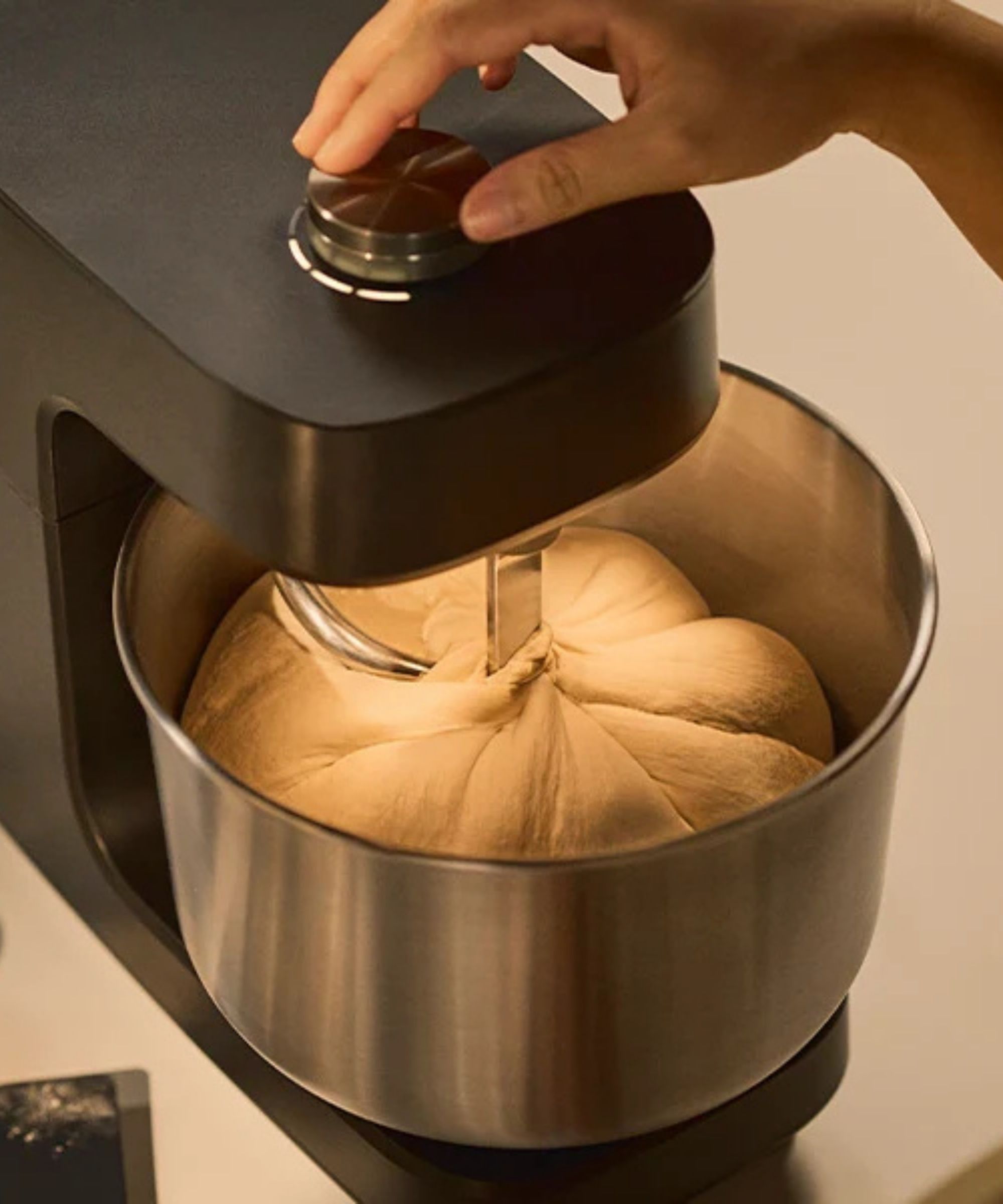
By employing a rotating bowl paired with a stationary spiral hook, the Halo Core mimics commercial bakery equipment scaled down for residential use. This architecture eliminates the mechanical stress that causes traditional stand mixers to wobble, strain, or overheat when processing dense, low-hydration doughs.
Official Perspectives and Manufacturer Intent
Ooni’s design philosophy for the Halo Core centered squarely on solving the historic limitations faced by home pizza and bread makers. Traditional planetary mixers often struggle with high-gluten, low-hydration pizza doughs, forcing enthusiasts to either knead by hand or invest thousands of dollars in commercial-grade spiral mixers.
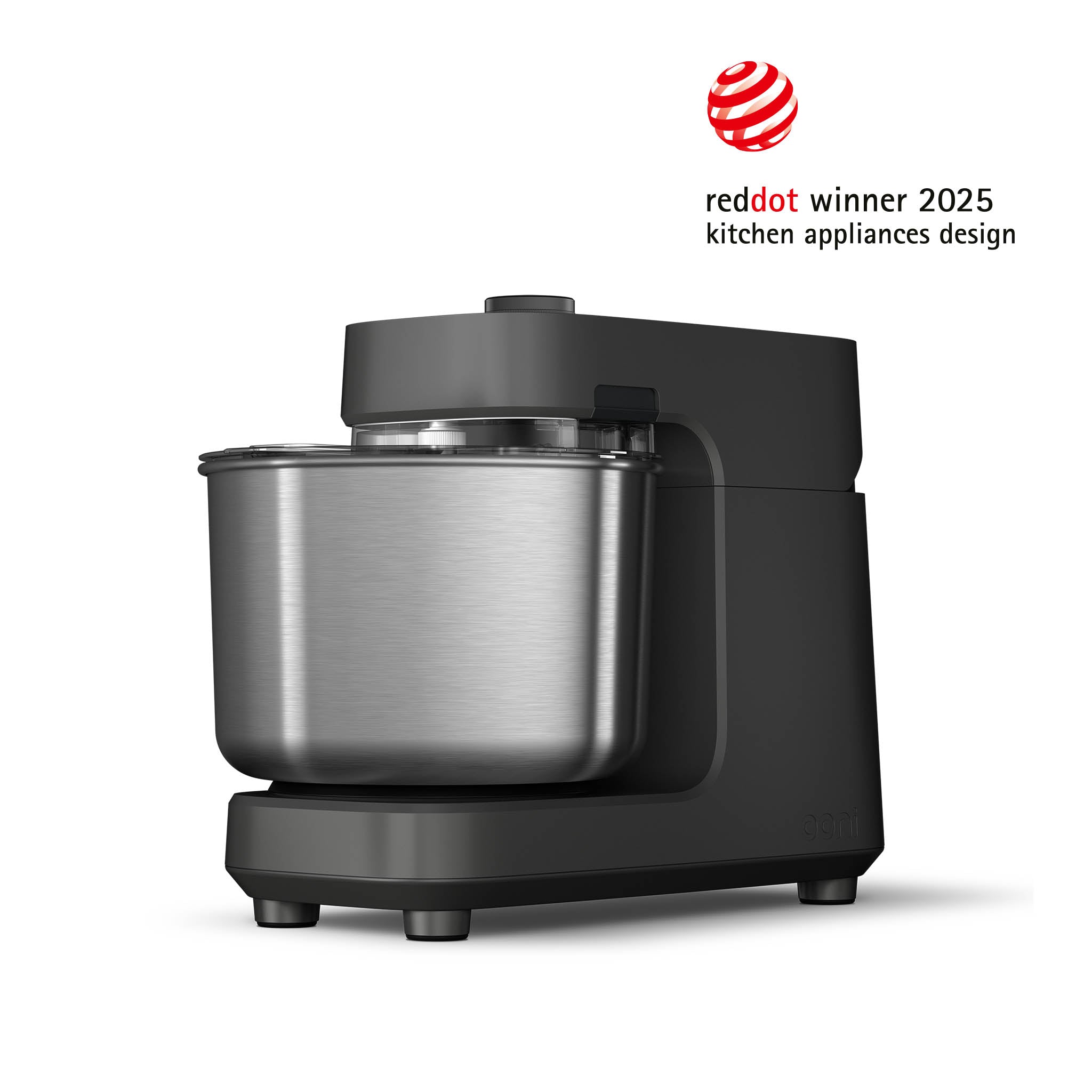
In product development notes, Ooni engineers highlighted the necessity of the die-cast aluminum internal core. By reinforcing the structural skeleton while housing a protected 300-watt motor equipped with thermal overload protection, the company aimed to bridge the gap between commercial bakery performance and domestic kitchen convenience. The 20-speed configuration was similarly intentional, offering micro-adjustments that give users granular control over delicate folding versus aggressive gluten development.
Implications for the Home Baking Market
The successful launch and reception of the Ooni Halo Core Spiral Mixer carry several broader implications for the culinary appliance market:
- The Niche-to-Mainstream Shift: Specialty culinary brands are no longer confined to their original product categories. Just as outdoor pizza oven manufacturers have successfully expanded into indoor-outdoor cooking, engineering-focused appliance designs are crossing over into general baking.
- Commercial Mechanics in Domestic Spaces: Consumers are increasingly demanding professional-grade performance in compact footprints. The adoption of true spiral mixing tech in a home-friendly 23-pound package signals a shift away from flashy aesthetics toward functional, results-driven engineering.
- Ergonomic Considerations: While the Halo Core excelled in performance, minor design critiques—such as the absence of a bowl handle (omitted because the bowl must rotate freely on the base)—highlight areas where future iterations of consumer spiral mixers will likely innovate to improve user accessibility.
Conclusion: Should You Buy the Ooni Halo Core Spiral Mixer?
For the dedicated home baker, bread enthusiast, or pizza aficionado, the Ooni Halo Core Spiral Mixer represents a triumphant shift in how domestic baking appliances can be engineered.
It strips away the superfluous multi-tool attachments of legacy brands and focuses entirely on perfecting the foundational elements of baking: mixing, kneading, whipping, and proofing. Supported by a clever breaker bar, a robust 20-speed motor, and rock-solid stability under heavy loads, it handles grueling doughs with the poise of a commercial machine while remaining compact enough for everyday kitchen cabinetry.
If your culinary repertoire leans heavily toward artisan breads, sourdoughs, pizza nights, and robust home baking, the Ooni Halo Core is easily one of the finest specialized investments you can bring into your kitchen.
