

By Vanessa Hand Orellana
Principal Writer, Wearables & Fitness Technology
As the technology sector turns its collective gaze toward Apple’s upcoming September 9 product showcase, supply chain whispers and insider reports suggest the Cupertino giant is preparing a significant hardware double-feature. While the spotlight traditionally falls squarely on the flagship iPhone rollout, the wearable ecosystem is poised for a major shake-up.
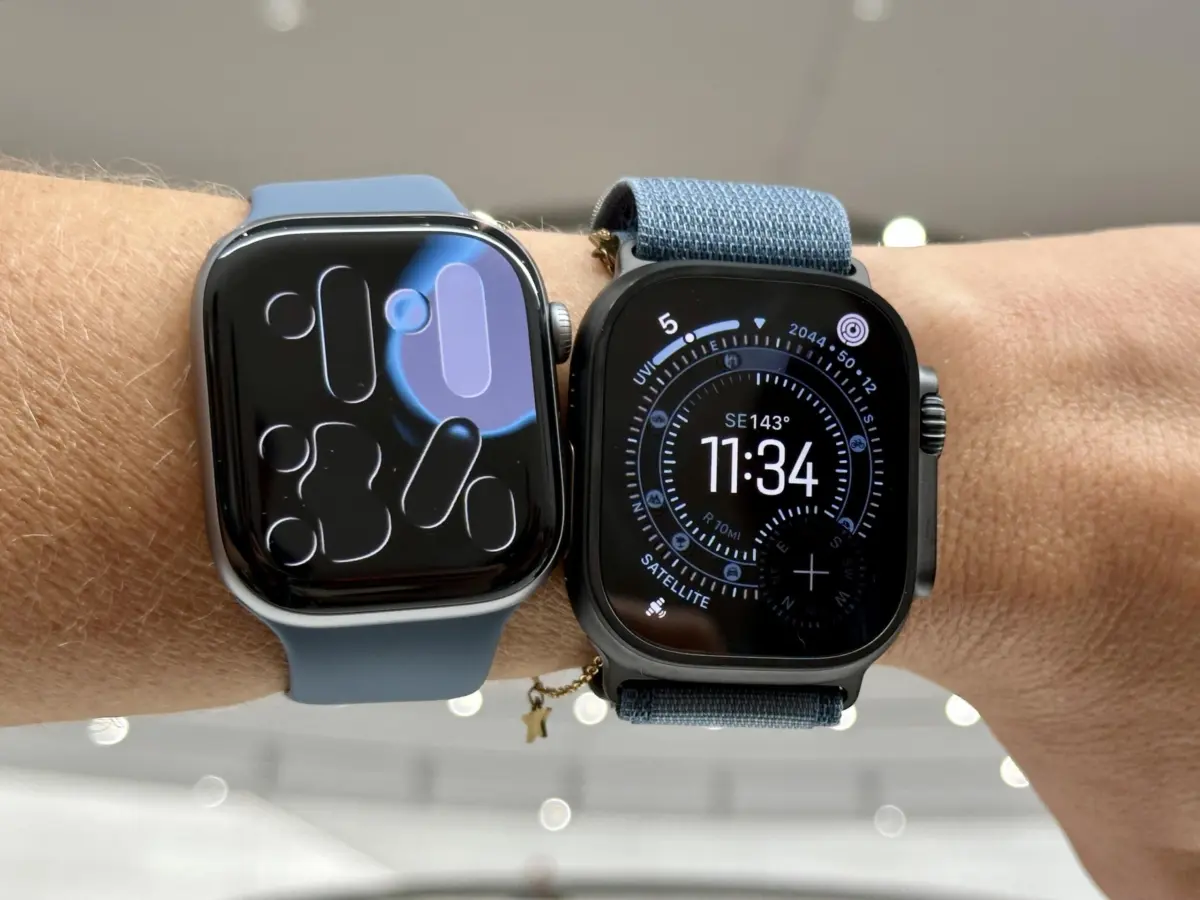
According to prominent industry analysts, including Bloomberg’s Mark Gurman, Apple is gearing up to debut both the mainstream Apple Watch Series 12 and the rugged, high-end Apple Watch Ultra 4 concurrently. This back-to-back hardware synchronization marks a strategic pivot for Apple, driven by the demands of next-generation software architecture, aggressive competitor pricing, and a pressing need for substantial under-the-hood processing upgrades.

Main Facts: What to Expect on September 9
The headline news emerging from the leaks centers on hardware synergy. Historically, Apple has treated its high-end adventure line—the Ultra—to a more erratic release cadence than its flagship counterpart. Debuting in 2022 with a rugged aerospace-grade titanium chassis and a flat sapphire crystal display, the original Ultra carved out a distinct niche for athletes, divers, and outdoor explorers. Subsequent iterations arrived with staggered gaps, culminating in last year’s robust Apple Watch Ultra 3.
However, the impending arrival of the Ultra 4 alongside the Series 12 points to a unified product cycle for 2026. Both devices are expected to house vastly accelerated processors—tentatively dubbed the S11 or S12 chips—designed to maintain parity across Apple’s premier wearable tiers.
Key expectations for the September 9 event include:

- Simultaneous Launch: The unveiling of both the Apple Watch Series 12 and the Apple Watch Ultra 4 in a synchronized hardware drop.
- Processor Overhauls: A leap in computing architecture to support advanced on-device artificial intelligence tasks.
- Health and Fitness Expansion: Software-driven features arriving via watchOS 27, alongside potential hardware-based health metric tracking.
- Stable Design Language: Minimal physical chassis redesigns for the Ultra line, contrasting with expected material revamps—such as returning ceramic options—for the Series 12.
Chronology of the Apple Watch Ultra: From Niche Adventurer to Mainstream Heavyweight
To understand the significance of a potential Ultra 4 release this September, it is helpful to examine the evolutionary timeline of Apple’s rugged wearable lineage:
- September 2022: Apple introduces the original Apple Watch Ultra. Built with a 49mm titanium case, dual-frequency GPS, and an Action button, it targets extreme sports enthusiasts and divers, establishing a new $799 price ceiling for the brand’s wrist-worn ecosystem.
- September 2023: Apple refreshes the lineup with the Apple Watch Ultra 2, introducing a brighter display and the double-tap gesture control powered by the S9 chip, though maintaining the core design philosophy of its predecessor.
- Late 2024 to 2025: A notable pacing shift occurs. Rather than adhering to an aggressive annual update schedule, Apple extends the life cycle of the Ultra series, launching the iterative Apple Watch Ultra 3 to positive reviews praising its battery efficiency and rugged utility, while keeping it tethered to the S10 processor family shared across the broader 2025 wearable lineup.
- August – September 2026: Leaks consolidate around an aggressive dual-launch strategy. With competitors like Samsung and Google adjusting their hardware pricing and pushing processing boundaries for AI integrations, Apple prepares to align the Ultra 4 directly with the Series 12, ensuring that its most expensive wearable does not lag behind in compute capabilities.
Supporting Data, Processing Demands, and Pricing Pressures
The primary catalyst forcing Apple’s hand toward an immediate Ultra refresh is processing architecture. All three Apple Watch models released in the previous cycle currently operate on the S10 silicon. Leaving the $799+ Ultra tier stranded on a generation-old chip while pushing the mainstream Series 12 forward would create an awkward performance delta within Apple’s ecosystem.
Furthermore, the introduction of demanding software features necessitates more robust silicon. Real-world beta testing of watchOS 27 reveals that the new Siri AI engine relies heavily on advanced computational resources. While legacy AI iterations often defaulted to frustrating "Here’s what I found on the web" responses, the updated Siri AI parses complex, contextual queries natively on the wrist. However, early beta builds running on current-generation hardware occasionally exhibit latency, confirming that a faster S11 or S12 processor is not merely a luxury, but a functional necessity.

Battery Efficiency Challenges
Battery life remains the single most common friction point for prospective smartwatch buyers comparing Apple’s ecosystem to dedicated sports-watch brands. In real-world testing, the Apple Watch Ultra 3 delivers roughly two days of consistent day-and-night use. While this represents the pinnacle of Apple’s wearable longevity, it pales in comparison to endurance-focused competitors like Garmin and Coros, whose devices measure battery life in weeks—or even months via solar-assisted charging.
While architectural efficiency gains from a new processor will not single-handedly close this massive gap, any incremental runtime extension is welcome. Consumers should not expect a multi-week battery breakthrough in this generation, but power-management optimizations will remain a core selling point.
The Macroeconomic Factor: Pricing
With the Ultra 3 firmly anchored at a $799 starting price—double that of the standard baseline models—industry watchers are closely monitoring potential cost adjustments. Across the broader consumer electronics landscape, macroeconomic pressures have forced manufacturers’ hands throughout 2026. Google and Samsung have both elevated prices on their flagship smartwatches. Given this industry trend and Apple’s historical willingness to adjust pricing on pro-tier hardware, analysts caution that the Ultra 4 could push past the $799 threshold, or at the very least solidify it as an expensive baseline for elite consumers.

Official Responses and Ecosystem Implications
Apple has maintained its customary corporate silence regarding unannounced products, declining to comment on leaked supply chain reports or Gurman’s preview insights. However, the downstream implications of the anticipated software and hardware updates are already coming into focus through developer channels and watchOS betas.
Features slated for watchOS 27 emphasize ecosystem integration and expanded health utilities without necessarily demanding brand-new hardware iterations. Expanded one-handed gesture controls, advanced workout tracking optimizations, and nuanced perimenopause insights highlight Apple’s ongoing pivot toward preventive health analytics. Moreover, "Workout Buddy"—the audio-guided coaching tool powered by Apple Intelligence—is expanding its linguistic capabilities to include Spanish and is loosening its dependency on a nearby iPhone for certain localized tasks.
Meanwhile, internal development rumors point toward unresolved engineering hurdles in non-invasive health tracking. Apple engineers have reportedly tested on-the-spot blood pressure measurement systems internally, aiming to move beyond current hypertension notification algorithms that merely flag long-term trends. However, accuracy inconsistencies have plagued these trials, casting doubt on whether true on-demand blood pressure readings will debut during the September event.
Wild Cards: Design, Materials, and Touch ID Speculation
Beyond silicon and software, structural modifications to the Ultra 4 are expected to be minimal. Industry consensus indicates that the physical chassis will retain the rugged titanium architecture, sapphire crystal protection, and signature orange Action button that defined its predecessors. Contrastingly, the standard Series 12 is rumored to reintroduce premium ceramic case finishes, though Apple is unlikely to swap its utilitarian titanium identity on the Ultra for ceramic alternatives.
A compelling wild card for the 2026 or 2027 hardware roadmap involves biometric authentication. Recent discoveries in internal Apple code by outlets like MacWorld suggest that the company has actively experimented with integrating Touch ID into the Apple Watch architecture. Whether Apple intends to embed a fingerprint sensor beneath the active display area, within the rotating Digital Crown, or integrated into the physical side buttons remains unconfirmed. Given its larger casing volume and dedicated physical controls, the Ultra lineup would serve as a logical testing ground for wrist-based biometric login features.
As speculation reaches a fever pitch, consumers and tech analysts alike must await official confirmation from Cupertino. All eyes will be fixed on the Steve Jobs Theater on September 9, where Apple is expected to lift the veil on its definitive vision for the future of wrist-worn computing.
