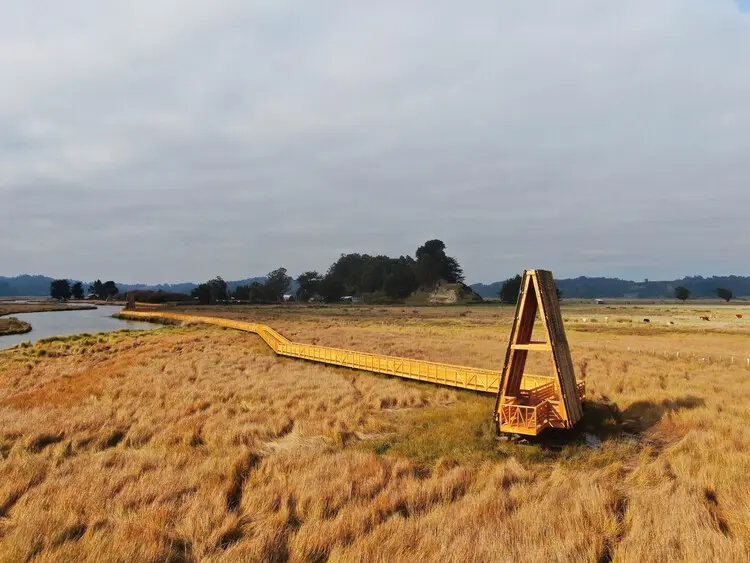
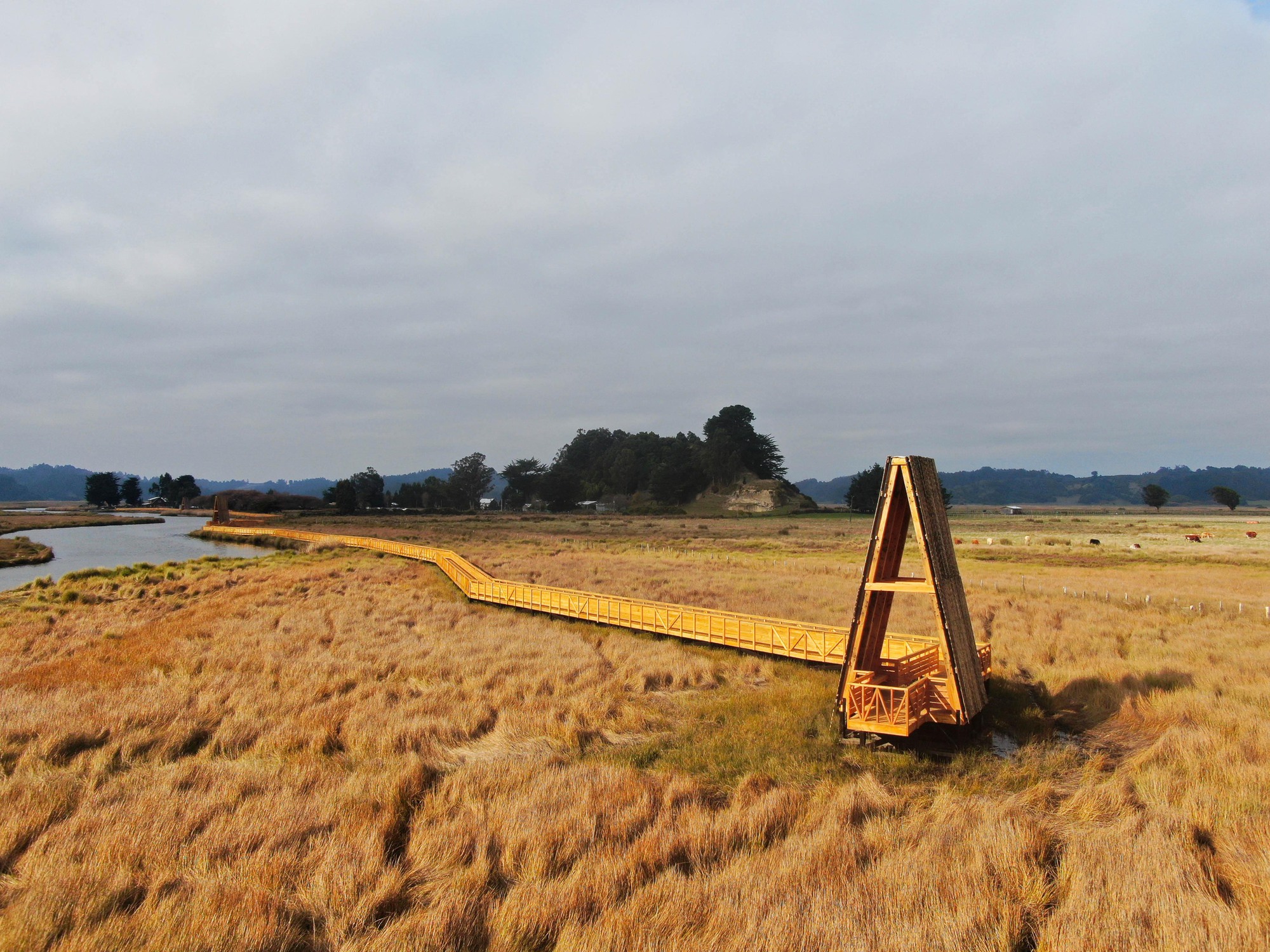
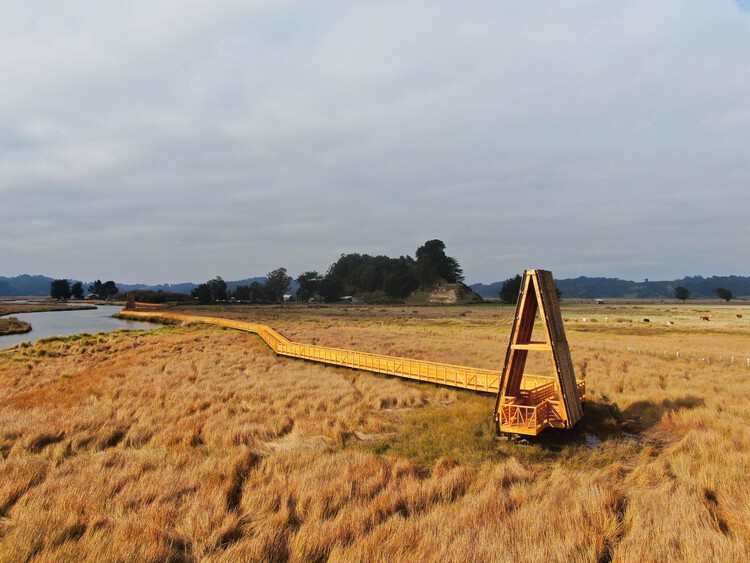
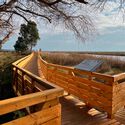
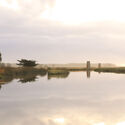
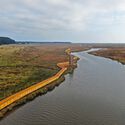
Nestled within the fragile boundaries of the Monkul Wetland in southern Chile, the Kay Kay de Monkul Lookout Walkway stands as a masterclass in sensitive, low-impact architecture. Designed by the collaborative team of architects Gonzalo Verdugo and Carlos Seguel, the project addresses a critical contemporary design challenge: how to provide human access to breathtaking natural landscapes without disrupting the delicate environmental equilibrium that sustains them.
Captured through the lens of architectural photographer Natalia Segura, the wooden boardwalk winds effortlessly through the coastal ecosystem, functioning both as a functional pathway and a contemplative viewing platform. Curated by Valentina Díaz and originally published via ArchDaily on September 7, 2026, the project emphasizes sustainable material choices, careful topographic integration, and a profound respect for local biodiversity.
The Monkul Wetland is widely recognized as one of the most ecologically valuable coastal wetlands in southern Chile. Characterized by rich flora, diverse fauna, and dynamic hydrological conditions, the site requires absolute design restraint. Rather than imposing an artificial structure onto the landscape, Verdugo and Seguel conceived a lightweight wooden infrastructure that hovers above the terrain, minimizing soil compaction, protecting local root systems, and preserving natural water flows.
Chronology
The realization of the Kay Kay de Monkul Lookout Walkway is the culmination of years of collaborative planning, ecological assessment, and precise construction techniques tailored to a remote and sensitive site.
Initial Site Assessment and Ecological Studies (Pre-Design Phase): Before the first line was drawn, environmental consultants and the architectural team conducted rigorous evaluations of the Monkul Wetland. The goal was to map sensitive habitats, seasonal water level fluctuations, and endemic species concentrations to ensure the walkway’s footprint would be as non-invasive as possible.
Design Development by Gonzalo Verdugo + Carlos Seguel Arquitectos: The architects formulated a conceptual framework centered on minimalist intervention. They opted for an elevated timber structure that could be prefabricated off-site where possible, reducing heavy machinery traffic on the wetland floor.
Permitting and Community Engagement: Local stakeholders, environmental agencies, and indigenous communities were integrated into the review process. Given the cultural and ecological significance of the Monkul area, ensuring alignment with regional preservation goals was paramount.
Construction Phase: Utilizing sustainable timber treated to withstand high humidity and coastal weather conditions, builders assembled the boardwalk using raised pier foundations. This construction method ensured that the underlying terrain remained completely undisturbed by heavy grading or excavation.
Inauguration and Opening (September 2026): The walkway officially opened to the public, offering visitors a designated route to experience the wetland. Photographic documentation by Natalia Segura captured the completed project, showcasing its seamless integration into the sweeping coastal vistas of southern Chile.
Supporting Data
Understanding the technical scope of the Kay Kay de Monkul Lookout Walkway requires looking closely at its material choices, spatial dimensions, and environmental parameters:
Project Location: Monkul Wetland, Southern Chile (a critical coastal ecosystem).
Design Architects: Gonzalo Verdugo and Carlos Seguel Arquitectos.
Curator: Valentina Díaz.
Photographer: Natalia Segura.
Primary Structural Material: Sustainably sourced local timber, chosen for its structural flexibility, low carbon footprint, and aesthetic harmony with the natural surroundings.
Design Strategy: Elevated boardwalk typology utilizing minimal-impact pier foundations to prevent soil disruption and maintain natural hydrological paths.
Publication Date: September 7, 2026.
Original Language Source: Spanish (Pasarela Mirador Kay Kay de Monkul).
Official Responses
The architectural community and regional stakeholders have warmly embraced the project, highlighting its adherence to sustainable tourism and ecological stewardship.
In their design statement, architects Gonzalo Verdugo and Carlos Seguel emphasized the ethical responsibility of building in pristine natural environments:
"Our primary objective was to conceive a low-impact infrastructure that allows visitors to traverse and contemplate the landscape without disrupting its delicate environmental balance. Architecture in natural reserves must act as a silent observer rather than an imposing monument."
Curator Valentina Díaz noted that the project represents a growing shift in South American architecture toward regenerative design—where human interventions not only protect existing ecosystems but also foster a deeper educational and emotional connection between people and nature. Environmental agencies operating in the region have similarly pointed to the Monkul walkway as a regional benchmark for ecotourism infrastructure, proving that public access and environmental conservation can coexist harmoniously.
Implications
The completion of the Kay Kay de Monkul Lookout Walkway carries significant implications for future infrastructure projects in ecologically sensitive regions across Latin America and beyond.
1. Redefining Ecotourism Infrastructure
For decades, tourism development in ecologically sensitive areas often relied on heavy concrete pathways, asphalt roads, or aggressive grading that permanently altered local hydrology and displaced wildlife. The Monkul project demonstrates that timber-based, elevated boardwalks offer a superior, reversible alternative. By keeping human traffic elevated above the ground plane, the landscape remains intact, allowing flora and fauna to thrive underneath the structure.
2. A Blueprint for Climate-Resilient Coastal Design
As coastal wetlands face increasing pressures from climate change, rising sea levels, and anthropogenic activity, resilient design strategies are vital. The elevated piers and durable wood construction utilized by Verdugo and Seguel provide a flexible model that can adapt to seasonal flooding and shifting water tables without washing away or damaging the underlying ecosystem.
3. Cultural and Environmental Synergy
Beyond its physical attributes, the walkway serves as an educational bridge. By granting controlled, respectful access to the heart of the Monkul Wetland, the design fosters local pride and global awareness regarding wetland preservation. When communities can safely experience the breathtaking biodiversity of their backyards, grassroots support for environmental conservation naturally strengthens.
Ultimately, Gonzalo Verdugo and Carlos Seguel Arquitectos have delivered more than just a functional pathway. The Kay Kay de Monkul Lookout Walkway stands as a poetic manifesto for contemporary architecture—proving that human curiosity and environmental preservation are not mutually exclusive, but can instead be woven together with wood, light, and profound respect for the earth.