

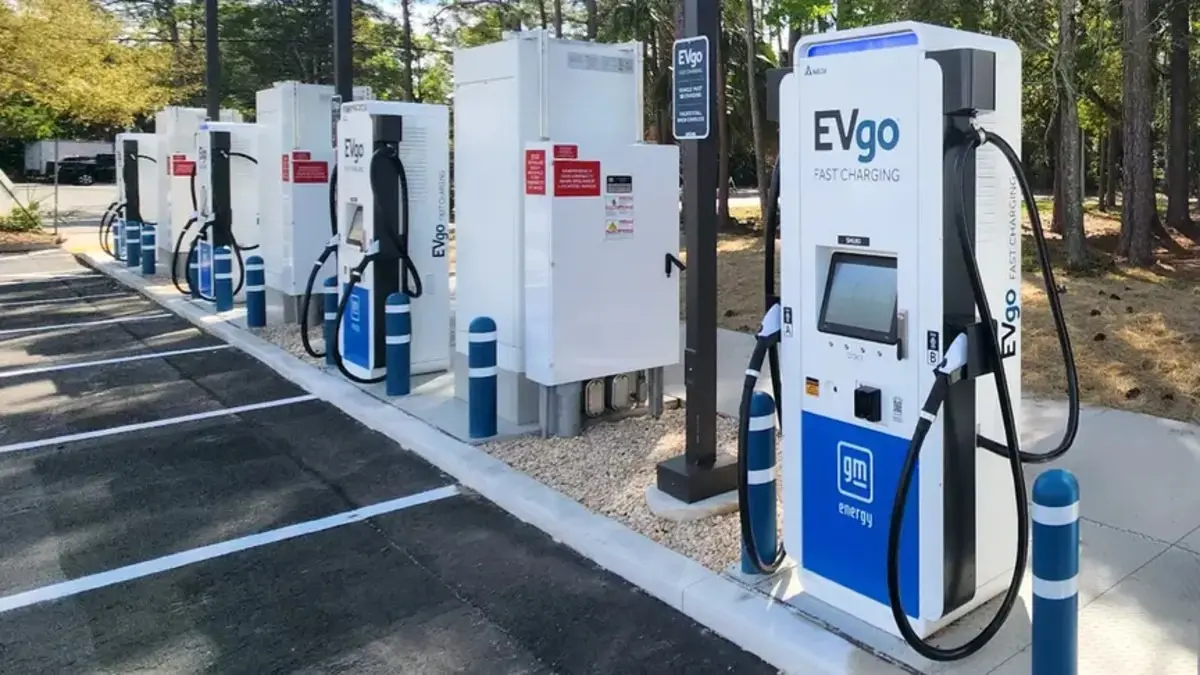
WASHINGTON — In a major development aimed at tackling one of the most persistent hurdles in electric vehicle (EV) adoption, EVgo has announced a sweeping expansion of its public fast-charging network. The company is set to deploy more than 400 new high-power fast-charging stalls across a wide array of grocery-anchored shopping centers in the United States.
The initiative, undertaken in partnership with national commercial real estate developer and property manager Regency Centers, is designed to seamlessly integrate vehicle charging into the daily routines of American motorists. By targeting suburban retail hubs anchored by household-name supermarkets like Kroger, Whole Foods, Publix, Trader Joe’s, Safeway, and Albertsons, the collaboration aims to transform routine errands into convenient charging windows.
Main Facts
The core of the announcement centers on a strategic real estate and infrastructure partnership designed to drastically scale up accessible, high-speed EV charging infrastructure nationwide.
- The Scale of the Expansion: EVgo will install upwards of 400 new fast-charging stalls.
- The Locations: The rollout will take place across properties owned, managed, or developed by Regency Centers, spanning multiple U.S. states including Colorado, Florida, Illinois, New Jersey, New York, Pennsylvania, Texas, and Virginia.
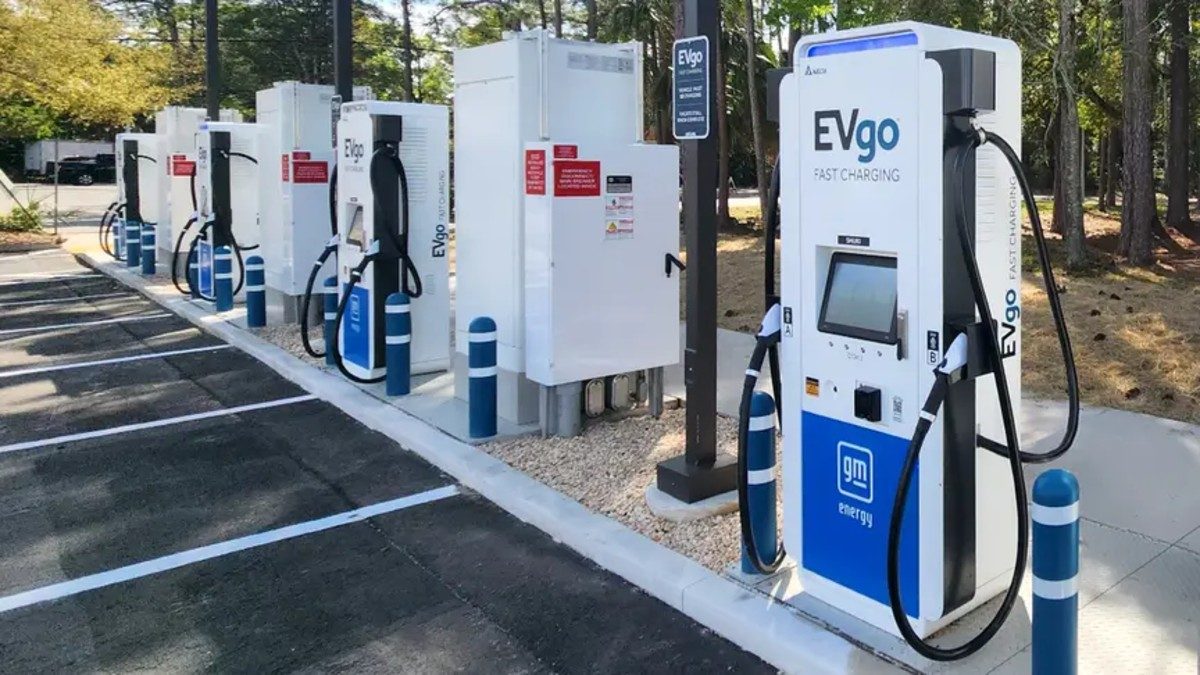
- Charging Speeds and Capacity: Individual locations will feature up to 24 high-power fast chargers capable of delivering a full charge in as little as 15 minutes, depending on the specific EV model’s capability.
- Existing Footprint Growth: The upcoming additions will increase Regency Centers’ overall EV charging footprint by more than 20%. EVgo has already established more than 150 charging stalls across Regency properties since their partnership began.
Unlike highway charging plazas that often require dedicated, out-of-the-way trips, this initiative banks on "destination charging"—placing high-speed plugs where drivers are already parking their vehicles for other reasons.
Chronology of the Partnership
While the current announcement marks a massive leap forward for both entities, the collaboration between EVgo and Regency Centers is built on years of incremental integration.
- 2020: The partnership officially kicks off when EVgo installs its very first public charging station at a Regency Centers property, testing the viability of integrating heavy-duty electrical infrastructure into traditional retail strip malls.
- 2020–2025: Over a span of half a decade, the two companies slowly scale up operations, collectively establishing more than 150 operational charging stalls across Regency’s expansive real estate portfolio. During this period, consumer demand for EVs accelerates, and the economic benefits of pairing charging stations with retail foot traffic become increasingly clear.
- Late 2025 / Early 2026: Discussions intensify regarding a much larger, multi-state rollout. Both companies recognize that range anxiety and the lack of accessible urban/suburban charging remain primary roadblocks for prospective EV buyers.
- Current Announcement: EVgo and Regency Centers officially unveil plans to add over 400 new stalls to the network, significantly boosting Regency’s total EV infrastructure by more than 20% and bringing ultra-fast charging to key suburban markets across the country. A specific construction timeline for the rollout has not yet been publicly disclosed.
Supporting Data and Real Estate Dynamics
To understand why this partnership matters, one must examine the unique positioning of Regency Centers within the American commercial real estate landscape.
Regency is not a retail store chain that everyday consumers might recognize by a storefront sign; rather, it is the master developer and landlord behind more than 480 shopping centers across the United States. Crucially, more than 80% of Regency’s entire real estate portfolio is anchored by a major grocery store.
The synergy between EV charging and grocery shopping is heavily backed by consumer data:

- Natural Dwell Times: Grocery shopping, dining out, and picking up prescriptions naturally require anywhere from 15 to 45 minutes—the exact window needed for a modern DC fast charger to replenish a significant portion of an EV’s battery range.
- Retail Foot Traffic: According to internal metrics cited by EVgo, approximately 50% of all drivers who pull up to a charging station end up walking into a nearby store or restaurant to shop, eat, or run errands while they wait. This creates a symbiotic economic loop: drivers get a charged vehicle, and local brick-and-mortar merchants capture captive foot traffic.
- Power Density: With individual stations planned to feature up to 24 high-power fast-charging stalls, these hubs will boast some of the highest throughput capacities outside of major highway corridors, alleviating wait times during peak shopping hours like weekends and evenings.
Official Responses
Executives from both organizations have emphasized the mutual benefits of the expanded partnership, pointing to shifting consumer habits and the ongoing national transition toward sustainable mobility.
"EV drivers are looking for convenient charging options where they already spend their time, like grocery-anchored shopping centers," said Scott Levitan, Executive Vice President of Growth at EVgo. "Expanding our partnership with Regency will help us meet growing customer demand while making public fast charging more accessible in the places people shop, dine, and connect with their communities."
Industry analysts note that as the electric vehicle market matures, utility and convenience have surpassed novelty as the primary drivers of consumer satisfaction. Partnerships that remove friction from the ownership experience—such as pairing a routine errand with vehicle refueling—are increasingly viewed as the gold standard for charging network operators.
Broader Implications
The rollout of 400-plus fast-charging stalls at grocery plazas carries several profound implications for the future of urban and suburban transportation, retail real estate, and the broader energy grid.

1. Easing Urban and Suburban "Charging Deserts"
While highway corridors (such as major interstates equipped with Tesla Superchargers and Electrify America hubs) have seen significant infrastructure investments, apartment dwellers and homeowners without garage-charging capabilities often struggle to find reliable, fast charging close to home. Grocery-anchored plazas are typically embedded directly within suburban and peri-urban neighborhoods, serving as vital community lifelines for drivers who cannot plug in overnight at home.
2. The Evolution of Commercial Real Estate
Landlords are rapidly realizing that EV chargers are no longer a fringe amenity or a corporate social responsibility (CSR) checkbox; they are essential tenant-attraction tools. Retail centers that offer robust, ultra-fast charging capabilities stand a much better chance of retaining high-performing grocery anchors and specialty retail tenants, as consumers increasingly favor locations that cater to sustainable lifestyles.
3. Interoperability and the Broader Ecosystem
This announcement arrives amid a broader wave of transformation across the North American charging landscape. As operators transition toward open-access standards and forge cross-brand collaborations—including upcoming integrations with Tesla Supercharger technology—reliability and speed are becoming universal expectations. EVgo’s ability to deploy 15-minute charging windows at everyday shopping destinations demonstrates how quickly the friction of EV ownership is diminishing.
Ultimately, as construction crews break ground on these new installations across states from New York to Texas, American motorists will find themselves one step closer to a future where fueling an automobile is as effortless as picking up a gallon of milk and a loaf of bread.
