


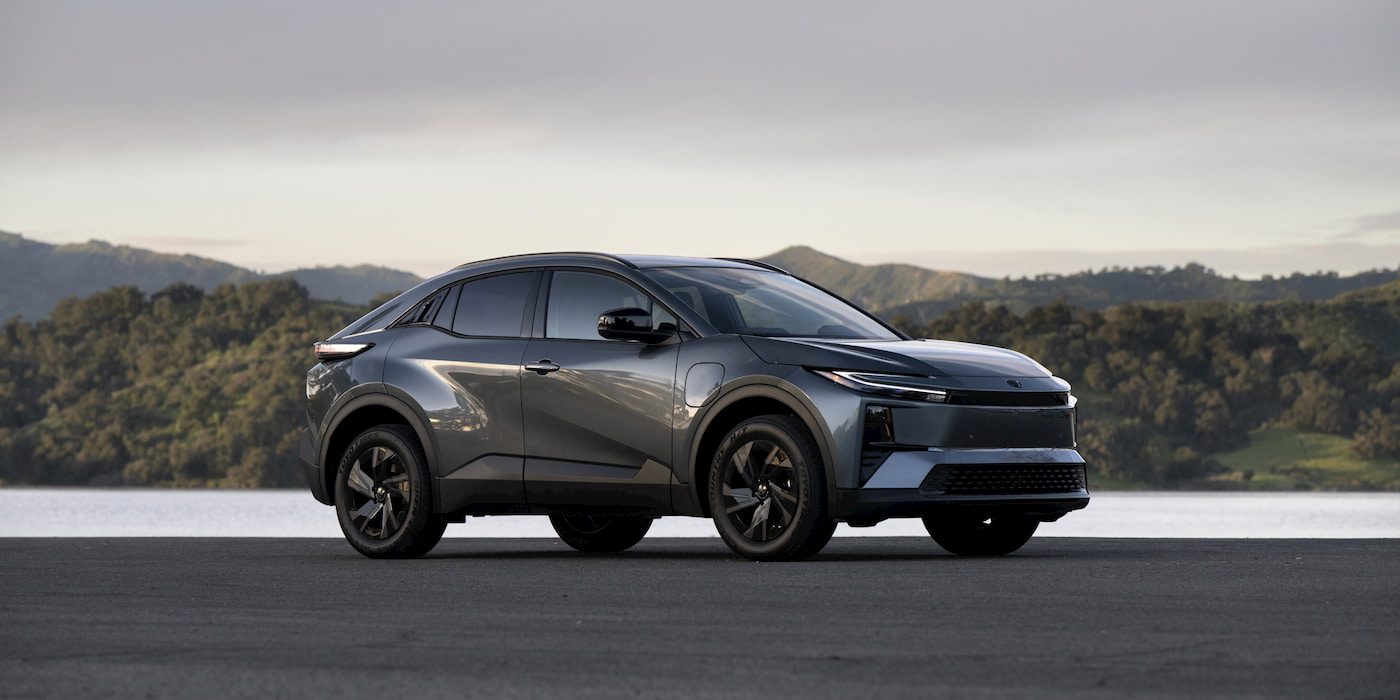
NORTH AMERICA — Toyota is facing its first major hurdle with its newly launched all-electric lineup, issuing a safety recall for approximately 10,000 units of the 2026 Toyota C-HR EV across North America. The campaign comes in response to a critical software glitch within the crossover’s regenerative braking system, which can potentially lead to an unexpected and dangerous loss of motive power while the vehicle is in motion.
The recall underscores the complex software engineering challenges traditional automakers face as they rapidly transition their vehicle portfolios toward full electrification. While the C-HR EV was designed to capture a younger, more dynamic demographic as a sportier, more accessible alternative to Toyota’s larger bZ series, this initial engineering setback highlights the high stakes of deploying cutting-edge EV architectures.
Main Facts: What We Know About the C-HR EV Recall
The safety action affects approximately 10,000 model-year 2026 Toyota C-HR electric crossovers currently operating on North American roads.
The Root Cause: Regenerative Braking and Overcharging
At the heart of the recall is a software calibration error within the vehicle’s battery electronic control unit (ECU). Under specific, real-world driving conditions—most notably when the high-voltage lithium-ion battery is fully charged or operating at a very high state of charge—the regenerative braking system can inadvertently continue to pump energy back into the pack.
Instead of intelligently throttling or tapering off energy recovery when capacity is maxed out, the faulty software can overcharge the battery cells. As a protective failsafe against catastrophic thermal events or severe battery degradation, the electric drive system’s safety protocols automatically trigger a complete shutdown of the powertrain.
The Real-World Danger
When this protective shutdown occurs, drivers experience an immediate and unexpected loss of motive power while driving. While steering and basic electrical accessories generally remain functional via the 12-volt auxiliary system, losing propulsion abruptly in highway traffic or at high speeds creates a severe collision hazard. To date, Toyota has not publicly released official figures detailing how many customer complaints, near-misses, or accidents are tied to the glitch.
The Remedy
Fortunately, the fix does not require physical hardware replacements or component swaps. Affected owners will need to bring their vehicles to an authorized Toyota dealership, where certified technicians will perform a complimentary flash update to the battery ECU software. This patch recalibrates how the vehicle manages regenerative braking parameters when the battery is near full capacity.
Chronology of Events: From Launch to Recall
The timeline of the 2026 Toyota C-HR EV moves rapidly from a promising market introduction to a swift safety intervention.

- Early 2026: Toyota officially launches the all-electric C-HR in North America. Positioned as a smaller, sleeker, and sportier alternative to the company’s pioneering bZ electric SUV line, the C-HR EV rolls out with a competitive starting price point of approximately $37,000, quickly gaining traction among urban EV adopters.
- Mid-2026 (August): Toyota expands its electric footprint by announcing and pricing subsequent iterations, including the updated 2027 bZ models and the 2027 C-HR EV lineup, maintaining strong momentum for the brand’s battery-electric vehicle (BEV) division.
- Late September 2026: Engineering and quality assurance divisions identify the software anomaly linking fully charged state-of-the-art regenerative braking cycles to sudden powertrain disengagements. Toyota decides on a voluntary safety recall to mitigate potential road hazards.
- Early October 2026: Initial industry reports surface regarding the 10,000-vehicle North American recall. Regulatory filings are processed, though the formal notice takes time to populate on the National Highway Traffic Safety Administration (NHTSA) database.
- Early November 2026 (Scheduled): Toyota plans to officially begin mailing out owner notification letters, instructing impacted drivers to schedule their software update appointments at local dealerships.
Supporting Data and Vehicle Context
To better understand the scope of this recall, it is helpful to look at the vehicle’s specifications, market positioning, and the broader ecosystem of Toyota’s electric offerings.
Market Positioning and Pricing
The C-HR EV entered the North American market earlier this year with a base MSRP starting at roughly $37,000 (with subsequent 2027 models hovering closely around $37,080). It was explicitly engineered to bridge the gap for budget-conscious buyers wanting a dynamic, coupe-like crossover layout without stepping up to larger, more expensive family-sized SUVs.
Expanding EV Lineup
In North America, the C-HR EV shares showroom space with:
- The updated Toyota bZ (standard model)
- The rugged Toyota bZ Woodland edition
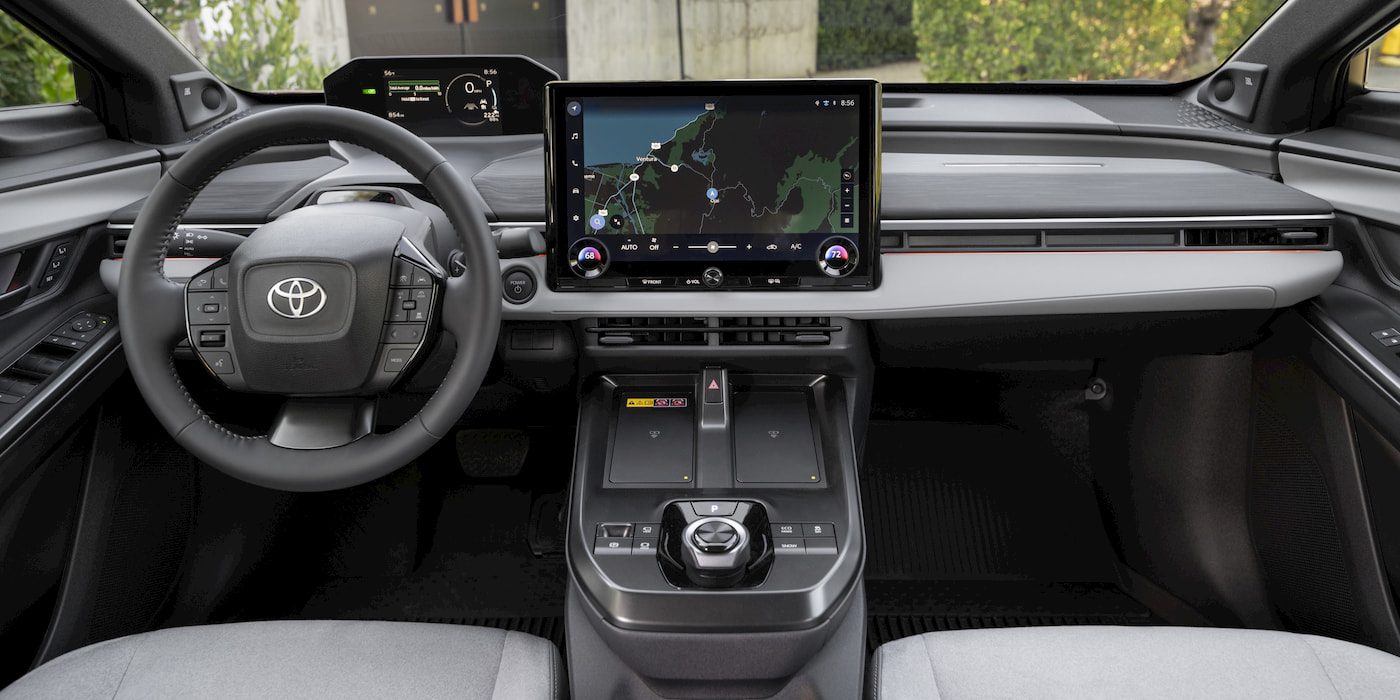
With multiple vehicles now utilizing shared skateboard architectures and proprietary power electronics, software integration has become increasingly complex.
Global Implications: The C-HR+ in Europe and the UK
While the current recall order officially covers approximately 10,000 vehicles in North America, industry analysts and regulatory watchers are closely monitoring international markets. In Europe, the United Kingdom, and select global territories, Toyota markets a mechanically identical counterpart known as the Toyota C-HR+ (essentially the global equivalent of the North American C-HR EV).
Although international safety agencies have yet to issue concurrent mandates, automotive experts suggest that because the powertrain software and regenerative braking logic are universally shared across these production runs, an expansion of the recall to overseas markets is a distinct possibility. Toyota has not yet confirmed if European or UK models will require a parallel service campaign.
Official Responses and Owner Action Plan
Toyota has mobilized its customer support infrastructure to guide owners through the remedy process while regulatory paperwork catches up.
Official Communication Channels
Because the recall notice may experience a brief delay before appearing on the public-facing NHTSA database (nhtsa.gov/recalls), Toyota has directed customers to utilize direct brand channels to verify their status.

- Phone Support: Owners can contact the Toyota Brand Engagement Center directly at 1-800-331-4331.
- Online VIN Check: Vehicle owners can immediately check if their specific crossover is flagged by navigating to Toyota.com/recall and entering their unique 17-digit Vehicle Identification Number (VIN) or current license plate information.
What Affected Owners Should Do
- Verify Status: Check your VIN online via the official Toyota recall portal or call customer service.
- Monitor Battery Habits: Until the ECU software update is performed, drivers might consider avoiding maximum-level (100%) AC level 2 home charges if they plan to immediately descend steep grades or engage heavy regenerative braking, though the ultimate fix requires the dealership patch.
- Await Notification: Watch your mailbox for the official notification letter arriving in early November 2026.
- Schedule Service: Contact your local Toyota dealership to set up an appointment. The battery ECU software flash is completely free of charge.
Industry Implications: Software Quality in the EV Era
The Toyota C-HR EV recall reflects a broader, industry-wide narrative: the shift from mechanical reliability to digital dependability. For decades, legacy automakers built reputations on mechanical endurance—engines, transmissions, and suspension components that could run for hundreds of thousands of miles with minimal digital intervention.
In the modern electric vehicle landscape, however, software is the invisible glue holding complex electrical architectures together. Powertrain management, thermal regulation, battery chemistry protection, and kinetic energy recovery systems (such as regenerative braking) are governed entirely by millions of lines of code. A single misplaced logic loop or boundary condition—such as failing to cap energy input when a lithium-ion battery is fully saturated—can transform a cutting-edge efficiency feature into a safety liability.
For Toyota, a company historically revered for its rigorous "Toyota Production System" and legendary build quality, managing software regressions will be a defining challenge of its multi-billion-dollar EV pivot. Fortunately, because modern electronic control units are increasingly patchable, issues like the C-HR’s regenerative braking glitch can typically be resolved swiftly via dealership firmware updates—or, increasingly in the industry, via Over-The-Air (OTA) updates.
As the 2026 and 2027 model-year C-HR EVs continue to roll out to consumers, ensuring robust software validation will be paramount to preserving consumer trust in Toyota’s burgeoning electric fleet. For now, affected owners are encouraged to complete their scheduled ECU updates promptly to ensure safe, uninterrupted driving.
