

For many indoor gardeners, the journey of cultivating orchids can feel like an exercise in patience—and occasionally, frustration. After an orchid finishes its annual flowering cycle, the plant typically spends the balmy summer months pouring its biological energy into robust root and lush foliage growth. However, when the calendar flips to autumn, indoor growers often find themselves staring at a healthy plant that stubbornly refuses to produce new flower spikes.
According to seasoned horticulturists, the secret to unlocking a reliable, early-spring bloom cycle doesn’t lie in expensive fertilizers or complicated chemical treatments. Instead, it relies on mimicking the plant’s natural tropical environment. By executing one simple move every September—relocating moth orchids to a cooler microclimate within the home—plant owners can successfully trick these exotic beauties into initiating a vibrant reblooming phase.
Main Facts: The Science Behind the September Cool-Down
The most common indoor orchid grown by enthusiasts worldwide is the moth orchid, scientifically known as Phalaenopsis. In their native habitats—spanning the humid tropical and subtropical rainforests of Asia, New Guinea, and northern Australia—these epiphytic plants experience a distinct environmental transition as summer yields to autumn.
During this seasonal shift, nighttime temperatures in their natural ecosystems routinely drop to a crisp 55°F to 65°F for several consecutive weeks. This thermal cue serves as a biological alarm clock, signaling to the plant that it is time to halt vegetative growth and direct its metabolic energy toward developing new flower spikes for spring.
In modern residential homes, however, this crucial temperature drop rarely occurs naturally. Climate-controlled interiors, combined with the activation of central heating systems as autumn progresses, maintain a uniform warmth year-round. Because orchids fail to experience this necessary cold exposure, they often miss the environmental trigger needed to initiate blooming, resulting in delayed flowers or a complete lack of blossoms come spring.
Chronology: A Step-by-Step Guide to Seasonal Orchid Management
Successfully shifting an orchid’s environment requires careful timing and precision. Plant experts outline a distinct chronological approach to managing your orchids from late summer through the winter blooming phase:
1. Late Summer (August to Early September): The Preparation Phase
As summer winds down, inspect your orchids to ensure they have finished their vegetative growth cycle. Healthy plants should feature plump, silvery-green roots and firm, glossy green leaves. Ensure the plant is well-watered and free of pests before initiating any environmental changes.
2. Early September: The Relocation
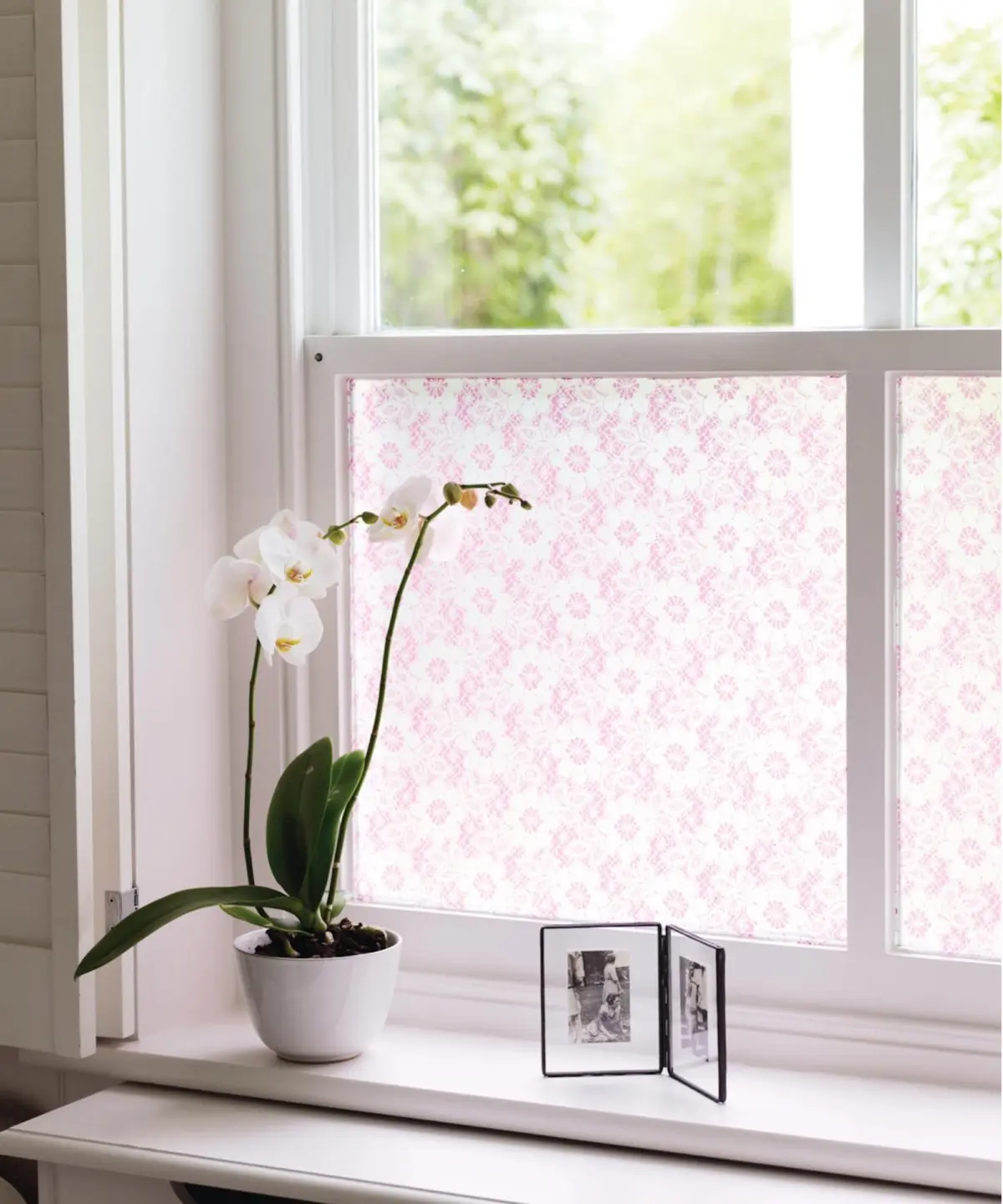
Move your Phalaenopsis orchids to a cooler room in your house. The ideal location should experience a natural temperature fluctuation—offering bright, indirect light during the day, followed by nighttime temperatures dropping into the 55°F to 65°F range. A bright, unheated spare bedroom or a spot near an east-facing windowsill (guarded against harsh, icy drafts) works exceptionally well.
3. Mid-Autumn (October to November): The Waiting Period
Maintain your orchid in this cooler microclimate for several weeks. It is vital during this period not to compromise on other care requirements. While cooler temperatures trigger the flower spikes, the plant still requires bright, indirect light to sustain photosynthesis. Additionally, because indoor air often becomes drier during autumn, monitor humidity levels closely. Rather than ineffective misting, utilize pebble humidity trays or a small room humidifier to keep ambient humidity optimal.
4. Late Autumn to Early Winter: The Emergence of Spikes
Inspect the base of your orchid regularly. Within a few weeks of consistent nighttime cooling, you should spot a new, mitten-shaped green tip emerging from between the lower leaves. This is the new flower spike. Once this spike is clearly developing, it is time to relocate the orchid back to its permanent, warmer, and more stable display location.
5. Winter to Spring: The Blooming Phase
Once returned to a stable environment, avoid subjecting the orchid to sudden temperature drops or harsh light fluctuations, which can shock the plant and cause bud blast—a condition where developing flower buds turn yellow and drop off prematurely. With proper care, your orchid will reward you with stunning blooms as early as late winter.
Supporting Data and Expert Insights: Navigating the Nuances
Executing the September orchid trick requires a delicate balance. Houseplant experts emphasize that while cold exposure is necessary, heavy-handed execution can backfire.

Adrian Aviles, owner of the historic Athletic Club Flower Shop in Downtown Los Angeles—which has served floral enthusiasts since 1916—notes that precision is key.
"Since most orchids are kept indoors, the temperature change that comes with fall isn’t as noticeable. You’re giving it enough of a temperature change that it recognizes fall and starts preparing a flower spike," explains Aviles.
However, Aviles warns against extreme measures, such as placing a plant directly in the path of an air conditioner vent or an icy windowpane. "I recommend moving the orchid to a room that naturally has a bigger difference between daytime and nighttime temperatures. A bright room that cools down a little in the evening is usually a good option. I would avoid keeping them by the AC or heater. Direct hot or cold air isn’t beneficial."
To eliminate guesswork, horticulturists recommend using digital hygrometers and indoor thermometers to accurately track microclimates within different rooms of the house. Monitoring these metrics ensures that the plant receives the precise thermal stimulation it needs without suffering from cold shock.
Official Responses and Industry Best Practices
Botanical societies and indoor plant care institutions have increasingly endorsed environmental manipulation as a humane, chemical-free alternative to commercial "bloom-booster" fertilizers, which are often high in phosphorus and can salt-burn delicate orchid roots if misused.
According to leading floral care networks, industry best practices for encouraging reblooming focus heavily on replicating nature’s cyclical patterns rather than forcing unnatural growth. Key guidelines endorsed by top horticulturists include:

- Avoid Misting Myths: Many indoor gardeners believe that constantly misting orchid leaves provides adequate humidity. Experts clarify that superficial misting evaporates too quickly to make a significant physiological impact, occasionally leading to fungal issues if water pools in the crown of the plant. Instead, utilize dedicated pebble trays or compact cool-mist humidifiers.
- Master Watering Technique: Overwatering remains the leading cause of indoor orchid mortality. Orchids grown in bark or sphagnum moss should be watered thoroughly only when the medium is completely dry and the roots inside a clear pot turn a silvery-gray color.
- Light Quality Over Quantity: While bright light is essential, direct midday sun will scorch delicate orchid foliage. East-facing or shaded south-facing windows provide the optimal spectrum for post-cooling recovery.
Implications: Elevating Indoor Gardening Success
The implications of adopting naturalistic care routines like the September cool-down extend far beyond aesthetic satisfaction. For commercial florists, hobbyists, and interior designers alike, understanding the ecological triggers of houseplants transforms indoor gardening from a game of chance into a predictable science.
By aligning indoor care regimens with the evolutionary history of tropical species, plant owners can dramatically increase the longevity and vitality of their green investments. No longer viewed as disposable decorations to be discarded once their initial flowers fade, orchids can be nurtured into long-lived perennial house companions that reliably grace homes with exquisite floral displays year after year.
As autumn approaches, taking a few moments to evaluate your home’s microclimates and relocate your Phalaenopsis collection may just be the single most impactful gardening task you undertake this season.
